Quick Guide
Let's be honest. You've probably tried more than a few recipes promising the "best peanut butter cookies" only to end up with something too dry, too crumbly, or tasting more like flour than peanuts. I've been there. I've had cookies spread into one giant, thin mess, and others that came out of the oven looking more like little rocks than treats. It's frustrating.
So I went on a mission. I baked batch after batch, tweaking ratios, testing different peanut butters, and yes, even having a couple of genuine failures (we'll talk about those). What I ended up with wasn't just one recipe, but a whole framework for understanding what makes a peanut butter cookie truly great. This isn't about a fancy, complicated chef's recipe. It's about a reliable, downright delicious cookie you can make any time the craving hits.
And that craving is real, isn't it? There's something about that sweet, salty, nutty flavor that feels like a hug.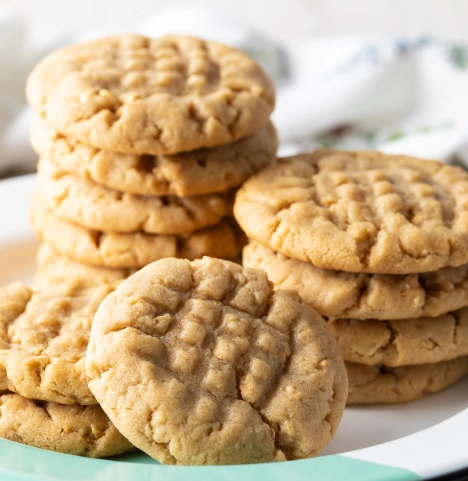
The Core Recipe: Why This One Works
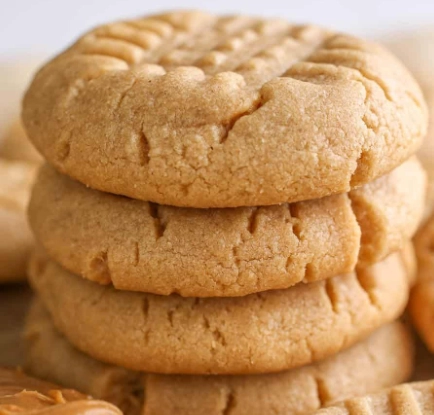
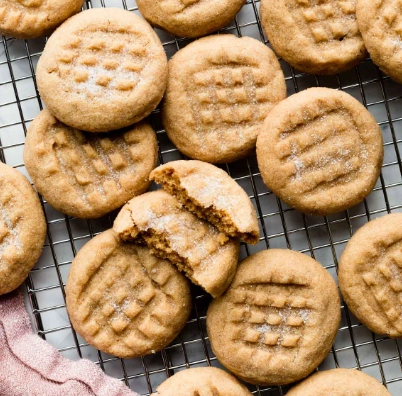
After all my testing, this version consistently delivers what most of us are looking for: a cookie with crisp edges, a wonderfully chewy center, deep peanut butter flavor, and that classic criss-cross fork pattern that just feels right. It's the best peanut butter cookie recipe for everyday baking because it balances simplicity with fantastic results.
The Ultimate Chewy Peanut Butter Cookie Recipe
Yields: About 24 cookies
Prep: 15 mins | Chill: 1 hour (crucial!) | Bake: 10-12 mins
Ingredients:
- 1 cup (2 sticks / 225g) unsalted butter, softened (room temp, not melted!)
- 1 cup (250g) creamy peanut butter (see the big note on peanut butter types below)
- 1 cup (200g) granulated sugar
- 1 cup (220g) packed light brown sugar (the brown sugar is key for chewiness)
- 2 large eggs, room temperature
- 2 teaspoons pure vanilla extract
- 2 ½ cups (315g) all-purpose flour (measured correctly—spoon and level!)
- 1 teaspoon baking powder
- 1 teaspoon baking soda
- ½ teaspoon fine sea salt (or ¾ tsp kosher salt)
Instructions:
- Cream the fats and sugars: In a large bowl, beat the softened butter, peanut butter, granulated sugar, and brown sugar together on medium speed for a good 2-3 minutes. You want it light and fluffy. This step isn't just mixing; it's incorporating air, which affects texture. Don't rush it.
- Add wet ingredients: Beat in the eggs one at a time, fully incorporating each before adding the next. Mix in the vanilla.
- Combine dry ingredients: In a separate bowl, whisk together the flour, baking powder, baking soda, and salt. This ensures the leaveners are evenly distributed, preventing weird bitter spots.
- Bring it together: Gradually add the dry ingredients to the wet mixture, mixing on low speed just until no flour streaks remain. Overmixing at this stage leads to tough cookies. The dough will be thick.
- Chill the dough: This is the non-negotiable step for the best peanut butter cookies. Cover the bowl and refrigerate for at least 1 hour, or up to 3 days. Chilling solidifies the fat, preventing excessive spread and allowing the flavors to meld. Trust me.
- Bake: Preheat your oven to 350°F (175°C). Line baking sheets with parchment paper. Roll dough into 1.5-inch balls (about 1.5 tbsp each). Place them 2 inches apart on the sheets. For the classic look, use a fork to press a criss-cross pattern into each ball, dipping the fork in sugar between presses to prevent sticking.
- Bake for 10-12 minutes, until the edges are lightly golden and the centers look just set. They will look slightly underdone—this is perfect. They'll finish cooking on the hot sheet.
- Cool: Let cookies cool on the baking sheet for 5 minutes before transferring to a wire rack to cool completely. The patience pays off.
Why does this work so well? The brown sugar adds moisture and molasses flavor for chew. The mix of baking powder and soda gives a good rise and spread. But the real secret weapon? The chilling. I know it's tempting to skip, but it's what transforms good cookies into the best peanut butter cookies.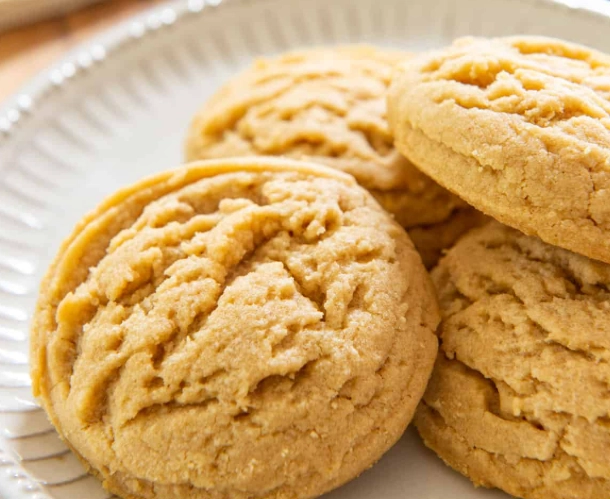
The Peanut Butter Dilemma: Natural vs. Conventional
This is the single biggest variable and the most common point of failure. Get this wrong, and your cookie texture is doomed.
Most classic, reliable peanut butter cookie recipes are formulated for conventional, shelf-stable peanut butter like Jif or Skippy. These have added hydrogenated oils and sugars, which create a stable, predictable fat and moisture content. They give a consistent, softer texture.
Natural peanut butter (the kind you have to stir, with just peanuts and salt) is a different beast. The oil separates, and it lacks stabilizers. If you use it straight from the jar without adjusting, your cookies can spread excessively and become greasy. I learned this the hard way—my first batch looked like peanut butter puddles.
Here’s a quick guide:
| Peanut Butter Type | Best For... | Texture Result | Important Adjustment |
|---|---|---|---|
| Conventional (Jif, Skippy) | Classic, soft, chewy cookies. Most reliable. | Consistently soft and slightly dense. | None. Use as recipe states. |
| "No-Stir" Natural (like Justin's) | A more peanut-forward flavor, slightly less sweet. | Can be a bit more crumbly or crisp. | Consider reducing other fats slightly (by 1-2 tbsp). |
| Homemade or Stirred Natural | Intense peanut flavor enthusiasts. | Risk of excessive spread/oiliness. | Stir very well to fully incorporate oil. Chill dough longer (2+ hrs). You may need to add 1-2 tbsp extra flour if dough seems too slack. |
For your first attempt at this best peanut butter cookie recipe, I strongly recommend using a conventional brand. It's the safest path to success. Once you've mastered it, experiment!
Pro Tip: The National Peanut Board is a great resource for understanding different peanut products and their uses, though they don't provide specific recipes.
Level Up: Tweaks, Add-Ins, and Variations
Once you've got the basic best peanut butter cookie recipe down, the fun begins. Here are some of my favorite twists, ranked by how often I make them.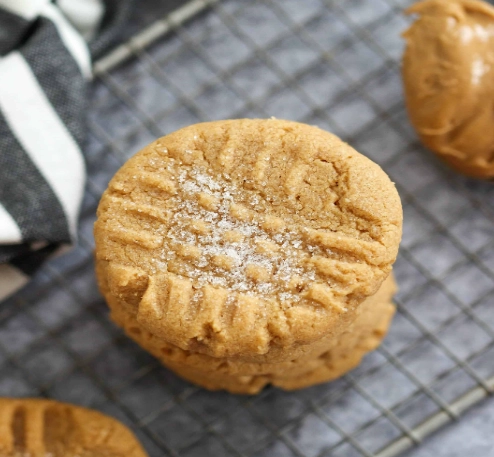
Top Variations:
- Chocolate Chip Peanut Butter Cookies: Fold in 1 ½ cups of semi-sweet chocolate chips with the flour. A no-brainer crowd-pleaser.
- Peanut Butter Blossoms: Roll the dough balls in granulated sugar before baking. Immediately after taking them out of the oven, press a Hershey's Kiss into the center of each cookie. Let cool completely—the kiss will set.
- Salted Peanut Butter Cookies: Use chunky peanut butter and sprinkle the tops with flaky sea salt (like Maldon) right after baking. The sweet-salty contrast is incredible.
- Gluten-Free Peanut Butter Cookies: Replace the all-purpose flour with a 1:1 gluten-free baking blend (like Bob's Red Mill). The result is often even more tender.
What about a 3-ingredient recipe? Sure, it exists. It's just 1 cup peanut butter, 1 cup sugar, and 1 egg. They're fine in a pinch—dense, very peanut-forward, and grainier in texture. They scratch the itch, but they lack the complex texture and buttery richness of the full recipe. They're a different category, really.
And for a softer cookie? Try replacing one of the eggs with an extra egg yolk. The added fat and emulsifiers in the yolk promote a more tender, cake-like crumb. Some people love it; I personally prefer the chew.
The Science of the Cookie: Why Techniques Matter
Baking is part art, part chemistry. Understanding the "why" helps you fix problems and become a better baker.
Why do my cookies spread too much? Usually, your butter was too warm or melted, your dough wasn't chilled, your baking sheet was warm when you put the dough on it, or you're using natural peanut butter without adjustment. Also, check your leaveners—old baking soda loses its potency.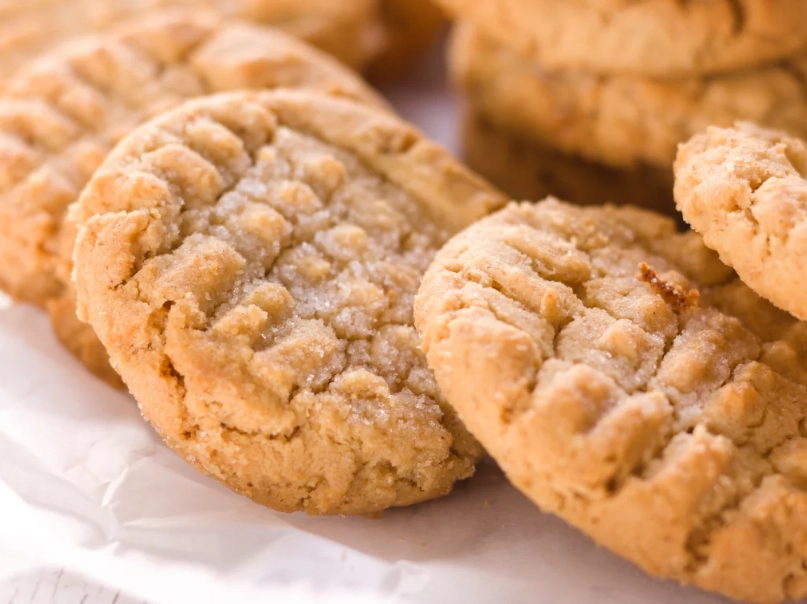
Why are my cookies dry and crumbly? You likely overmeasured the flour (the spoon-and-level method is vital!), overbaked them, or used too much peanut butter relative to the fat/liquid. Overmixing after adding flour develops gluten, which can also lead to toughness.
How do I get that perfect chewy center? The combination of brown sugar (thanks to its moisture-retaining molasses), an extra egg yolk if you use it, and pulling the cookies out when the centers just look set is the holy trinity for chewiness. Underbaking slightly is the goal.
A Note on Food Safety: While the risk is low, raw flour and raw eggs can carry pathogens. The FDA provides guidelines on safe food handling. Baking the cookies to an internal temperature of 160°F (71°C) eliminates these risks. If you're concerned about eating raw dough, look for heat-treated flour and pasteurized eggs.
Your Peanut Butter Cookie Questions, Answered
I've gotten a lot of questions from friends and family over the years. Here are the ones that come up constantly.
Final Thoughts: It's About the Experience
Searching for the best peanut butter cookie recipe is about more than just ingredients and steps. It's about the smell that fills your kitchen, the satisfaction of that first perfect chewy bite, and the joy of sharing something homemade.
This recipe I've shared is my workhorse. It's adaptable, forgiving, and most importantly, delicious. It might not be the simplest (that 3-ingredient one holds that title), but in my book, it delivers the best overall experience—the texture, the flavor, the look.
Because really, who doesn't need a reliable best peanut butter cookie recipe in their back pocket? Life's too short for mediocre cookies.
Reader Comments