Your Recipe Roadmap
Let's be honest. You've searched for an award winning peanut butter pie recipe before. Maybe you clicked on a few, made one, and thought... it's good. But was it contest-winning good? Did it have that magical balance of salty and sweet, that cloud-like texture that makes you close your eyes for a second? Probably not. There's a gap between a decent peanut butter pie and the kind that makes judges at a state fair nod in silent agreement.
I know because I've been there. I spent years tweaking my own version, entering local bake-offs (and losing a few), before I finally pieced together what separates the good from the legendary. It's not one big secret, but a bunch of small, non-negotiable details. This isn't just another recipe list. This is a breakdown of why this specific formula works so well, drawing from the common threads in contest-winning recipes and a lot of trial and error in my own kitchen.
The core of any great award winning peanut butter pie recipe lies in its harmony. The crust must hold up but not fight the filling. The peanut butter flavor needs to be deep, not just sweet. The texture has to be creamy yet light, not a dense brick. And the topping? It can't be an afterthought. It's the final, crucial note.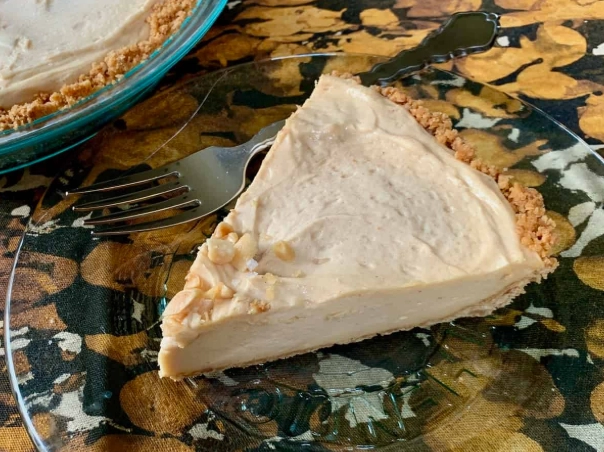
Why This Recipe Actually Wins (The Philosophy)
You can't just throw peanut butter and cream cheese together and call it a day. Award-winning recipes have a logic to them. They consider how ingredients interact at a chemical and textural level. For instance, using both cream cheese and whipped cream (or sometimes a stabilized mousse) is key. The cream cheese provides a tangy backbone and structural integrity, while the whipped cream delivers that airy, melt-in-your-mouth quality that wows on first bite. A pie that's all cream cheese is too heavy; one that's all whipped cream can be insubstantial and weepy. The magic is in the partnership.
Another point most blogs gloss over? Salt. Peanut butter, especially the commercial kind most of us use, has sugar added. If you don't balance it with a little extra salt—and I mean more than a pinch—the whole pie can taste one-dimensionally sweet and flat. That contrast is what makes the peanut flavor "pop." It's the difference between a forgettable dessert and an award winning peanut butter pie recipe.
Deconstructing the Champion: Ingredient Deep Dive
Every ingredient here has a job. Substituting carelessly is the fastest way to end up with a second-tier pie. Let's get into the nitty-gritty.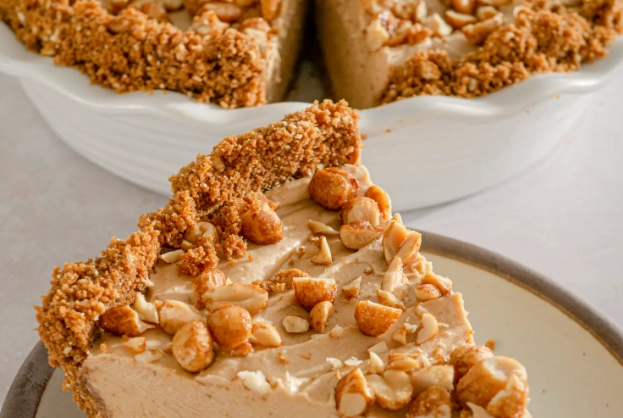
The Crust: More Than Just Crumbs
Graham cracker crust is the classic, and for good reason. Its honeyed, slightly earthy flavor is the perfect foil for the rich peanut butter. But not all graham cracker crusts are created equal.
- Butter is Non-Negotiable: Melted butter is the glue. The ratio is crucial. Too little, and your crust falls apart when you slice. Too much, and it becomes a greasy, hard brick once chilled. The sweet spot is usually 5 to 6 tablespoons of melted unsalted butter for about 1.5 cups of fine crumbs.
- Pre-Bake? Absolutely. You must bake the crust for 8-10 minutes at 350°F (175°C). This toasts the crumbs and butter, deepening the flavor and creating a stable base that won't get soggy from the filling. Skipping this step is a common rookie mistake that leads to a mushy bottom layer.
- A Solid Alternative: For a deeper, more robust flavor, try an Oreo cookie crust (using the whole cookie, filling included). The chocolate complements the peanut butter beautifully. Just reduce the added sugar in the crust mixture, as the cream filling is plenty sweet.
The Filling: The Heart of the Matter
This is where the real magic happens. The filling for an award winning peanut butter pie recipe is a carefully engineered emulsion.
Here’s a breakdown of the filling's VIPs:
| Ingredient | Its Role | What to Use (and Avoid) |
|---|---|---|
| Cream Cheese | Provides structure, tanginess, and a rich mouthfeel. It stabilizes the lighter whipped cream. | Use full-fat, brick-style cream cheese. Do not use spreadable cream cheese or low-fat versions, as they contain more water and gums that can ruin the texture. |
| Peanut Butter | The star flavor agent. It also contributes to the firmness of the set filling. | Use a standard, creamy, sugar-added commercial brand like Jif or Skippy. "Natural" peanut butter (the kind that separates) can make the filling oily and less stable. The emulsifiers in commercial brands help create a smooth, uniform texture. This is a hill I will die on for this specific pie. |
| Confectioners' Sugar | Sweetens and, due to its cornstarch content, helps slightly thicken and stabilize the filling. | Sift it! Lumping is the enemy of smoothness. |
| Heavy Whipping Cream | Incorporates air, creating the light, fluffy, cloud-like texture. | Heavy cream or heavy whipping cream (36%+ milk fat) only. Whipping cream or light cream will not whip to stiff peaks properly. |
| Vanilla Extract | Enhances all other flavors, adds warmth and complexity. | Use pure vanilla extract, not imitation. A tiny pinch of flaky sea salt added here is also a game-changer. |
See how each piece matters? Using a "natural" peanut butter might seem healthier, but it's the quickest way to sabotage the silky texture that defines an award-winning peanut butter pie recipe. The fats and solids behave differently.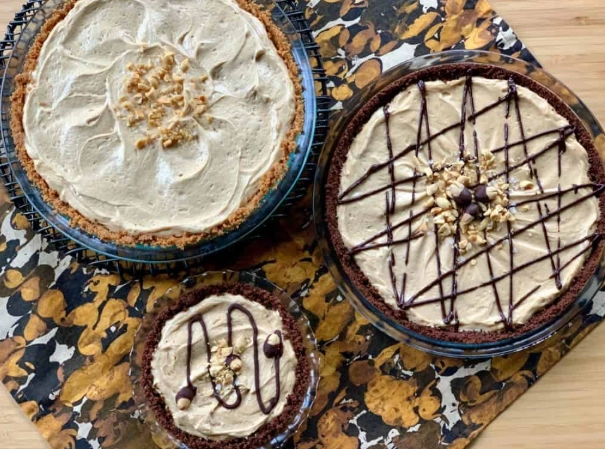
The Step-by-Step Guide: Technique Over Everything
Okay, you have the right ingredients. Now, the execution. Follow this sequence closely.
Step 1: The Foundation. Make your graham cracker crust. Mix 1.5 cups of fine crumbs with 1/4 cup of granulated sugar and 6 tablespoons of melted, unsalted butter. Press firmly and evenly into a 9-inch pie plate. Bake at 350°F for 8 minutes. Let it cool completely on a wire rack. A warm crust will melt your filling.
Step 2: The Peanut Butter Base. In a large bowl, beat 8 ounces of softened, full-fat cream cheese with an electric mixer until completely smooth and creamy. This takes about 2 minutes. Scrape the bowl. Add 1 cup of creamy commercial peanut butter and beat again until fully combined, another minute.
Step 3: Sweetening & Flavoring. Gradually add 1 cup of sifted confectioners' sugar, beating on low speed until incorporated. Then beat in 1 teaspoon of pure vanilla extract and 1/4 teaspoon of fine sea salt (trust me). The mixture will be very thick.
Step 4: The Lightening Agent. In a separate, chilled metal or glass bowl, whip 1.5 cups of cold heavy whipping cream to stiff peaks. Don't over-whip it to butter! It should hold a firm peak when you lift the beaters.
This next part is critical.
Step 5: The Marriage. Using a rubber spatula, gently fold about one-third of the whipped cream into the peanut butter mixture. This "loosens" the thick base. Then, carefully fold in the remaining whipped cream until no white streaks remain. Be gentle—you want to keep all that air you whipped in.
Step 6: Assembly & Set. Pile the fluffy filling into your cooled crust. Smooth the top. Cover gently with plastic wrap (press it directly onto the surface to prevent a skin from forming) and refrigerate for at least 6 hours, preferably overnight. This is non-negotiable for proper setting and flavor melding.
The Finishing Touches: Toppings That Elevate
A naked pie is a sad pie. The topping adds visual appeal, textural contrast, and a final flavor layer. Here are a few winners, ranked by my preference (and contest judge feedback).
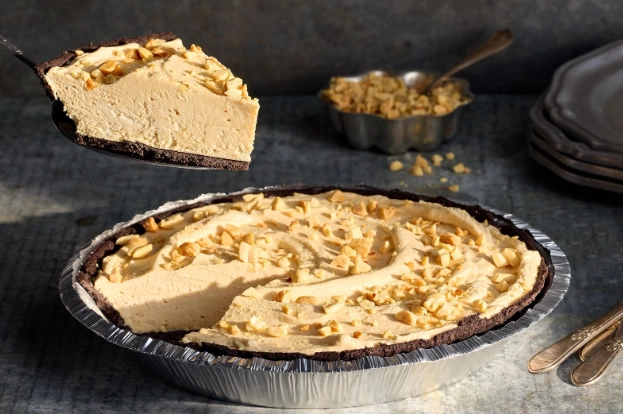
- Whipped Cream & Chopped Peanuts: A classic for a reason. Pipe or dollop fresh whipped cream around the edges. Sprinkle generously with finely chopped, lightly salted peanuts. It's elegant and reinforces the main flavor.
- Chocolate Ganache Drizzle: Heat 1/2 cup of heavy cream until simmering, pour over 1 cup of semi-sweet chocolate chips, let sit for 5 minutes, then stir until smooth. Let cool slightly, then drizzle artistically over the whole pie. The combination of peanut butter and chocolate is legendary for a reason.
- Salted Caramel Sauce & Flaky Salt: Drizzle with a good-quality salted caramel sauce and finish with a few flakes of Maldon sea salt. This takes the sweet-salty contrast to the next level.
Just remember, add toppings right before serving so they stay fresh and crisp.
Answering Your Pie-Making Questions (FAQ)
Troubleshooting & Pro Adjustments
Even with a great recipe, things happen. Here's how to pivot.
- Lumpy Filling: Your cream cheese wasn't soft enough, or you didn't beat it long enough initially. To fix small lumps, you can press the finished filling through a fine-mesh sieve—it's a pain, but it works. Prevention is easier: ensure room-temp cream cheese.
- Soggy Crust: The crust wasn't pre-baked, or the filling was added while the crust was still warm. Also, make sure you're pressing the crumb mixture firmly and evenly up the sides.
- Too Sweet/Not Peanut-Buttery Enough: You might have used a "natural" peanut butter with no added sugar, which sounds logical but changes the chemistry. For more peanut punch, add an extra 2-3 tablespoons of your commercial peanut butter to the filling, but be aware it will thicken it further.
Want to get fancy? Fold 1/2 cup of mini chocolate chips into the filling before adding the whipped cream for a chunky texture. Or, add a layer of sliced bananas or a spread of raspberry jam on the cooled crust before adding the filling.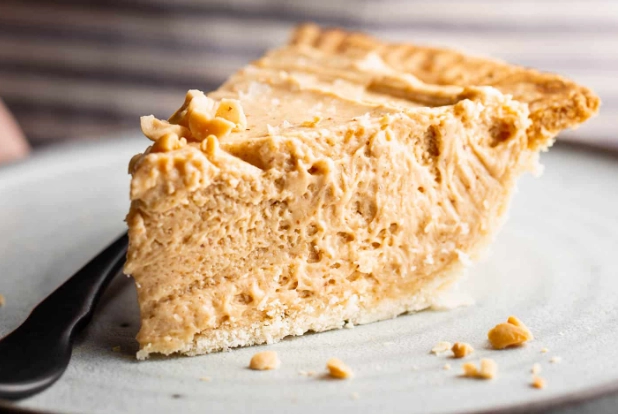
The goal isn't just to follow a recipe, but to understand it. Once you know why the cream cheese is there, why you whip the cream separately, and why you chill it forever, you can make this award winning peanut butter pie recipe your own. That's when you start winning your own ribbons, even if it's just from your family's empty plates.
So, there you have it. More than just a list of ingredients and steps, but the reasoning, the pitfalls, and the little secrets that elevate a simple pie into something spectacular. It's a process, but each step is simple. The hardest part is waiting for that first, perfect slice after its long overnight rest.
Grab your mixer, trust the process, and get ready to make a pie that doesn't just taste good—it tastes like a winner.
Reader Comments