In This Guide
- Why This Classic Cookie Deserves Your Attention
- The Foundation: Your Core Peanut Butter Cookie Recipe
- The Great Peanut Butter Debate: Choosing Your Weapon
- Beyond the Basics: Recipe Variations and Twists
- The Science of Success: Why Techniques Matter
- Troubleshooting Your Peanut Butter Cookie Recipe
- Answering Your Burning Questions (FAQ)
- Taking It Further: The Professional's Edge
Let's be honest. We've all been there. You get a craving for something sweet, nutty, and satisfyingly chewy. Your mind goes straight to peanut butter cookies. Maybe you remember the criss-cross pattern from your childhood, or maybe you just love that rich, salty-sweet flavor. But then you hit a wall. Which peanut butter cookie recipe do you use? The one with three ingredients? The one that promises "the softest cookies ever"? The internet is flooded with options, and half the time, the results are... meh.
I've had my share of baking disasters. Cookies that spread into one giant, thin sheet. Cookies as hard as hockey pucks. Cookies that taste more like plain sugar than peanut butter. It's frustrating. After what feels like a hundred batches (and a few that went straight to the bird feeder), I think I've finally cracked the code. This isn't just another recipe post. It's the culmination of all those trials, errors, and a few glorious successes. We're going deep on the peanut butter cookie recipe, covering every single question you might have before, during, and after you bake.
Why This Classic Cookie Deserves Your Attention
Peanut butter cookies have a weird magic. They're incredibly simple in theory, yet the texture spectrum is vast. You can have them crispy, cakey, dense, or melt-in-your-mouth tender. That versatility is what makes finding your perfect version so rewarding. For a deep dive into the nutritional components of your main ingredient, the USDA's FoodData Central is an authoritative resource for checking the facts on different peanut butters.
And let's talk about that peanut butter. It's not just a flavoring; it's a major structural player. The oils, the proteins, the sugars—they all react with heat, flour, and leavening in specific ways. Getting a handle on that is the key to moving from a follower of recipes to a master of them.
The Foundation: Your Core Peanut Butter Cookie Recipe
We have to start somewhere. This is my go-to, never-fail, crowd-pleasing base recipe. It's chewy in the center with slightly crisp edges, and it packs a serious peanut butter punch. It's the perfect canvas for all the variations we'll talk about later.
The Ultimate Chewy Peanut Butter Cookie Recipe
This yields about 24 cookies that strike the perfect balance.
- Dry Team: 1 and 1/4 cups (160g) all-purpose flour, 3/4 teaspoon baking soda, 1/2 teaspoon baking powder, 1/4 teaspoon salt.
- Wet Team: 1/2 cup (115g) unsalted butter (softened!), 1 cup (250g) creamy peanut butter (not natural/oily style for this one), 3/4 cup (150g) packed light brown sugar, 1/2 cup (100g) granulated sugar.
- Binding & Flavor: 1 large egg plus 1 egg yolk (trust me, the extra yolk is a game-changer), 1 and 1/2 teaspoons pure vanilla extract.
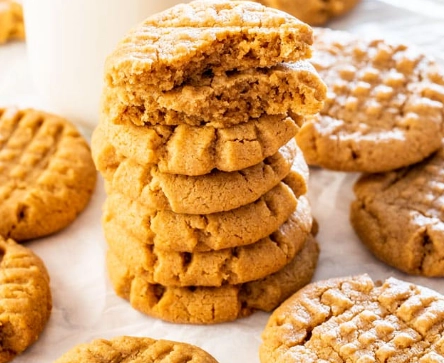
The Method: Whisk the dry stuff together. In another bowl, cream the butter and both sugars for a good 2-3 minutes until light. Beat in the peanut butter, then the egg, extra yolk, and vanilla. Gradually mix in the dry ingredients. Don't overmix! Chill the dough for at least an hour—this is non-negotiable for thickness. Roll into balls, place on parchment-lined sheets, smash with a fork in that classic criss-cross, and bake at 350°F (175°C) for 9-11 minutes. They'll look underdone, but let them cool on the sheet for 5 minutes before moving them.
See, that peanut butter cookie recipe isn't complicated. But every single choice in that list matters. Why brown sugar? Why an extra yolk? Why chill? We'll get to all of it.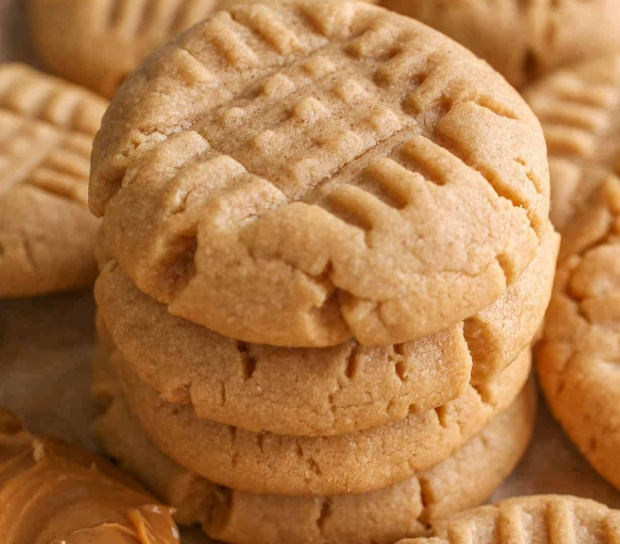
The Great Peanut Butter Debate: Choosing Your Weapon
This is the single biggest variable in your peanut butter cookie recipe. It's also where most people go wrong without realizing it.
You basically have three camps:
| Type of Peanut Butter | What's In It | Best For Cookies That Are... | Watch Out For... |
|---|---|---|---|
| Commercial "No-Stir" (like Jif, Skippy) | Peanuts, sugar, hydrogenated oils, salt. | Consistently chewy, classic flavor, holds shape. | Can be sweeter. Don't add extra salt. |
| "Natural" Stir-Preferred | Just peanuts (and maybe salt). Oil separates. | Denser, more rustic, intense peanut flavor. | YOU MUST STIR WELL. Dough can be oilier/greasier. |
| Powdered Peanut Butter (PB2 style) | Dehydrated, defatted peanuts. | Not a full substitute. Use to boost flavor in combo with regular PB. | Lacks fat/oil. Cookies will be dry if used alone. |
My take? For a reliable, classic peanut butter cookie recipe, start with a standard commercial creamy peanut butter. The texture is predictable. If you're a natural peanut butter purist, you can make it work, but your dough might need a touch more flour or less butter—you have to be ready to adjust by feel. Personally, I find the all-natural ones sometimes make a cookie that's a bit too gritty for my taste, but the flavor is unbeatable.
Beyond the Basics: Recipe Variations and Twists
Once you've mastered the base, the world is your oyster. Or, well, your peanut butter cookie.
The Famous 3-Ingredient Peanut Butter Cookie Recipe
Yes, it exists. It's vegan, gluten-free, and shockingly good for what it is: 1 cup peanut butter, 1 cup sugar, 1 egg. Mix, bake. They're crumbly, sweet, and pure peanut. Perfect for a desperate cookie fix. But let's be real—they're a different beast than the classic. They lack the buttery richness and complex chew. Great in a pinch, but not my everyday go-to.
Texture Explorations
- For a Softer, Cake-like Cookie: Use all brown sugar, add an extra 1/4 cup of flour, and use 1/2 teaspoon more baking powder.
- For a Crispy, Thin Cookie: Use all granulated sugar, melt your butter instead of softening it, and skip the chilling step. They'll spread like crazy and get lacy and crisp.
- For a Dense, Shortbread-like Cookie: Reduce the baking soda/powder by half, and use crunchy peanut butter for added texture.
Flavor Bomb Add-Ins
Stir these into the dough at the end:
- Chocolate chips (semi-sweet is classic, but peanut butter cups are next-level).
- Chopped salted peanuts (double down on the nuttiness).
- A teaspoon of instant espresso powder (doesn't make it taste like coffee, just deepens the flavor).
- A few dashes of cinnamon or a pinch of cayenne pepper for a warm kick.
The Science of Success: Why Techniques Matter
Baking is part art, part chemistry. Here’s what’s really happening in your mixing bowl, according to principles well-established by food science authorities. For foundational baking science, resources from institutions like King Arthur Baking's education section are incredibly valuable.
Chilling the Dough: I know, it's the hardest part. But this solidifies the butter. Solid butter melts slower in the oven, so the cookie has time to set before spreading into a puddle. It also allows the flour to hydrate, preventing a chalky texture. If you skip this, you'll get flat, greasy cookies. No way around it.
Troubleshooting Your Peanut Butter Cookie Recipe
Something went wrong? Let's diagnose it.
- Cookies are too flat and spread out: Dough wasn't chilled. Butter was too warm. Baking sheet was too warm when you put the dough on it. Possibly too much sugar or not enough flour.
- Cookies are too hard and dry: You overbaked them. Remember, they continue to cook on the hot sheet. Also, overmixing the dough develops gluten, leading to toughness. Measuring flour incorrectly (scooping it packs it down) is a major culprit.
- Cookies are too crumbly and fall apart: Not enough binding agent (egg). Could be you used a natural peanut butter that was too dry/oil wasn't incorporated. Possibly underbaked.
- No peanut butter flavor: You used a bland peanut butter! The quality of your main ingredient is paramount. Also, using salted butter with salted peanut butter can mute flavors.
Answering Your Burning Questions (FAQ)
These are the things people secretly Google after reading a recipe.
Can I use crunchy peanut butter instead of creamy?
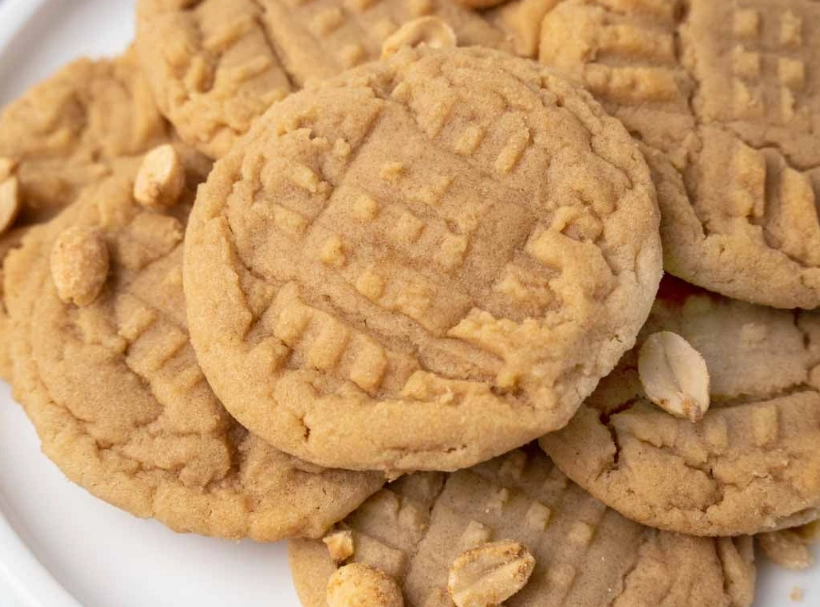
Absolutely. It'll give you a more textured cookie with little peanut bits. The final structure might be slightly more crumbly, but the flavor is fantastic. I often use half creamy, half crunchy for the best of both worlds.
Why do my peanut butter cookies always burn on the bottom?
Dark-colored baking sheets are the usual villain. They absorb more heat. Use light-colored, heavy-gauge aluminum sheets. Parchment paper or a silicone mat is a lifesaver—it creates a buffer. Also, check your oven temperature with a standalone thermometer. Ovens are often wrong.
How do I store them to keep them soft?
Let them cool completely first. Then, put them in an airtight container at room temperature. Tossing in a single slice of bread works miracles—the cookies draw moisture from the bread, staying soft for days. The bread turns to a rock, but your cookies are perfect.
Can I freeze the dough?
It's the best trick! Scoop the dough balls, freeze them solid on a tray, then toss into a freezer bag. Bake straight from frozen, adding 1-2 minutes to the bake time. Having ready-to-bake peanut butter cookie dough balls in your freezer is a form of self-care.
Is there a trick to getting the criss-cross pattern perfect?
Use the back of a fork. Press down firmly once, then press down again perpendicular to the first set of lines to create the grid. If the fork starts sticking, dip it in a small bowl of granulated sugar before each press.
Taking It Further: The Professional's Edge
Want to geek out a bit more? Here are some next-level considerations.
Flour Power: For an even more tender chew, try replacing 2-3 tablespoons of the all-purpose flour with cornstarch (a trick called a "cake flour hack").
Brown Butter: Take your butter a step further. Cook it in a saucepan until it turns nutty brown and smells amazing. Let it solidify again before creaming. This adds a deep, toffee-like note that pairs insanely well with peanut butter. It complicates the recipe, but wow, is it worth it for a special occasion.
Toasted Sugar: Spread granulated sugar on a baking sheet and toast it in a low oven (300°F) until it's lightly caramel-colored. It adds a subtle, complex caramel flavor. This is a project, but it elevates everything you bake.
Baking is a journey. Your first batch following this peanut butter cookie recipe might be good. Your fifth batch will be great. And by the tenth, you'll be tweaking it to match your own personal perfect cookie vision. You'll know exactly how long to chill the dough for your preferred thickness, whether you like a hint more salt, or if you're team chocolate chip all the way.
The goal isn't just to follow instructions. It's to understand them. So you can make a peanut butter cookie that's unmistakably, uniquely yours. Now, go preheat that oven. Your perfect cookie is waiting.
Reader Comments