Your Baking Companion
- A Little Bit of History: How Did This Love Affair Start?
- The Undisputed Champion: The Classic Peanut Butter Cookie Recipe
- Beyond the Classic: The Peanut Butter Cookie Universe
- The Science of the Bite: Choosing Your Peanut Butter
- Health, Nutrition, and Allergies: Let's Talk Real Talk
- Fixing Common Peanut Butter Cookie Disasters
- Storing, Freezing, and Gifting Your Masterpieces
- Answers to Your Burning Questions (FAQ)
- Wrapping It Up: Your Journey with Cookies and Peanut Butter
Let's be honest, is there anything more comforting than the smell of freshly baked cookies wafting through the kitchen? Now, add the rich, salty-sweet aroma of roasting peanuts to that mix. That's the magic we're talking about. Cookies and peanut butter aren't just food; they're a feeling. A memory. For me, it's tied to rainy afternoons at my grandma's house, where the reward for helping with the dishes was always a still-warm peanut butter cookie, its surface criss-crossed with fork marks.
But here's the thing. As much as we all love them, making the perfect peanut butter cookie can be surprisingly tricky. Too dry? They crumble to dust. Too much peanut butter? They might never set, leaving you with a delicious but puddle-like mess. I've been there. I've had batches that spread into one giant, thin cookie-sheet cake, and others that came out as hard as hockey pucks. It took me years of experimenting (and eating, let's be real) to figure out the balance.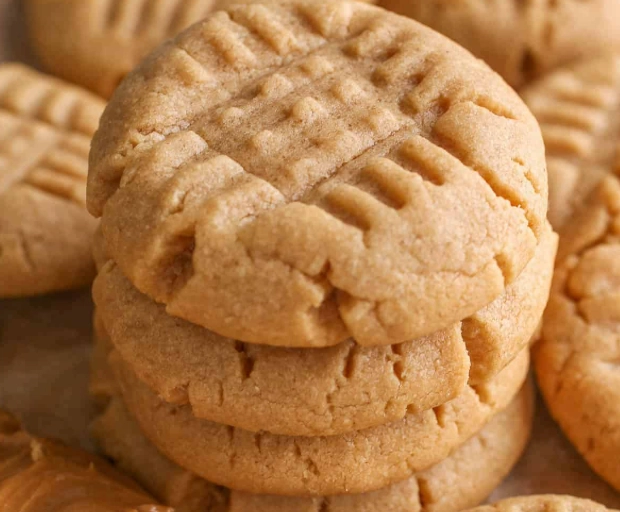
So, whether you're a baking newbie looking for a foolproof recipe, a seasoned pro wanting to perfect your technique, or just someone who wants to know why this combo is so darn good, you're in the right place. We're going deep on cookies and peanut butter.
A Little Bit of History: How Did This Love Affair Start?
It feels like cookies and peanut butter have been together forever, right? But their union is more of a 20th-century romance. Peanut butter itself became a staple in American pantries in the early 1900s, thanks in part to companies like Kellogg's. It was a cheap, shelf-stable source of protein.
Now, the first printed recipe for something explicitly called a "peanut butter cookie" is widely credited to a 1916 publication. But the real game-changer, the iconic fork-cross pattern we all know and love, has a couple of origin stories. One popular tale points to the 1930s, when Pillsbury, that baking giant, included a three-line fork-pressed recipe in one of their cookbooks. They claimed the fork marks helped the dense dough bake more evenly.
Another story suggests home bakers themselves started doing it to prevent the cookies from puffing up too much. Whatever the true origin, that simple fork press became the universal signature of a classic peanut butter cookie. It's fascinating how a practical baking tip became the defining visual trait. You can dig into some of this culinary history on resources like the Smithsonian Magazine website, which often features articles on the history of American food.
Funny how a simple kitchen tool left such a lasting mark.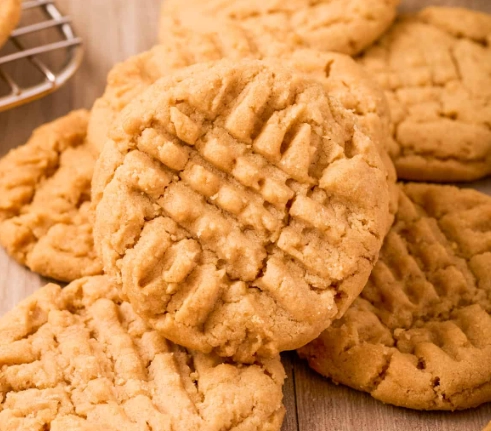
The Undisputed Champion: The Classic Peanut Butter Cookie Recipe
Alright, let's get to the good stuff. This is my go-to, never-fail recipe for classic peanut butter cookies. It's chewy in the middle, slightly crisp at the edges, and packed with flavor. I've tweaked it over a decade, and this is the gold standard version.
The "Why This Works" Foundation
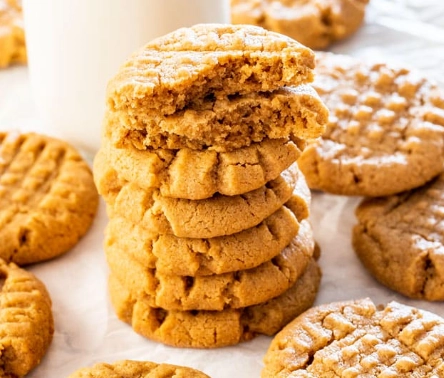
Before the ingredients, understand the roles. The peanut butter provides fat and flavor, but its oil can make cookies greasy if not balanced. Brown sugar adds moisture and chew. The fork press isn't just for looks—it genuinely creates more surface area for even browning and that perfect texture.
Ingredients You'll Need
- Unsalted butter (1/2 cup, softened): The base fat. Using unsalted lets you control the salt level. Don't melt it! Softened is key for creaming.
- Peanut butter (1 cup): This is the star. Use a standard, processed peanut butter like Jif or Skippy for consistent results. The natural, oil-separating kind can throw off the fat balance. We'll talk about that later.
- Granulated sugar (1/2 cup): For sweetness and spread.
- Packed brown sugar (1/2 cup): The molasses in it is the secret to chewiness and depth.
- 1 large egg + 1 yolk: The extra yolk adds richness and softness. Trust me on this.
- Vanilla extract (1 tsp): Enhances all the other flavors.
- All-purpose flour (1 1/2 cups): The structure. Spoon and level it into your measuring cup, don't scoop.
- Baking soda (3/4 tsp): Our leavening agent for a little lift.
- Salt (1/2 tsp): Crucial. It makes the peanut flavor pop and balances the sweetness.
See? No crazy ingredients. Just pantry staples.
The Step-by-Step Process (No Shortcuts!)
- Cream the fats and sugars: In a large bowl, beat the softened butter, peanut butter, granulated sugar, and brown sugar together for a good 2-3 minutes with an electric mixer. You want it light and fluffy. This step incorporates air, which is part of your leavening. Don't rush it.
- Add the wet ingredients: Beat in the egg, then the extra yolk, then the vanilla. Mix until just combined.
- Combine the dry team: In a separate bowl, whisk together the flour, baking soda, and salt. This ensures even distribution so you don't get a bitter bite of baking soda.
- Bring it together: Gradually add the dry ingredients to the wet mixture, mixing on low speed until the flour disappears. The dough will be thick and maybe a bit crumbly, but it should hold together when pinched.
- Chill (The Most Skipped, Most Important Step): Cover the bowl and refrigerate for at least 1 hour, preferably 2-3. This firms up the fats, preventing catastrophic spread in the oven. It also allows the flour to hydrate, leading to a better texture. Yes, you have to wait.
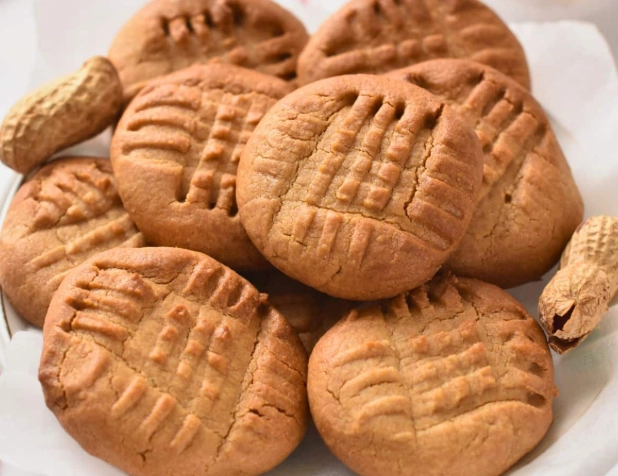
- Shape and Press: Preheat your oven to 350°F (175°C). Line baking sheets with parchment paper. Roll dough into 1-inch balls, place them about 2 inches apart. Now, take a fork, dip it in a little sugar (prevents sticking), and press down on each ball to flatten slightly. Press again perpendicularly to create the classic crosshatch.
- Bake: Bake for 9-11 minutes. They will look puffy and soft in the middle—that's perfect. They will set as they cool. Do not overbake! The edges should be just barely starting to turn golden.
- Cool: Let them cool on the baking sheet for 5 minutes before transferring to a wire rack. This is when they finish setting up.
Pro Tip from a Past Failure: I once baked a batch on a dark-colored baking sheet instead of a light one. They burned on the bottom in 8 minutes. Oven temperatures can be liars. If your cookies are browning too fast or too slow, invest in a simple oven thermometer. It's a game-changer.
The result? The ultimate peanut butter cookie. Crisp edges giving way to a dense, meltingly soft center that tastes purely of roasted peanuts. This is the benchmark against which all other cookies with peanut butter are measured.
Beyond the Classic: The Peanut Butter Cookie Universe
Once you've mastered the classic, the world of cookies and peanut butter opens up. It's a fantastically versatile pairing. Here are some legendary variations.
Peanut Butter Blossoms
You know the ones. A soft peanut butter cookie crowned with a Hershey's Kiss pressed into the center right after baking. They're a holiday staple for a reason. The warm cookie slightly melts the chocolate, creating a perfect bite. My personal tweak? Use the dark chocolate Kisses. The bitterness cuts through the sweetness beautifully.
Peanut Butter Chocolate Chip Cookies
Take your favorite chocolate chip cookie recipe and replace 1/4 to 1/3 of the butter with an equal amount of peanut butter. The cookies become richer, more complex, and have a wonderful sandy texture. I prefer using semi-sweet chocolate chips here, as milk chocolate can make it overly sweet.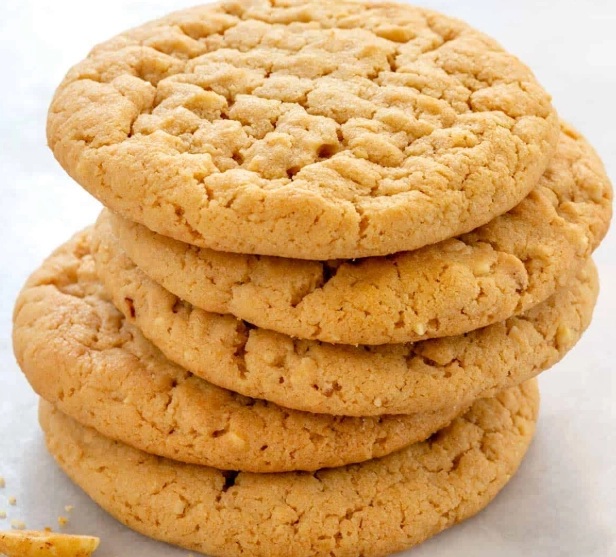
Flourless Peanut Butter Cookies
This is the miracle cookie for those avoiding gluten or just wanting something different. The classic formula is just 1 cup peanut butter, 1 cup sugar, and 1 egg. They bake into crisp, crumbly, intensely peanut-buttery cookies. They can be a bit one-note and dry, in my opinion, but adding a pinch of salt and a 1/2 tsp of baking soda helps them puff a bit. They're a great, quick option.
Stuffed Peanut Butter Cookies
This is next-level. Make two smaller disks of your classic dough, place a dollop of Nutella, a mini Reese's cup, or even a square of dark chocolate in the center of one, top with the other disk, seal the edges, and bake. You get a molten, surprise center. Messy to make, incredible to eat.
See what I mean? The basic peanut butter cookie dough is a blank canvas. You can add oats for texture, mix in chopped peanuts for crunch, or swirl in some jam before baking.
The Science of the Bite: Choosing Your Peanut Butter
This is where most recipes just say "use peanut butter" and move on. But your choice here makes or breaks your cookies and peanut butter creation. Let's break it down.
| Type of Peanut Butter | Best For | Watch Out For | My Personal Take |
|---|---|---|---|
| Creamy (Processed, like Jif/Skippy) | Classic recipes, smooth texture, consistent results. The added sugars and stabilizers help with spread and structure. | Can be sweeter than you expect. Check the label for added sugar if that's a concern. | My default for baking. It's predictable and delivers the nostalgic flavor we all know. |
| Crunchy (Processed) | Adding texture within the cookie. Provides little bursts of peanut crunch. | The peanut pieces can sometimes burn. The dough may be slightly drier. | I love this in chocolate chip cookies or oatmeal cookies for extra texture. |
| Natural (Oil on top, stir required) | Health-conscious baking, a more intense roasted peanut flavor. | THE BIG ONE: The oil separation can cause greasy, flat, and overly spread cookies. You must stir it thoroughly and often chill the dough longer. | Finicky. When it works, it's amazing. When it doesn't, it's a puddle. I only use it if I'm specifically aiming for a "healthier" cookie and am willing to adjust the recipe (often reducing other fats). |
| Powdered Peanut Butter (like PB2) | Drastically reducing fat and calories while keeping flavor. Great for mixing into dry ingredients. | You MUST reconstitute it with water (or another liquid) according to package directions before using it as a direct substitute for regular peanut butter. Using it dry will suck all moisture from your dough. | Not a fan for classic cookies—the texture is always off. Better for blending into smoothies or protein balls where moisture is controlled differently. |
The U.S. Department of Agriculture's FoodData Central is a great resource if you want to compare the nutritional profiles of different peanut butter types. It's eye-opening.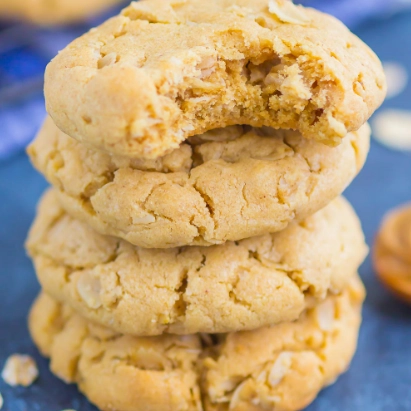
Heads Up: If you're using a natural peanut butter, your dough will likely be softer and oilier. Don't panic. Just chill it longer—sometimes overnight. The flour will absorb more of the moisture, and the fats will firm up. Patience is the key ingredient here.
Health, Nutrition, and Allergies: Let's Talk Real Talk
We're talking about cookies, so let's not pretend they're a health food. But cookies and peanut butter can be part of a balanced diet if you're mindful. A classic peanut butter cookie does bring some protein and healthy fats to the table from the peanuts, which is better than a cookie made with just butter and sugar.
But let's look at the elephant in the room: sugar and calories. A typical homemade peanut butter cookie can have 100-150 calories. The main sources are the butter, peanut butter, and sugars. If you're watching your intake, portion control is your best friend. Make smaller cookies (use a teaspoon to scoop).
Making Healthier Tweaks (That Actually Taste Good)
- Reduce Sugar: You can often reduce the total sugar in a recipe by 1/4 without a massive texture change. The peanut butter's flavor will shine more.
- Whole Wheat Flour: Substitute up to half of the all-purpose flour with whole wheat pastry flour. It adds fiber and a nutty taste that pairs well. Don't go 100%—the cookies can become dense.
- Applesauce or Mashed Banana: You can replace up to half of the butter with unsweetened applesauce or mashed ripe banana. This adds moisture and sweetness while cutting fat. The texture will be more cake-like.
- Boost Protein: Add a scoop of unflavored protein powder, but reduce the flour by a couple of tablespoons to compensate for the dryness.
None of these will create a "diet" cookie, but they can make a treat slightly more nutrient-dense.
The Allergy Question
Peanut allergies are serious and common. For a safe alternative, sun butter (made from sunflower seeds) is the closest in texture and flavor I've found. It bakes almost identically to processed peanut butter and gives you a similar cookie. You can find great sun butter cookie recipes on allergy-aware sites like Kids With Food Allergies. Almond butter or cashew butter also work, but they have distinct flavors and can be more expensive.
I once brought peanut butter cookies to a party without thinking. A friend's child had a severe allergy, and we had to be super careful about cross-contamination. It was a good reminder to always ask, "Any allergies?" before sharing homemade treats. Now, I often make a small batch with sun butter alongside the regular ones.
Fixing Common Peanut Butter Cookie Disasters
We've all had baking fails. Here's how to diagnose and fix the most common issues with cookies and peanut butter.
Problem: Flat, Greasy Puddles.
Likely Cause: Dough was too warm when it went in the oven (skipped chilling), or you used natural peanut butter without adjusting the recipe. The butter/peanut butter fat melted before the structure could set.
Fix for Next Time: Chill the dough thoroughly. If using natural PB, reduce any other added fat in the recipe by 1-2 tablespoons and add an extra 1-2 tablespoons of flour.
Problem: Dry, Crumbly, Hard Hockey Pucks.
Likely Cause: Too much flour (did you scoop directly from the bag?), overbaking, or not enough fat.
Fix for Next Time: Spoon and level your flour. Set a timer and take cookies out when they look just set, even if they seem soft. They firm up. Check your measurements for butter and peanut butter.
Problem: No Flavor.
Likely Cause: Not enough salt, or using a very bland peanut butter.
Fix for Next Time: Don't underestimate salt. It's a flavor enhancer, not just a salty taste. Use a pinch of flaky sea salt on top of the cookies before baking for a professional touch.
Problem: They Spread Into Each Other.
Likely Cause: Placing dough balls too close together on the sheet.
Fix for Next Time: Give them at least 2 inches of space. They need room for hot air to circulate.
Storing, Freezing, and Gifting Your Masterpieces
You've made perfect cookies and peanut butter delights. How do you keep them that way?
Storing at Room Temperature: Once completely cool, store in an airtight container at room temperature. A slice of bread in the container can help keep them soft by giving up its moisture to the cookies (swap the bread out every day or two). They'll last 4-5 days this way, but let's be honest, they'll be gone sooner.
Freezing Dough: This is my favorite trick. Scoop the dough balls, place them on a parchment-lined tray, and freeze solid. Then transfer the frozen balls to a zip-top freezer bag. You can bake them straight from frozen, just add 1-2 minutes to the bake time. Having frozen peanut butter cookie dough on hand is a superpower for unexpected guests or cravings.
Freezing Baked Cookies: Layer cooled cookies between sheets of parchment in an airtight container and freeze for up to 3 months. Thaw at room temperature.
Gifting: A tin or cellophane bag of homemade peanut butter cookies is a heartfelt gift. For a cute touch, tie them with a ribbon and include a small tag with reheating instructions (5-10 seconds in the microwave for a just-baked feel).
Answers to Your Burning Questions (FAQ)
I get asked these all the time. Here's the straight talk.
Wrapping It Up: Your Journey with Cookies and Peanut Butter
From its humble, fork-pressed beginnings to the endless variations we enjoy today, the combination of cookies and peanut butter is a testament to simple, satisfying food. It's about chemistry, patience (that chilling!), and personal taste.
Start with the classic. Master it. Get the feel of the dough, learn what "just set" looks like in your oven. Then, start playing. Add some chocolate, some oats, maybe a dash of cinnamon. Make a batch for your friends, your family, or just for yourself on a tough day.
Because sometimes, the best solution is waiting in the kitchen, smelling of peanuts and brown sugar.
Remember, the best cookie is the one you enjoy. Even the slightly burnt, oddly shaped ones from your first batch have their charm. So preheat that oven, grab your peanut butter, and get baking. The perfect cookie is out there, and now you have all the tools to find it.
Reader Comments