Your Quick Fudge Guide
- Why Marshmallow Cream is the Secret Weapon
- Choosing Your Champions: An Ingredient Deep Dive
- The Foolproof, Step-by-Step Recipe
- Why Did My Fudge Fail? A Troubleshooting Table
- Beyond the Basic: Killer Variations & Add-Ins
- Storing & Gifting Your Homemade Fudge
- Your Peanut Butter Fudge Questions, Answered
- Wrapping It Up: Your Path to Fudge Mastery
Let's be honest. We've all been there. You find a recipe for peanut butter fudge with marshmallow cream online, your mouth starts watering just thinking about that creamy, sweet, salty, melt-in-your-mouth texture. You gather your ingredients, you follow the steps... and you end up with a grainy, crumbly mess that's too hard or, worse, a sticky puddle that never sets. I've thrown away more than one batch myself, staring at the pan in disappointment. It's frustrating.
But what if I told you that perfect, smooth, dreamy peanut butter fudge with marshmallow cream is actually within reach? It's not magic, and you don't need to be a pastry chef. The secret lies in understanding the why behind the steps, not just blindly following a list.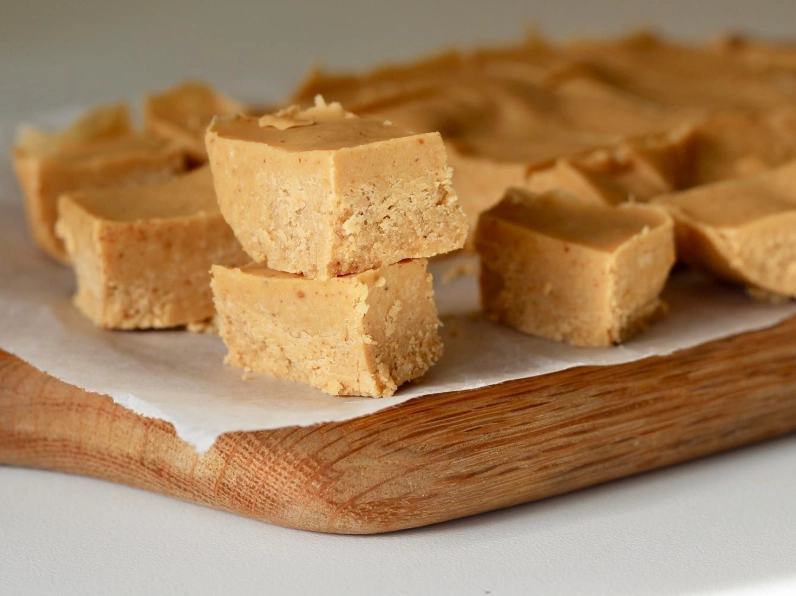
This isn't just another recipe. This is your complete, start-to-finish manual for mastering this classic American treat. We're going to dig into the science of sugar, the role of that fluffy marshmallow cream, how to choose your peanut butter (this one choice makes a HUGE difference), and all the little tricks that bridge the gap between a kitchen fail and a legendary dessert. Whether you're making it for a holiday potluck, a gift, or just a serious Tuesday night craving, this guide has you covered.
Why Marshmallow Cream is the Secret Weapon
You might wonder why so many classic recipes for peanut butter fudge with marshmallow cream call for this specific ingredient. It's not just for sweetness. Marshmallow cream (like the popular Marshmallow Fluff brand) is a game-changer for texture. Think about its structure – it's essentially sugar, corn syrup, and egg whites whipped with air until incredibly light and stable.
When you add it to your molten sugar and butter mixture, it does two critical things. First, it introduces tiny air bubbles that get trapped as the fudge sets, preventing it from becoming a dense, hard slab. Second, the corn syrup and egg whites interfere with sucrose molecules crystallizing too rapidly. Uncontrolled crystallization is what gives you grainy fudge. The marshmallow cream helps control that process, guiding the sugar to form micro-crystals that your tongue perceives as supremely smooth and creamy.
Some purists might turn their nose up at it, calling it a "cheat." I used to be one of them. I tried the traditional sugar-and-milk-only method, constantly watching a candy thermometer with the focus of a bomb technician. The marshmallow cream method is far more forgiving, especially for home cooks. It's the reliable path to that iconic, smooth texture we all love in a great peanut butter fudge with marshmallow cream.
Choosing Your Champions: An Ingredient Deep Dive
You can't build a great house with weak bricks, and you can't make great fudge with subpar ingredients. Every component here plays a role. Let's break them down.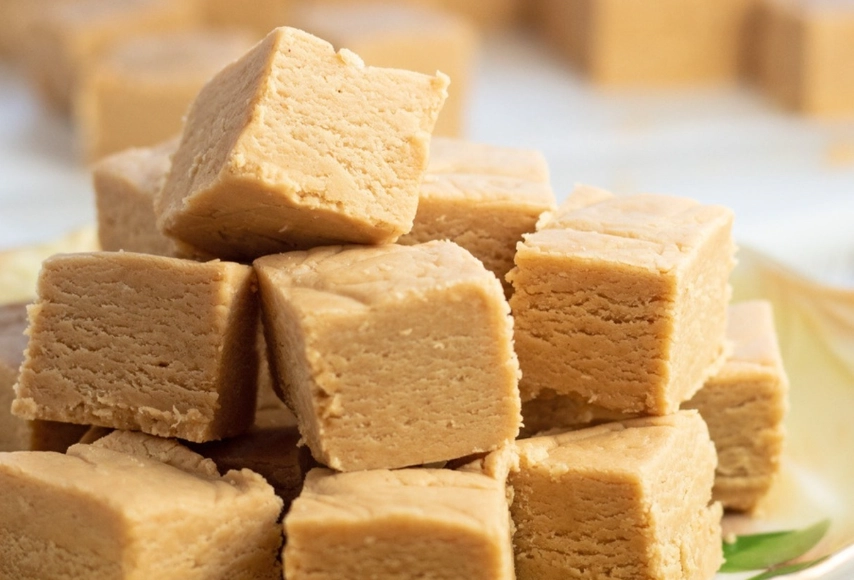
The Peanut Butter Showdown: Creamy vs. Natural
This is the single most important decision you'll make, and it's where many first attempts go wrong.
You need a commercial, stabilized creamy peanut butter. Brands like Jif, Skippy, or Peter Pan are perfect. They contain hydrogenated oils (like palm oil or fully hydrogenated vegetable oils) and emulsifiers that keep the fat and solids uniformly blended. This stability is crucial for creating a homogenous, smooth fudge. The sugar and salt content in these brands is also calibrated perfectly for confections.
Marshmallow Cream: The Fluff Factor
A standard 7-ounce jar is what most recipes call for. While off-brand marshmallow crème can work, I've found the texture of the name-brand Marshmallow Fluff to be consistently reliable. It's lighter and fluffier, which incorporates more easily. Make sure to measure it by lightly spooning it into the measuring cup and leveling it off—don't pack it down. You want that air.
Sugar & Butter: The Foundation
White granulated sugar is the standard. It provides the bulk and sweetness. The butter? Use real, unsalted butter. Margarine or spreads have different water and fat contents and can lead to texture issues. Unsalted butter lets you control the salt level, which is vital for balancing the intense sweetness and enhancing the peanut flavor.
Speaking of which, a pinch of fine sea salt added with the vanilla extract is a non-negotiable step for me. It makes the flavors pop.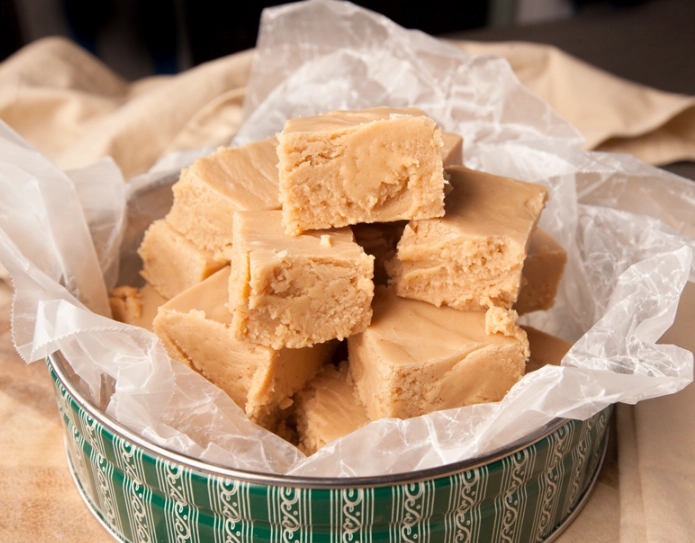
The Foolproof, Step-by-Step Recipe
Alright, let's get to it. This is my tried-and-true, never-failed-me-yet method for perfect peanut butter fudge with marshmallow cream. Read through all the steps first, and have everything measured and ready to go (this is called *mise en place*). Candy making doesn't wait for you.
Prep: 15 minutes
Cook: 10 minutes
Set: 2-4 hours
Ingredients You'll Need
- 2 cups (400g) granulated white sugar
- 1/2 cup (120ml) whole milk or evaporated milk (evaporated milk gives a richer result)
- 3/4 cup (170g) unsalted butter, cut into chunks
- 1 teaspoon pure vanilla extract
- 1/4 teaspoon fine sea salt
- 1 cup (250g) creamy, stabilized peanut butter (like Jif or Skippy)
- 1 jar (7 oz / 200g) marshmallow cream (like Marshmallow Fluff)
The Process, Explained
Step 1: The Boil. In a heavy-bottomed, medium-sized saucepan (a light pan will scorch your sugar), combine the sugar, milk, and butter. Place it over medium heat. Stir constantly with a wooden spoon or heatproof spatula until the butter melts and the sugar dissolves. This is crucial—undissolved sugar crystals can seed graininess later.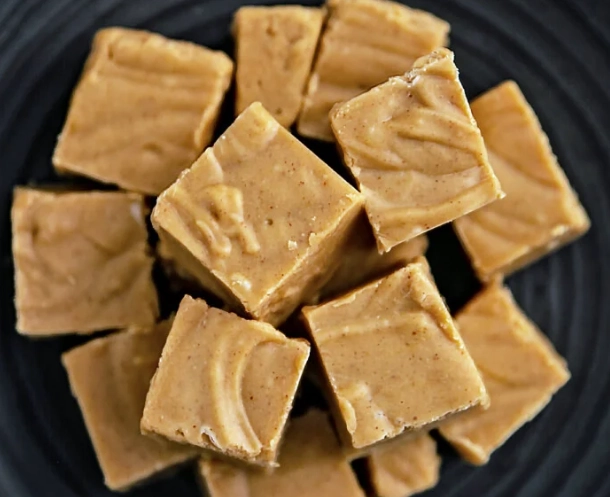
Once it comes to a full, rolling boil, stop stirring. Let it boil undisturbed for exactly 5 minutes. You can set a timer. You'll see big, foamy bubbles. Don't walk away. The mixture needs to reach the soft-ball stage (around 235°F / 113°C on a candy thermometer), but the 5-minute boil is a reliable visual cue if you don't have one.
Step 2: The Fluff & Peanut Butter Party. While the sugar is boiling, get your mixing bowl ready. In a large heatproof bowl (I use my stand mixer's bowl), combine the entire jar of marshmallow cream, the cup of peanut butter, the vanilla, and the salt. Don't mix it yet, just have it waiting.
When the timer goes off after the 5-minute boil, immediately remove the saucepan from the heat. Carefully pour the hot sugar syrup over the waiting ingredients in the bowl. The heat will start to melt everything together.
Step 3: Beat It. (But not too much!). This is the final, critical texture step. Using an electric mixer (handheld or stand mixer fitted with the paddle attachment), start beating the mixture on medium speed. You're aiming for everything to be completely combined, smooth, and for the fudge to just begin to lose its gloss and thicken slightly. This usually takes about 2-3 minutes.
Here's the trap: over-beating.
If you beat it for too long, you'll incorporate too much air and the fudge can become crumbly or porous. Stop as soon as it looks uniform and starts to hold its shape a bit when you lift the beater. The perfect peanut butter fudge with marshmallow cream should look like a thick, velvety, pourable lava.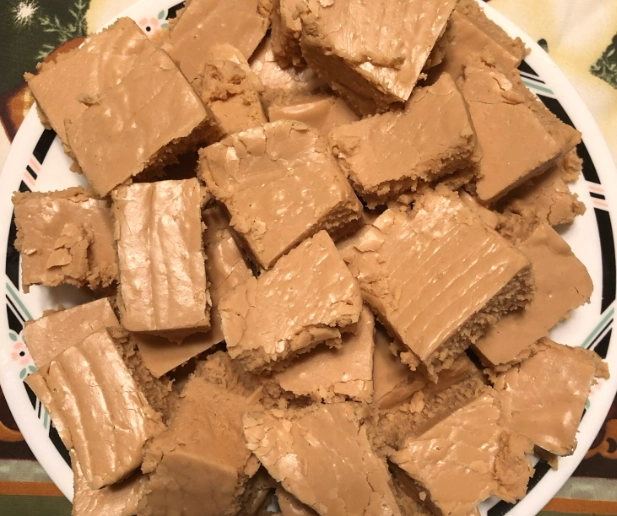
Step 4: Set & Slice. Quickly pour the fudge into a prepared 8x8 or 9x9 inch square pan that you've lined with parchment paper or lightly greased with butter. Spread it evenly into the corners with a spatula. Let it cool at room temperature for at least 2-4 hours until completely firm. Do not refrigerate it to speed up the process—this can cause condensation and make the top sticky or promote sugar crystallization.
Once set, lift it out using the parchment paper, place it on a cutting board, and slice into squares with a sharp knife. For clean cuts, you can run the knife under hot water and dry it between slices.
Why Did My Fudge Fail? A Troubleshooting Table
Even with a great recipe, things can go sideways. Let's diagnose common problems so you can fix them next time.
| Problem | Likely Cause | How to Fix It Next Time |
|---|---|---|
| Grainy or Sandy Texture | Sugar crystallized too early. Could be from stirring during the boil, sugar crystals on the pan's side, or not dissolving sugar fully at the start. | Wash down sugar crystals on the pan sides with a wet pastry brush during initial heating. Don't stir once boiling. Ensure sugar is fully dissolved before boiling begins. |
| Too Soft / Won't Set | Didn't reach the correct temperature (soft-ball stage). Undercooked. Or, used natural peanut butter with separating oils. | Use a candy thermometer to ensure you hit 235°F (113°C). Use only stabilized, commercial creamy peanut butter. |
| Too Hard or Crumbly | Overcooked the sugar mixture (past soft-ball stage). Or, over-beat the fudge after adding the hot syrup. | Watch the thermometer closely; remove at 235°F. Beat only until just combined and starting to thicken (2-3 min max). |
| Greasy or Oily | Almost always caused by using natural, non-stabilized peanut butter where the oil separates out. | Switch to a brand like Jif, Skippy, or Peter Pan (creamy variety). |
| Sticky Surface | High humidity in the air, or fudge was refrigerated while cooling, causing condensation. | Make fudge on a dry day if possible. Always cool at room temperature, never in the fridge. Store in an airtight container with parchment between layers. |
Beyond the Basic: Killer Variations & Add-Ins
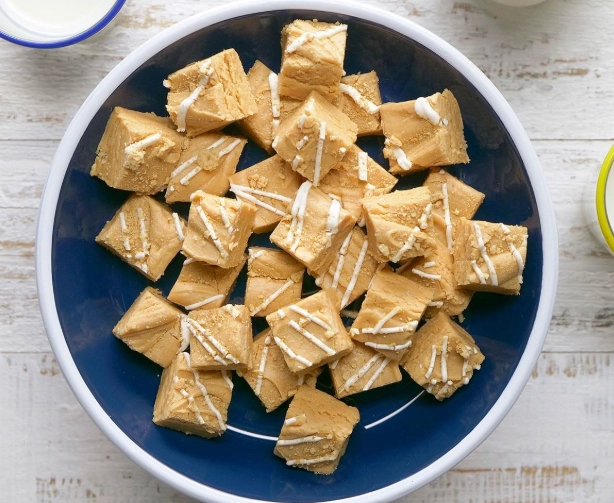
The classic peanut butter fudge with marshmallow cream is a masterpiece on its own. But sometimes you want to play. Here are some crowd-pleasing twists.
- Chocolate Swirl: Melt 1 cup of semi-sweet chocolate chips with 1 tablespoon of shortening. After pouring your fudge into the pan, dollop the melted chocolate on top and swirl it through with a knife for a marbled effect.
- Pretzel Crunch: Press 1 cup of crushed pretzel pieces into the top of the fudge right after pouring it into the pan. The sweet-salty combo is addictive.
- Cookie Dough Bits: Chop up 4-5 chocolate chip cookie dough cookies (the safe-to-eat raw kind, like Pillsbury refrigerated dough) and fold them in at the end of mixing for gooey pockets.
- Spicy Kick: Add 1/2 teaspoon of cayenne pepper or chipotle powder to the dry ingredients for a surprising and delicious warmth that cuts the sweetness.
- Bourbon Pecan: Add 2 tablespoons of good bourbon and 1 cup of toasted, chopped pecans along with the vanilla extract. The flavor is incredible for the holidays.
Storing & Gifting Your Homemade Fudge
Proper storage keeps your fudge tasting fresh and perfect for gifting.
Once completely cool and cut, layer the squares between sheets of parchment or wax paper in an airtight container. It will keep at room temperature in a cool, dark place for 1-2 weeks. It can also be frozen for up to 3 months. Thaw overnight in the refrigerator, then bring to room temperature before serving.
For gifting, small cardboard gift boxes or decorative tins lined with parchment paper look beautiful. A simple ribbon and a tag with the flavor name makes it extra special. This peanut butter fudge with marshmallow cream is always a hit—it feels nostalgic and lovingly homemade.
Your Peanut Butter Fudge Questions, Answered
Can I make this without a candy thermometer?
Yes, the 5-minute full boil method described in the recipe is a reliable alternative. However, a thermometer removes guesswork, especially on humid days or with different stove heats. For absolute consistency, I recommend investing in a simple digital one. It's a tool you'll use for other candies, jams, and even checking meat temperatures.
Can I use brown sugar instead of white sugar?
You can substitute up to half the white sugar with light brown sugar for a deeper, more caramel-like flavor with subtle molasses notes. Using all brown sugar will make the fudge darker, softer, and can overpower the peanut butter flavor. It also introduces more moisture, which might affect the set. I'd stick to a 50/50 blend for your first try.
Is evaporated milk better than regular milk?
It's my personal preference. Evaporated milk has less water and more concentrated milk proteins and sugars, which can lead to a richer, slightly more caramelized flavor and a creamier texture. It's also more stable at high temperatures. Regular whole milk works perfectly fine, but if you have a can of evaporated milk in the pantry, use it.
Why did my fudge develop a white film on top after a few days?
That's called "sugar bloom." It happens when sugar crystals migrate to the surface, often due to temperature fluctuations or high humidity. It's perfectly safe to eat and doesn't affect the flavor much, just the appearance. Storing in an airtight container at a steady, cool temperature helps prevent it.
Can I double this recipe?
Proceed with caution. Doubling can be tricky because a larger volume of sugar syrup takes longer to reach the correct temperature, which can throw off the timing and potentially lead to overcooking on the bottom before the top is ready. If you need a larger batch, it's safer to make two separate batches back-to-back. Use two pots if you have them.
Wrapping It Up: Your Path to Fudge Mastery
Making impeccable peanut butter fudge with marshmallow cream is a skill, not a mystery. It boils down to a few non-negotiable rules: use the right peanut butter, control your sugar crystallization with the marshmallow cream and proper cooking, and don't overwork it at the end.
The beauty of this recipe is its balance of simplicity and sublime results. It's approachable enough for a beginner but yields a treat sophisticated enough for any occasion. It's the kind of thing that makes people ask for the recipe.
So go grab that jar of peanut butter and that fluffy white stuff.
Clear off your counter, put on an apron, and give it a shot. Follow the steps, trust the process, and pay attention to the details we talked about. I'm confident you're going to end up with a pan of the creamiest, most peanut-buttery, melt-in-your-mouth fudge you've ever made. And honestly, that feeling of pulling it off? It's almost as sweet as the fudge itself.
Happy cooking, and enjoy every last bite of your homemade peanut butter fudge with marshmallow cream.
Reader Comments