Quick Guide
- What Even Is a Buckeye? (And Why Name a Candy After It?)
- The Anatomy of a Perfect Peanut Butter Buckeye
- The Step-by-Step, No-Stress Buckeye Recipe
- Why Do My Buckeyes Fail? Troubleshooting Common Disasters
- Leveling Up: Pro Tips & Creative Variations
- Storing, Gifting, and Food Safety
- Answering Your Buckeye Questions (FAQ)
- Final Thoughts: Why This Candy Endures
You know them, you love them. Those little domes of sweet peanut butter, barely covered in chocolate, leaving just a circle of tan showing at the top. The peanut butter buckeye. They show up on every holiday cookie tray in the Midwest, and for good reason. They're stupidly easy to make, require zero baking, and hit that perfect salty-sweet spot that's basically irresistible. But here's the thing – most recipes just give you the ingredients and steps. They don't tell you why things work. They don't warn you about the pitfalls (hello, cracked chocolate and grainy filling). And they rarely explore beyond the classic.
I've been making buckeyes for... let's just say decades. I've had triumphs and total disasters. I once made a batch so soft they melted into a puddle on the plate. Another time the chocolate was so thick it looked like the candies were wearing little chocolate helmets. Not the look you're going for.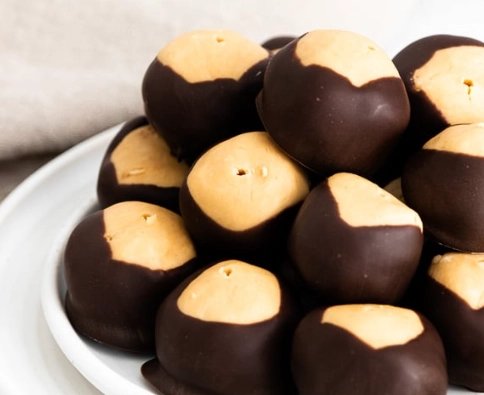
So this isn't just another recipe. This is the guide I wish I had when I started. We're going deep on the peanut butter buckeye. From its weird name origin to the food science behind getting that perfect texture, to wild variations you'd never think of. Let's get into it.
What Even Is a Buckeye? (And Why Name a Candy After It?)
First off, if you're not from Ohio or the surrounding states, the name might be a mystery. A buckeye is the nut of the Ohio buckeye tree (Aesculus glabra). It's dark brown with a single light tan patch, and it's poisonous if eaten raw. Cheerful, right? Why name a beloved candy after a toxic nut? Because the finished candy looks just like it. The chocolate coating mimics the dark shell, and the uncovered peanut butter circle is a dead ringer for the nut's light spot.
The candy itself is a proud Ohio invention, often credited to a homemaker or a local candy shop in the mid-20th century. It spread like wildfire because it's essentially foolproof. The recipe cemented itself as a holiday staple, a homemade gift favorite, and a guaranteed crowd-pleaser. There's even an officialOhio History Connection page that talks about the state's symbols, and while the buckeye candy isn't official, the nut's cultural weight is undeniable.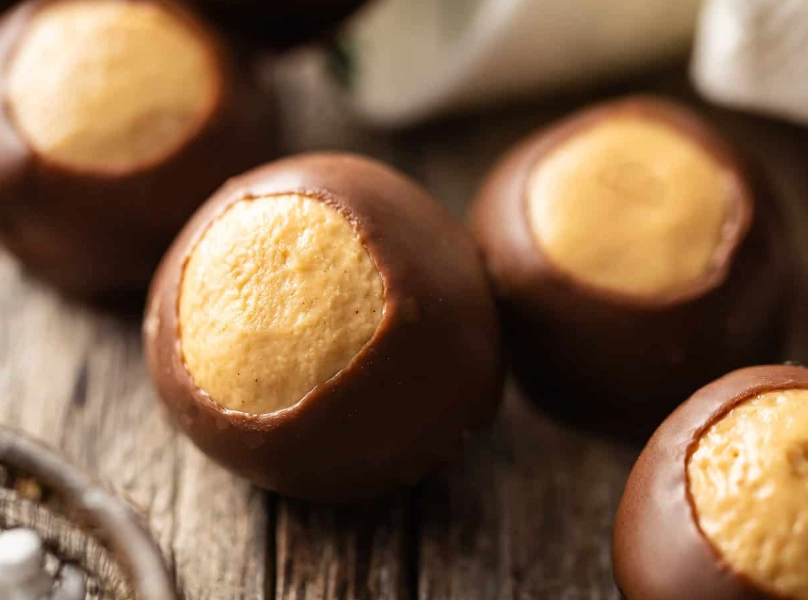
The Anatomy of a Perfect Peanut Butter Buckeye
Let's break down what makes this candy work. It's a simple formula, but each part plays a critical role.
The Core Formula
The Filling: Creamy peanut butter, butter, vanilla extract, and confectioners' sugar (also called powdered sugar or icing sugar).
The Coating: Semi-sweet or dark chocolate chips, sometimes with a bit of paraffin wax or coconut oil to thin it.
That's it. But the magic is in the ratios and technique.
Why these ingredients? Peanut butter provides the base flavor and fat. Butter (always unsalted, so you control the salt) adds richness and helps the mixture firm up when chilled. Vanilla rounds out the flavors. And the confectioners' sugar? It's not just for sweetness. Its fine texture and the cornstarch in it are what give the filling that smooth, melt-in-your-mouth quality that granulated sugar would ruin. Granulated sugar would make it gritty. Trust me, I tried it early on. Not good.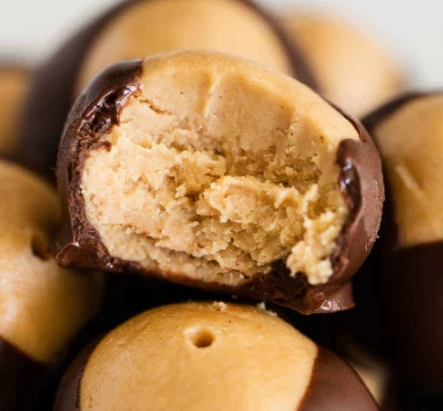
The chocolate coating needs to be thin enough to dip but set firm enough to hold. That's the tricky dance.
The Step-by-Step, No-Stress Buckeye Recipe
Okay, let's make a classic batch. This is my go-to, tested-to-death formula.
What You'll Need
- For the filling: 1.5 cups (about 400g) creamy peanut butter (not the natural, oily kind – see warning below), 1/2 cup (1 stick or 113g) unsalted butter, softened, 1 teaspoon vanilla extract, 4 cups (about 480g) confectioners' sugar, sifted, a pinch of salt (optional, if your peanut butter is unsalted).
- For the coating: 2 cups (about 340g) semi-sweet chocolate chips, 2 tablespoons of coconut oil OR 1/2 ounce of food-grade paraffin wax (like Gulf Wax), grated.
- Tools: A stand mixer or hand mixer, a medium bowl, a saucepan or double boiler, wax or parchment paper, baking sheets, toothpicks.
The Process, Made Painless
1. Make the filling. In your mixer bowl, beat the softened butter and peanut butter together until completely smooth and combined. This takes a minute or two. Beat in the vanilla and salt (if using). Now, gradually add the sifted confectioners' sugar. Start the mixer slow unless you want a sugar cloud in your kitchen. Once incorporated, beat on medium until the mixture is very smooth and comes together into a stiff dough. It should hold together if you pinch it.
2. Shape the balls. Line baking sheets with wax or parchment paper. Roll the dough into 1-inch balls. A small cookie scoop is a lifesaver here for uniformity. Place them on the sheets. Once all are rolled, stick a toothpick firmly into the top of each ball. This is your dipping handle. Pop the whole sheet into the freezer for at least 30 minutes. They need to be very firm. This prevents them from falling off the toothpick or melting when they hit the warm chocolate.
3. Melt the coating. While the balls chill, melt your chocolate and coconut oil (or wax) together. You can use a double boiler, or microwave in 30-second bursts, stirring vigorously between each. Be careful not to overheat the chocolate or it will seize (turn into a grainy lump). If using wax, it makes the coating shiny and gives a very firm snap. Coconut oil thins it well and is more natural, but the set might be slightly softer. Your choice.
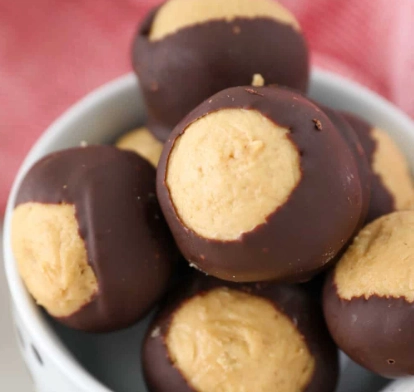
4. The Dip. Hold a frozen ball by the toothpick. Dip it into the melted chocolate, leaving the top quarter uncovered. Swirl it gently to coat evenly, let the excess drip off, then place it back on the parchment paper. Gently twist and remove the toothpick. The hole will mostly close up. If you're fussy, you can smooth it over with a finger. Repeat with all balls. If the chocolate gets too thick, re-warm it gently.
5. Set and Serve. Let the buckeyes sit at room temperature until the chocolate is fully set, or pop them in the fridge to speed it up. Store in an airtight container in the fridge for up to 2 weeks, or freeze for months.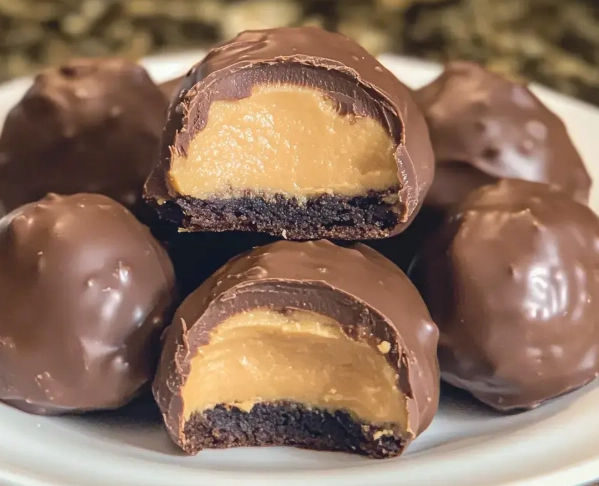
Why Do My Buckeyes Fail? Troubleshooting Common Disasters
Things go wrong. Let's fix them.
| Problem | Likely Cause | How to Fix It |
|---|---|---|
| Filling is too soft/oozy | 1. Used natural peanut butter. 2. Butter too soft/not enough sugar. 3. Didn't chill long enough. | Use stabilized PB. Ensure proper ratios. Freeze balls solid (45+ mins). |
| Filling is crumbly/dry | Too much confectioners' sugar. | Add a tablespoon of milk or more peanut butter until it comes together. |
| Chocolate coating is thick & lumpy | Chocolate seized or wasn't thin enough. | Always add a fat (oil, wax) to thin. If seized, try stirring in a tsp of vegetable oil. |
| Chocolate cracks after dipping | Filling balls were too cold, causing chocolate to contract too fast. | Let balls sit out for 2-3 minutes after freezer before dipping. |
| Toothpick hole is huge/messy | Twisted toothpick out instead of gently pulling straight out. | Use a gentle, straight pull. Smooth with fingertip. |
| Grayish "bloom" on chocolate | Temperature fluctuation. Fat or sugar bloom. Safe to eat, but ugly. | Store in cool, consistent temp. Temper chocolate for pro results. |
Leveling Up: Pro Tips & Creative Variations
Once you've mastered the classic peanut butter buckeye, the world is your oyster. Or your candy.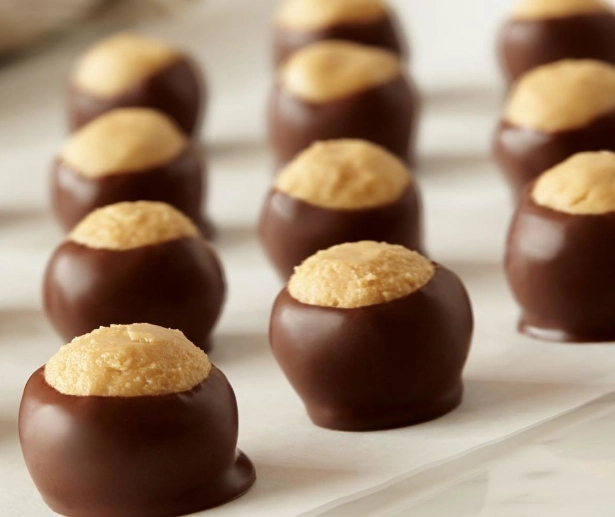
Beyond the Classic: Buckeye Variations
The Cookie Dough Buckeye: Add 1/4 cup of mini chocolate chips and 2 tablespoons of brown sugar to the filling. Tastes like safe-to-eat chocolate chip cookie dough.
The Salty Sweet: Use a salted nut butter (like a salted caramel peanut butter) or roll the finished balls in flaky sea salt after dipping.
The Nutty Twist: Substitute half the peanut butter with almond butter or Nutella. The flavor is incredible, though purists might scoff.
The Holiday Buckeye: Add 1/2 teaspoon of peppermint extract to the chocolate coating for a festive twist. Or roll the peanut butter balls in crushed peppermint candy before dipping.
The "Fancy" Coating: Use high-quality dark chocolate (60-70% cacao) for the dip. Or drizzle with white chocolate after the dark sets. It looks professional with zero extra effort.
I made a batch with cashew butter once. They were delicious, but honestly, they just made me miss the strong, familiar hit of peanut butter. Sometimes the classic is best for a reason.
Storing, Gifting, and Food Safety
You've made these perfect peanut butter buckeyes. Now what?
Storage: Always store them in the refrigerator in an airtight container. The butter and peanut butter mean they're perishable. They'll last 2 weeks chilled. You can also freeze them for 3-4 months. Layer them between parchment paper in a freezer container. Thaw in the fridge overnight.
Gifting: They make phenomenal gifts. Place them in a decorative box or tin, again with parchment between layers. A little tag with storage instructions is a nice touch. I've found people are genuinely thrilled to get homemade buckeyes – it feels more personal than a store-bought box of chocolates.
Food Safety: Because these contain dairy (butter) and are not baked, proper storage is crucial. The USDA recommends refrigerating foods containing butter or cream cheese for safety. If you're mailing them, use overnight shipping with a cold pack. Honestly, for mailing, I'd suggest cookies instead – less stress.
Answering Your Buckeye Questions (FAQ)
Final Thoughts: Why This Candy Endures
In a world of fancy, complicated desserts, the peanut butter buckeye holds its ground. It's humble. It's forgiving. It's made from pantry staples. It doesn't require a pastry degree. It's a project you can do with kids (they love rolling the balls). And the result is universally loved.
It's more than a recipe; it's a tradition. It's the taste of holidays, of care packages, of potlucks. Mastering it – really understanding how to get that smooth filling and perfect, thin chocolate shell – is a small but satisfying kitchen victory. So grab your peanut butter and confectioners' sugar. Your journey to buckeye bliss starts now. And don't be surprised if this becomes your most requested treat. Mine always is.
Now, if you'll excuse me, I have a batch in the freezer that's ready for its chocolate bath. The only hard part is waiting for them to set before eating.
Reader Comments