Quick Navigation
- Why This Recipe Works (And Others Don't)
- The Ultimate, No-Fail Peanut Butter Cookie Recipe
- Peanut Butter Cookie Showdown: Recipe Variations Compared
- Your Peanut Butter Cookie Problems, Solved
- Pro Baker Secrets They Don't Usually Tell You
- The Essential Tools You Actually Need
- Beyond the Basic: Fun Twists & Add-Ins
- Storing & Freezing: Keeping Them Fresh
Let's be real for a second. A lot of recipes out there for peanut butter cookies are... fine. They're edible. They're sweet. But they often lack that deep, roasty peanut flavor you're craving, or they come out dry as dust, or they spread into one giant cookie blob on your baking sheet. I've been there. I've made those cookies. And I've decided we deserve better.
So, after more batches than I care to admit (some glorious, some destined for the compost), I've nailed down what I think is the best way to learn how to make peanut butter cookies. This isn't just about following steps; it's about understanding the why behind them. Why that specific type of peanut butter? Why chill the dough? Why does my baking soda matter? We're going deep.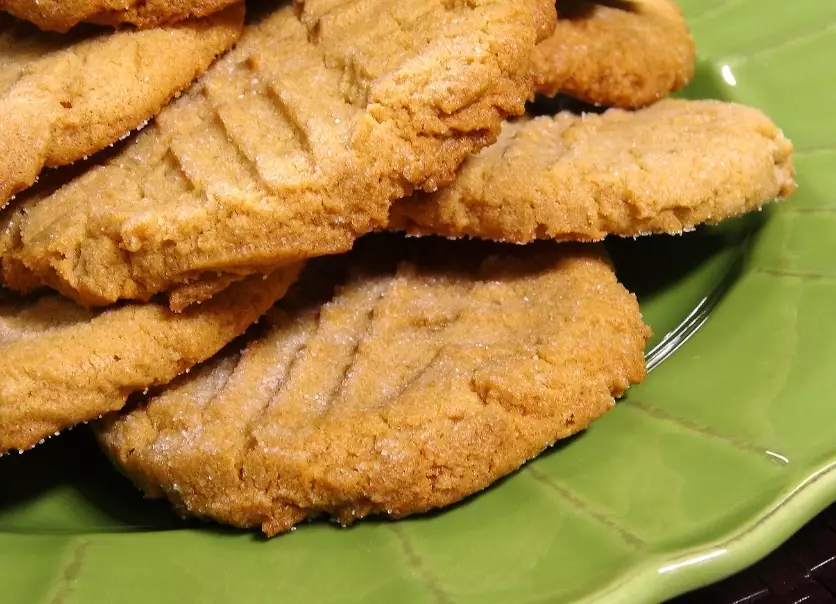
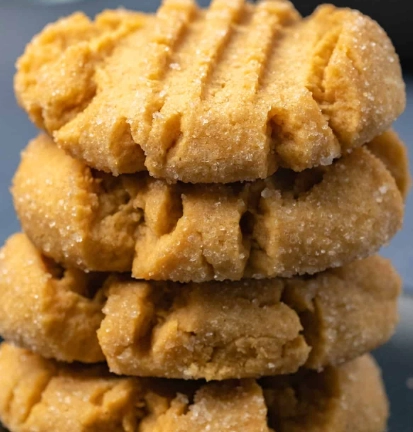
The Core Idea: A perfect peanut butter cookie should have a crisp edge, a soft and slightly chewy center, a distinct criss-cross pattern, and a flavor that screams "peanut" without being cloyingly sweet. It should be simple enough for a beginner but nuanced enough to impress a seasoned baker.
Why This Recipe Works (And Others Don't)
Before we even get to the ingredients, let's talk philosophy. Most failed cookies fail at the ingredient or technique level. You can't just throw things together and hope. Baking is friendly chemistry.
The biggest mistake people make when trying to figure out how to make peanut butter cookies is using the wrong peanut butter. That natural, oil-separating kind you get at health food stores? It's delicious on toast, but it can be a nightmare for cookie dough consistency. On the flip side, the super-processed, sugary stuff can make your cookies too sweet and prevent them from spreading properly. We need a middle ground.
Another silent killer: over-mixing. Once you add the flour, you're developing gluten. More mixing = tougher cookies. We want tender.
This recipe is built to avoid those pitfalls.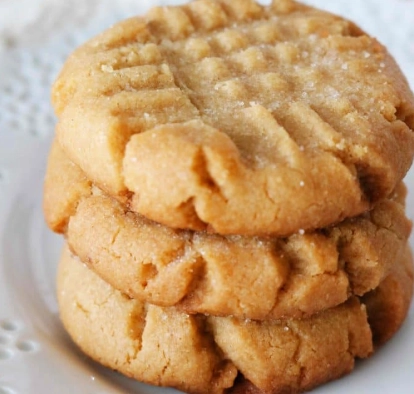
The Ultimate, No-Fail Peanut Butter Cookie Recipe
This is my go-to, my baseline, the recipe I give to friends who claim they can't bake. It's forgiving and flavorful.
Yield: About 24-30 cookies | Prep Time: 15 mins | Chill Time: 1 hour (non-negotiable, trust me) | Bake Time: 10-12 mins per batch
Ingredients You'll Need
Gather these. No substitutions for the starred items if you want the first batch to be perfect.
- 1 cup (2 sticks / 225g) unsalted butter, softened to room temperature. Not melted! Softened means you can press a finger into it and leave an indent. This is crucial for creaming.
- 1 cup (200g) granulated sugar + 1 cup (220g) packed light brown sugar. The white sugar helps with spread and crispness; the brown sugar adds moisture, chew, and that caramel-like depth. Don't skip the brown sugar.
- 2 large eggs, at room temperature. Cold eggs will re-solidify your creamed butter and ruin the texture.
- 1 teaspoon pure vanilla extract. The real stuff. It rounds out the flavors.
- 1 cup (250g) creamy peanut butter*. This is the star. Use a standard commercial brand like Jif or Skippy. They're stabilized, have a consistent fat content, and the right amount of salt and sugar for baking. “No-stir” natural peanut butter can work in a pinch, but results vary.
- 3 cups (375g) all-purpose flour. Spoon and level it into your measuring cup. Don't scoop directly from the bag—you'll pack in too much flour and get dry cookies.
- 1 teaspoon baking powder + 1 teaspoon baking soda. They work together. Baking soda helps with browning and spread, baking powder gives lift.
- ½ teaspoon salt. If you use salted butter, reduce this to a pinch. Salt makes the peanut flavor pop.
Ingredient Temperature is Key: I can't stress this enough. Room temperature butter and eggs emulsify with the sugar to create a light, airy base for your cookies. If your butter is melted or your eggs are cold, you'll get greasy, flat cookies. Plan ahead!
Step-by-Step: How to Make Peanut Butter Cookies
Here’s where the magic happens. Follow these steps closely, especially the chilling part.
Step 1: Cream the Butter & Sugars. In a large bowl, beat the softened butter, granulated sugar, and brown sugar together with a hand mixer or stand mixer fitted with the paddle attachment. Beat on medium-high speed for a full 2-3 minutes until the mixture is very light, fluffy, and pale in color. This step incorporates air, which is your leavening agent. Don't rush it.
Step 2: Add Wet Ingredients. Beat in the eggs, one at a time, making sure each is fully incorporated before adding the next. Scrape down the sides of the bowl. Then beat in the vanilla extract and the peanut butter until the mixture is smooth and uniform.
At this point, it should smell amazing. This is a good time to preheat your oven to 350°F (175°C). Use an oven thermometer! Most home ovens are off by 10-25 degrees, which can ruin your bake.
Step 3: Combine Dry Ingredients. In a separate bowl, whisk together the flour, baking powder, baking soda, and salt. This ensures the leavening agents are evenly distributed, so you don't get random bitter spots or uneven rise.
Step 4: Bring It All Together. With the mixer on low speed, gradually add the dry ingredients to the wet ingredients. Mix just until the flour disappears. The dough will be thick. You might need to finish mixing with a spatula. Over-mixing is the enemy of tenderness.
Step 5: The Crucial Chill. Cover the dough tightly and refrigerate for at least 1 hour, or up to 3 days. I know, waiting is hard. But this step solidifies the fat, which prevents the cookies from spreading into sad puddles in the oven. It also allows the flour to hydrate, leading to a better texture and more concentrated flavor. This is the single most important tip for learning how to make peanut butter cookies that hold their shape.
Seriously, chill the dough.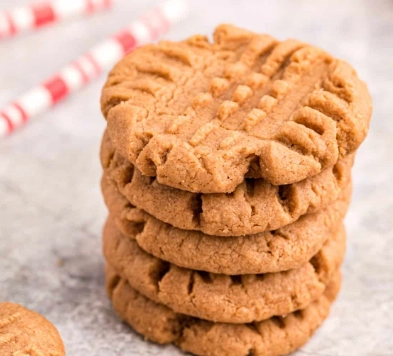
Step 6: Shape & The Classic Fork Mark. Once chilled, scoop dough using a tablespoon or a small cookie scoop (about 1.5 tablespoons of dough per cookie). Roll into balls. Place them on parchment-lined baking sheets about 2 inches apart. Now, take a fork, dip the tines in a little extra sugar (prevents sticking), and press down on each ball to flatten slightly, creating the classic criss-cross pattern. Press once, then rotate the fork 90 degrees and press again.
Step 7: Bake to Perfection. Bake for 10-12 minutes. The cookies are done when the edges are set and lightly golden. The centers will look soft and puffy—they will settle as they cool. Do not overbake! They continue to cook on the hot baking sheet.
Step 8: Cool & Devour. Let the cookies cool on the baking sheet for 5 minutes before transferring them to a wire rack to cool completely. This allows them to set. Or, you know, eat a few warm. I won't judge.
Peanut Butter Cookie Showdown: Recipe Variations Compared
Not all peanut butter cookies are created equal. Depending on your goal—chewy, crispy, gluten-free, extra peanutty—you'll tweak the formula. Here’s a quick guide to help you choose your path.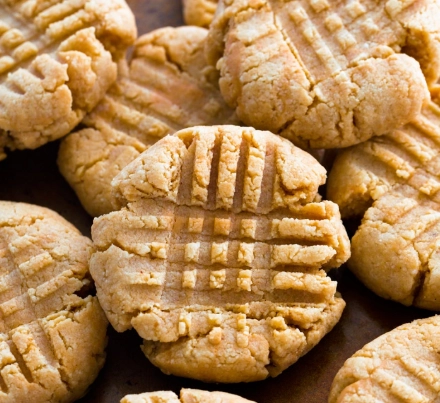
| Recipe Type | Key Characteristic | Best For | Main Ingredient Twist |
|---|---|---|---|
| Classic Chewy (Our Recipe) | Soft center, crisp edge, balanced flavor | All-purpose, crowd-pleasing cookies | Mix of granulated & brown sugar, commercial PB |
| Flourless / Gluten-Free | Dense, fudgy, intensely peanut-forward | Those avoiding gluten, or who love rich texture | Only peanut butter, sugar, egg, no flour |
| Extra-Crispy | Thin, snappy, buttery crunch throughout | Dunking in milk or coffee | More granulated sugar, melted butter, longer bake |
| 3-Ingredient Miracle | Incredibly simple, grain-free, less sweet | Quick fixes, dietary restrictions | Just 1 cup PB, 1 cup sugar, 1 egg |
| Brown Butter & Sea Salt | Sophisticated, nutty depth, sweet & salty | Impressing guests, next-level flavor | Butter is browned first, topped with flaky salt |
I personally think the flourless ones can be a bit one-note and sometimes too greasy, but they're a great option if you need to avoid gluten. The 3-ingredient version is a fun science experiment, but it often lacks the complex texture of a full-recipe cookie.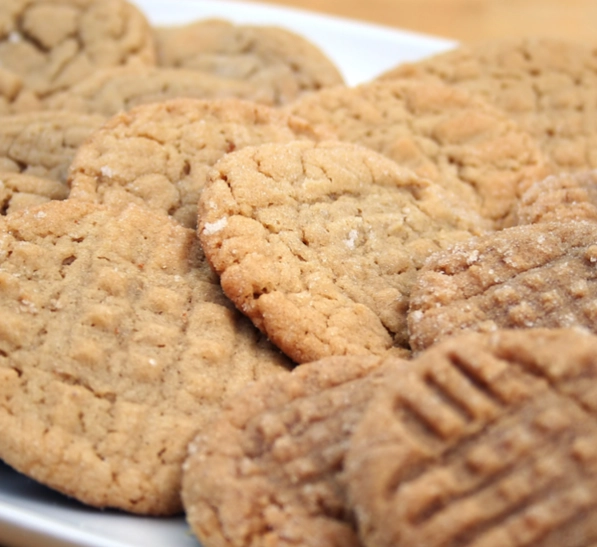
Your Peanut Butter Cookie Problems, Solved
Here are the answers to the questions I get asked most, or the ones you're probably searching for after a batch goes wrong.
Pro Baker Secrets They Don't Usually Tell You
These little tweaks can take your cookies from good to "where did you buy these?"
- Toast Your Sugar. Spread your granulated sugar on a baking sheet and toast it in a 350°F oven for 5-7 minutes, stirring once, until fragrant. Let it cool before using. It adds an incredible caramelized depth. Sounds fancy, takes minutes.
- Add a Pinch of Instant Coffee. Not enough to taste coffee, but enough to enhance the roasted, nutty flavor of the peanuts. About ½ teaspoon dissolved in the vanilla works wonders.
- Finish with Flaky Salt. As soon as the cookies come out of the oven, sprinkle a tiny pinch of flaky sea salt (like Maldon) on top. It cuts the sweetness and makes every flavor brighter.
- Weigh Your Ingredients. This is the biggest secret of all. A kitchen scale is cheap and eliminates all measuring guesswork. 375 grams of flour is always 375 grams. My recipe above includes weights for a reason.
I resisted weighing for years, thinking it was fussy. Now I'll never go back. The consistency is unreal.
The Essential Tools You Actually Need
You don't need a kitchen full of gadgets, but a few key items make the process of learning how to make peanut butter cookies much smoother.
- Parchment Paper or Silicone Baking Mats: Non-negotiable. They prevent sticking and ensure even browning without extra grease.
- Light-Colored Aluminum Baking Sheets: Dark sheets absorb more heat and can cause the bottoms to burn before the centers are done.
- A Cookie Scoop (or Tablespoon): For uniform size, which means even baking. No more giant cookies next to tiny ones.
- Wire Cooling Rack: Lets air circulate so the bottoms don't get soggy.
- Oven Thermometer: I mentioned it before. It's the most important $6 you'll spend on baking.
Beyond the Basic: Fun Twists & Add-Ins
Once you've mastered the classic, the world is your oyster. Or your peanut butter cookie.
Try folding in 1 cup of any of these after you've mixed the dough:
- Chocolate Chips or Chunks: The classic. Semi-sweet balances the sweetness perfectly.
- Chopped Reese's Peanut Butter Cups: For the ultimate peanut butter lover. Chop them frozen so they don't turn to mush.
- Crispy Bacon Bits: Hear me out. Sweet, salty, smoky, peanutty. It's a revelation.
- Chopped Pretzels: Adds a fantastic salty crunch and visual interest.
- A Swirl of Jam: Press a small indent into the dough ball before baking and fill with a dollop of raspberry or strawberry jam.
The process for how to make peanut butter cookies with add-ins is exactly the same, just with a gentle fold at the end.
Storing & Freezing: Keeping Them Fresh
Baked cookies store beautifully in an airtight container at room temperature for up to 5 days. To keep them soft, add a piece of bread to the container—the cookies will draw moisture from the bread. It works like magic.
For longer storage, freeze the baked cookies in a single layer, then bag them. They'll keep for 3 months. Thaw at room temperature or pop a frozen one in the microwave for 10 seconds.
Final Thought: Learning how to make peanut butter cookies is a journey. Your first batch might not be perfect, and that's okay. Pay attention to the dough's texture, your oven's quirks, and the color of the baked edges. Trust your senses more than the timer. Before long, you'll be making cookies that don't just satisfy a sweet tooth, but create a specific, wonderful memory—the smell, the taste, the perfect crumb. That's the real goal. Now go preheat your oven.
Reader Comments