Quick Bites: Navigate This Guide
- What Exactly Is Peanut Butter Fudge, Anyway?
- The Two Titans: Choosing Your Peanut Butter Fudge Path
- The Ultimate Traditional Peanut Butter Fudge Recipe
- The Famous 3-Ingredient, No-Cook Peanut Butter Fudge
- Your Peanut Butter Fudge Problem-Solving Clinic
- Leveling Up: Flavor Twists & Add-Ins
- Storing, Gifting, and Serving Your Masterpiece
- Digging Deeper: Resources & The Science of Sweetness
Let's be honest. The thought of making candy from scratch can be a bit intimidating. Boiling sugar, mysterious soft-ball stages, the fear of ending up with a grainy mess... it's enough to make anyone reach for a store-bought box. But then there's peanut butter fudge. This isn't just any candy. It's the ultimate comfort dessert, a creamy, rich, and ridiculously satisfying square of joy that feels like a hug from the inside. And here's the secret they don't always tell you: making fantastic peanut butter fudge at home is way easier than you think. Seriously.
I remember my first attempt. It was a disaster. I rushed, guessed the temperature, and ended up with a pan of something closer to peanut butter taffy than fudge. It was chewy, stuck to your teeth, and frankly, a bit disappointing. That failure, though, sent me down a rabbit hole. I talked to old-school candy makers, tested more recipes than I care to admit, and learned the science behind the silky texture. Now, I want to save you from that same sticky fate.
This guide is everything I wish I'd known. We're going to strip away the mystery and break down peanut butter fudge into simple, foolproof steps. Whether you're a baking newbie or a seasoned pro looking for the ultimate version, you're in the right place. We'll cover the classic cooked fudge, the famous no-cook shortcut, how to fix every common problem, and even answer those weird little questions that pop up mid-recipe. Forget complicated. Let's make some incredible fudge.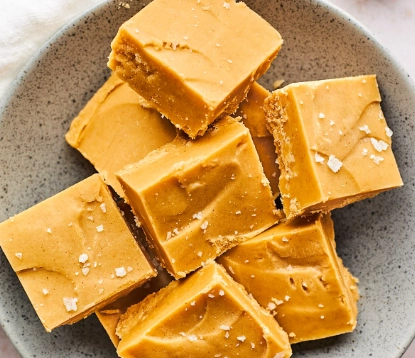
What Exactly Is Peanut Butter Fudge, Anyway?
At its heart, peanut butter fudge is a crystalline candy. That sounds fancy, but it just means the sugar molecules form tiny, fine crystals that give it that uniquely smooth yet firm melt-in-your-mouth texture, as opposed to the non-crystalline, chewy texture of something like a caramel. The peanut butter does double duty: it provides that deep, nutty, salty-sweet flavor we all crave, and its fat content helps interrupt sugar crystal formation, keeping those crystals small and the fudge tender.
Its beauty lies in its simplicity. The best recipes often have just a handful of ingredients: sugar, butter, milk or cream, and of course, peanut butter. Vanilla and a pinch of salt are the supporting actors that make everything pop. When these humble ingredients are combined with a bit of know-how, they transform into something magical. It's a staple at holiday cookie swaps, a beloved gift from the kitchen, and honestly, a perfect Tuesday night treat.
The Two Titans: Choosing Your Peanut Butter Fudge Path
Before you grab a saucepan, you've got a choice to make. There are two main roads to peanut butter fudge paradise, and each has its own personality and fan club. Understanding the difference is your first step to success.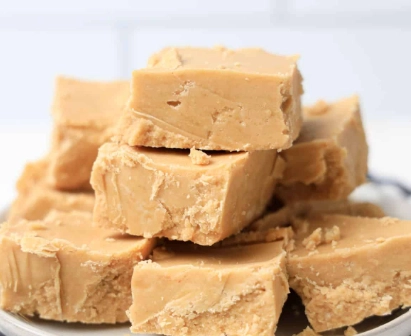
| Method | How It Works | Texture & Flavor | Best For | The Catch |
|---|---|---|---|---|
| Traditional Cooked Fudge | Sugar, butter, and milk are cooked to the "soft-ball stage" (234–240°F / 112–116°C), then beaten as it cools to create the signature creamy crystallization. | Classic, firm yet melt-in-your-mouth, rich cooked sugar flavor, superior shelf life. | Purists, gift-giving, those who love the process and the traditional candy texture. | Requires a candy thermometer and careful temperature control. More steps involved. |
| No-Cook / Shortcut Fudge | Butter and peanut butter are melted with sweetened condensed milk (or marshmallow fluff/icing sugar), then chilled to set. No boiling required. | Incredibly creamy, almost truffle-like, very sweet, strong peanut butter flavor front and center. | Beginners, last-minute desserts, kids in the kitchen, when you need a guaranteed-easy win. | Can be extremely sweet. Texture is softer and may not slice as neatly. Often uses processed ingredients. |
My personal stance? I lean towards the traditional method for special occasions. The flavor has more depth, and there's a real pride in nailing the technique. But I'd be lying if I said I haven't whipped up a batch of the no-cook version at 9 PM because a fudge craving hit. Both are legitimate paths to deliciousness.
The Ultimate Traditional Peanut Butter Fudge Recipe
This is my go-to, tested-to-death recipe. It's adapted from a combination of old community cookbook favorites and modern tips. It yields a fudge that's firm enough to pack but soft enough to melt on your tongue.
Classic Creamy Peanut Butter Fudge
Yields: About 64 one-inch squares
Prep: 15 minutes | Cook: 15 minutes | Setting: 2+ hours
Ingredients:
- 3 cups (600g) granulated white sugar
- ¾ cup (170g) unsalted butter, cut into pieces
- ⅔ cup (160ml) evaporated milk (NOT sweetened condensed milk – this is crucial!)
- 1 cup (250g) smooth, commercial peanut butter (like Jif or Skippy – see note below)
- 1 teaspoon pure vanilla extract
- ⅛ teaspoon fine sea salt (optional, but enhances flavor)
- 1 cup (120g) marshmallow fluff (or creme) – this is the modern secret weapon for smoothness
Essential Tools: Heavy-bottomed 3-quart saucepan, reliable candy thermometer, wooden spoon or heatproof spatula, 9x9 inch baking pan lined with parchment paper.
The Step-by-Step Process (Don't Skip Reading This!):
- Prep is Everything: Line your pan with parchment, leaving an overhang on two sides for easy removal. Have all your ingredients measured and ready to go (this is called "mise en place"). Once the cooking starts, you can't walk away.
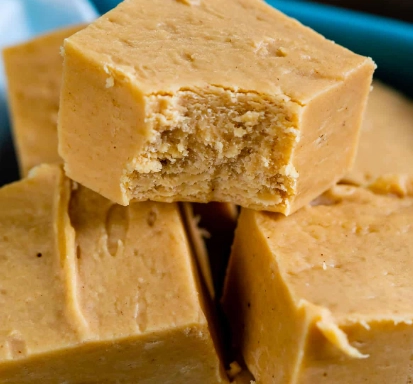
- The Boil: In the heavy saucepan, combine the sugar, butter, and evaporated milk. Stir constantly over medium heat until the butter melts and the sugar dissolves. Attach your candy thermometer to the side of the pan, making sure the tip isn't touching the bottom.
- The Critical Wait: Bring the mixture to a full, rolling boil, stirring occasionally. Now, stop stirring. Let it boil undisturbed until the thermometer reads 234°F (112°C), the "soft-ball stage." This can take 5-10 minutes. Don't guess. Use the thermometer. A few degrees can mean the difference between perfect and gritty fudge.
- Off the Heat, Action Time: The second it hits 234°F, remove the pan from the heat. Immediately add the peanut butter, vanilla, salt, and marshmallow fluff. DO NOT STIR YET. Let it sit for 5 minutes. This allows the mixture to cool slightly, which is key for proper crystallization when you beat it.
- The Beat: Now, using your wooden spoon, beat the mixture vigorously. I mean it – put some muscle into it. Beat until it thickens, loses its gloss, and just starts to hold its shape when you drop a bit from the spoon. This usually takes 3-5 minutes. You'll feel the resistance change. If you under-beat, it won't set. If you over-beat, it will be crumbly. Stop when it's thick and matte.
- Pan & Set: Quickly spread the thickened fudge into your prepared pan. It will be stiff. Use a small piece of parchment to press it evenly. Don't worry about a perfectly smooth top. Let it cool completely at room temperature for at least 2 hours before slicing with a sharp knife.
The Famous 3-Ingredient, No-Cook Peanut Butter Fudge
When you need peanut butter fudge in under 10 minutes of active time, this is your hero. It's the definition of a shortcut, and its popularity is undeniable.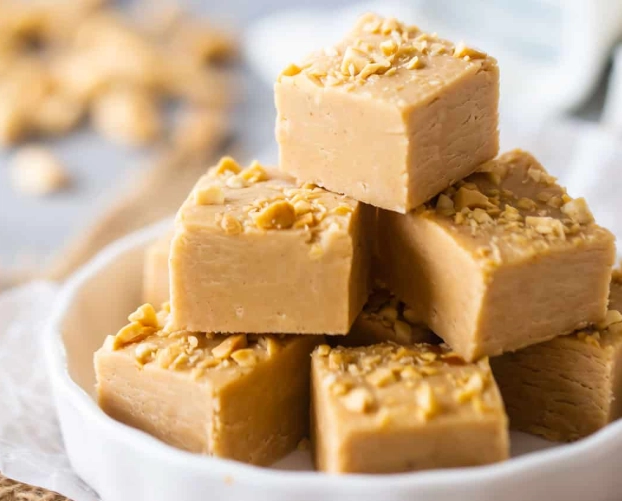
Foolproof Shortcut Peanut Butter Fudge
Yields: About 36 squares
Prep: 10 minutes | Setting: 1-2 hours
Ingredients:
- 1 (14 oz / 396g) can sweetened condensed milk
- 2 cups (500g) smooth peanut butter (any kind works here)
- 2 cups (240g) white chocolate chips (or vanilla-flavored candy melts)
- 1 tsp vanilla extract & pinch of salt (optional, but recommended)
Method: In a large microwave-safe bowl, combine the sweetened condensed milk, peanut butter, and white chocolate chips. Microwave in 30-second bursts, stirring well after each, until completely melted and smooth. Stir in vanilla and salt. Pour into a lined 8x8 inch pan and chill until firm.
It's almost too easy. The texture is ultra-creamy and rich. Some people find it cloyingly sweet, which is fair. To balance it, I always add that pinch of salt and sometimes even a handful of crushed pretzels on top for a salty crunch. It's a different beast than the traditional kind, but it absolutely has its place.
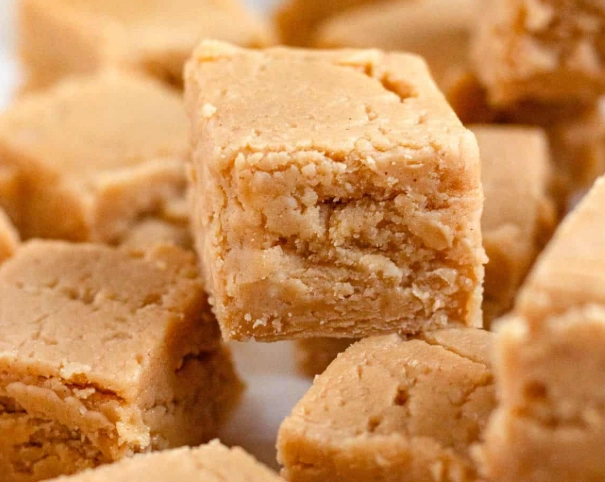
Your Peanut Butter Fudge Problem-Solving Clinic
Something went wrong? Don't toss it. Most fudge failures are salvageable, or at least edible. Let's diagnose.
This is the #1 issue. For cooked fudge, it almost always means you didn't cook it to a high enough temperature, or you didn't beat it long enough after cooking. The sugar syrup wasn't concentrated enough to form a solid structure. For no-cook fudge, it needs more chilling time. Pop it in the freezer for an hour. If it's still soup, you may have had an inaccurate measurement (too much peanut butter/butter, not enough chocolate chips or sugar). You can try re-melting it and adding more of the solidifying agent (like more chocolate chips).
Grittiness means large sugar crystals formed. This happens if you stirred during the boiling stage, or if sugar crystals splashed onto the side of the pan and fell back in. Always wash down the sides of the pan with a wet pastry brush at the start of boiling. For cooked fudge, it can also mean you overcooked it (temperature too high) or overbeat it after cooking. Crumbly fudge is often overbeaten. Sadly, this is harder to fix. You can sometimes chop it up and use it as an ice cream topping or mix-in.
The fat separated. This is common with natural peanut butter or if you used a "light" peanut butter. It can also happen if you heat the mixture too aggressively in the no-cook method. You can try blotting it off with a paper towel once it's partially set, or just mix it back in gently before it fully hardens. It'll still taste fine, just look a bit messy.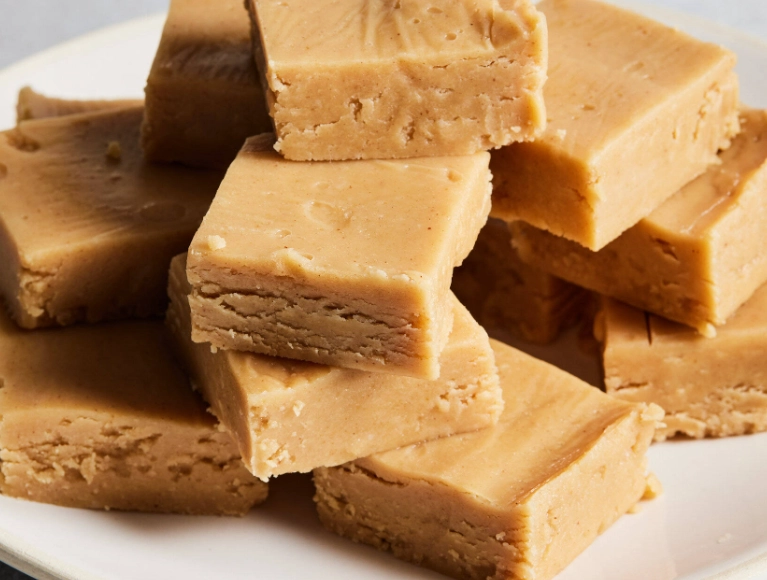
Absolutely! In fact, the traditional recipe above doesn't use it. Many people prefer it this way, as it's less cloyingly sweet and has a more complex flavor profile from the cooked sugar. If you're looking for a no-cook recipe without condensed milk, search for versions that use a combination of melted butter, peanut butter, and powdered sugar (though these can be very sweet too).
Leveling Up: Flavor Twists & Add-Ins
Once you've mastered the basic peanut butter fudge, the playground opens up. Here are some crowd-pleasing variations.
- Chocolate Swirl: After spreading your fudge in the pan, drizzle melted chocolate (semi-sweet or dark) over the top and drag a knife through to create swirls.
- Peanut Butter Cup: Press mini peanut butter cups into the top of the fudge before it sets.
- Salty-Sweet Crunch: Mix in or sprinkle on top: crushed pretzels, potato chips (trust me), roasted salted peanuts, or even crumbled cooked bacon.
- Rocky Road: Fold in mini marshmallows and chopped walnuts after beating.
- Spiced: Add a teaspoon of cinnamon or a pinch of cayenne pepper to the mixture for a warm kick.
My all-time favorite is a layer of simple peanut butter fudge topped with a layer of classic chocolate fudge. It's a bit more work, but the visual appeal and flavor combination are unbeatable.
Storing, Gifting, and Serving Your Masterpiece
Properly made traditional peanut butter fudge stores beautifully. Keep it in an airtight container at cool room temperature (a cake carrier is perfect) with sheets of parchment between layers. It will stay fresh and delicious for 1-2 weeks. For longer storage, you can freeze it for up to 3 months. Thaw in the container to prevent condensation.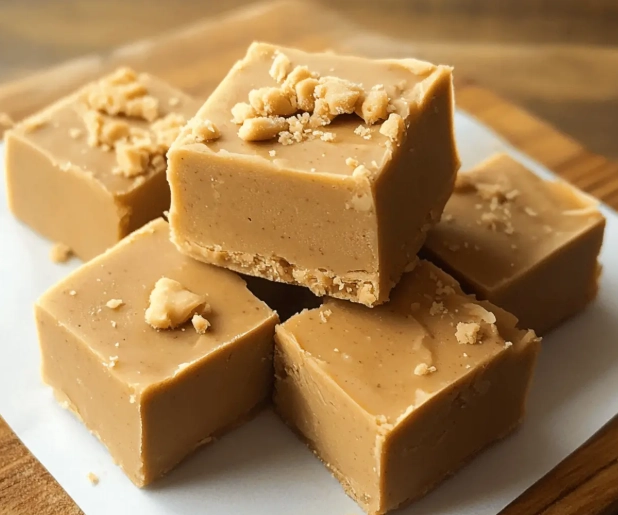
No-cook fudge is best kept in the fridge due to its softer texture and dairy content. Let it come to room temperature for 15 minutes before serving for the best flavor and texture.
For gifting, little wax paper bags or small cardboard boxes tied with twine look adorable. A small tag with the flavor and "best by" date is a thoughtful touch. It's a gift that always, always makes people smile.
Digging Deeper: Resources & The Science of Sweetness
If you've caught the candy-making bug, there's a whole world to explore. For the most reliable, scientifically-tested recipes and deep dives into the chemistry of sugar, the website Serious Eats is an incredible resource. Their food science section, led by experts like the late Shirley O. Corriher (whose book BakeWise is a bible), breaks down the "why" behind every step.
For authoritative information on food safety, especially when it comes to handling dairy and sugar at high temperatures, the USDA Food Safety and Inspection Service website is the gold standard. It's not glamorous, but it's essential knowledge for any home cook.
And if you're curious about the primary ingredient, the National Peanut Board has a wealth of information on peanut varieties, nutrition, and of course, a huge trove of recipes. Understanding your main ingredient only makes you a better cook.
Reader Comments