Quick Guide
- What Are Peanut Butter Balls, Really?
- The Foundational Recipe: Getting the Basics Right
- The Ingredient Deep Dive: Why Your Choice Matters
- Step-by-Step: The Process Demystified
- Flavor Variations: Beyond the Basic Ball
- Healthier Peanut Butter Balls: Can They Still Taste Good?
- Troubleshooting: Saving Your Batch from Disaster
- Storage & Freezing: Keeping Them Fresh
- Answering Your Peanut Butter Ball Questions
- Final Thoughts From My Kitchen
Let's be real. We've all been there. You find a picture of these perfect, round, delicious-looking peanut butter balls on Pinterest. You think, "how hard can it be?" You mix peanut butter, some sweetener, maybe some oats, and roll them into balls. Then you wait. And what do you get? A sticky, messy, sometimes oily puddle that never firms up. Or worse, a crumbly mess that falls apart if you look at it wrong. I've had more failed batches than I care to admit.
But here's the thing. When you get it right, there's almost no better snack. They're satisfying, portable, and hit that perfect sweet-and-salty spot. This guide is everything I wish I knew when I started. We're going deep, past the basic recipes, into the why behind the steps. We'll cover the classic no-bake peanut butter balls, sure, but also how to make them healthier, how to fix common disasters, and how to get creative with flavors. Consider this your peanut butter ball masterclass.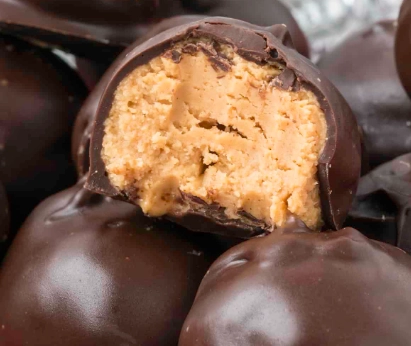
What Are Peanut Butter Balls, Really?
At their core, peanut butter balls are a simple no-bake confection. The most basic version is just peanut butter bound with a sweetener like powdered sugar or honey, then often rolled in something for coating. But the universe has expanded. Now you've got protein-packed energy bites, decadent chocolate-covered buckeyes, and healthy snack balls with dates and seeds. They go by many names: buckeye balls, energy bites, protein balls. But if it's a bite-sized sphere held together by peanut butter, it belongs in this family.
Why are they so popular? Well, they require zero baking skill. You don't need an oven. They're endlessly customizable. And they feel like a treat while sometimes pretending to be health food. A win-win.
The Foundational Recipe: Getting the Basics Right
Before we get fancy, you need a reliable base. This is the "classic" peanut butter ball recipe that works 99% of the time. It's not the healthiest (we'll get to that), but it's structurally sound and deliciously familiar.
The Classic No-Bake Peanut Butter Ball
What you'll need: 1 cup creamy peanut butter (not the natural, oily kind just yet), 1 ½ cups powdered sugar (also called icing sugar), 3-4 tablespoons softened butter (or coconut oil), 1 teaspoon vanilla extract, and a pinch of salt if your peanut butter isn't salted.
The method: Beat the butter until smooth. Beat in the peanut butter. Gradually add the powdered sugar. It will seem dry. Keep going. Add the vanilla. Mix until it comes together into a pliable dough. Roll into 1-inch balls. At this point, you can eat them, or roll them in more powdered sugar, cocoa powder, or crushed graham crackers. For the iconic look, stick a toothpick in each, freeze for 30 minutes, then dip ¾ of the way into melted chocolate to make Buckeyes. Let the chocolate set. Devour.
The powdered sugar is the secret weapon here. The cornstarch in it absorbs oil and moisture, giving you a firm, rollable texture. This is the most forgiving recipe for beginners.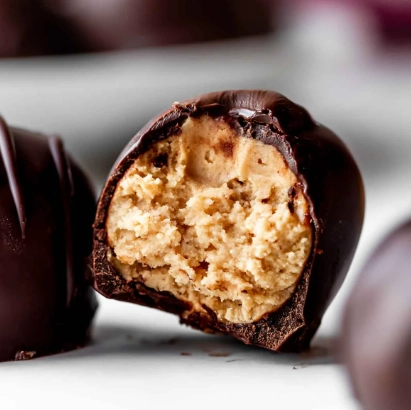
The Ingredient Deep Dive: Why Your Choice Matters
This is where most recipes just give you a list. I want to tell you what each one does, so you can swap things intelligently and troubleshoot.
Peanut Butter: The Heart of the Matter
This is your main structural ingredient and flavor base. Your choice here dictates everything.
- Commercial Creamy Peanut Butter (like Jif or Skippy): The safest bet. It's emulsified, so the oil doesn't separate. It has added sugar and salt, which helps with binding and flavor. Predictable and reliable. For guaranteed success on your first try, use this.
- "Natural" Peanut Butter (the kind you stir): Tricky. If you use it straight from the jar, even stirred, it often leads to oily, soft balls. You can make it work by draining off some of the surface oil after stirring, or by adding more dry ingredients (like protein powder, oat flour) to soak up the excess fat. The flavor is more intense, though.
- Powdered Peanut Butter (like PB2): Not a direct substitute for regular peanut butter! It's a dry powder. You typically reconstitute it with water. If you use it alone, you'll get a chalky, weird texture. I use it to replace part of the dry ingredients (like ¼ cup of the oats or flour) to boost peanut flavor without all the fat. It's a great tool for healthier versions.
My personal take? I love the flavor of natural peanut butter, but for a stress-free batch, I usually go with a standard creamy one.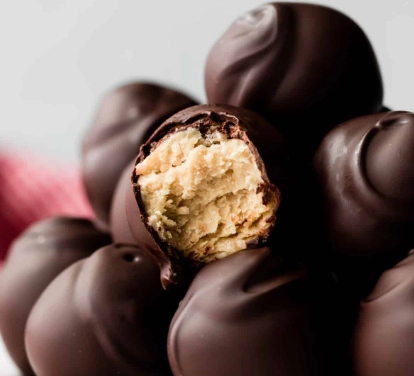
The Binders: What Holds Your Peanut Butter Balls Together
If peanut butter is the heart, the binder is the skeleton. Without it, you have mush.
| Binder | Best For | How to Use It | Watch Out For |
|---|---|---|---|
| Powdered Sugar | Classic, sweet, firm balls. Dessert-style. | Mix directly into wet ingredients. Start with 1 cup per 1 cup PB. | Can make balls very sweet. Don't use if avoiding refined sugar. |
| Honey or Maple Syrup | "Healthier" recipes, sticky, chewier texture. | Use ¼ to ⅓ cup per 1 cup PB. You'll need extra dry stuff (oats, coconut). | Makes dough VERY sticky. Chill it before rolling. Balls may stay soft. |
| Dates (pitted) | Whole-food, no-sugar-added balls. Fudgy texture. | Process ½ cup dates with PB until a paste forms. A food processor is essential. | Can be grainy if not processed enough. Adds a distinct date flavor. |
| Mashed Banana or Applesauce | Adding moisture and subtle sweetness. | Use only 2-3 tablespoons per cup of PB. It's a supplement, not a main binder. | Adds moisture which can shorten shelf life. Use quickly or freeze. |
The Dry Ingredients: For Texture and Substance
These are your filler and texture modifiers. They soak up excess moisture and fat, and make the balls more filling.
Old-Fashioned Rolled Oats: The king of healthy peanut butter ball add-ins. They add heartiness, fiber, and a pleasant chew. Use them whole for texture, or pulse them a few times in a blender for a finer, more cohesive dough. Quick oats work too, but might absorb more moisture.
Shredded Coconut: Sweetened or unsweetened. It adds a wonderful texture and tropical flavor. Toasting it first is a game-changer for depth.
Protein Powder: A fantastic way to turn a snack into a post-workout bite. But beware! It's thirsty. For every scoop (about ¼ cup) of protein powder, you likely need an extra tablespoon or two of a liquid binder (honey, milk) to prevent dry, crumbly balls. Whey protein can make things gummy if over-mixed. Plant-based blends are often more forgiving.
Ground Flax or Chia Seeds: These are nutrient powerhouses and also act as "binders" by absorbing liquid and creating a gel-like consistency. A tablespoon or two is plenty.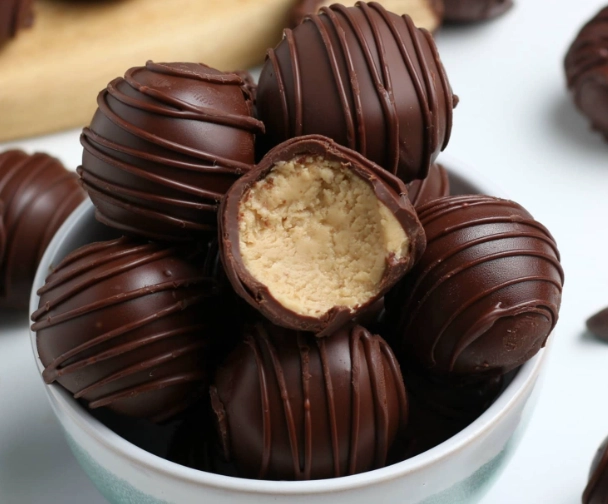
Step-by-Step: The Process Demystified
It's not just mixing and rolling. Little details make a big difference.
Mixing: Use a sturdy spoon or your hands. A stand mixer can work for the classic powdered sugar recipe, but for oat-based ones, it can over-process the oats. I usually just get in there with my hands. You can feel when the dough is right—it should hold together when pinched, not stick to your hands excessively, and not be crumbly.
Rolling: If the dough is sticky, lightly wet or oil your hands. A small cookie scoop (about 1 tablespoon size) is the best tool for uniform peanut butter balls and keeps your hands cleaner. Roll them firmly between your palms.
Chilling: This is non-negotiable for most recipes. It firms up the fats, sets the shape, and makes the flavors meld. At least 30 minutes in the fridge, often up to an hour. For long-term storage, freeze them on a tray first, then transfer to a container.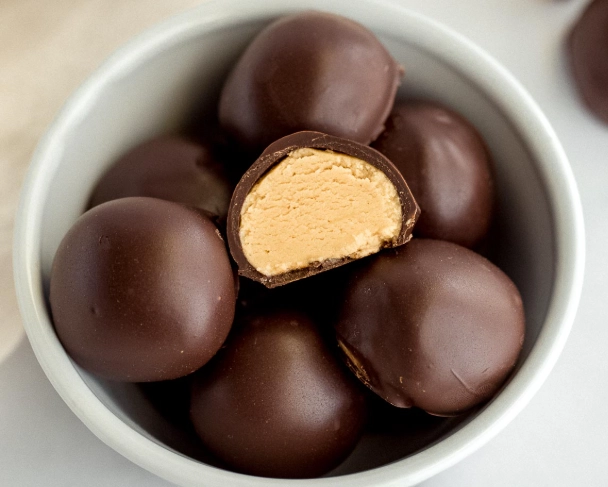
Flavor Variations: Beyond the Basic Ball
Once you master the basic peanut butter ball, the world is your oyster. Here are some of my favorite mix-ins. Treat this like a choose-your-own-adventure list.
- Chocolate Lover: Add ¼ cup mini chocolate chips or cacao nibs to the dough. Roll in crushed cocoa crispies.
- Cookie Dough: Use brown sugar (in a recipe designed for it) and add mini chocolate chips. A tiny bit of molasses mimics that flavor perfectly.
- Salty Sweet: Use salted peanut butter and add a few tablespoons of crushed pretzels to the dough. Roll in more pretzel dust.
- Tropical: Use coconut peanut butter if you can find it, add shredded coconut and chopped dried pineapple or mango.
- Espresso Boost: Dissolve 1-2 teaspoons of instant espresso powder in the vanilla extract before adding it. Amazing with a chocolate coating.
Healthier Peanut Butter Balls: Can They Still Taste Good?
Absolutely. This is where a lot of people get disappointed, though, because they expect a "healthy" ball to taste like a Reese's. It won't. But it can be delicious in its own right—less sweet, more complex, and deeply satisfying.
Here's a template for a no-refined-sugar, whole-food peanut butter ball:
Base Recipe: 1 cup natural peanut butter (excess oil poured off), ½ cup runny honey or maple syrup, 1 cup old-fashioned rolled oats, ½ cup shredded coconut, ¼ cup ground flaxseed, 1 tsp vanilla, pinch of salt. Optional: ¼ cup mini dark chocolate chips (because life needs chocolate).
Method: Mix all in a bowl until combined. It will be sticky. Chill for 45 minutes. Roll into balls. Store in fridge. These are softer than the classic but hold their shape when cold.
The key is balancing wet and dry. If it's too wet, add a bit more oat flour (oats blitzed in a blender). Too dry? A teaspoon of milk or more honey.
For authoritative information on the nutritional benefits of ingredients like oats and flax, the Harvard T.H. Chan School of Public Health Nutrition Source is an excellent resource for understanding whole grains and healthy fats.
Troubleshooting: Saving Your Batch from Disaster
We've all had fails. Here's how to fix the most common peanut butter ball problems.
Problem: The dough is too sticky and won't form balls.
Solution: Chill it! 30 minutes in the fridge firms up the fats. If still sticky, add more dry ingredients—a tablespoon at a time—of oat flour, protein powder, or coconut flour. Coconut flour is a super-absorber, so go easy.
Problem: The dough is too dry and crumbly.
Solution: Add more binding liquid. A teaspoon of milk (dairy or plant-based), honey, or even more peanut butter. Mix thoroughly and let it sit for 5 minutes to absorb.
Problem: The peanut butter balls are too soft, even after chilling.
Likely Cause: Too much liquid or too much natural peanut butter oil.
Solution: For this batch, just keep them frozen. For next time, reduce the honey/syrup by a tablespoon, or use a commercial peanut butter. You can also try adding a tablespoon of coconut flour to absorb moisture.
Problem: They taste bland.
Solution: Don't underestimate salt and vanilla. A pinch of flaky sea salt on top after rolling elevates everything. A dash of cinnamon can also warm up the flavor.
Storage & Freezing: Keeping Them Fresh
Because of their fat content, peanut butter balls are best stored in the refrigerator in an airtight container. They'll last 1-2 weeks there. Layering them with parchment paper prevents sticking.
For longer storage, freeze them. Place them in a single layer on a baking sheet until solid (flash freezing), then toss them all into a freezer bag or container. They'll keep for 2-3 months. You can eat them straight from the freezer—they have a great frozen candy bar texture.
According to the USDA's food safety guidelines, foods high in fat and sugar like these have a relatively good shelf life when refrigerated, but freezing is always best for longevity. You can reference general principles on the FoodSafety.gov website.
Answering Your Peanut Butter Ball Questions
Here are the questions I get asked the most, and the answers I give based on trial and (lots of) error.
Final Thoughts From My Kitchen
Making great peanut butter balls is less about following a single recipe perfectly and more about understanding the balance. It's a feel thing. Start with a reliable classic recipe. Get the texture in your hands. Then, start playing. Add some oats. Swap honey for sugar. Toss in some chia seeds.
Don't be afraid of a failed batch.
My worst one was a goopy mess I had to eat with a spoon. But even that tasted pretty good. The point is to have fun, make a mess, and end up with a jar of delicious, homemade snacks that you made yourself. That's a win, no matter how round they are.
So grab your peanut butter and get rolling. Your new favorite snack is waiting.
Reader Comments