Let's be honest. The phrase "peanut butter decadent pie" isn't just a dessert name. It's a promise. A promise of something ridiculously creamy, unapologetically rich, and capable of stopping conversation at a dinner table. This isn't just another no-bake pie. It's the one you'll be asked to bring to every potluck, the recipe your friends will text you for, and the secret weapon for when you need a guaranteed crowd-pleaser with minimal oven time.
I've been making versions of this pie for over a decade, from rushed weeknight desserts to centerpieces for fancy gatherings. Along the way, I've seen—and made—all the mistakes. The soupy filling that won't set. The grainy texture from the wrong peanut butter. The crust that disintegrates on the first forkful. This guide is about skipping those failures and going straight to a perfect, sliceable, unforgettable pie.
What You'll Find in This Guide
How to Make Peanut Butter Decadent Pie: A Step-by-Step Blueprint
This recipe is engineered for success. We're building layers of flavor and texture: a crisp chocolate crust, a luxuriously dense peanut butter-chocolate core, and a billowy whipped cream topping. The process is simple, but the details matter.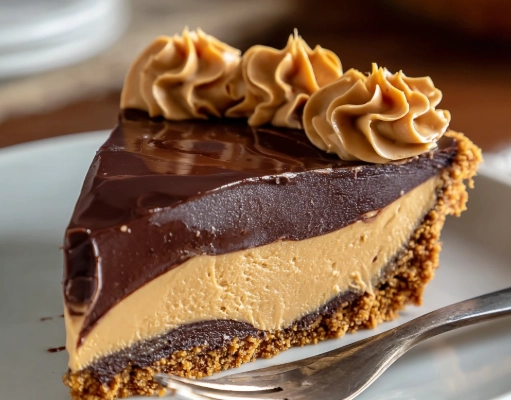
The Non-Negotiable Ingredients
Using the right stuff here isn't snobbery; it's structural engineering. Here’s exactly what you need and why.
| Ingredient | Quantity | The "Why" Behind It |
|---|---|---|
| Oreo Cookie Crumbs (with filling) | 2 cups (about 24 cookies) | Provides a sturdy, flavorful base that pairs perfectly with peanut butter. The filling acts as a binder. |
| Unsalted Butter, melted | 5 tablespoons | Binds the crust. Unsalted lets you control the salt level. |
| Cream Cheese, full-fat | 8 oz (1 block), softened | The backbone of the filling. It adds tang, richness, and most importantly, structure. Low-fat will make the pie weepy. |
| Creamy Peanut Butter (not natural/oily) | 1 cup | The star. Use a commercial, stabilized brand like Jif or Skippy. The emulsifiers prevent oil separation. |
| Powdered Sugar | 1 cup | Sweetens without grittiness and helps thicken the filling. |
| Semi-Sweet Chocolate Chips | 1 cup, melted and slightly cooled | Adds depth and a fudgy layer. Melting is key for a smooth blend. |
| Heavy Whipping Cream, cold | 1 ½ cups | Divided use: half for lightening the filling, half for the topping. Must be cold to whip properly. |
| Vanilla Extract & Salt | 1 tsp & ¼ tsp | Flavor enhancers. The salt is crucial to balance the sweetness. |
The Process: Where Most Recipes Go Wrong (And How to Get It Right)
Step 1: The Crust That Holds Its Ground. Don't just crush the Oreos. Pulse them in a food processor until they resemble fine, dark sand. Mix with the melted butter until it looks like wet sand. Press it firmly and evenly into a 9-inch pie plate, going up the sides. Use the bottom of a measuring cup to really compact it. Bake at 350°F (175°C) for 8 minutes, then let it cool completely. This pre-baking step is what gives you a crust that won't turn to mush.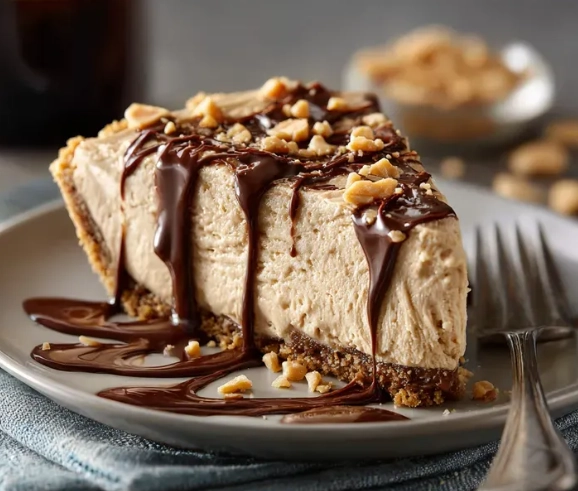
Step 2: The Filling Foundation. In a large bowl, beat the softened cream cheese until it's completely smooth—no lumps. This takes a good minute or two. Scrape the bowl. Now add the peanut butter and beat again until homogenous. This is your first checkpoint: it should be a thick, smooth paste.
Step 3: Incorporating the Chocolate. Beat in the powdered sugar and vanilla. Now, stream in the slightly cooled melted chocolate while the mixer is on low. If the chocolate is too hot, it'll melt the cream cheese and make the filling greasy. You want a thick, fudgy mixture.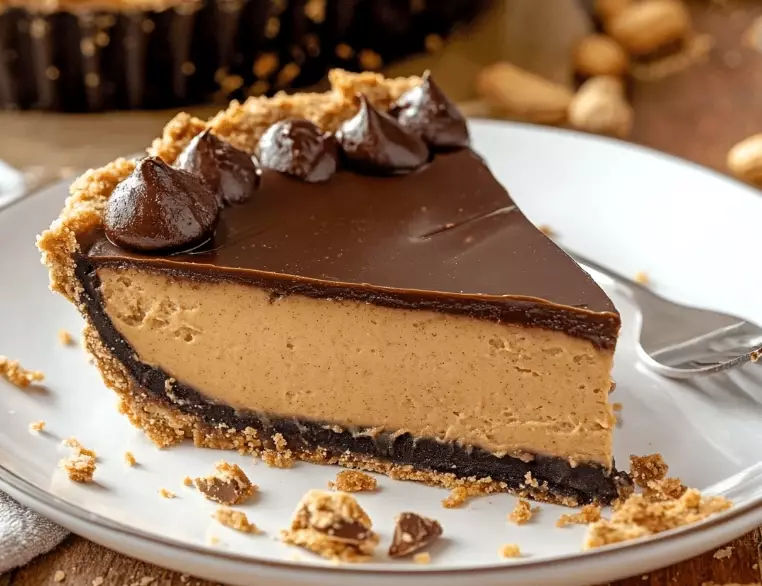
Step 4: The Lightening Agent. In a separate, chilled metal or glass bowl, whip ¾ cup of the heavy cream to stiff peaks. Why a cold bowl? It gives you a 30% better volume, which means a lighter, airier pie. Fold this whipped cream into the peanut butter-chocolate base in three additions. Be gentle. You want to incorporate air, not deflate it. The mixture will transform from dense to luxuriously fluffy.
Step 5: Assembly and The Long Chill. Scoop this heavenly filling into your cooled crust. Smooth the top. Now, whip the remaining ¾ cup of cream with a tablespoon of powdered sugar and spread or pipe it over the pie. Here’s the hard part: walk away. Cover it loosely and refrigerate for at least 6 hours, but overnight is magic. This isn't a suggestion. The filling needs this time to set fully so you get clean, beautiful slices.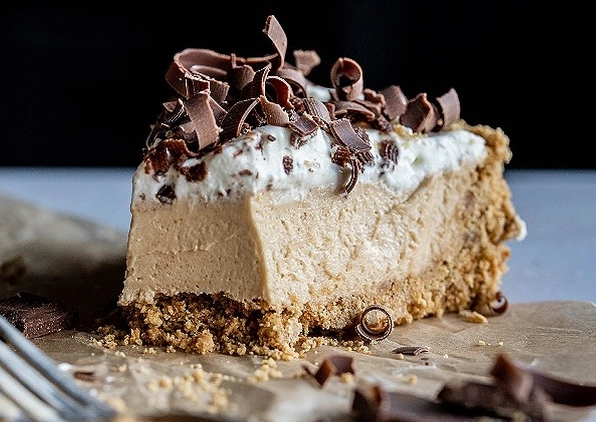
Expert Tricks, Ingredient Deep-Dive & Common Pitfalls
Anyone can follow a recipe. Making it exceptional requires knowing the rules you can bend.
The Peanut Butter Debate: Natural vs. Commercial. I love natural peanut butter on toast. I hate it in this pie. Brands like Smucker's Natural, with oil floating on top, are a disaster waiting to happen. Even if you stir it in, the filling can separate in the fridge, creating an oily layer. The hydrogenated oils in standard creamy peanut butter are actually an asset here—they stabilize the emulsion. Stick with Jif, Skippy, or Peter Pan for guaranteed smoothness. If you're adamant about natural, look for a "no-stir" variety that uses palm fruit oil as a stabilizer.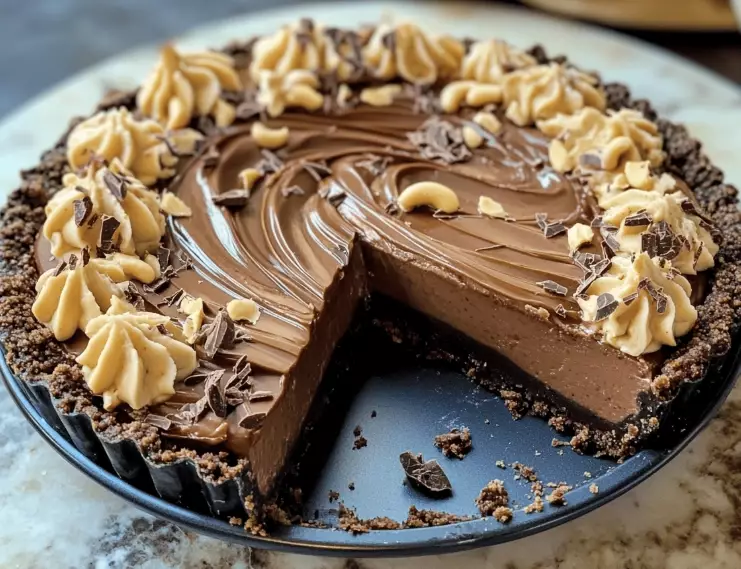
Texture Troubleshooting:
- Filling too soft? You likely under-whipped the cream for folding, or didn't chill long enough. Next time, ensure your cream is truly at stiff peaks (the beaters leave clear trails, and a dollop holds its shape).
- Crust too crumbly? You didn't use enough butter or didn't press it firmly enough. The crust mixture should hold together when you pinch it.
- Chocolate seizing or clumping? You let even a drop of water or steam get into your melting chocolate. Melt it in a dry bowl over simmering water (double boiler) or in short bursts in the microwave, stirring frequently.
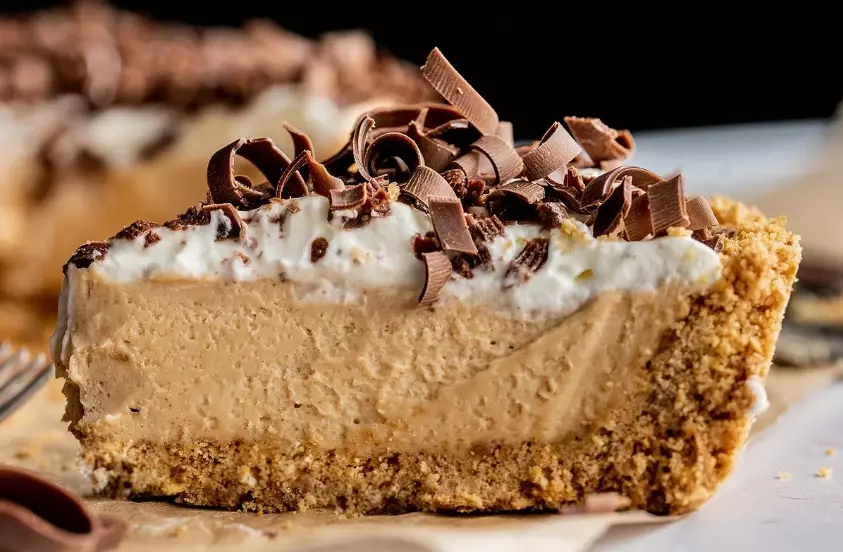
Elevations & Variations: Want to go next level? Add a layer of salted caramel sauce between the crust and the filling. For a crunchy textural contrast, fold ½ cup of chopped honey-roasted peanuts into the filling before pouring it into the crust. For a darker, more intense flavor, use dark chocolate chips instead of semi-sweet.
I once brought this to a party and a guest, who claimed to dislike peanut butter desserts, tried it out of politeness. He finished his slice, then quietly asked if there was more. The combination of salty, sweet, creamy, and crunchy is just that persuasive.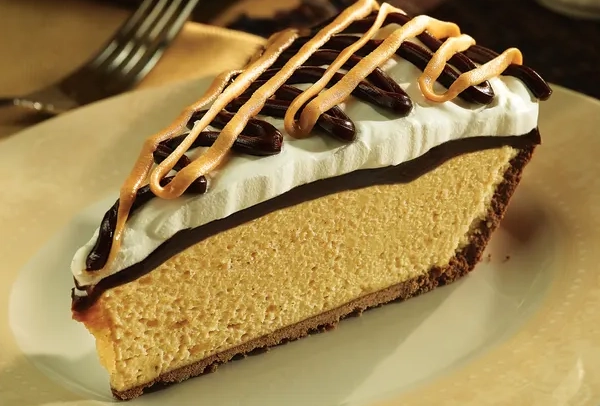
Your Top Pie-Making Questions, Answered
After making this pie countless times and teaching others, these are the questions that always come up. Let's tackle them head-on.
There you have it. More than just a recipe, it's a blueprint for a dessert that feels indulgent but is built on simple, smart techniques. The beauty of this peanut butter decadent pie is in its contrasts—the crisp against the creamy, the sweet against the salty, the simplicity of the process against the complexity of the flavor. Now go make it. And get ready for the requests for the recipe.
Reader Comments