Quick Guide
- The Core of It All: Your Basic No Bake Peanut Butter Ball Recipe
- Choosing Your Peanut Butter: This Decision Matters More Than You Think
- Leveling Up: Coating Your No Bake Peanut Butter Balls
- Fixing Common Problems Before They Ruin Your Batch
- Beyond the Basic: Flavor Variations to Keep Things Interesting
- Storing and Gifting Your No Bake Creations
- Answering Your Burning Questions (FAQ)
- Final Thoughts From My Kitchen to Yours
Let's be honest. Sometimes you just need a little something sweet, but the idea of turning on the oven, measuring out a million ingredients, and cleaning up a mountain of bowls feels like a chore you didn't sign up for. I've been there more times than I can count. That's where the magic of no bake peanut butter balls comes in. They're my go-to, my secret weapon, the treat I make when I need something fast, satisfying, and guaranteed to please just about anyone.
I remember the first time I tried to make them. It was a disaster. The mixture was so sticky I couldn't roll it, and the final product was a crumbly mess. I almost gave up. But after tweaking ratios and learning a few simple tricks, I cracked the code. Now, I can whip up a batch in 20 minutes flat, and they're always perfect.
This isn't just another recipe post. This is your complete, no-nonsense guide to mastering no bake peanut butter balls. We'll go from the absolute simplest 3-ingredient version to more elaborate, fancy variations. I'll tell you exactly what works, what doesn't, and how to fix common problems before they happen. Ready to get your hands a little sticky? Let's dive in.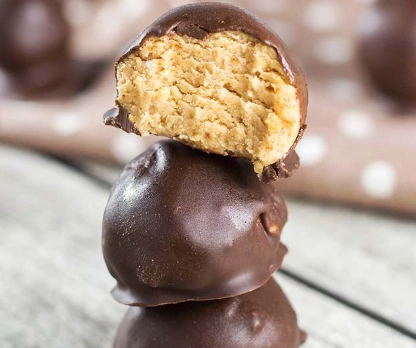
The Core of It All: Your Basic No Bake Peanut Butter Ball Recipe
Think of this as your foundation. Master this, and the whole world of no-bake treats opens up. The beauty is in its simplicity. You probably have these ingredients in your pantry right now.
The Classic 3-Ingredient Foundation
- Peanut Butter: 1 cup. This is the star. I highly recommend using a standard, processed peanut butter like Jif or Skippy for your first try. The oils and stabilizers in them give a predictable, creamy texture that's easier to work with. Natural peanut butter can work, but it's trickier—we'll get to that.
- Powdered Sugar (Confectioners' Sugar): 1 to 1.5 cups. Start with 1 cup. The powdered sugar does two jobs: it sweetens and, crucially, it absorbs the oils from the peanut butter to create a rollable dough. This is the key to avoiding a sticky mess.
- Graham Cracker Crumbs or Crushed Biscuits: 3/4 cup. This adds structure, a slight crunch, and that classic flavor. You can crush them in a bag with a rolling pin or blitz them in a food processor.
The Method (It's So Simple): Dump everything into a medium bowl. Start mixing with a spoon, then get in there with your hands. Yes, your hands. It's the best tool for the job. Mix until it comes together into a pliable dough that's not overly sticky. If it's too wet, add a bit more powdered sugar. Roll into 1-inch balls. That's it. Seriously. You can eat them right away, but I like to chill them for 30 minutes to firm up.
See? No baking. No fuss. But here's where most recipes stop, and where we're just getting started. Because what if you want them coated? What if you're out of graham crackers? What if they're too sweet?
Choosing Your Peanut Butter: This Decision Matters More Than You Think
This is the single biggest factor in the success of your no bake peanut butter balls. Using the wrong type can lead to a greasy, separated, or rock-hard final product. Let's break it down.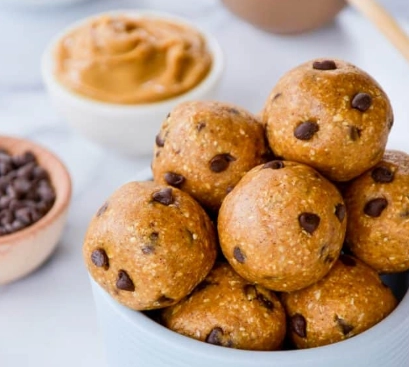
| Type of Peanut Butter | Best For... | Watch Out For... | My Personal Take |
|---|---|---|---|
| Standard Processed (Jif, Skippy, Peter Pan) | Beginners. Guaranteed consistent, creamy results. The texture is perfect for rolling. | Can be sweeter and contain added oils and sugars. Check the label if you're avoiding hydrogenated oils. | My default choice for reliability. It never lets me down. |
| Natural Peanut Butter (Stirred, oil on top) | Health-conscious makers. Cleaner ingredient list. | YOU MUST STIR IT THOROUGHLY. The oil separation is a recipe for disaster. The dough can be oilier and may require more powdered sugar. | I use this when I want a stronger peanut flavor. It's worth the extra effort, but it's finicky. |
| Powdered Peanut Butter (PB2, etc.) | Lower-fat versions. You reconstitute it with water. | The texture and flavor are different—less rich, more powdery. Not ideal for the classic recipe. | I've tried it. The balls were chalky and lacked that decadent mouthfeel. I don't recommend it for this purpose. |
| Crunchy Peanut Butter | Adding extra texture within the ball itself. | The peanut pieces can make rolling slightly less smooth. | A fantastic way to add interest. I love the little bursts of crunch. |
For the most authoritative information on peanuts and their products, the National Peanut Board is an excellent resource for growers and consumers alike. Additionally, the U.S. Food and Drug Administration (FDA) provides guidelines on food labeling, which can help you understand the differences between peanut butter products.
Leveling Up: Coating Your No Bake Peanut Butter Balls
This is the fun part. A coating transforms them from a simple dough ball into a proper candy. You have options.
Melting Chocolate: The king of coatings. Use chocolate chips, baking chocolate, or melting wafers. Melting wafers (like Candiquik or Ghirardelli melting wafers) are designed to melt smoothly and harden with a snap—they're foolproof. If using chips, add a tiny teaspoon of coconut oil to help it melt more smoothly.
How to coat without a mess: Use a fork. Drop a ball into the melted chocolate, roll it around, lift it out with the fork, and tap the fork gently on the side of the bowl to let the excess drip off. Slide it onto a parchment-lined baking sheet. If you want a drizzle, let the first coat harden completely first.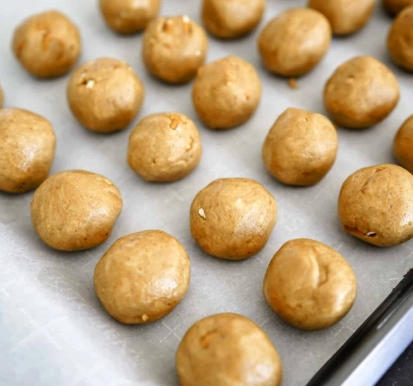
Rolling Coatings: Before chilling, roll the naked balls in:
- Finely chopped peanuts
- Sprinkles (for a birthday vibe)
- Crushed pretzels (sweet and salty heaven)
- Toasted coconut flakes
- Even more graham cracker crumbs
Pro Tip for Chocolate Coating
Make sure your peanut butter balls are very cold (frozen for 15-20 minutes is even better) before dipping. A cold center helps the chocolate set quickly and prevents the ball from losing its shape in the warm chocolate.
Fixing Common Problems Before They Ruin Your Batch
I've made every mistake so you don't have to. Here’s your troubleshooting guide.
Why are my no bake peanut butter balls too sticky and won't roll?
This is the #1 issue. Your mixture is too wet. Solution: Add more dry ingredients. Sprinkle in extra powdered sugar, a tablespoon at a time, and/or more graham cracker crumbs. Mix well after each addition until the dough is no longer sticky. Using natural peanut butter that wasn't fully stirred is a common culprit here.
Why are they too dry and crumbly?
You've gone too far with the dry ingredients. Solution: Add a little more peanut butter, a teaspoon at a time. You can also try adding a tiny bit of honey or maple syrup (start with 1/2 tsp) to bind it. Moisture is key for binding.
Why did my chocolate coating get streaky or dull?
This is called "bloom." It happens when chocolate is tempered incorrectly or exposed to moisture. It's still safe to eat but doesn't look pretty. Prevention: Make sure your balls are completely dry and cold before dipping. Avoid getting any condensation on them. Melting wafers are more resistant to blooming than regular chocolate.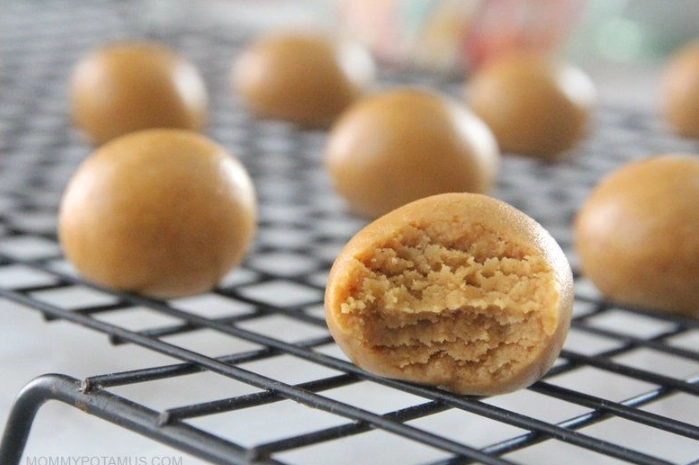
A Word on Sweetness
Some people find the classic recipe too sweet, especially with coated chocolate. It's a valid criticism. You can reduce the powdered sugar slightly (try 3/4 cup) and compensate with more graham crumbs or even a scoop of oat flour. The flavor will be more peanut-forward, which I personally prefer.
Beyond the Basic: Flavor Variations to Keep Things Interesting
Once you've mastered the classic, the world is your oyster. Or, more accurately, your peanut butter ball. Here are my favorite twists.
The Chocolate Lover's Dream: Add 2 tablespoons of unsweetened cocoa powder to the dry mix. It creates a rich, almost buckeye-like interior. These are incredible.
The Honey & Oat Energy Bite: Substitute the powdered sugar for 1/3 cup of honey or maple syrup and add 1 cup of old-fashioned oats. The texture is chewier, less sweet, and feels more like a protein bite. They need a good chill to set firmly.
The Salty Sweet Pretzel Crunch: Replace half the graham cracker crumbs with finely crushed pretzels. Roll the finished balls in more pretzel dust. This is my husband's favorite.
The Tropical Twist: Add 1/3 cup of finely chopped dried pineapple and 1/4 cup of toasted coconut to the mix. Roll in more coconut. It's a completely different vibe and surprisingly good.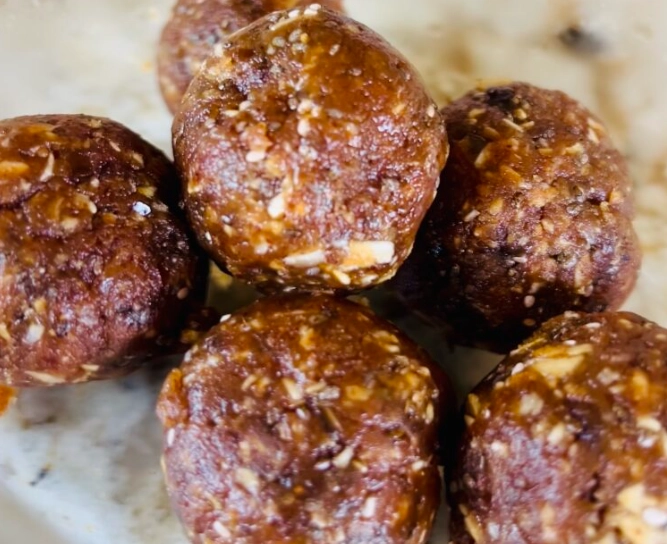
Storing and Gifting Your No Bake Creations
How you store them depends on the coating.
- Uncoated or Dry-Rolled Balls: Store in an airtight container in the fridge for up to 2 weeks. They can also be frozen for up to 3 months. Let them thaw in the fridge.
- Chocolate-Coated Balls: Store in a single layer (or with parchment between layers) in an airtight container in the fridge. The fridge prevents the chocolate from softening and getting messy. They'll keep for 1-2 weeks. You can freeze them too, but be gentle as the chocolate can become brittle.
They make fantastic gifts! Layer them in a small cardboard box with parchment paper, or put a few in a cute mason jar. I've given these as teacher gifts, neighbor gifts, and party favors. They're always a hit because they're homemade but look professional.
Answering Your Burning Questions (FAQ)
Let's tackle the things you might be wondering before you even start.
Final Thoughts From My Kitchen to Yours
Making no bake peanut butter balls is less about following a rigid recipe and more about understanding a formula. Peanut butter + sweetener + binder = magic. Once you get a feel for the texture—that perfect, rollable dough—you can improvise with confidence.
They're forgiving. If a batch isn't perfect, it's still probably delicious. Crumble it over ice cream. Use it as a yogurt topping. Nobody will know.
So, grab that jar of peanut butter. Don't overthink it. Start with the classic, get your hands messy, and taste the difference chilling makes. Before you know it, you'll have your own signature version, your own tips and tricks, and a go-to treat that feels like a secret superpower. Because in a world that's often complicated, a simple, satisfying, no-bake peanut butter ball is a little bite of pure, uncomplicated joy.
And if your first batch is a sticky mess? Welcome to the club. Just add a little more sugar, mix again, and try once more. You've got this.
Reader Comments