Quick Navigation
Let's be honest. We've all been there. You see a picture of this gorgeous, creamy, melt-in-your-mouth peanut butter fudge online, and you think, "I could never make that." It looks like something only your grandma or a fancy pastry chef could pull off. Too finicky, too easy to mess up. What if it turns out grainy? Or worse, what if it never sets and you're left with a pan of sweet peanut butter soup?
I thought the same thing for years. My first few attempts at learning how to make peanut butter fudge were... educational. Let's just say I created a few doorstops that were technically edible. But then I got curious. I started experimenting, asking questions, and failing a lot (sweet, sugary failure is still failure). And you know what I found out?
Making perfect fudge is not magic. It's just a few simple rules.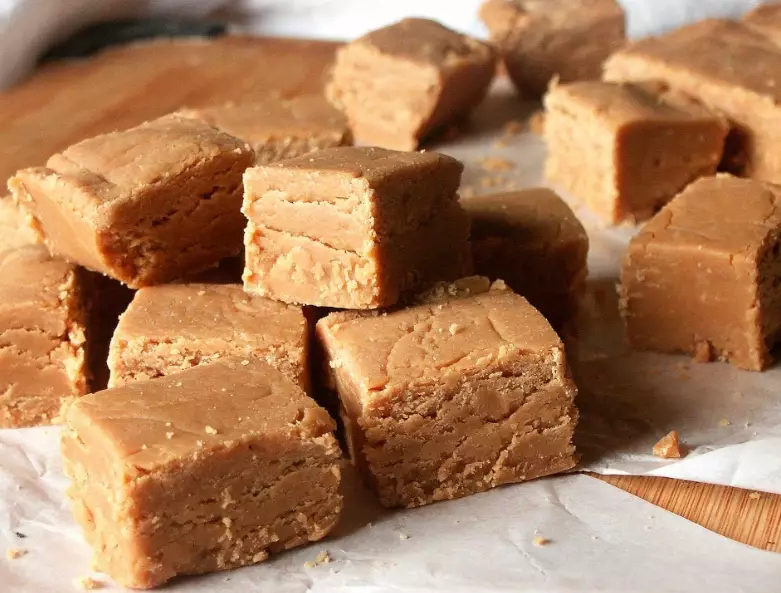
This isn't about a single recipe. It's about understanding the why behind the steps. Once you get that, you can make foolproof fudge every single time. This guide is everything I wish I knew when I started. We'll cover the simplest 3-ingredient dump-and-stir method, a richer cooked version that's my personal favorite, and all the tricks to avoid the common pitfalls. By the end, you'll not only know how to make peanut butter fudge, you'll understand how to make it your own.
Start Simple: The 3-Ingredient, No-Cook Miracle
If you're nervous or just want something stupidly easy, start here. This method is perfect for making fudge with kids or when you need a last-minute treat. It's more of a "fudge-like" candy, but the taste is fantastic and it requires zero cooking thermometers.
The Simplest Peanut Butter Fudge
What You Need:
- 1 pound (about 450g) of powdered sugar (yes, the confectioners' kind)
- 1 cup (about 250g) of creamy peanut butter (not the natural, oily kind—use the standard shelf-stable stuff like Jif or Skippy)
- ½ cup (1 stick / 113g) of unsalted butter
What You Do: Melt the butter and peanut butter together. You can do this in a microwave in 30-second bursts, stirring in between, or in a saucepan over low heat. Once it's smooth and combined, gradually stir in the powdered sugar. It will get thick. Keep stirring until no dry sugar remains. Press this mixture firmly into a parchment-lined 8x8 inch pan. Pop it in the fridge for at least 2 hours to set, then cut into squares.
See? That's it. The whole process of how to make peanut butter fudge this way takes 10 minutes, tops. The texture is smooth but a bit more crumbly than traditional fudge. It's intensely sweet and peanut-buttery. A great gateway recipe.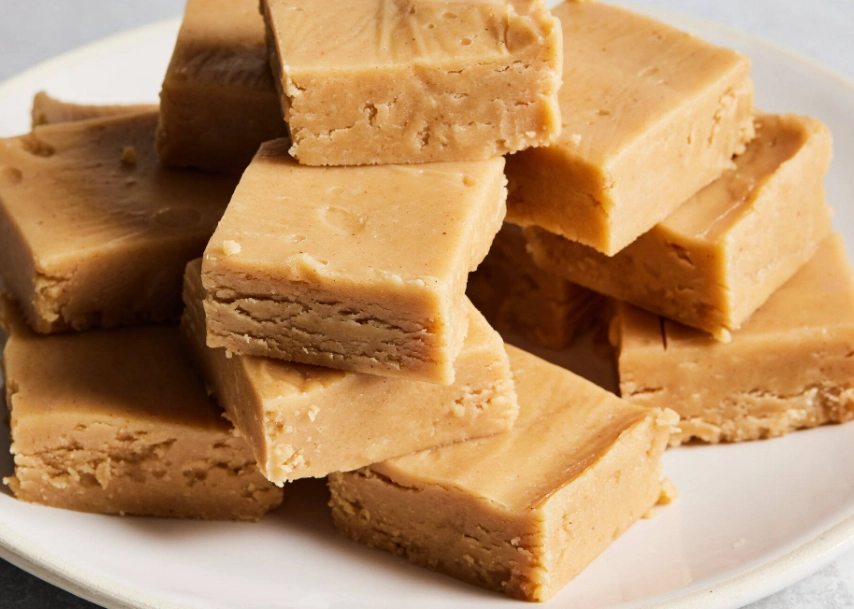
Pro Tip: Sift your powdered sugar if it's lumpy. Nobody wants to bite into a pocket of dry sugar in their otherwise smooth fudge. It takes an extra minute but makes a difference.
But maybe you're thinking... that seems too easy. You want the real deal. The kind with that classic, velvety fudge texture that you find in candy shops. That requires a bit more finesse, but I promise it's not hard.
The Classic Cooked Peanut Butter Fudge Recipe
This is the method that yields what most people picture when they dream of fudge. It involves cooking sugar to a specific temperature, which gives it that iconic smooth, non-grainy set. Don't let the thermometer scare you off.
Classic Creamy Peanut Butter Fudge
Ingredients:
- 2 cups (400g) granulated white sugar
- ½ cup (120ml) whole milk or evaporated milk (evaporated milk gives a richer result)
- ¾ cup (190g) creamy peanut butter (again, standard, not natural)
- 1 teaspoon pure vanilla extract
- A pinch of salt (optional, but it enhances all the flavors)
Equipment: A medium-sized, heavy-bottomed saucepan (this prevents scorching), a candy thermometer (the most important tool!), and an 8x8 inch pan lined with parchment paper.
The Process:
- Combine & Cook: In your saucepan, mix the sugar and milk. Stir it over medium heat until the sugar dissolves completely. Then, stop stirring. Attach your candy thermometer to the side of the pan, making sure the tip isn't touching the bottom.
- The Boil: Let the mixture come to a boil. This is where patience is key. Don't stir it. Just let it bubble away until the thermometer reads 234°F to 238°F (112°C to 114°C). This is the "soft-ball stage." If you don't have a thermometer, you can test by dropping a tiny bit of the syrup into a cup of cold water. If it forms a soft ball you can squish between your fingers, it's ready.
- Cool Down: Once it hits temperature, immediately remove the pan from the heat. Take out the thermometer. Drop in the peanut butter, vanilla, and salt. Do NOT stir yet. Let it sit, untouched, for about 10-15 minutes. Letting it cool slightly is a secret step that prevents graininess.
- Beat It: Now, grab a wooden spoon or a sturdy spatula and start beating. Beat vigorously. You'll see the mixture go from glossy and thin to thicker, duller, and starting to hold its shape. This takes a few minutes of elbow grease. Stop beating as soon as it loses its gloss and thickens—overbeating can make it hard.
- Set & Serve: Quickly pour and spread the fudge into your prepared pan. It will set quickly. Let it cool completely at room temperature before cutting. Cutting with a hot, wet knife gives you super clean edges.
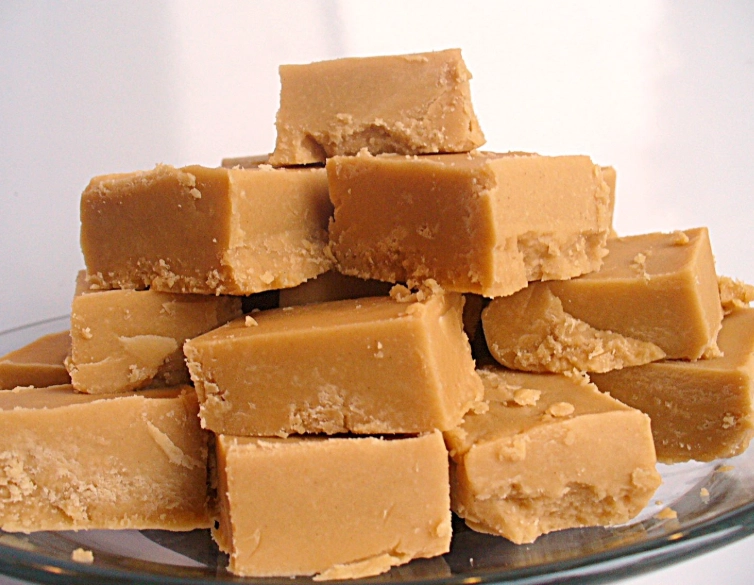
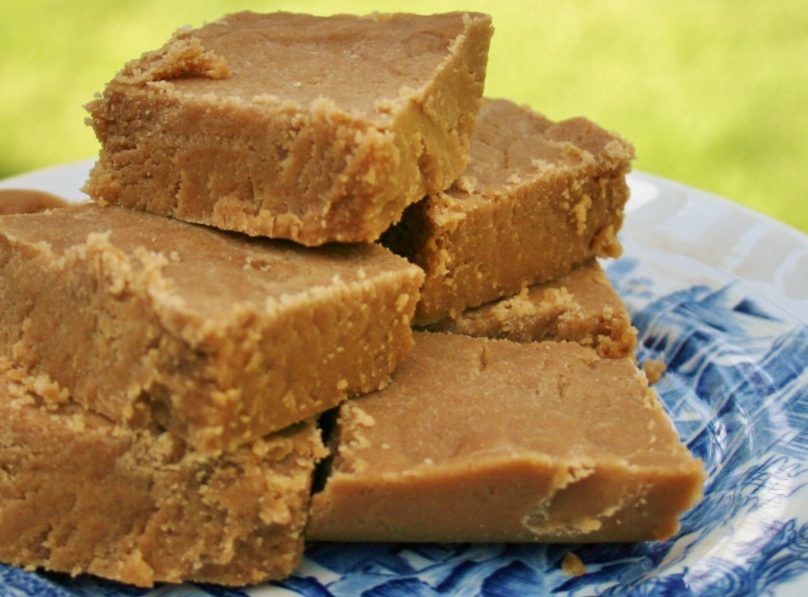
That's the core method for how to make peanut butter fudge the traditional way. The texture from this recipe is unbeatable. Creamy, firm but not hard, with a deep peanut butter flavor that isn't masked by overwhelming sweetness.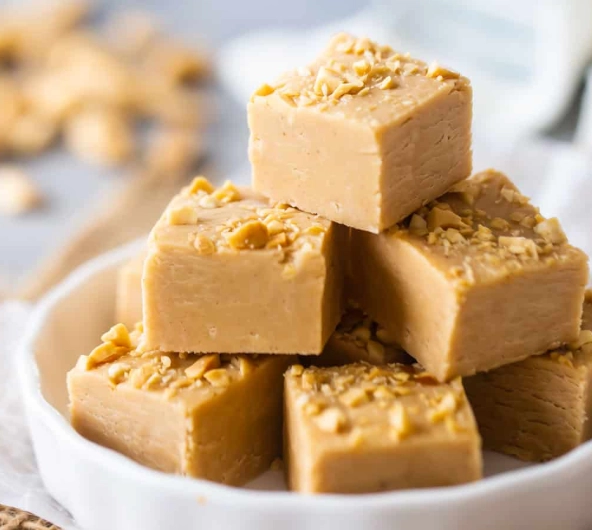
Watch Out: The most common mistake is stirring during the boiling phase. Stirring can cause sugar crystals to form on the sides of the pan, which then get knocked back into the syrup and seed more crystals... leading to grainy fudge. Just leave it alone until it hits temperature.
Choosing Your Weapons: Ingredients Matter
You can follow a recipe to the letter, but if you start with the wrong stuff, you're fighting an uphill battle. Let's break down the key players.
Peanut Butter: The Star of the Show
This is non-negotiable. For reliable fudge, you want processed, creamy peanut butter. The kind with added stabilizers like hydrogenated oils. Brands like Jif, Skippy, or Peter Pan. Why? Because they have a consistent fat content and won't separate. Natural peanut butter (the kind you have to stir) has oil that separates and can throw off the texture and fat balance of your fudge, making it greasy or preventing it from setting properly.
Save the all-natural stuff for your toast. For fudge, conventional is king.
Sugar: The Architect
The type of sugar determines the texture. Granulated sugar, cooked to soft-ball stage, gives the classic smooth, melt-in-your-mouth feel. Powdered sugar, used in the no-cook recipe, yields a finer, sometimes slightly crumbly texture. Brown sugar can be used in part for a deeper, molasses-like flavor, but it can make the fudge softer.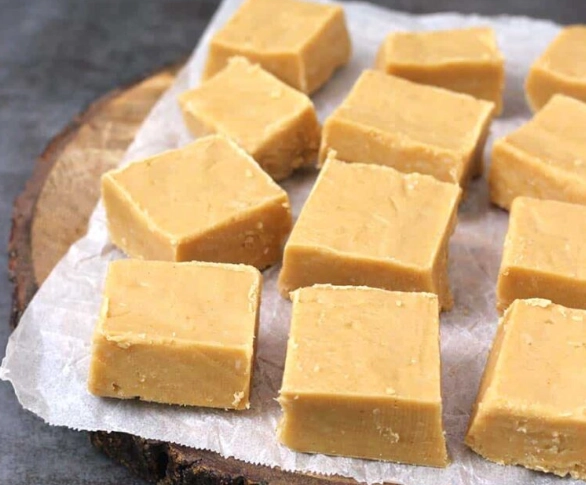
| Sugar Type | Best For | Texture Result | Flavor Note |
|---|---|---|---|
| Granulated White | Classic Cooked Fudge | Smooth, velvety, firm | Clean, sweet base |
| Powdered (Confectioners') | No-Cook / Microwave Fudge | Very smooth, can be crumbly | Extremely sweet |
| Brown Sugar (light or dark) | Flavor Variation (replace up to half of white sugar) | Softer, more moist | Rich, caramel-like depth |
Dairy & Fat: The Binders
Butter adds richness and helps with the creamy mouthfeel. In cooked recipes, milk provides liquid for the sugar to dissolve into and contributes to the Maillard reaction (that's fancy talk for browning and flavor development) during cooking. Evaporated milk is a popular choice because it's concentrated, has less water, and is less prone to curdling, giving a more robust result. You can find great general information about the role of dairy in cooking from resources like the U.S. Department of Agriculture (USDA).
Leveling Up: Pro Tips & Troubleshooting
So you've got the basic recipe down. Now let's make sure it's perfect every time and fix any problems before they start.
Guaranteed Smooth Fudge (The Anti-Graininess Protocol)
- Clean Start: Make sure your saucepan and spoon are squeaky clean. Any residual grease or old sugar crystals can act as "seeds" for crystallization.
- Dissolve Completely: Stir the sugar and milk only until the sugar is fully dissolved at the beginning. Once it starts boiling, hands off the spoon!
- The Cooling Wait: That waiting period after you take the syrup off the heat is crucial. Letting it cool to around 110°F before beating allows the sugar molecules to form a finer crystal structure. Rushing this step is a top cause of graininess.
- Beat, Don't Overbeat: Beat just until the sheen disappears and it thickens. If you beat it until it's completely stiff in the pan, it'll be crumbly when cut.
My Fudge Didn't Set! Now What?
It happens. Maybe your thermometer was off, or the weather was humid (humidity is a fudge-maker's nemesis). If your fudge is still a gooey mess after hours, all is not lost. You can often rescue it.
Scrape it back into the saucepan. Add about ½ cup of water and re-melt it gently. Bring it back up to the correct soft-ball temperature (234-238°F), then start the cooling and beating process over again. It's a second chance. I've had to do this once or twice, and it usually works like a charm.
Storage: Keeping It Fresh
Properly made fudge stores beautifully. Keep it in an airtight container at room temperature for up to 2 weeks. Layer it between sheets of parchment or wax paper. You can refrigerate it for a firmer texture and longer life (up to 3 weeks), but let it come to room temp before eating for the best flavor and mouthfeel. It also freezes well for 2-3 months. Thaw in the container at room temperature to prevent condensation from making it sticky.
Get Creative: Flavor Variations & Mix-Ins
Once you've mastered the basic technique of how to make peanut butter fudge, the fun begins. Here are some of my favorite twists.
- Chocolate Swirl: Melt ½ cup of chocolate chips with a teaspoon of shortening. Pour your beaten fudge into the pan, then drizzle the chocolate over top. Use a knife to swirl it through for a marbled effect.
- Nutty Crunch: Fold in ½ cup of chopped peanuts, pecans, or walnuts right before pouring the fudge into the pan. The textural contrast is amazing.
- Pretzel Fudge: Press a layer of mini pretzel twists into the bottom of your pan before adding the fudge. The salty-sweet combo is addictive.
- Maple Peanut Butter Fudge: Replace the vanilla extract with 1-2 teaspoons of pure maple syrup or maple extract for a fall-inspired flavor.
- Spicy Kick: Add a quarter teaspoon of cayenne pepper or a dash of chili powder to the mixture with the peanut butter. It sounds weird, but the slow heat that follows the sweet is incredible.
Answering Your Fudge Questions (FAQ)
I get asked these all the time. Let's clear them up.
Wrapping It Up: Your Path to Fudge Mastery
Learning how to make peanut butter fudge is a journey. You might not nail it on the first try, and that's okay. My first batch was so grainy I could have used it as sandpaper. But each attempt teaches you something—about how sugar behaves, how temperature changes texture, how a little patience pays off.
Start with the easy no-cook version to build confidence. Then graduate to the classic cooked recipe. Pay attention to the tips, especially the ones about not stirring during the boil and letting it cool before beating. Trust the process.
The best part? Even the "mistakes" are usually delicious.
Homemade candy has a special kind of magic. It's a gift, a treat, a little project that fills your kitchen with an amazing smell. And when you finally slice into that perfect, creamy block of fudge you made yourself? There's nothing quite like it. You've got this. Now go make some fudge.
Reader Comments