Your Quick Guide
- Why This Combo is a Match Made in Heaven
- The Core Pillars: Your Essential Ingredients Explained
- Your Toolkit: What You Really Need
- The Battle of the Methods: Which Recipe is Right for You?
- The Top 5 Fudge Fails (And How to Fix Them Before They Happen)
- Leveling Up: Creative Variations on the Classic
- Cutting, Storing, and Gifting Like a Pro
- Answering Your Burning Questions (FAQ)
- Wrapping It Up
Let's be honest. The idea of making fudge from scratch can be a bit intimidating. You hear stories about candy thermometers, soft-ball stages, and grainy, failed batches. I've been there. My first attempt at chocolate peanut butter fudge years ago was a crumbly, too-sweet mess that my dog wouldn't even eat. But after more burnt pans and sugar crystals than I care to admit, I finally cracked the code. And you know what? It's not nearly as hard as it seems. In fact, the easiest version requires zero candy thermometer and just a microwave.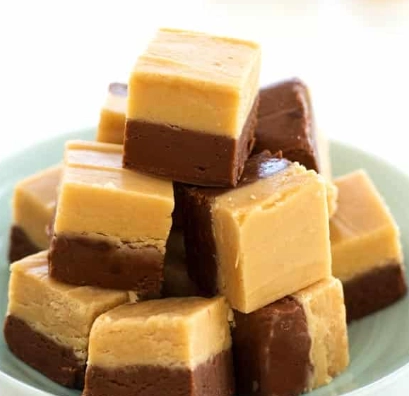
This isn't just another recipe post. Think of this as your complete, no-BS guide to creating chocolate peanut butter fudge that's rich, creamy, and melts in your mouth. We're going to cover the classic stovetop method for the purists, the insanely easy microwave hack for when you need a fix in 10 minutes, and everything in between. Why should you listen to me? Well, because I've made every mistake so you don't have to. I'll tell you exactly where things can go wrong and how to steer clear.
Why This Combo is a Match Made in Heaven
Before we dive into the how, let's talk about the why. Chocolate and peanut butter is one of those legendary pairings that just works. The deep, sometimes bitter notes of chocolate cut through the rich, salty, and fatty profile of peanut butter. In fudge form, this creates a confection that's intensely satisfying. It's not just a sweet treat; it's a flavor experience. The texture plays a huge part too. When done right, fudge should be firm enough to hold its shape but soft enough to yield instantly to the slightest pressure from your teeth. That melt-in-your-mouth quality is what separates legendary chocolate peanut butter fudge from a chalky, disappointing brick.
Is it healthy? Let's not kid ourselves. This is a dessert, through and through. But making it at home means you control the ingredients. You can choose a dark chocolate with a higher cocoa percentage to reduce sweetness, or opt for a natural peanut butter without added sugars and hydrogenated oils. It's still a treat, but it can be your version of a treat.
The Core Pillars: Your Essential Ingredients Explained
You can't build a great house without good bricks, and you can't make great fudge without understanding your ingredients. Each one has a job to do.
Sugar: The Foundation (and Potential Pitfall)
Most fudge recipes call for granulated white sugar. It's the primary sweetener and, crucially, it's what crystallizes to give fudge its structure. But here's the trick: you want tiny, microscopic crystals for a smooth texture. Large crystals make it grainy. This is where most beginners fail. Stirring the mixture at the wrong time (like when it's cooling) can encourage those big, nasty crystals to form. Some recipes use a combination of white sugar and corn syrup. The corn syrup is an "interfering agent"—it gets in the way of sucrose molecules bonding into large crystals, promoting a smoother outcome. Don't be afraid of it; a small amount makes a big difference in foolproofing your batch.
Dairy: The Creamy Heart
Butter and milk (or evaporated milk, or cream) provide the fat and moisture. They enrich the flavor and contribute to that luxurious mouthfeel. Using full-fat dairy is non-negotiable for the best results. I've tried "light" versions and the fudge always tastes... thin. The fat coats your tongue and carries the flavors of chocolate and peanut butter. Unsalted butter is the way to go, as it lets you control the salt level precisely. And speaking of salt—don't skip it! A pinch of flaky sea salt sprinkled on top before it sets, or even mixed into the batter, enhances every other flavor and keeps the sweetness from being one-dimensional.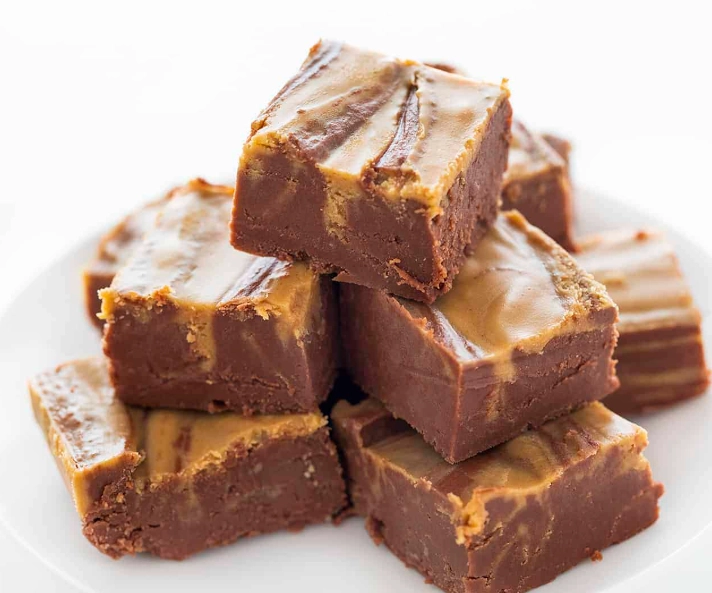
The Stars: Chocolate & Peanut Butter
This is where you can personalize your chocolate peanut butter fudge. For chocolate, you have options. Semi-sweet chocolate chips are convenient and reliable. Chopped baking chocolate (bars) often have a better texture and melt more smoothly. Dutch-processed cocoa powder can be used in some recipes for a more intense chocolate flavor. My go-to is a mix of semi-sweet chips and a bit of unsweetened baking chocolate. It gives a deeper chocolate flavor without going overboard on sweetness.
For peanut butter, the choice is critical. Avoid natural peanut butter that separates for most standard recipes. The extra oil can throw off the fat balance and prevent proper setting. Standard commercial creamy peanut butter (like Jif or Skippy) works perfectly because it's emulsified and has a consistent texture and sugar content. If you're a crunchy peanut butter fan, you can use that for added texture, but the final fudge won't be as uniformly smooth. For a deep dive into peanut butter types and their best uses, the National Peanut Board has fantastic resources on their website.
Your Toolkit: What You Really Need
You don't need a pastry chef's kitchen. Here's the real list:
- A heavy-bottomed saucepan: This is the most important tool. A thin pan will scorch the milk and sugar mixture in a heartbeat. The heavy base distributes heat evenly, preventing hot spots that cause burning.
- A good wooden spoon or heatproof spatula: For stirring. Some swear by silicone spatulas to get every last bit out.
- An 8x8 inch baking pan: Lined with parchment paper or foil. The lining is not a suggestion—it's a requirement for easy removal. Trust me on this.
- A candy thermometer (for traditional methods): If you're going the classic cooked-sugar route, this is your best friend for accuracy. You're aiming for the "soft-ball stage," which is 234–240°F (112–116°C). You can do the cold water test, but a thermometer removes the guesswork.
- A microwave-safe bowl (for the easy method): Big enough to hold all your ingredients with room to stir.
The Battle of the Methods: Which Recipe is Right for You?
Not all chocolate peanut butter fudge is created equal, and the method you choose depends on your confidence, time, and desired outcome. Let's break down the two main contenders.
The Classic Stovetop Chocolate Peanut Butter Fudge
This is the method that produces what many consider "real" fudge. It involves cooking sugar, butter, and milk to a precise temperature, then beating it as it cools to initiate crystallization. The result is a traditional, creamy, melt-in-your-mouth texture that's hard to beat.
Ingredients:
3 cups granulated sugar
3/4 cup unsalted butter
2/3 cup evaporated milk (one small can)
1 (12 oz) package semi-sweet chocolate chips
1 (7 oz) jar marshmallow creme
1 cup creamy peanut butter
1 teaspoon vanilla extract
Process in a Nutshell: Combine sugar, butter, and milk in the heavy saucepan. Bring to a full rolling boil over medium heat, stirring constantly. Once boiling, stop stirring and let it cook until it reaches 234°F on a candy thermometer. Remove from heat. Quickly stir in chocolate chips and marshmallow creme until melted and smooth. Then stir in peanut butter and vanilla. Pour into prepared pan. Let cool completely at room temperature before cutting.
Pro Tip: The "not stirring" during the boil is crucial. It helps prevent sugar crystals from forming on the sides of the pan and falling back in, which can seed large, grainy crystals. If you see crystals forming on the side, use a wet pastry brush to wash them down.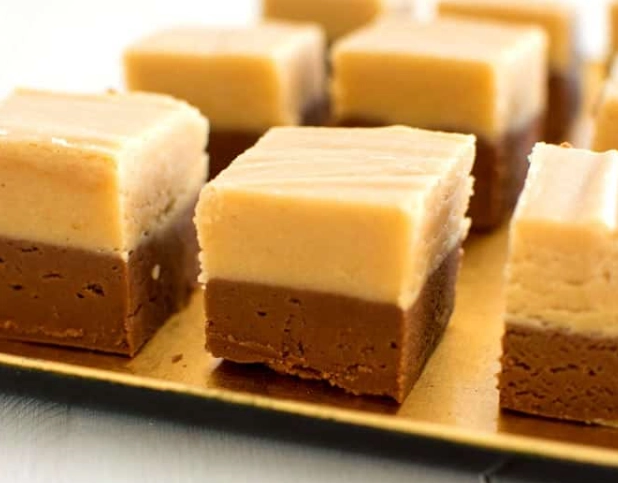
The 3-Ingredient, No-Cook Microwave Fudge
This is the ultimate cheat, and it's shockingly good. It's my go-to for last-minute gifts or a serious craving. The texture is denser and richer than the classic, more like a firm truffle, but the flavor is all there.
Ingredients:
1 (14 oz) can sweetened condensed milk
3 cups semi-sweet chocolate chips
3/4 cup creamy peanut butter (plus extra for swirling)
Process in a Nutshell: Combine sweetened condensed milk and chocolate chips in a large microwave-safe bowl. Microwave in 30-second bursts, stirring well after each, until completely smooth and melted (usually 2-3 bursts). Stir in the 3/4 cup peanut butter until just combined—don't overmix if you want swirls. Pour into prepared pan. Drop small dollops of the extra peanut butter on top and use a knife to swirl. Refrigerate for at least 2 hours until firm.
Which one wins? It's a tie. The stovetop method gives you that classic, old-fashioned texture and the pride of a candy-making accomplishment. The microwave method is foolproof, fast, and delivers intense flavor with minimal cleanup. I make the microwave version more often simply because of convenience, but for a special occasion, I'll pull out the saucepan and thermometer.
The Top 5 Fudge Fails (And How to Fix Them Before They Happen)
Let's troubleshoot. Here are the most common issues people run into with chocolate peanut butter fudge, based on countless forum posts and my own disasters.
| Problem | Likely Cause | How to Prevent It |
|---|---|---|
| Grainy, Sugary Texture | Undissolved sugar or stirring during the cooling/crystallization phase. | Ensure sugar is fully dissolved at the start (no gritty feel on spoon). For cooked fudge, do not stir after removing from heat until it has cooled to about 110°F. |
| Fudge Won't Set / Too Soft | Undercooking (didn't reach soft-ball stage) or humid weather. For no-cook fudge, not enough chilling time. | Use a candy thermometer. Cook to 234-240°F. On humid days, cook 1-2 degrees higher. Always chill no-cook fudge thoroughly. |
| Fudge is Hard as a Rock | Overcooking (past soft-ball stage). | Again, the thermometer is key. Remove from heat the second it hits 240°F. |
| Fudge is Greasy or Oily | Separation of fats. Often from overheating chocolate or using natural peanut butter with separated oil. | Microwave chocolate in short bursts. Use emulsified, stabilized peanut butter for standard recipes. |
| Burnt or Scorched Flavor | Heat too high, thin pan, or not stirring enough at the beginning. | Use medium heat and a heavy-bottomed pan. Stir constantly until the mixture comes to a boil. |
My Personal Nemesis: Graininess. I ruined three batches in a row because I was impatient and would start beating the fudge as soon as I took it off the stove, thinking it would cool faster. Letting it sit undisturbed until it's lukewarm to the touch is a test of patience, but it's the single most important step for smooth classic fudge.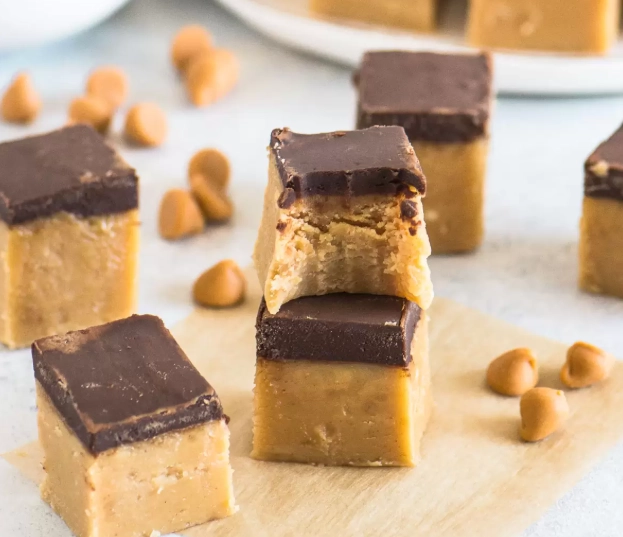
Leveling Up: Creative Variations on the Classic
Once you've mastered a basic batch of chocolate peanut butter fudge, the world is your oyster. Here are some crowd-pleasing twists:
- Sea Salt Caramel Swirl: Swirl in 1/2 cup of thick store-bought or homemade caramel sauce along with the peanut butter. Finish with a generous sprinkle of flaky sea salt.
- Crunchy Add-Ins: Fold in 1 cup of chopped pretzels, roasted peanuts, or even crispy rice cereal with the peanut butter for a fantastic texture contrast.
- Swirled Peanut Butter: Instead of mixing all the peanut butter in, reserve 1/4 cup. After pouring the fudge into the pan, drop dollops of the reserved peanut butter on top and drag a knife through to create marbled patterns.
- Espresso Kick: Add 1-2 teaspoons of instant espresso powder to the chocolate mixture. It doesn't make it taste like coffee, just deepens the chocolate flavor incredibly.
- White Chocolate Swirl: Melt 1/2 cup of white chocolate chips separately and swirl it into the pan for a visually stunning and deliciously sweet contrast.
Cutting, Storing, and Gifting Like a Pro
You've made perfect fudge. Now, don't ruin it with a bad cut or poor storage!
Cutting: Use a long, sharp knife. For clean cuts, run the knife under very hot water, wipe it dry, and make a single, firm cut. Wipe the blade and reheat between cuts. For squares, I like 1-inch pieces. They're the perfect bite-sized treat.
Storing: This is vital for maintaining quality. Fudge picks up odors and moisture from the fridge, so the best place to store it is in an airtight container at cool room temperature, layered between sheets of parchment or wax paper. According to food safety guidelines from sources like the USDA Food Safety and Inspection Service, properly prepared and stored candies like fudge are shelf-stable due to their low water activity. It will keep for 1-2 weeks this way. You can refrigerate it for up to 3 weeks, but let it come to room temperature before serving for the best texture and flavor. It freezes beautifully for up to 3 months. Thaw overnight in the fridge, then bring to room temp.
Gifting: A box of homemade chocolate peanut butter fudge is a fantastic gift. Put pieces in mini paper candy cups, then stack them in a decorative tin or box. Separate layers with parchment. Add a simple handwritten label. It feels personal and thoughtful, because it is.
Answering Your Burning Questions (FAQ)
I get asked these all the time. Let's clear them up.
Can I use natural peanut butter?
You can, but it's trickier. The oil separation can cause greasiness or prevent setting. If you want to use it, look for a "no-stir" natural variety or one that uses palm oil as a stabilizer. For your first few batches, stick with the standard stuff to guarantee success.
Why did my fudge turn out dry and crumbly?
This usually means it was overcooked (even by a few degrees) or beaten for too long once it started to cool. The sugar crystals formed a network that's too tight. Unfortunately, you can't fix it, but crumbled fudge makes an amazing ice cream topping!
Can I double the recipe?
For the no-cook microwave fudge, yes, just do it in batches. For the stovetop method, I don't recommend doubling. The larger volume can throw off the cooking time and temperature accuracy. It's safer to make two separate batches.
How do I know if my candy thermometer is accurate?
Test it! Bring a pot of water to a boil. At sea level, it should read 212°F (100°C). If it's off by more than a degree or two, note the difference and adjust your target temperature accordingly, or just get a new one. They're inexpensive.
Is evaporated milk the same as sweetened condensed milk?
Absolutely not! This is a critical distinction. Evaporated milk is unsweetened, canned milk with about 60% of the water removed. Sweetened condensed milk has had water removed and a lot of sugar added. They are not interchangeable in fudge recipes. Using the wrong one will lead to failure.
Wrapping It Up
Making incredible chocolate peanut butter fudge at home is totally within your reach. Whether you choose the patient, traditional path or the lightning-fast microwave miracle, the result is a homemade treat that blows anything store-bought out of the water. It's about understanding the simple science, respecting a few key steps (don't stir at the wrong time!), and not being afraid to get a little chocolate on your fingers.
The best part? The look on someone's face when you hand them a piece of fudge you made yourself. It's pure magic. So grab your saucepan or your microwave bowl, pick your recipe, and go for it. Your first batch of perfect, creamy, decadent chocolate peanut butter fudge is waiting.
And if your first try isn't perfect? Don't sweat it. Eat the evidence, figure out what might have happened, and try again. Even the "mistakes" are usually pretty delicious.
Reader Comments