Quick Guide
Let's be honest. When you hear "peanut butter," you probably think of a sticky sandwich with grape jelly, or maybe a cookie. It's a sweet, nostalgic thing. But what if I told you that you've been missing out on the best part? Peanut butter is a secret weapon for dinner, a magic ingredient that adds depth, creaminess, and a rich, nutty complexity that can turn a simple weeknight meal into something you'd order at a restaurant.
I used to be in the sweet-only camp. Then, a few years ago, I was trying to make a Thai-style sauce with what I had in the pantry. No tahini, no fancy nut butters. Just a nearly-empty jar of classic peanut butter. I threw it in with some soy sauce, lime, and chili flakes. The result wasn't just good; it was a revelation. The sauce clung to the noodles in a way oil-based sauces never could, and the flavor was both familiar and completely new. That's when I fell down the rabbit hole of savory peanut butter recipes.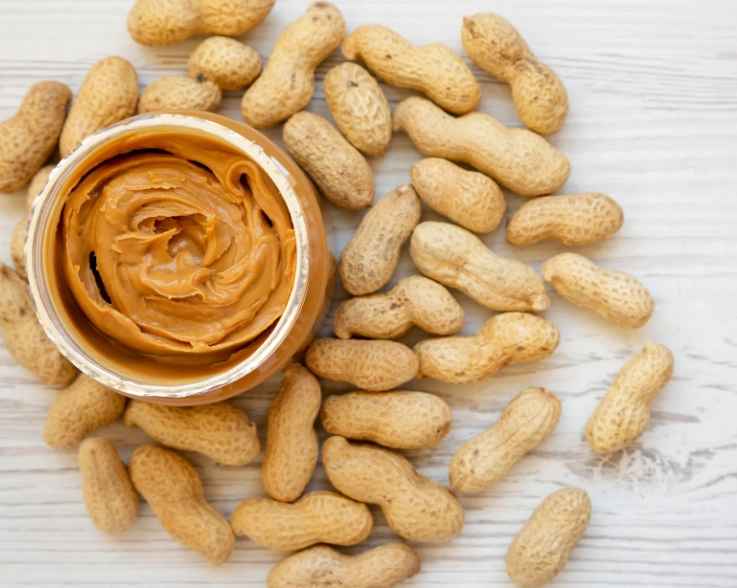
Why Peanut Butter Works So Well in Savory Dishes
It's not an accident. There's some food science at play here that makes peanut butter a fantastic savory ingredient.
First, it's packed with umami. That's the fifth taste, the savory depth you get from mushrooms, aged cheese, and soy sauce. Peanuts naturally contain glutamates, and the roasting process intensifies this. When you add peanut butter to a stew or sauce, you're boosting the umami level without needing a ton of salt.
Second, it's an incredible emulsifier. Have you ever tried to make a smooth, creamy sauce with just oil and vinegar? It separates. Peanut butter, with its fine nut particles and natural oils, helps bind water-based liquids (like vinegar, lime juice, or broth) with fats, creating a luxuriously smooth and creamy texture that won't break easily. This is the secret behind those perfect satay sauces.
And third, it's versatile. You can go in so many directions. Pair it with soy, ginger, and garlic for an East Asian profile. Blend it with tomatoes, cumin, and chili for an African-inspired groundnut stew. Whisk it into a salad dressing with a bit of miso. The possibilities are genuinely endless.
Your Savory Peanut Butter Pantry: The Flavor Pairings
Before we jump into recipes, let's talk about what to keep nearby. Peanut butter is a team player, and these are its best friends on the savory side.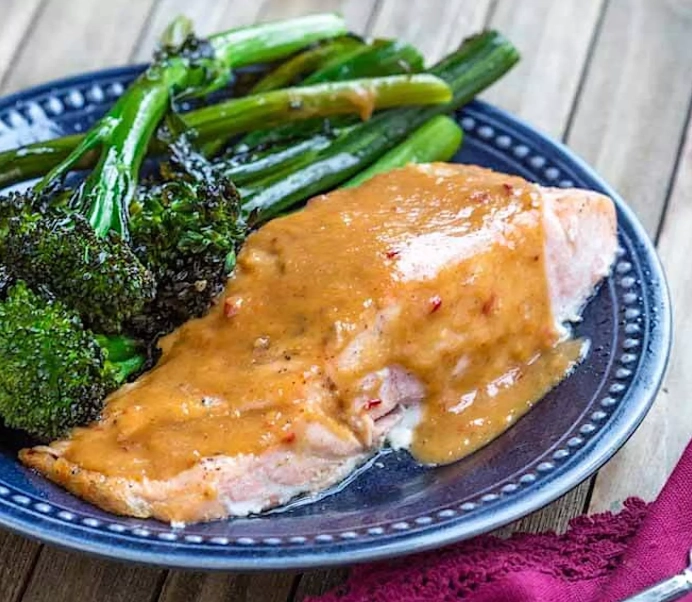
The Essential Savory Pairings
- Salty & Umami: Soy sauce, tamari, fish sauce, coconut aminos, miso paste, anchovy paste (trust me).
- Acidic: Lime juice, rice vinegar, apple cider vinegar, lemon juice, tamarind paste.
- Heat: Sriracha, sambal oelek, crushed red pepper flakes, fresh chilies, gochujang.
- Aromatics: Fresh garlic, ginger, scallions, shallots, lemongrass.
- Herbs & Freshness: Cilantro, Thai basil, mint, chopped peanuts for crunch.
- Richness & Body: Coconut milk, chicken or vegetable broth, sesame oil, tahini.
With these in your kitchen, you can improvise a sauce or marinade in minutes. The basic formula I use is: Peanut Butter + Something Salty + Something Acidic + Something Spicy + Aromatic + Liquid to thin. Adjust to taste. It's foolproof.
Top Savory Peanut Butter Recipes You Need to Try
Okay, let's get to the good stuff. Here are my absolute favorite ways to use peanut butter for dinner. These aren't just recipes; they're weeknight game-changers.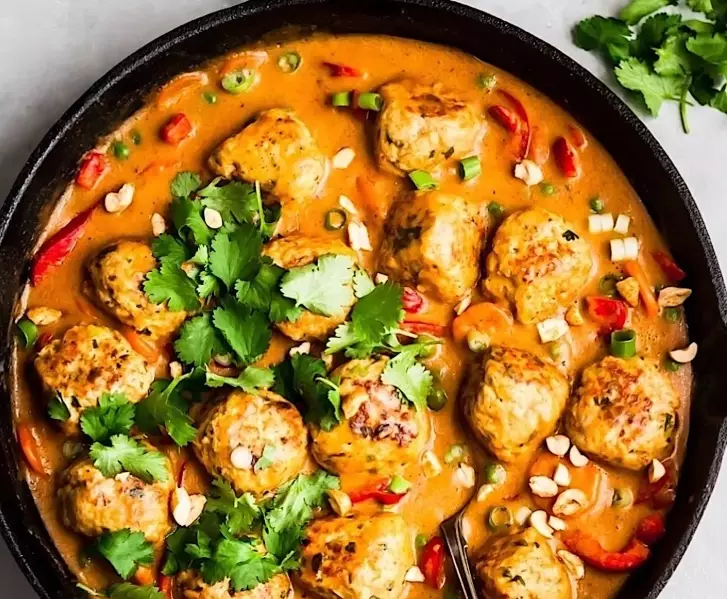
The Classic: Foolproof Chicken Satay with Peanut Sauce
This is the gateway drug to savory peanut butter recipes. Tender, marinated chicken skewers with that iconic, creamy-dreamy sauce. My version simplifies the marinating process without sacrificing flavor.
For the Chicken: Cut 2 chicken breasts into strips. Marinate for at least 30 minutes (or up to 4 hours) in a mix of 2 tbsp soy sauce, 1 tbsp oil, 1 tsp each minced garlic and ginger, and a squeeze of lime. Thread onto skewers and grill or broil until cooked through.
For the Legendary Sauce: This is where the magic happens. In a bowl, whisk together:
- 1/2 cup smooth peanut butter
- 2 tbsp soy sauce
- 1 tbsp rice vinegar or lime juice
- 1 tbsp honey or brown sugar (a tiny touch of sweetness balances it)
- 1 tsp grated fresh ginger
- 1 clove garlic, minced
- 1/2 tsp Sriracha or chili paste (more if you like heat)
- Thin with warm water, 2-3 tablespoons at a time, until it's a dippable, creamy consistency.
Taste. Always taste. Need more tang? Add lime. More depth? A dash more soy sauce. This sauce also doubles as a noodle dressing or salad drizzle.
Honestly, the sauce is so good you could eat it with a spoon. I sometimes double it and keep the extra in the fridge for up to a week. It thickens when cold, so just let it sit out for a bit or add a splash of warm water to loosen it up again.
The Comfort Food Hero: West African-Inspired Peanut Stew
If you've never had this, you're in for a treat. It's hearty, creamy, slightly sweet, and deeply savory. It's also incredibly flexible—use sweet potatoes, chicken, chickpeas, or whatever you have.
Here's my go-to method:
1. In a large pot, sauté a chopped onion, a diced bell pepper, and 2-3 minced garlic cloves in a bit of oil until soft.
2. Stir in 1 tbsp grated ginger and 1 tbsp tomato paste. Cook for a minute until fragrant.
3. Add 1 large sweet potato (peeled and cubed), a can of diced tomatoes (with their juice), and 4 cups of vegetable or chicken broth. Bring to a simmer and cook until the sweet potato is tender, about 15-20 minutes.
4. Now for the star: whisk in 1/2 to 3/4 cup of smooth peanut butter until fully melted into the broth. This transforms the soup into a luxurious stew.
5. Add a protein if you like: 2 cups of shredded cooked chicken or a can of drained chickpeas. Simmer for another 5-10 minutes.
6. Finish with a big handful of chopped spinach or kale until wilted. Season with salt, pepper, and a pinch of cayenne or crushed red pepper. A squeeze of lime at the end is non-negotiable for brightness.
Serve over rice or with crusty bread. It's the definition of comfort food and makes fantastic leftovers.
This stew freezes beautifully, too. I always make a big batch.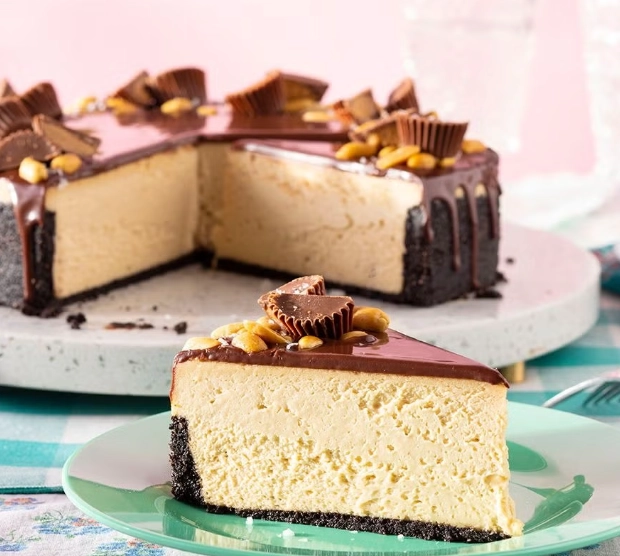
The Secret Weapon: Peanut Butter in Marinades and Salad Dressings
This is a less obvious use, but it's brilliant. Adding a spoonful of peanut butter to a marinade helps it cling to meat or tofu and creates a beautiful caramelized crust when cooked. For a simple marinade, mix 2 tbsp peanut butter, 3 tbsp soy sauce, 1 tbsp honey, 1 tbsp rice vinegar, and some garlic. Great for flank steak, chicken thighs, or firm tofu.
For dressings, it's a game-changer. It adds body without needing tons of oil. My favorite lazy salad dressing is: 2 tbsp peanut butter, 3 tbsp warm water, 1 tbsp soy sauce, 1 tbsp lime juice, 1 tsp maple syrup or honey, and a small grated garlic clove. Shake it all in a jar. It's creamy, tangy, and perfect for a crunchy cabbage salad or drizzled over roasted vegetables.
Choosing the Right Peanut Butter for Cooking
This trips a lot of people up. Walk down the nut butter aisle and you're faced with a dozen choices. Does it matter? Sometimes.
| Type of Peanut Butter | Best For | Notes & Considerations |
|---|---|---|
| Natural (Stir-Preferred) | Stews, chili, baked goods, eating by the spoonful. | Oil separation can be annoying. The texture might be a bit grainier in super-smooth sauces. Fantastic, pure peanut flavor. |
| Conventional Creamy (e.g., Jif, Skippy) | Silky sauces, dressings, satay, dips. | The added sugars and stabilizers help create an emulsified, velvety texture that's hard to beat. Flavor is consistent and slightly sweet. |
| Crunchy | Adding texture to sauces, toppings for noodle dishes or salads. | Can be blended into sauces for a bit of texture, but for perfectly smooth sauces, you might want to strain it. I love it in certain noodle dishes for the crunch. |
| Powdered Peanut Butter (PB2) | Lightening up sauces, adding peanut flavor without the fat/calories, dry rubs. | You need to rehydrate it. The flavor is good but less rich. The texture in sauces can be a bit chalky if not blended perfectly. Great for specific diet needs. |
My personal stash always has both a natural jar for toast and a conventional creamy one for cooking. Don't @ me.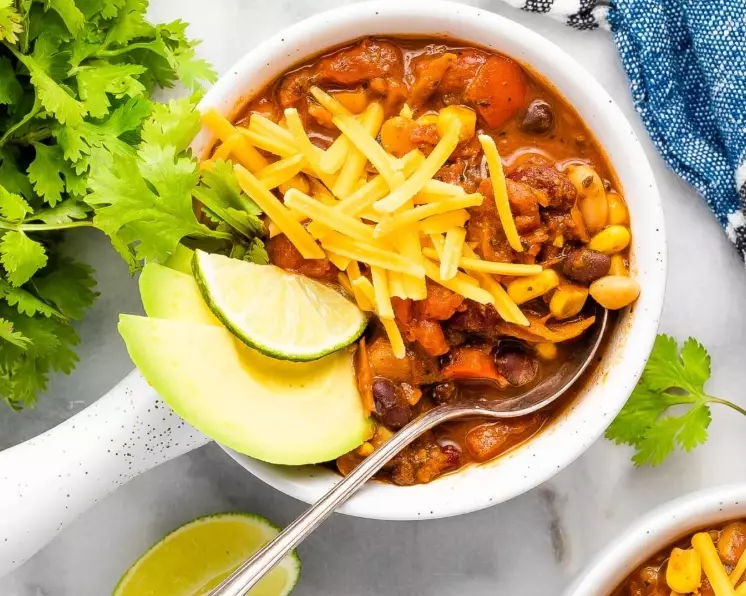
Answering Your Savory Peanut Butter Questions (FAQs)
Can I use savory peanut butter recipes if I have a peanut allergy?
This is crucial. If you have a peanut allergy, do not substitute with another nut butter in a recipe designed for peanut flavor without consulting an allergist. For those with non-peanut tree nut allergies, sunflower seed butter (sunbutter) can be a surprisingly good substitute in many sauces and stews, though the flavor will be different. Always check labels for cross-contamination warnings.
My peanut sauce turned out too thick/gloopy. How do I fix it?
This happens to everyone! The peanut butter absorbs liquid. Just thin it out with more warm water, broth, or even coconut milk, a tablespoon at a time, whisking well after each addition, until it reaches your desired consistency. If it's too thin, you can gently simmer it to reduce, or whisk in a tiny bit more peanut butter.
Are savory peanut butter recipes healthy?
It's a mixed bag, but it can be part of a healthy diet. Peanut butter itself provides protein, healthy fats, fiber, and vitamins. The health factor depends entirely on what you pair it with and the quantities. A sauce made with peanut butter, lime, and chili is great. One loaded with sugar and heavy coconut milk, less so. Peanuts are a good source of monounsaturated fats, which are heart-healthy. Resources like the Harvard T.H. Chan School of Public Health nutrition source note that peanuts and peanut butter can be part of a healthy dietary pattern. As always, balance is key.
How long do dishes with peanut butter sauce keep in the fridge?
Generally, 3-4 days in a sealed container. The acid (lime, vinegar) in most sauces acts as a mild preservative. Sauces may thicken in the fridge; just stir in a little warm water or broth when reheating. Stews often taste even better the next day as the flavors meld.
I only have sweetened peanut butter. Can I still use it for savory recipes?
Yes, but you'll need to adjust. The sweetness will be present. Counteract it by using less (or no) added sweetener like honey in the recipe, and bump up the salty (soy sauce) and acidic (lime juice) components. It will be a slightly different, but often still delicious, profile—leaning towards a Thai sweet chili peanut vibe.
Beyond the Recipe: Creative Uses and Hacks
Once you're comfortable, start experimenting. Here are some of my favorite off-book uses:
- Stir a spoonful into chili or bean soups: It adds an incredible depth and richness that people can't quite place. Try it in your next black bean soup.
- Peanut butter ramen upgrade: After cooking instant ramen, stir a teaspoon of peanut butter, a dash of soy sauce, and a drop of sesame oil into the broth. It's a dorm-room gourmet move.
- Use it as a base for a veggie burger binder: It helps hold beans and grains together and adds flavor.
- Make a "satay" style pizza sauce: Thin some peanut sauce with a bit of coconut milk and use it as a base for a chicken and veggie pizza. Sounds weird, tastes amazing.
The world of savory peanut butter recipes is vast and forgiving. It's about breaking the "breakfast and dessert only" rule and embracing peanut butter for what it truly is: a versatile, flavorful, and incredibly useful pantry staple that can make your dinners more interesting, more satisfying, and a whole lot more delicious.
So grab that jar from the back of your cupboard. Don't just make a sandwich. Make a sauce, a stew, a marinade. Your dinner routine will thank you.
Reader Comments