Quick Navigation
Let's talk about peanut butter cream pie. You know the one. That dreamy, no-bake dessert that shows up at potlucks and family gatherings, the one that somehow disappears from the pie plate before anything else. It's a classic for a reason. But here's the thing—I've had my fair share of disappointments. Pies where the filling was so sweet it made my teeth ache, or the crust turned into a sad, soggy mess. I once made one where the peanut butter flavor was completely lost, buried under a mountain of sugar. It was... forgettable.
That's why I spent way too much time in my kitchen, tweaking and testing, to find a formula that works every single time. This isn't about a fancy, complicated showstopper. It's about a reliably delicious, creamy, peanut-buttery pie that feels like a hug. The kind of peanut butter cream pie you'll be proud to serve and even happier to eat.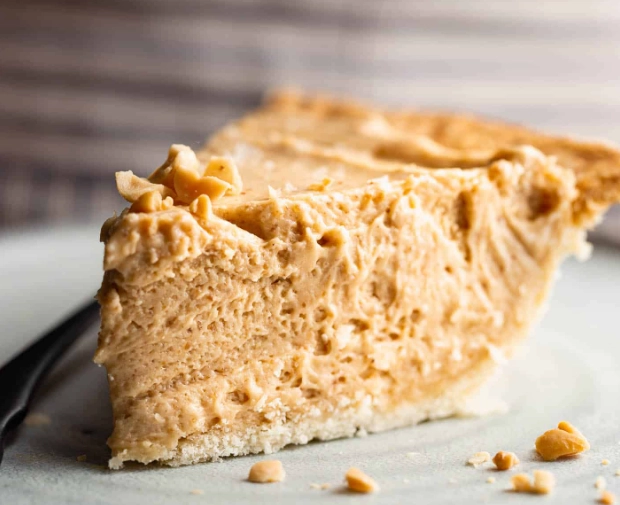
What Makes a Great Peanut Butter Cream Pie, Anyway?
Before we dive into the how-to, let's get on the same page about what we're aiming for. A stellar peanut butter cream pie rests on three pillars:
- The Crust: It needs structure and flavor. A graham cracker crust is the classic, but it can't be bland or, worse, fall apart when you slice it. It should be buttery, a little salty, and hold its own against the rich filling.
- The Filling: This is the star. The texture should be luxuriously smooth and creamy, almost like a mousse, but stable enough to slice cleanly. The peanut butter flavor must be front and center—nutty, roasty, and deep—not just a vague sweetness.
- The Balance: This is the secret most recipes miss. A great peanut butter cream pie isn't just sweet. It needs that salty kick from the peanut butter and crust to balance the sugar. It should feel rich but not heavy, satisfying but not cloying.
Too many recipes treat this pie as just a vehicle for sugar and cream cheese. We're aiming higher.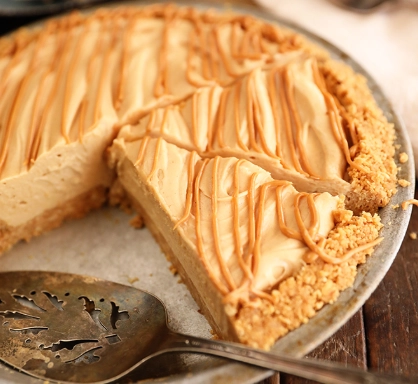
Building Your Pie: A Layer-by-Layer Deep Dive
Alright, let's get our hands dirty (figuratively, please wash them first). Making this pie is simple, but the details matter. A lot.
The Foundation: Choosing and Making the Perfect Crust
You have options here, and your choice will change the personality of your final peanut butter cream pie.
| Crust Type | Flavor Profile | Best For | Key Tip |
|---|---|---|---|
| Classic Graham Cracker | Sweet, honeyed, slightly malty. The familiar favorite. | Traditionalists and first-timers. Pairs perfectly with the peanut butter. | Use a full 1/4 tsp of salt in the crust mix. It makes all the difference. |
| Chocolate Cookie (Oreo) | Rich, chocolaty, less sweet than graham. | A Reese's Cup lover's dream. Creates a fantastic flavor contrast. | Remove the cream filling from the Oreos for a less sweet, more intense chocolate base. |
| Pretzel Crust | Salty, buttery, crunchy. The ultimate sweet & salty combo. | Those who want to cut through the richness. My personal favorite for a more grown-up pie. | Use fine pretzel crumbs, not chunks. Pulse in a food processor until sandy. |
| Store-Bought Pie Shell | Convenient, but often bland and soggy-prone. | Absolute last-minute desperation. I don't recommend it for a cream pie. | If you must, pre-bake it according to package directions and let it cool completely. |
My go-to is a graham cracker crust, but I doctor it up. For every 1.5 cups of crumbs, I use 6 tablespoons of melted butter (not 5, the extra helps it hold) and that crucial 1/4 teaspoon of fine sea salt. Press it firmly into the pie plate—up the sides too—using the bottom of a measuring cup. Then, and this is non-negotiable, you have to chill it. Pop it in the freezer for at least 20 minutes while you make the filling. A cold crust is your best defense against sogginess.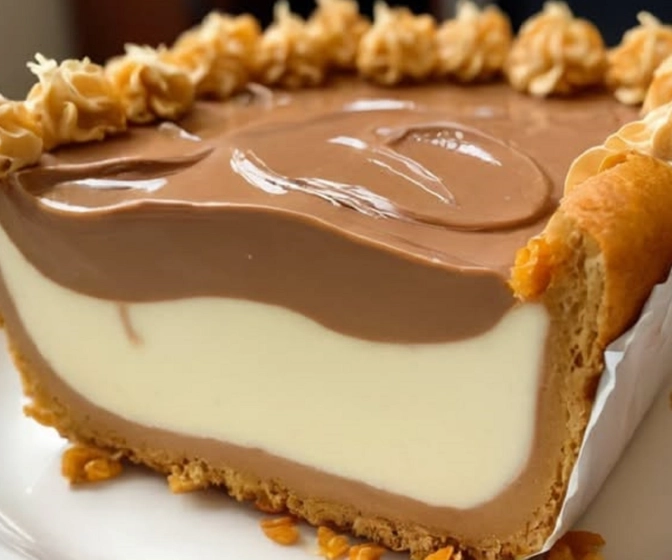
The Heart of the Matter: Crafting the Peanut Butter Filling
This is where the magic happens. The standard formula involves cream cheese, peanut butter, powdered sugar, and whipped cream. Sounds easy, right? The order of operations is everything.
- Start Cold, Stay Cold: Your cream cheese and heavy cream must be cold. Room temp cream cheese won't whip properly, and warm cream will never turn into stiff peaks. Take them out of the fridge right before you start.
- The Cream Cheese Base: Beat the cold cream cheese with an electric mixer until it's completely smooth and lump-free. This can take a full minute or two. Scrape down the bowl. Now add the peanut butter and beat again until it's one homogeneous, creamy mixture. I can't stress the scraping enough—you don't want a pocket of plain cream cheese hiding at the bottom.
- The Sugar Question: Now add the powdered sugar. Some recipes use granulated, but powdered sugar (also called confectioners' sugar) dissolves instantly and doesn't leave a gritty texture. Start with 3/4 cup. You can add more later if you want it sweeter, but trust me, you might not need to.
- The Secret Weapon: Whipped Cream. In a separate, clean bowl, whip the heavy cream with a bit of vanilla until you have stiff peaks. Don't whip it in the same bowl as the peanut butter mixture—it won't get enough air. Now, this is the crucial fold. Use a spatula and gently, patiently, fold the whipped cream into the peanut butter base. Don't stir or beat it. You're trying to keep all that air in the cream to make the filling light.
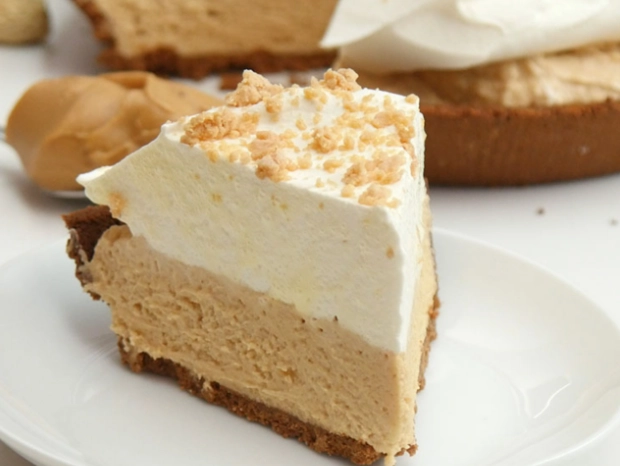
But wait, what about a cooked peanut butter cream pie filling? You know, the kind with a custard base? That's a different beast—incredibly smooth and rich, but more time-consuming. For a no-bake, crowd-pleasing version, the cream cheese and whipped cream method is king. It sets up firm in the fridge and delivers that iconic flavor.
Assembly, Toppings, and the Final Chill
You've got your chilled crust and your fluffy filling. Now, scoop all that peanut butter cream into the crust. Smooth the top with your spatula. Don't tap the pan on the counter to settle it—you'll deflate the filling.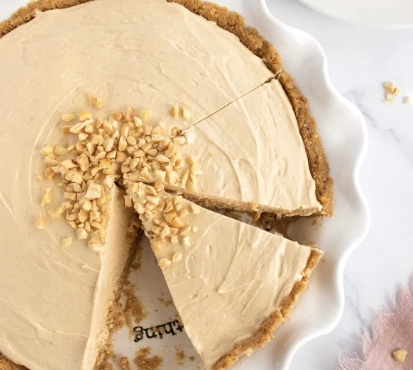
Toppings? They're optional but highly recommended. A simple drizzle of melted chocolate (a mix of semi-sweet and a touch of dark is perfect) is elegant. A sprinkle of chopped salted peanuts adds crunch and reinforces the flavor. Some people go all out with a layer of whipped cream on top. If you do, sweeten it lightly and pipe it on just before serving.
The most important step in making a peanut butter cream pie is one you don't even see: letting it chill. Four hours is the minimum. Overnight is ideal.
Seriously, walk away. Put it in the fridge, uncovered (so the top doesn't get sticky), and forget about it. This time allows the flavors to meld, the crust to set, and the filling to achieve its perfect, sliceable texture. A warm peanut butter cream pie is a sad, messy thing. Patience is a virtue that tastes like peanut butter.
Troubleshooting Your Peanut Butter Cream Pie
Things don't always go according to plan. Here's how to fix common issues.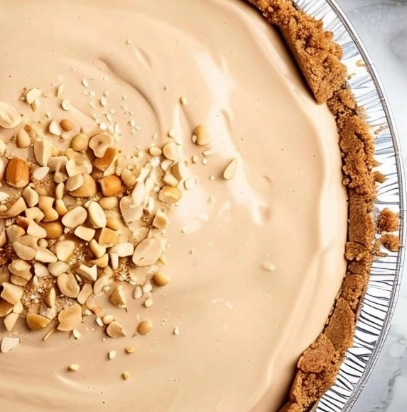
Frequently Asked Questions (The Good Stuff)
Beyond the Basic: Recipe Variations to Explore
Once you've mastered the classic, the world is your oyster... or, more appropriately, your peanut.
Chocolate Swirl Peanut Butter Cream Pie
After smoothing the filling into the crust, drizzle 1/3 cup of melted and slightly cooled chocolate (semi-sweet is great) over the top. Use a knife or toothpick to swirl it dramatically into the peanut butter filling. It creates a gorgeous marbled effect and a killer flavor combo.
Frozen Peanut Butter Cream Pie
A summer lifesaver. Assemble the pie as usual, but instead of refrigerating, wrap it tightly in plastic wrap and freeze for at least 6 hours. Let it sit on the counter for 10-15 minutes before slicing. The texture becomes like a firm, creamy ice cream pie. Amazing.
You could also layer in some raspberry jam at the bottom of the crust, or mix mini chocolate chips into the filling. A banana cream peanut butter hybrid? Don't tempt me.
Pairing and Serving Your Masterpiece
A slice of this pie is rich. I love serving it with a hot cup of black coffee or a glass of cold milk—the ultimate classic pairing. For adults, a glass of tawny port or a coffee stout beer can be a surprisingly good match, cutting through the sweetness.
Presentation-wise, a simple white plate lets the pie shine. A tiny extra pinch of sea salt on top of the chocolate drizzle right before serving? Chef's kiss.
The Final Word
Look, at its core, a peanut butter cream pie is a simple dessert. But simple doesn't have to mean mediocre. By paying attention to the quality of your peanut butter, taking the time to chill your components, and balancing the sweet with the salty, you transform it from a standard potluck offering into something truly special.
It's the kind of dessert that makes people ask for the recipe. It's the pie you make when you want to show someone you care, without saying a word. It's comfort food at its finest.
So grab your mixer, choose your crust, and get ready to make the best peanut butter cream pie of your life. Don't rush the chilling. Savor the process. And for goodness' sake, save a slice for yourself.
Now, if you'll excuse me, all this writing has made me crave a slice. I think I have one left in the fridge...
Reader Comments