Quick Guide to Peanut Butter Recipes
We all have that jar. Sitting in the pantry, sometimes next to the jelly, sometimes looking a bit lonely. For years, mine was just for sandwiches or the occasional desperate spoonful straight from the jar at 3 PM. It felt... simple. Maybe even a bit boring. But then I started messing around in the kitchen, and let me tell you, I was completely wrong. That humble jar is one of the most versatile ingredients you own.
Think about it. Peanut butter is rich, creamy (or crunchy!), salty, sweet, and packed with protein. It can be the star of a show-stopping dessert, the secret umami punch in a savory sauce, or the glue that holds a healthy snack together. The range of possible peanut butter recipes is honestly staggering once you break free from the two-slice mindset.
This guide isn't just a list of instructions. It's more like a conversation from one home cook to another. We'll walk through the sweet classics, explore some genuinely healthy options (no, not just adding chia seeds to sugar cookies), and dive into the seriously underrated world of savory peanut butter dishes. I'll share what worked for me, what didn't, and the little tricks that make all the difference.
Ready to see your pantry staple in a whole new light? Let's go.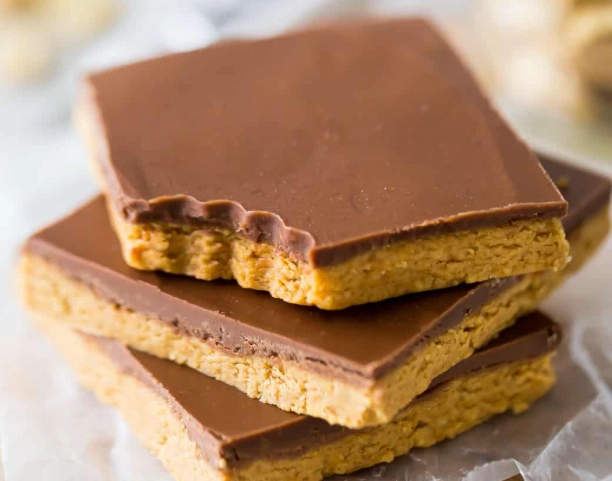
Three Core Categories of Peanut Butter Recipes: Finding Your Flavor
Before we get to the specifics, it helps to think about what you're in the mood for. Peanut butter's magic is its chameleon-like ability to fit in anywhere. I like to break down my kitchen experiments into three big buckets.
The Classics: Sweet Treats & Comfort Baking
This is where most of us feel at home. The smell of peanut butter cookies baking is basically a hug from your oven. But even within the classics, there's room to play.
Everyone needs a go-to peanut butter cookie recipe. Mine is simple, chewy in the middle, with just enough crispness on the edges. The key? Using a mix of brown and white sugar, and not over-baking them. They should look a tiny bit underdone when you take them out—they'll firm up perfectly as they cool.
But why stop there? Swirling peanut butter into brownie batter creates these incredible marbled pockets of salty-sweet goodness. It cuts through the intense chocolate in a way that's just brilliant. And let's talk about no-bake options. Peanut butter balls (sometimes called "buckeyes" if you partially dip them in chocolate) are a lifesaver when you need a sweet fix but don't want to turn on the oven. They're also a great way to get kids involved in the kitchen.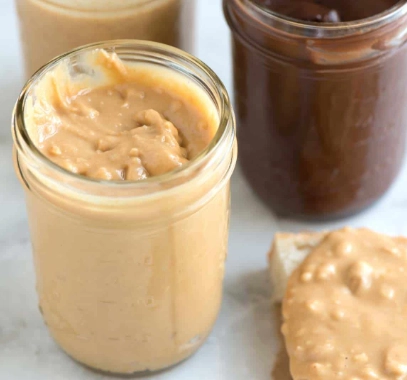
My Favorite Quick Fix: A "peanut butter cup" smoothie bowl. Blend a frozen banana, a big spoonful of peanut butter, a splash of milk (any kind), and a tablespoon of cocoa powder. Top with granola and a tiny extra drizzle of PB. It tastes like dessert but feels like a decent breakfast. This is one of those healthy peanut butter recipes that doesn't taste like a compromise.
Health-Conscious & Energy-Boosting Creations
This category is where a lot of store-bought "health" snacks fail miserably. They're either dry, taste like cardboard, or are secretly loaded with sugar. Homemade is the only way to go if you want control.
The real power of peanut butter here is its fat and protein content. It adds staying power. A drizzle on apple slices is good, but let's build something more substantial. Oatmeal gets transformed with a spoonful stirred in—it makes it creamy and rich. For a solid snack, energy bites are king. You can mix rolled oats, peanut butter, a touch of honey or maple syrup, and add-ins like mini chocolate chips, chopped dates, or flax seeds. Roll them into balls, and you've got grab-and-go fuel.
Honestly, some "healthy" peanut butter snack bars are just candy in disguise. The trick is to use the peanut butter itself as both the binder and a primary flavor, so you don't need to add a ton of extra sweeteners. I also love using it in savory applications for health—like a satay-style sauce for grilled chicken skewers, which feels indulgent but is mostly just peanuts, a little soy, and some spices.
It's worth checking the label on your peanut butter jar for this kind of cooking. The USDA's FoodData Central is a fantastic resource if you're curious about the specific nutritional breakdown of different brands and types.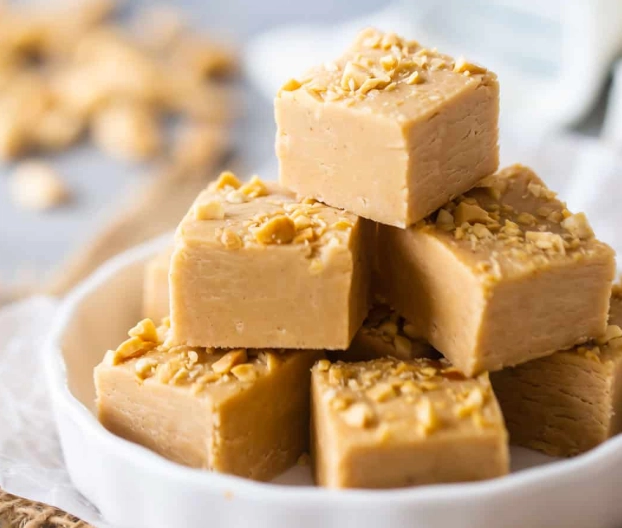
The Surprising World of Savory Peanut Butter Dishes
This is the category that blew my mind and might be the biggest content gap compared to other recipe lists online. Peanut butter isn't just for sweets! In many global cuisines, it's a cornerstone of savory sauces.
The most famous example is probably the West African peanut stew, often made with chicken, sweet potatoes, and tomatoes. The peanut butter thickens the broth and gives it a deep, nutty, comforting flavor that's unlike anything else. It's a one-pot wonder that's become a regular in my winter rotation.
Then there's the classic Thai peanut sauce. You can buy it in a bottle, but making it at home is so easy and tastes infinitely better. It's just peanut butter thinned with coconut milk or water, seasoned with soy sauce, lime juice, a bit of sweetener (like honey or brown sugar), garlic, and ginger. Adjust the ratios to your taste—more lime for tang, more chili for heat. This sauce is magic on noodles (hello, peanut noodles!), as a dip for spring rolls, or as a dressing for a cold noodle salad.
I even started adding a small spoonful to my homemade burger patties or meatloaf mix. It adds moisture and a subtle, savory depth that people can't quite place. Don't knock it 'til you've tried it.
Pro Tip for Savory Use: Start with natural, unsweetened peanut butter for savory dishes. The added sugar in many conventional brands can throw off the flavor balance of a sauce or stew. You want the pure, roasted peanut flavor to shine through.
Mastering the Basics: Peanut Butter Selection & Kitchen Techniques
Not all peanut butters are created equal, and the type you choose can make or break your recipe. It's not just about creamy vs. crunchy (though that matters too).
| Type of Peanut Butter | Best Used For | Watch Out For |
|---|---|---|
| Conventional Creamy (like Jif, Skippy) | Classic baking (cookies, bars), no-bake treats, smooth sauces. The added stabilizers give predictable results. | Can be too sweet for savory dishes. Oil separation isn't an issue. |
| "Natural" Creamy (oil on top) | Savory sauces, drizzling, health-focused recipes, smoothies. Pure peanut taste. | You MUST stir thoroughly! Can be harder to incorporate into some doughs. |
| Crunchy / Chunky | Adding texture to cookies, energy bites, or as a topping. Some people swear by it for sandwiches. | Not ideal for perfectly smooth sauces or frostings. |
| Powdered Peanut Butter (like PB2) | Reducing fat/calories in smoothies, shakes, or as a dry flavoring in oatmeal or yogurt. | Lacks the fat content needed for structure in baking. Won't behave the same as regular PB. |
My personal cupboard usually has two jars: a natural one for everyday spreading and savory work, and a conventional creamy one specifically for my favorite cookie recipe. It just works better.
Now, let's talk technique. The number one question I get is about texture.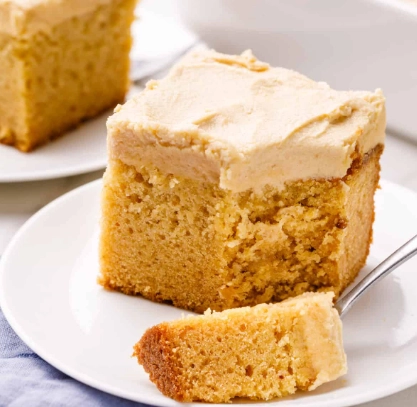
Why is my peanut sauce too thick?
You just need to thin it. Add your liquid (water, coconut milk, broth, lime juice) a tablespoon at a time, whisking vigorously after each addition. It will seize up at first, then suddenly become smooth and creamy. Don't panic—just keep adding liquid and stirring.
Why did my peanut butter frosting get greasy?
This usually happens if the butter or peanut butter was too warm. Everything should be at cool room temperature. If it starts to look curdled or oily, pop the whole bowl in the fridge for 15-20 minutes, then whip it again. Often that's enough to bring it back together.
For baking, measure your peanut butter correctly. For the "natural" kind that separates, stir the entire jar vigorously first, then spoon it into your measuring cup and level it off. Don't scoop from the hard-packed bottom or the oily top.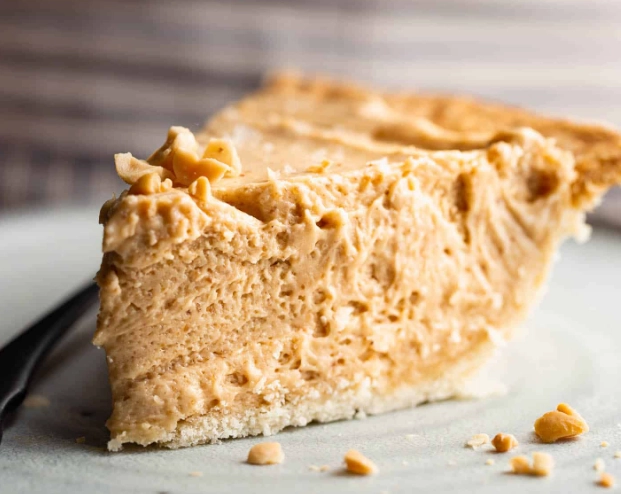
Answering Your Peanut Butter Recipe Questions (The FAQ)
Important: Always be aware of severe peanut allergies, both for yourself and anyone you might be cooking for. Cross-contamination is a serious risk. If allergies are a concern, opt for a seed butter and thoroughly clean all utensils and surfaces.
Putting It All Together: A Week of Peanut Butter Inspiration
Let's make this practical. Here’s how I might use one jar across a few days to show its versatility.
- Monday Breakfast: Stir a spoonful into my morning oatmeal with a sliced banana.
- Tuesday Lunch: The obvious—a good old-fashioned sandwich. But maybe with apple slices instead of jelly for a change.
- Wednesday Dinner: Whip up a quick Thai peanut sauce for grilled chicken and broccoli over rice.
- Thursday Snack: Apple slices or celery sticks with peanut butter.
- Friday Treat: Bake a small batch of those classic peanut butter cookies to share (or not).
- Saturday Project: Make a big pot of African peanut stew—it tastes even better as leftovers.
- Sunday Prep: Mix up a batch of no-bake energy bites for the coming week's snacks.
See? One jar, endless possibilities. It goes from breakfast to dinner, from snack to dessert.
The beauty of peanut butter recipes is their accessibility. You don't need fancy equipment or obscure ingredients. You just need a willingness to experiment a little bit. Start with a recipe that sounds good to you—maybe it's the savory noodles or the energy bites. Get a feel for how the peanut butter behaves. Taste as you go. Adjust the sweetness, the saltiness, the thickness to suit your palate.
That jar in your pantry isn't just a sandwich spread. It's a shortcut to creaminess, a boost of flavor, and the secret to countless easy, satisfying meals and snacks. I hope this guide gives you the confidence to open it up and start creating something delicious, whether you're in the mood for something sweet, healthy, or surprisingly savory.
The best kitchen tool you have is your own taste. Recipes, including these peanut butter ideas, are just maps. You're the driver.
Reader Comments