In This Guide
- The Foundation: Your Go-To Classic Peanut Butter Pie Recipe
- Beyond the Classic: Exploring Different Peanut Butter Pie Styles
- The Nitty-Gritty: Ingredients & Tools That Actually Matter
- Why Did My Pie Turn Out That Way? Troubleshooting Common Issues
- A Slice of History: Where Did Peanut Butter Pie Come From?
- Your Peanut Butter Pie Questions, Answered (FAQ)
Let's talk about peanut butter pie. You know the one. That impossibly creamy, sweet-and-salty dessert that shows up at potlucks and family gatherings, the slice that always disappears first from the dessert table. It's not fancy, but it's deeply comforting. It's the kind of dessert that feels like a hug. But here's the thing – making a truly great peanut butter pie isn't as simple as just mixing peanut butter and sugar. There's a fine line between a slice of heaven and a dense, overly sweet brick. I've made both, trust me.
My first attempt at a homemade peanut butter pie was... educational. The filling was gritty, the crust soggy. It was edible, but it wasn't the smooth, cloud-like experience I was after. That failure sent me down a rabbit hole of recipe testing, reading old community cookbooks, and pestering my aunt for her "secret" (it's a pinch of salt in the whipped cream, by the way).
This guide is everything I wish I'd known. We're going to move beyond just a single recipe. We'll explore the different styles, tackle the common pitfalls (so you don't make my mistakes), and answer every question you might have. Whether you're a baking newbie or just looking to perfect your technique, there's something here for you. The goal is simple: to help you make a peanut butter pie that's so good, people ask you for the recipe.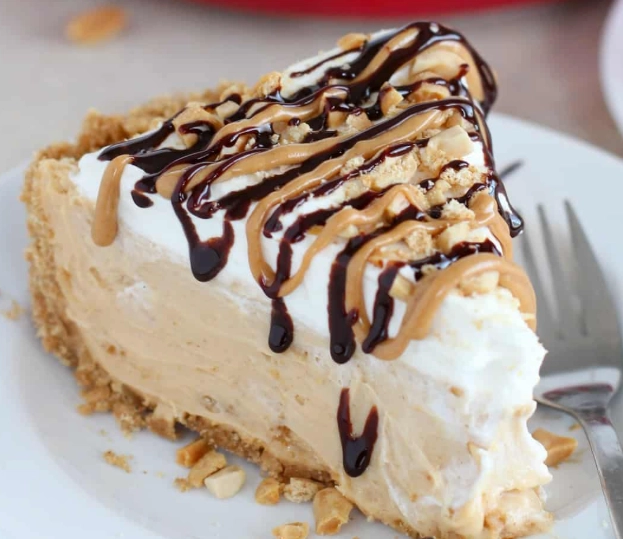
I still remember the look on my dad's face when I finally nailed the recipe. He took one bite, closed his eyes, and just said, "Now that's a peanut butter pie." That's the moment we're aiming for.
The Foundation: Your Go-To Classic Peanut Butter Pie Recipe
Every journey needs a starting point. This is my workhorse recipe, the one I've tweaked over the years until it just works. It's a no-bake version, which makes it perfect for hot days or when you don't want to turn on the oven. The texture is light yet rich, with a clear peanut butter flavor that isn't drowned in sugar.
You'll need an electric mixer for this. A stand mixer is great, but a hand mixer works perfectly fine. Just make sure your cream cheese and heavy cream are very cold. This is non-negotiable for getting the right texture.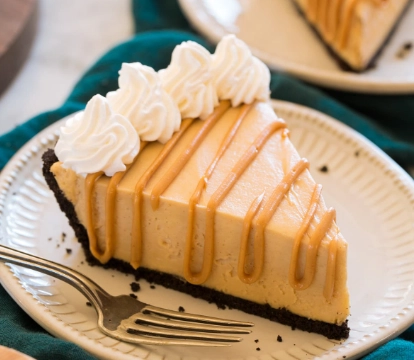
Ingredients You'll Need to Gather
- For the Crust: 1 and 1/2 cups of chocolate graham cracker crumbs (about 10-12 full sheets), 1/4 cup granulated sugar, 6 tablespoons of melted unsalted butter.
- For the Filling: 8 ounces of full-fat brick cream cheese, softened just enough to beat. 1 cup of creamy peanut butter. I have strong opinions on this – use a standard, processed peanut butter like Jif or Skippy for this recipe. The natural, oil-separating kind can make the filling greasy and unstable. 1 cup of powdered sugar (sifted if it's lumpy). 1 teaspoon of pure vanilla extract. A tiny pinch of fine sea salt. 1 and 1/2 cups of heavy whipping cream (36% fat).
- For the Topping (Optional but Recommended): More whipped cream, chocolate shavings, or a drizzle of melted peanut butter and chocolate.
The Step-by-Step Process, Demystified
First, the crust. Mix the crumbs, sugar, and melted butter until it looks like wet sand. Press it firmly and evenly into a 9-inch pie plate. I mean really press it – up the sides and all. Use the bottom of a measuring cup to get it compact and flat. Pop it in the freezer for at least 15 minutes. This sets the butter and prevents a soggy bottom later.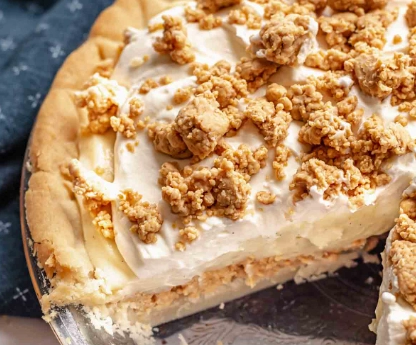
Now, the filling. In a large bowl, beat the cold cream cheese on medium speed until it's completely smooth, about 1 minute. Scrape down the sides. Add the peanut butter, powdered sugar, vanilla, and salt. Beat again until everything is combined and smooth. It'll be thick.
Here's the crucial part. In another clean, cold bowl, beat the heavy cream on medium-high speed until stiff peaks form. Don't walk away. It goes from soft peaks to over-whipped (and grainy) quickly. You want peaks that hold their shape firmly when you lift the beaters.
Gently fold about one-third of the whipped cream into the peanut butter mixture. This lightens it up. Then, carefully fold in the remaining whipped cream until no white streaks remain. Be gentle – you want to keep all that air you whipped in. Pour this dreamy filling into your waiting crust and smooth the top.
Pro Tip: Run a knife under hot water, dry it, and use it to smooth the top of the filling for a super clean, professional look.
Cover the pie loosely with plastic wrap and refrigerate for at least 6 hours, but overnight is truly best. This long chill is what allows the flavors to meld and the texture to set up perfectly. It's the hardest part – waiting.
That's it. The classic, no-bake peanut butter pie. But what if you want to bake it? Or make it with chocolate? Or maybe you're gluten-free? Let's keep going.
Beyond the Classic: Exploring Different Peanut Butter Pie Styles
Not all peanut butter pies are created equal. The style you choose depends on your mood, your audience, and maybe what ingredients you have on hand. Here’s a breakdown of the most popular variations.
| Style | Key Characteristics | Best For... | My Personal Take |
|---|---|---|---|
| Classic No-Bake | Creamy, mousse-like filling. Graham cracker crust. Light texture. | Summer, beginners, quick prep. Potlucks. | My personal favorite. The texture can't be beat when done right. |
| Baked Peanut Butter Pie | Denser, custard-like filling. Often has a pastry crust. Richer flavor. | Winter holidays, those who prefer a more substantial dessert. | Heavier and very rich. A small slice goes a long way. Can be overly sweet if not balanced. |
| Chocolate Peanut Butter Pie | Layers or swirls of chocolate. Chocolate cookie crust is common. | Chocolate lovers (so, everyone). Special occasions. | The crowd-pleaser. Adding a layer of ganache under the filling is a game-changer. |
| "Healthier" Versions | Uses ingredients like Greek yogurt, dates, natural peanut butter. | Everyday treats, dietary restrictions. | Can be tasty but manage expectations. It's a different dessert, not a direct substitute. |
| Icebox Pie (Old-Fashioned) | Often includes a layer of custard or pudding. Very retro. | Nostalgia. Fans of vintage recipes. | Sometimes uses instant pudding mix. Incredibly easy but can taste... well, like the box. |
See what I mean? That no-bake recipe we just did is just the tip of the iceberg. The baked version is a whole different beast. It usually involves eggs, cornstarch, and milk or cream, cooked on the stove into a thick pastry cream before being poured into a pre-baked pie shell and then baked again to set. It's more work, and in my opinion, it's easier to end up with a rubbery texture if you over-bake it.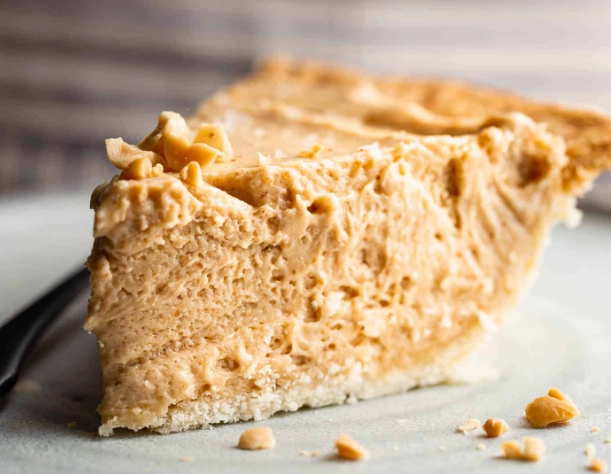
The chocolate combo is where most people's minds go. You can make a simple chocolate crumb crust (swap the graham crackers for Oreo crumbs, omit the sugar), or add a layer of dark chocolate ganache before adding the peanut butter filling. Some recipes even mix melted chocolate right into the peanut butter filling. It's decadent.
Watch Out: Be cautious with recipes that rely solely on whipped topping (like Cool Whip) instead of real whipped cream. They're stable and easy, but the flavor is artificial and the mouthfeel is... waxy. I'm not a fan. A combo of real cream and a bit of cream cheese for stability gives you the best of both worlds.
The Nitty-Gritty: Ingredients & Tools That Actually Matter
You can follow a recipe to the letter, but if you start with the wrong stuff, you're fighting an uphill battle. Let's break down the key players.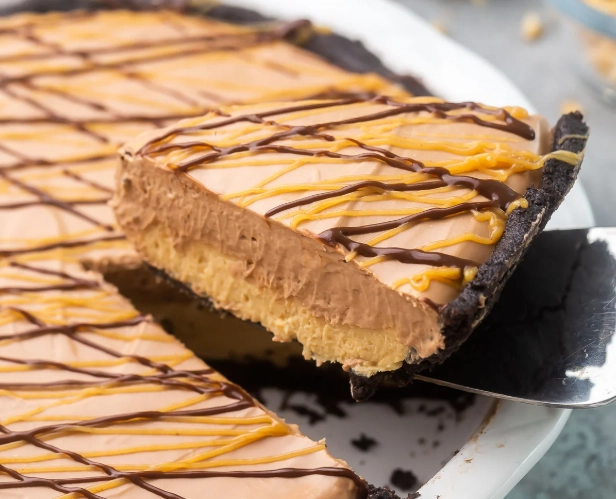
The Great Peanut Butter Debate: Creamy, Crunchy, Natural, or Processed?
This is the heart of the pie. Your choice here defines everything.
- Processed Creamy (Jif, Skippy, etc.): The gold standard for a classic peanut butter pie. It's emulsified, so the oils don't separate. It's consistently sweet and salty, and it blends into a smooth, homogenous filling without making it oily. This is what I recommend for 90% of recipes.
- Natural Peanut Butter (Ingredients: just peanuts, maybe salt): Tricky. You must stir it thoroughly to reincorporate all the oil, and even then, it can separate in your filling as it chills, creating a greasy layer. The flavor is more intense and less sweet. If you're committed to natural, look for a "no-stir" variety or be prepared for a different texture.
- Crunchy Peanut Butter: Adds wonderful texture! I love using it. Just know your filling won't be perfectly smooth, which some people actually prefer. You get little bursts of peanut.
The National Peanut Board has great resources on the different types of peanut products, which can help you understand the science behind the spread.
Other Key Ingredients
Cream Cheese: Full-fat, brick-style. The spreadable kind in a tub has different stabilizers and more water, which can thin your filling.
Heavy Cream/Heavy Whipping Cream: Must be cold. The high fat content (36% or more) is what allows it to whip up into stiff, stable peaks. Don't try to substitute half-and-half or milk.
Crust Options: Chocolate graham is classic. Vanilla graham or digestive biscuits work. For a chocolate crust, use Oreo crumbs (the filling included – it acts as extra binder). For a nuttier crust, try pulsing toasted peanuts with graham crackers. Pre-made crusts are a fine shortcut for a busy week, but a homemade one tastes noticeably better.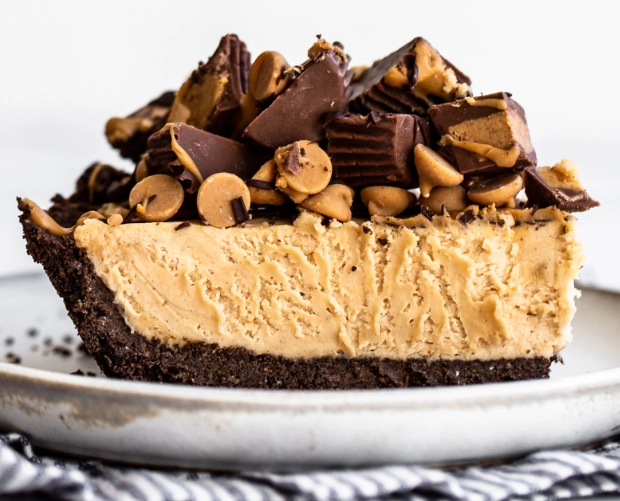
Essential Tools (You Probably Already Have Them)
A 9-inch pie plate (glass or ceramic is best for seeing the crust color). Mixing bowls. An electric mixer – a hand mixer is perfectly adequate. A rubber spatula for folding and scraping. A food processor for making crumbs, or you can put crackers in a zip-top bag and roll them with a rolling pin. That's really it. You don't need fancy equipment to make an incredible peanut butter pie.
Why Did My Pie Turn Out That Way? Troubleshooting Common Issues
We've all been there. The pie looks perfect, you take a bite, and something's off. Here's a diagnostic guide.
Problem: The filling is runny and won't set.
Likely Cause: Under-whipped cream, over-folded filling (deflated the cream), or not chilling long enough. Also, using low-fat cream cheese or a natural peanut butter that separated.
The Fix: Chill it longer (overnight). Next time, whip the cream to very stiff peaks and fold with a light hand.
Problem: The filling is too dense or gummy.
Likely Cause: Over-mixing after adding the whipped cream, or using a peanut butter that's too thick/stiff.
The Fix: Not much for this batch, sadly. Serve it with extra whipped cream to lighten it up. Next time, ensure your peanut butter is at room temperature and mix just until combined.
Problem: The crust is soggy.
Likely Cause: Not pressing it firmly enough, not chilling/par-baking it before adding filling, or the filling was too warm.
The Fix: Always chill a no-bake crust for 15+ minutes. For a baked crust, let it cool completely. Make sure your filling is cool when you assemble.
Sometimes, the issue is just flavor. "It's not peanut-buttery enough!" That often means your peanut butter is bland. Taste it straight from the jar. If it's not delicious on its own, it won't be magical in a pie. Splurge on a brand you love.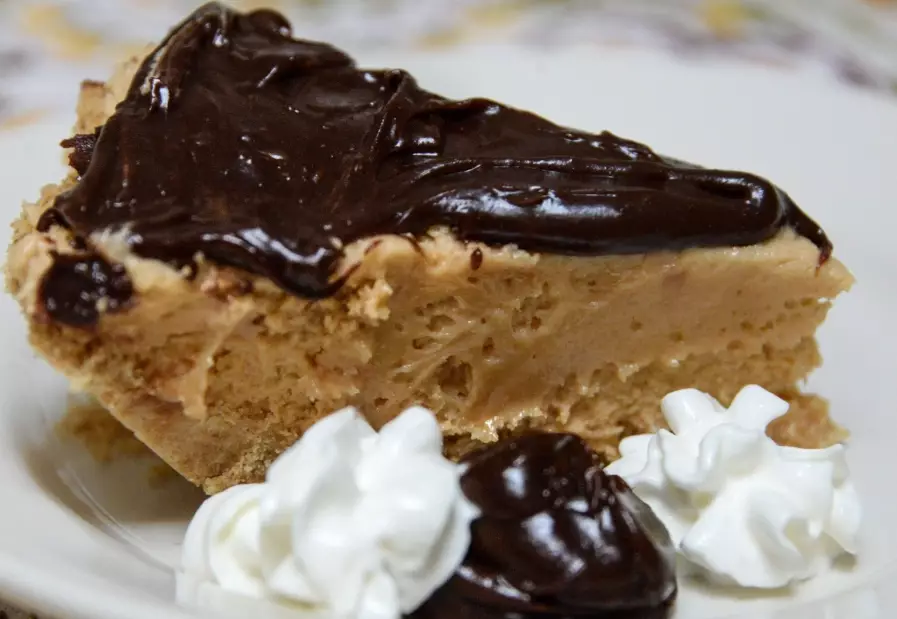
A Slice of History: Where Did Peanut Butter Pie Come From?
It's hard to pin down the exact origin. It feels like a truly American, mid-20th century invention, born in the era when cream cheese, canned whipped topping, and processed peanut butter became pantry staples. You won't find it in very old cookbooks. It likely evolved from other cream pies and chiffon pies, with peanut butter stepping in as the star flavor.
Its popularity undoubtedly soared because it's a no-bake dessert, perfect for the home cook. It's a staple in the American South and Midwest, frequently appearing in church cookbooks and community fundraisers. There's no single "authentic" recipe, which is kind of beautiful. Every family has their version – some with a chocolate layer, some with a banana layer underneath, some topped with peanuts.
The USDA's Food Safety website is a great resource for understanding safe handling of the dairy and eggs used in some baked versions, which is important for public health.
Your Peanut Butter Pie Questions, Answered (FAQ)
I get asked these all the time. Let's clear them up.
Can I make a peanut butter pie ahead of time?
Absolutely. In fact, you should. It needs that long chill to set properly. You can make it up to 2 days in advance. Keep it covered in the fridge. The crust might start to soften slightly on day 3, but it'll still be tasty.
How long does peanut butter pie last in the fridge?
3-4 days is the sweet spot. The texture is best within the first 48 hours. Always keep it covered with plastic wrap or in a pie carrier.
Can you freeze peanut butter pie?
You can, but with caveats. The texture of the whipped cream filling will change upon thawing – it can become slightly grainy or weep a little liquid. If you must freeze it, do so without any whipped cream topping, wrap it extremely well in plastic and foil, and thaw it slowly in the fridge. It'll still taste good, but it won't be as pristine.
My pie is too sweet! How can I fix that?
This is the most common complaint. For next time: use a natural peanut butter with no added sugar, reduce the powdered sugar by 1/4 cup, or add an extra pinch of salt to the filling. Salt is the best counterbalance to sweetness. For the pie you already have, serve it with unsweetened whipped cream or a bitter coffee to cut the sugar.
What's the best way to cut a clean slice?
Run a long, thin knife under very hot water for 10 seconds, wipe it dry, and cut. Repeat for each slice. The heat helps the knife glide through the cold filling without dragging and making a mess.
Can I make this gluten-free or vegan?
Gluten-free is easy: use certified gluten-free graham crackers or cookies for the crust. Vegan is trickier but possible. You'd need to substitute the cream cheese (cashew cream or vegan cream cheese), the heavy cream (coconut cream whipped), and use a vegan peanut butter. It becomes a different, but potentially delicious, recipe. I've had mixed results – sometimes it's amazing, sometimes it's just okay.
So, there you have it.
From choosing your peanut butter to slicing the final product, we've covered the map. Making a great peanut butter pie isn't about complex techniques. It's about attention to a few key details: cold ingredients, properly whipped cream, a well-chilled crust, and most importantly, patience while it sets.
Don't be afraid to make it your own. Add a layer of sliced bananas. Swirl in some raspberry jam. Top it with candied bacon if you're feeling wild. The basic formula is a forgiving canvas. Start with the classic recipe, get comfortable with it, and then start experimenting.
At the end of the day, a homemade peanut butter pie is about sharing something simple and profoundly satisfying. It's not a show-off dessert. It's a generous one. It says, "Come on over, have a seat, and let's have a slice of something good." And really, what's better than that?
Now go make one. Your people will thank you.
Reader Comments