Quick Navigation
- What Exactly Is Peanut Butter Sauce?
- Your Foolproof Foundation: How to Make Peanut Butter Sauce
- Beyond the Basics: A World of Peanut Butter Sauce Variations
- Putting It to Work: How to Use Peanut Butter Sauce (The Ultimate List)
- Storing, Reheating, and Fixing Common Problems
- Answering Your Peanut Butter Sauce Questions
Let's talk about peanut butter sauce. You know, that magical, creamy, sometimes sweet, sometimes savory concoction that can turn a boring bowl of noodles into a feast, or make a simple fruit platter feel like dessert. I'm not just talking about the stuff you might get with satay, though that's a classic. I'm talking about the whole world of possibilities that opens up when you start thinking of peanut butter as a sauce base, not just something you spread on toast.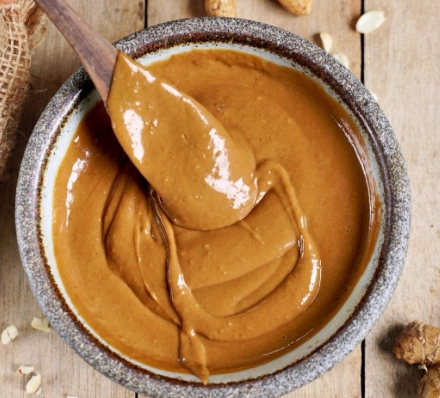
I got into making my own peanut butter sauce out of sheer frustration, honestly. The store-bought versions? Too sweet, too thick, or full of ingredients I couldn't pronounce. I wanted something I could control, something that could be a quick dinner hero on a Tuesday night and a fancy dipping sauce for a Saturday party. And after years of experimenting (and yes, a few failed, too-salty or too-gloppy batches), I've learned a thing or two.
This guide is everything I wish I'd known when I started. We'll go way beyond the basic recipe. We'll troubleshoot common problems, explore wild and wonderful uses you might not have considered, and even peek at the nutritional side of things. Whether you're a complete beginner or just looking to up your sauce game, there's something here for you.
What Exactly Is Peanut Butter Sauce?
At its core, a peanut butter sauce is simply peanut butter thinned out and flavored with other liquids and seasonings. That's the simple answer. But the beauty is in the infinite variations. Think of peanut butter as your canvas. It's rich, it's nutty, it's packed with protein and fat, which makes it a perfect base for a sauce that can cling to noodles, coat vegetables, or dress a salad.
The character of the sauce changes dramatically based on what you add to it. Add soy sauce, lime, and chili, and you're in Southeast Asia. Add honey, cinnamon, and a splash of milk, and suddenly it's a dessert topping. Add broth and herbs, and it becomes a warm, comforting sauce for bowls.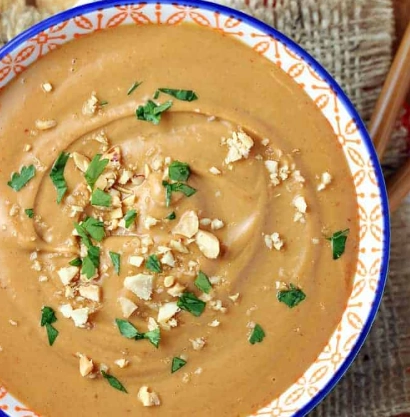
One of the biggest misconceptions is that it's always a heavy, calorie-dense indulgence. While it can be rich, when balanced correctly with acids, broths, and vegetables, it becomes a satisfying component of a meal, not just a guilty pleasure. The folks over at Harvard T.H. Chan School of Public Health note that peanuts and peanut butter, in moderation, can be part of a healthy diet, providing good fats, protein, and various vitamins and minerals. So you can feel good about using it.
Your Foolproof Foundation: How to Make Peanut Butter Sauce
Alright, let's get our hands dirty (figuratively, please wash them first). Making a basic sauce is incredibly easy. The challenge isn't in the making, it's in the balancing of flavors. I'll give you my go-to blueprint, the one I use probably twice a week because it's just that reliable.
The Basic, No-Fail Recipe Blueprint
You'll need a bowl and a whisk or fork. That's it. No fancy equipment. The key is to add the liquid gradually.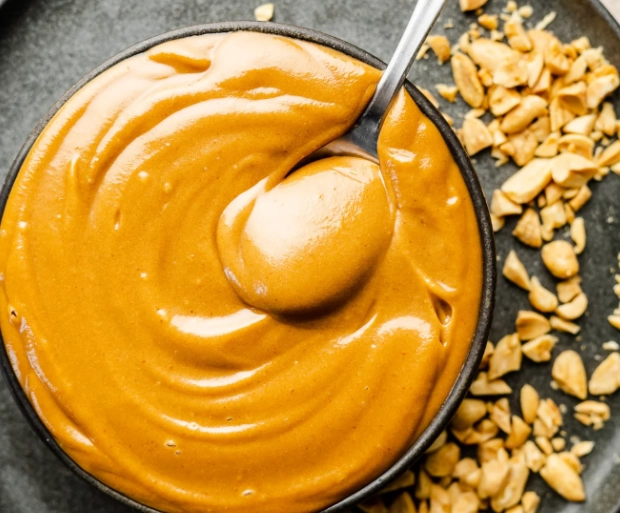
- The Star: 1/2 cup of smooth peanut butter. Natural or conventional? We'll get to that debate in a minute.
- The Thinners: Start with 1/4 cup of warm water or broth. You'll likely need more.
- The Salty/Umani: 2 tablespoons of soy sauce or tamari.
- The Acid: 1 tablespoon of lime juice or rice vinegar. This is non-negotiable for cutting the richness.
- The Sweet (Optional): 1 tablespoon of honey, maple syrup, or brown sugar.
- The Heat (Optional): 1 teaspoon of sriracha, chili garlic sauce, or a pinch of red pepper flakes.
- The Aromatics (Optional but recommended): 1 clove of minced garlic, 1 teaspoon of grated fresh ginger.
Here's the method: Whisk the peanut butter with the warm liquid, a tablespoon at a time, until it starts to loosen up and look creamy. Then whisk in everything else. Taste. Always taste. Is it too thick for your purpose? Add more warm liquid, a spoonful at a time. Too salty? A squeeze more lime and a tiny bit more sweetener can fix that. This simple peanut butter sauce is ready in under 5 minutes.
The Great Debate: Natural vs. Conventional Peanut Butter
This trips up a lot of people. Natural peanut butter (just peanuts, maybe salt) tends to separate, with oil on top. Conventional, like the big national brands, has stabilizers (like hydrogenated oils) and often added sugar to keep it uniformly creamy.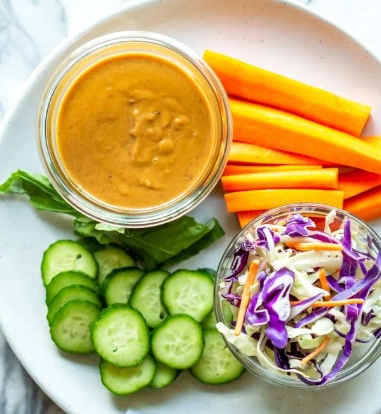
For sauce? You can use either, but they behave differently.
- Natural PB: You must stir it thoroughly first. The flavor is more purely nutty. Because it lacks stabilizers, your sauce might separate a bit if it sits, but a quick stir fixes it. I prefer it for savory sauces where I want more control over sweetness.
- Conventional PB: It's easier. It's already smooth and stable. Your sauce will be thicker and sweeter from the get-go, so you might need to adjust other ingredients (use less sweetener, more acid/liquid). It's foolproof for a quick, creamy result.
My personal stance? I keep both in my pantry. For a weekday noodle rush, I grab the conventional. For a sauce where I'm featuring the peanut flavor more prominently, I use a well-stirred natural one.
Top 3 Mistakes Everyone Makes (And How to Avoid Them)
- Adding Cold Liquid: This is the #1 reason for a clumpy, un-emulsified sauce. Cold water or milk makes the fats in the peanut butter seize up. Always use warm or hot (not boiling) liquid.
- Not Tasting as You Go: A sauce is a living thing. Your peanut butter's saltiness, your lime's acidity, your soy sauce's brand—they all vary. Mix, taste, adjust. Need more brightness? Add acid. Too intense? A bit more liquid or a tiny pinch of sugar can round it out.
- Giving Up Too Soon: When you first start whisking peanut butter with liquid, it can look hopeless—thick, pasty, and like it will never become a sauce. Keep whisking and adding liquid slowly. It will come together. Promise.
Beyond the Basics: A World of Peanut Butter Sauce Variations
Once you've mastered the basic blueprint, the world is your oyster... or your peanut. Here’s where you can really have fun. This table breaks down some popular global and thematic twists you can apply to your base recipe.
| Style / Theme | Key Flavor Additions & Swaps | Best Used For |
|---|---|---|
| Classic Southeast Asian Satay | Use coconut milk as the main thinner. Add lemongrass paste, turmeric, and a touch of curry powder. Sweeten with palm sugar. | Chicken or tofu satay skewers, grilled vegetable dip. |
| Spicy Szechuan Noodle Sauce | Add Chinese black vinegar, a hefty dose of chili oil (with sediment), and a dash of toasted sesame oil. A bit of tahini can add depth. | Tossing with wheat noodles, cucumber salads, cold noodle dishes. |
| African-Inspired Groundnut Stew Style | Use tomato paste/puree and vegetable broth as the liquid base. Add smoked paprika, onions, and greens like spinach or kale. | As a stewing sauce for chicken or sweet potatoes, served over rice. |
| Sweet Dessert Sauce | Use milk (dairy or plant-based) as the thinner. Flavor with vanilla extract, cinnamon, and maple syrup. A pinch of salt is crucial here. | Drizzling over ice cream, pancakes, waffles, or fruit (bananas, apples). |
| Simple Savory Bowl Dressing | Thin with extra-virgin olive oil and lemon juice instead of soy and lime. Add fresh herbs like cilantro or parsley and a minced shallot. | Grain bowls, roasted vegetable salads, as a dressing for slaw. |
See what I mean? One base, endless personalities. The peanut butter sauce you make for your Wednesday night dinner doesn't have to be the same as the one for your weekend appetizer.
Putting It to Work: How to Use Peanut Butter Sauce (The Ultimate List)
This is my favorite part. You've made this amazing sauce... now what? Here’s a categorized list of ideas, from the obvious to the “why didn’t I think of that?”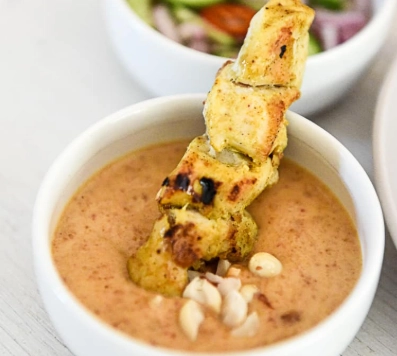
The Noodle & Grain Game Changer
This is the classic for a reason. Toss it with:
- Hot or cold soba noodles, rice noodles, or spaghetti.
- Add shredded chicken, edamame, sliced cucumbers, and carrots for a complete meal.
- Mix it into warm quinoa or rice for a flavorful, protein-packed base.
As a Dip or Drizzle
Its creamy texture makes it a dip superstar:
- Spring rolls and fresh veggie sticks (carrots, bell peppers, celery).
- Drizzle over roasted sweet potatoes or baked tofu.
- Use as a fancy alternative to ketchup for sweet potato fries.
Salad Dressings with a Punch
Thin it out a bit more with citrus juice or vinegar and oil, and you have a dressing that actually sticks to lettuce.
The Secret Weapon for Bowls
Grain bowls, buddha bowls, nourish bowls—whatever you call them, a spoonful of peanut butter sauce ties all the elements (grains, greens, protein, crunchy toppings) together magically.
Storing, Reheating, and Fixing Common Problems
You made a big batch (smart!). Now, how do you keep it happy?
Storing: In an airtight container in the fridge, it'll last 5-7 days. The fats might solidify a bit when cold. That's normal.
Reheating: Do NOT microwave it on high. It can separate and become oily. The best method is to either let it come to room temperature for an hour, or gently warm it in a small saucepan over low heat, adding a teaspoon of warm water if needed. You can also place the container in a bowl of warm water.
Fixing a Broken Sauce: If your sauce looks separated or oily, don't panic. Put it in a blender or use an immersion blender for 30 seconds. If you don't have a blender, try whisking in a small ice cube—the rapid temperature change can sometimes shock it back together. Adding a teaspoon of hot water and whisking vigorously is also worth a try.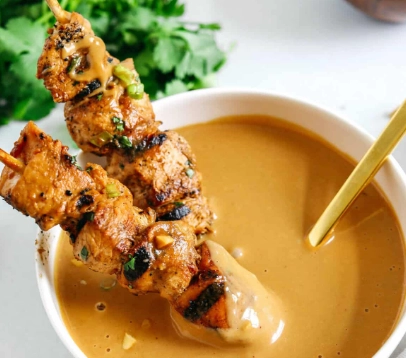
Answering Your Peanut Butter Sauce Questions
I get questions about this all the time. Here are the ones that pop up most often.
Too thin: Slightly more challenging, but doable. You can try whisking in a little more peanut butter. Alternatively, let it sit for 10 minutes—sometimes it just needs to hydrate. As a last resort, you can simmer it gently in a pan to reduce and thicken, but stir constantly to prevent burning.
Look, at the end of the day, making a fantastic peanut butter sauce isn't about following a recipe like a law. It's about understanding a formula and then making it your own. It's about tasting fearlessly and adjusting confidently. It's about knowing that a jar of peanut butter in your cupboard isn't just for sandwiches—it's a fast pass to a flavorful, satisfying meal.
So go grab a jar, a whisk, and start experimenting. Your next favorite dinner (or dessert) is waiting.
Reader Comments