Your Guide to Perfect Peanut Butter Cookies
- The Foundation: It All Starts with the Peanut Butter
- The Supporting Cast: Flour, Sugar, and Fat
- The Great Egg Debate & Leavening Secrets
- Putting It All Together: Recipe Face-Off
- The Baking Process: Where Magic and Science Collide
- Leveling Up: Variations and Add-Ins
- Answering Your Peanut Butter Cookie Questions
- A Recipe to Start With
- Final Thoughts
Let's be honest. We've all been there. Standing in the kitchen, covered in a light dusting of flour, staring at a bowl of dough and wondering, "Is this it? Is this finally the one?" The pursuit of the best peanut butter cookies is a personal journey for many home bakers. It's not just about following a recipe; it's about finding that perfect balance of chewy and crisp, salty and sweet, with that unmistakable roasted peanut flavor that makes you close your eyes for a second after the first bite.
I've burned my fair share of batches. I've made cookies that spread into one giant, thin sheet on the pan. I've also made ones so dry they could have doubled as hockey pucks. But through all that (and many happy taste-testers), I've learned a thing or two about what separates a good cookie from a truly great one. And honestly, a lot of it comes down to choices you make before you even turn on the oven.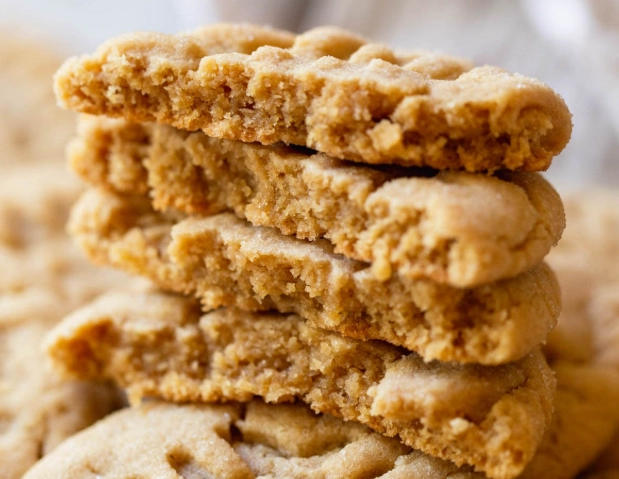
The Foundation: It All Starts with the Peanut Butter
This seems obvious, right? But the type of peanut butter you use is the single most important decision in your quest for the best peanut butter cookies. It's the main flavor driver. Get this wrong, and no amount of sugar or vanilla can save you.
You'll mainly find two camps: natural peanut butter (just peanuts and maybe salt) and conventional, stabilized peanut butter (with added oils and sugars). I used to think natural was always better, more "pure." But for cookies, it's tricky. The oil separation can mess with your dough's fat content, leading to inconsistent results. If you use natural, you must stir it thoroughly until it's completely homogenous. Every last bit.
Conventional, shelf-stable peanut butter like Jif or Skippy is actually engineered for consistency. The added emulsifiers and stabilizers (like hydrogenated oils) give your dough a predictable texture. This isn't a bad thing for cookie reliability! These brands also often have a bit more sugar and salt, which are already key cookie ingredients. Many bakers swear by them for the best peanut butter cookies because they're dependable.
Then there's the crunch factor. Creamy or crunchy? I'm team crunchy, but just barely. The little peanut bits add a wonderful texture. But if you're going for that perfectly smooth, melt-in-your-mouth classic, creamy is your friend.
My personal take? For a guaranteed, classic, crowd-pleasing cookie, a major brand creamy peanut butter works wonders. When I'm feeling adventurous and want a more rustic, deep peanut flavor, I'll use a well-stirred natural creamy one. I avoid the "no-stir" natural kinds with palm oil; they sometimes give the cookie a waxy mouthfeel I don't love.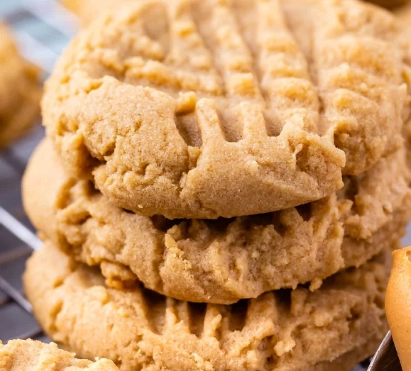
Peanut Butter Showdown: A Quick Comparison
| Type | Best For | Watch Out For | Flavor Profile |
|---|---|---|---|
| Conventional Creamy (e.g., Jif, Skippy) | Classic, consistent, crumbly cookies. Beginner-friendly. | Can be sweeter/saltier. Adjust recipe sugar/salt slightly if sensitive. | Sweet, salty, smooth, nostalgic. |
| Natural Creamy (Stirred Well) | Deeper, richer peanut flavor. More "gourmet" feel. | Oil separation can ruin dough consistency. MUST stir completely. | Robust roasted peanut, less sweet, more complex. |
| Crunchy (Any type) | Adding textural interest. Feels heartier. | Peanut bits can burn if cookies are over-baked. | Peanut flavor with a crunchy payoff. |
| Powdered Peanut Butter (PB2) | Reducing fat/calories. Not recommended for primary fat source. | Will create a very dry, cakey, and lacking cookie if used alone. Best mixed with real PB. | Muted peanut flavor, often needs reinforcement. |
The Supporting Cast: Flour, Sugar, and Fat
Peanut butter brings the fat and flavor, but the other ingredients build the texture. Let's break them down.
Flour: All-purpose is the standard, and it works. But the protein content matters. A flour with moderate protein (like Gold Medal) gives structure without making things tough. If you use a high-protein bread flour, your cookies might be too chewy in a tough way. For a more tender crumb, some bakers swap a few tablespoons of flour for cornstarch. I've tried it. It works, giving a softer, more melt-in-your-mouth feel, but it can verge on being too delicate. For the best peanut butter cookies that still have some substance, stick with reliable all-purpose.
Sugar: The classic duo is white granulated and brown sugar. Granulated sugar promotes spread and crispness. Brown sugar (light or dark) adds moisture, chew, and that lovely molasses note. The ratio is a secret weapon. More brown sugar = chewier, denser. More white sugar = crisper, with more spread. My favorite ratio for a balanced cookie is 1:1. If you want them extra chewy, go 2:1 brown to white.
Ever used only white sugar? The cookies are crispier, paler, and lack depth. Only brown sugar? They can be too moist and dense, sometimes cakey. The blend is non-negotiable for complexity.
Fat: Besides the fat in peanut butter, most recipes call for butter. Unsalted, please. You want to control the salt yourself. Butter needs to be at room temperature. Not melted, not cold. This allows it to cream properly with the sugars, trapping air that gives the cookie lift. Melted butter will make your cookies greasy and cause excessive spread. I learned this the hard way, impatience leading to a pan of peanut butter lace.
Some old-fashioned recipes use shortening for maximum spread and a tender, airy crumb. It's a different texture—less flavor, but incredibly soft. Not my first choice, but it has its place if that's the texture you crave.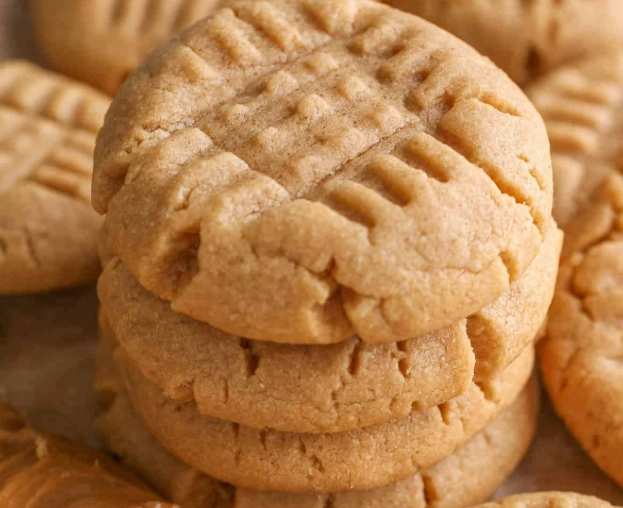
The Great Egg Debate & Leavening Secrets
This is where recipes diverge wildly. To egg or not to egg?
The iconic, criss-cross fork peanut butter cookie is often egg-less. It relies on the creaming method for lift and has a drier, more crumbly texture. It's the one that pairs perfectly with a glass of milk for dipping. Adding an egg (usually just one, rarely two) introduces more moisture and protein, binding the dough and creating a chewier, more cohesive cookie. It's less likely to be dry.
I prefer one egg. It gives insurance against dryness and creates a cookie that's chewy in the center with slightly crisp edges. The egg-less version is fantastic too, but it's a specific, nostalgic texture. You have to decide which camp you're in.
Baking Soda vs. Baking Powder: Most recipes use baking soda. It needs an acid to activate, which often comes from the brown sugar. Baking soda promotes browning and spread. Baking powder gives a more cake-like, upward lift. Some recipes use a pinch of both. For a classic, slightly spread cookie with good browning, baking soda is your friend.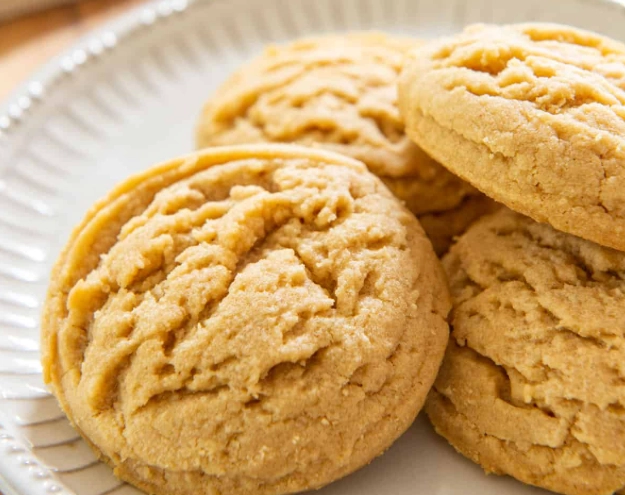
Putting It All Together: Recipe Face-Off
Let's look at three archetypes for the best peanut butter cookies. Each has a different goal.
The Classic 3-Ingredient Cookie
Yes, it exists. 1 cup peanut butter, 1 cup sugar, 1 egg. That's it. It's the ultimate easy peanut butter cookie. They're surprisingly good—dense, very peanut-forward, and gluten-free. But they're also one-note, fragile, and can be overly sweet. Great in a pinch, but not what I'd call the "best." They lack the textural complexity of a full-recipe cookie.
The Traditional Fork-Crossed Cookie
This is the one from the back of the peanut butter jar. It typically uses creamy peanut butter, butter, both sugars, an egg, flour, baking soda, and vanilla. The dough is rolled into balls and flattened with a fork. The result is a cookie that's crisp at the edges, sandy/crumbly in the middle, with perfect sweetness. It's the definition of a classic peanut butter cookies for many people. It's reliable and delicious. My only gripe? If over-baked by even a minute, they can become too dry.
The Thick & Chewy Bakery-Style Cookie
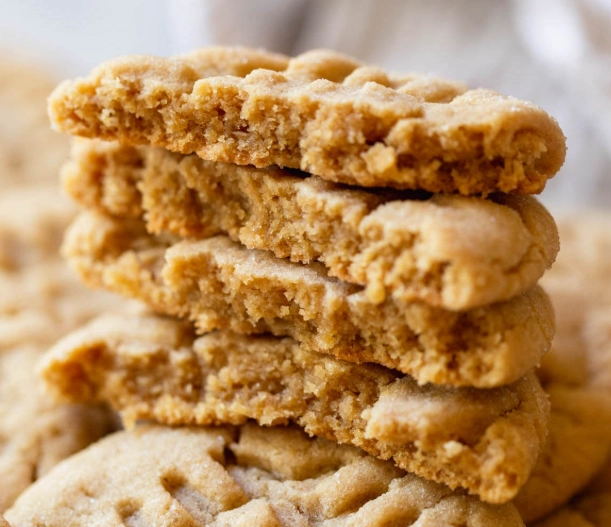
This is my personal favorite for the title of best peanut butter cookies. The secrets here are chilling the dough (crucial!), using more brown sugar, and sometimes an extra egg yolk for richness. The dough is scooped into tall mounds and baked without flattening. They spread less, resulting in a thick cookie that's soft and chewy all the way through, with a slightly crisp edge. The flavor is deeper, and the texture is supremely satisfying. It takes more planning (chilling time), but the payoff is huge.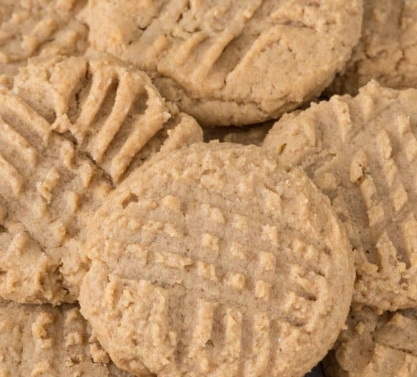
The Baking Process: Where Magic and Science Collide
You've mixed the perfect dough. Now don't ruin it in the oven.
Parchment Paper or Silpat: Just use it. It prevents sticking and promotes even browning. Greasing a pan can cause the cookies to spread too much and fry at the edges.
Oven Temperature: 350°F (175°C) is the sweet spot. Too hot, and the edges burn before the center sets. Too low, and they'll spread into a flat, greasy mess. Always preheat your oven fully. An oven thermometer is a cheap and invaluable tool—many home ovens are off by 25 degrees!
Baking Time: This is the hardest part. For standard-sized cookies, start checking at 9 minutes. They're done when the edges are set and lightly golden, but the centers still look soft and slightly puffy. They will continue to cook on the hot baking sheet. Pulling them out *just* before they look done is the key to a soft center. Over-baking is the #1 cause of hard, disappointing cookies.
Cooling: Let them cool on the baking sheet for 5 minutes before transferring to a wire rack. This lets them set. If you move them immediately, they might fall apart. If you leave them on the sheet too long, they'll keep cooking and get hard.
Leveling Up: Variations and Add-Ins
Once you've mastered the base, the world is your oyster. The best peanut butter cookies can be a canvas.
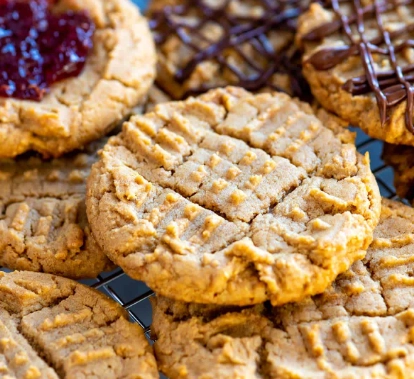
- Peanut Butter Blossoms: Roll the dough ball in granulated sugar, bake, and immediately press a Hershey's Kiss into the center. A holiday classic.
- Chocolate Chip Peanut Butter Cookies: Fold in a cup of semisweet or milk chocolate chips. It's a no-brainer combination that always wins.
- Flaky Sea Salt: Sprinkle a tiny bit of Maldon salt on top of the dough balls before baking. It heightens the sweet and salty contrast beautifully.
- Stuffed Cookies: Take two small dough balls, flatten them, and sandwich a piece of a peanut butter cup, a dollop of Nutella, or even a small ball of peanut butter in the center. Seal the edges and bake. A gooey, surprise-filled masterpiece.
- Gluten-Free: Use a 1:1 gluten-free flour blend (like Bob's Red Mill or King Arthur). The peanut butter and egg provide great structure, so they adapt very well.
Answering Your Peanut Butter Cookie Questions (FAQ)
A Recipe to Start With: My Go-To Best Peanut Butter Cookies
After all that theory, here's a recipe that combines the lessons: chewy, flavorful, and reliable. This is my workhorse.
- 1 ¼ cups (160g) all-purpose flour (spooned and leveled)
- ½ tsp baking soda
- ½ tsp baking powder
- ¼ tsp salt (use ½ tsp if your peanut butter is unsalted)
- ½ cup (115g) unsalted butter, room temperature
- 1 cup (250g) creamy peanut butter (I use conventional for this one)
- ¾ cup (150g) packed light brown sugar
- ½ cup (100g) granulated sugar
- 1 large egg + 1 egg yolk
- 1 ½ tsp vanilla extract
Method: Whisk dry ingredients. Cream butter, peanut butter, and sugars for 3 mins. Beat in egg, yolk, and vanilla. Mix in dry ingredients on low. Chill dough for at least 2 hours, overnight is best. Preheat to 350°F. Scoop into 1.5-inch balls, place on parchment-lined sheets. Bake for 10-12 minutes until edges are set and tops are puffy and just losing their shine. Cool on sheet for 5 mins.
This recipe, for me, hits all the right notes for the best peanut butter cookies. It's chewy, rich, and has that perfect sweet-salty balance. The extra yolk and brown sugar guarantee moisture, and the chilling prevents spread. Give it a try.
Final Thoughts: The Joy is in the Journey
Finding your personal best peanut butter cookies is a delicious experiment. It depends on your texture preference, your peanut butter loyalty, and even your mood. The "best" recipe is the one that makes you smile and reaches for a second cookie before the first is even finished.
Don't be afraid to tweak. A little more salt next time. A mix of creamy and crunchy peanut butter. A handful of oats for a different chew. Baking is part science, part art, and wholly satisfying. For more deep dives into the science of baking, sites like Serious Eats or the King Arthur Baking learning resources are fantastic for understanding the "why" behind the steps.
So preheat that oven, grab your favorite jar, and get mixing. Your perfect batch of the best peanut butter cookies is waiting to be discovered. And hey, even the "mistakes" are usually still pretty tasty.
Reader Comments