Let's cut to the chase. You've probably tried a peanut butter fudge recipe before. Maybe it was gritty. Maybe it never set, leaving you with a pan of sweet, sticky peanut butter soup. I've been there. After a decade of testing, burning my fingers, and wasting more sugar than I care to admit, I've nailed down a method for peanut butter fantasy fudge that delivers every single time—creamy, smooth, and intensely peanut buttery. This isn't just a recipe; it's a foolproof system.
What's Inside This Guide?
The Non-Negotiable Ingredients Breakdown
This recipe uses common ingredients, but the brands and types matter more than you think. Substituting willy-nilly is the fastest route to failure.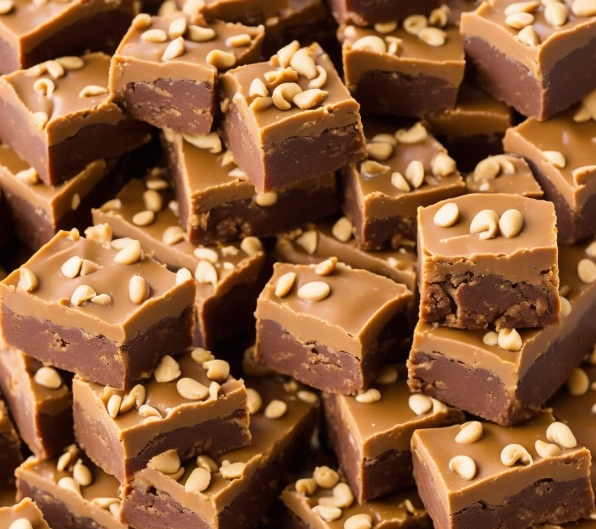
Sugar & Evaporated Milk: This is the engine of your fudge. The sugar and milk are cooked to a precise temperature to create a supersaturated syrup that crystallizes into a smooth mass, not a grainy one. Use full-fat evaporated milk, not sweetened condensed milk (that's for a different, no-cook fudge).
Butter: Real, unsalted butter. Margarine has water and won't give you the same rich mouthfeel or reliable setting power.
Peanut Butter: Here's the biggest pitfall. You must use a standard, processed creamy peanut butter like Jif or Skippy. Do not, I repeat, do not use natural peanut butter where the oil separates. The stabilizers in standard peanut butter are crucial for the emulsion that gives fudge its stable, sliceable texture. Natural peanut butter will give you a greasy, soft mess. I learned this the hard way with a very expensive jar of artisanal peanut butter.
Marshmallow Fluff & Vanilla Extract: The fluff isn't just for sweetness; it's a stabilizer that introduces air and helps control sugar crystallization, ensuring creaminess. Pure vanilla extract rounds out the flavors.
The Step-by-Step Process (Where Most Go Wrong)
Follow these steps like a science experiment. Precision beats intuition here.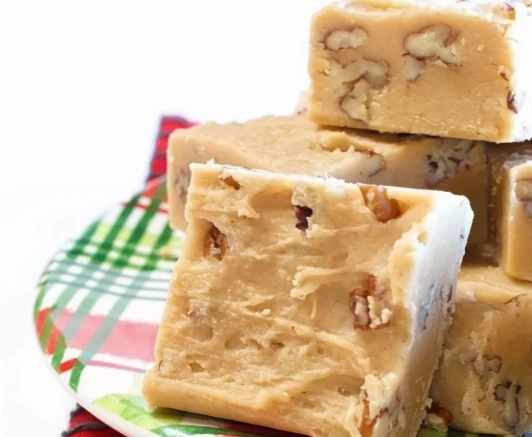
1. The Boil: Patience is a Temperature
Combine the sugar, evaporated milk, and butter in a heavy-bottomed, tall saucepan (at least 3 quarts). Why tall? Because when it boils, it foams up dramatically. A small pot guarantees a sugary volcano on your stovetop.
Bring it to a full, rolling boil over medium heat, stirring constantly just until the sugar dissolves. Once it's boiling, stop stirring. Attach your candy thermometer to the side of the pot. This is critical. Let it boil, undisturbed, until it reaches 234°F to 240°F (soft-ball stage). This takes about 4-7 minutes of vigorous boiling.
If you stir during the boil, you encourage sugar crystals to form on the sides of the pan, which then get stirred back in and seed a grainy texture throughout the whole batch.
2. The Cool Down: The Most Skipped, Most Important Step
Once you hit temperature, remove the pot from heat immediately. Take out the thermometer.
Now, walk away. Seriously. Let the pot sit on a cooling rack or a trivet. Do not add the peanut butter yet. You need to let the syrup cool down to about 110°F (lukewarm to the touch on the bottom of the pot). This can take 45 minutes to an hour. Rushing this step is why fudge turns out grainy or doesn't set. The molecules need to slow down before you agitate them again.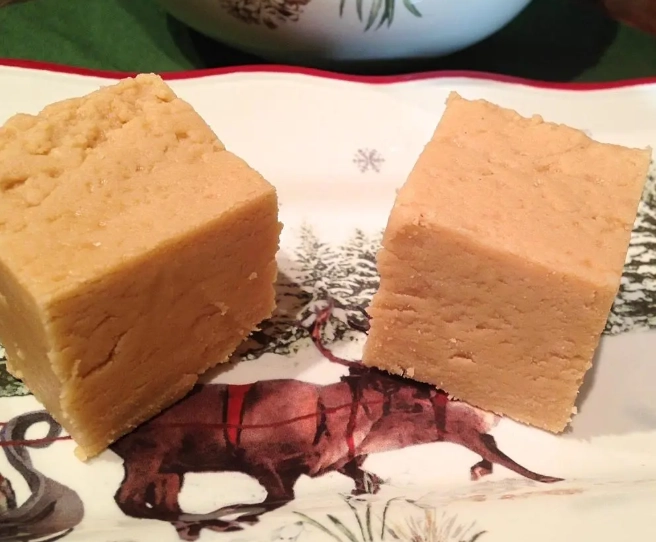
3. The Beat: Knowing When to Stop
When the pot is lukewarm, add the entire bowl of peanut butter, marshmallow fluff, and vanilla. Now, beat it. Use a sturdy wooden spoon or a handheld mixer on low. Beat until everything is just combined and the mixture loses its glossy sheen and starts to thicken noticeably. This usually takes 2-3 minutes of vigorous beating.
Spread it quickly with a buttered spatula. Don't fuss with it. Let it set at room temperature for at least 4 hours, or overnight is even better. Do not refrigerate to speed it up—that causes condensation and can make the top sticky.
Texture Troubleshooting: Fixing Grainy, Soft, or Hard Fudge
So your batch didn't turn out perfect. Let's diagnose it.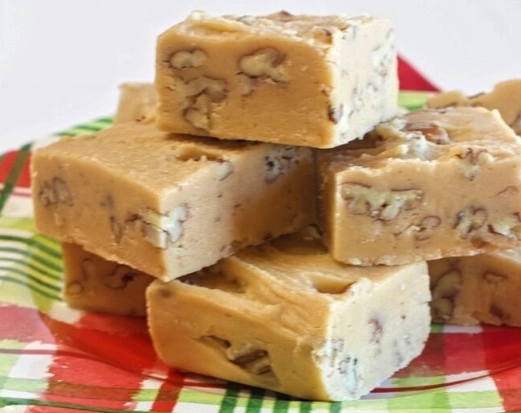
Grainy/Gritty Texture: Sugar crystals formed. Cause: You stirred during the boil, didn't wash down sugar crystals from the pot's sides with a wet pastry brush at the start, or didn't let the syrup cool enough before beating. Unfortunately, you can't fix graininess. Use it as an ice cream topping—it'll still taste great.
Too Soft/Won't Set: The syrup didn't reach a high enough temperature (undercooked), it was a humid day, or you under-beat the mixture after adding the peanut butter. If it's just slightly soft, it's still edible and delicious. For next time, verify your thermometer's accuracy by checking it in boiling water (it should read 212°F/100°C).
Too Hard/Crumbly: The syrup was cooked too hot (over 240°F), or you over-beat the mixture. It's still peanut butter candy, just more like a brittle. Crumble it over yogurt or oatmeal.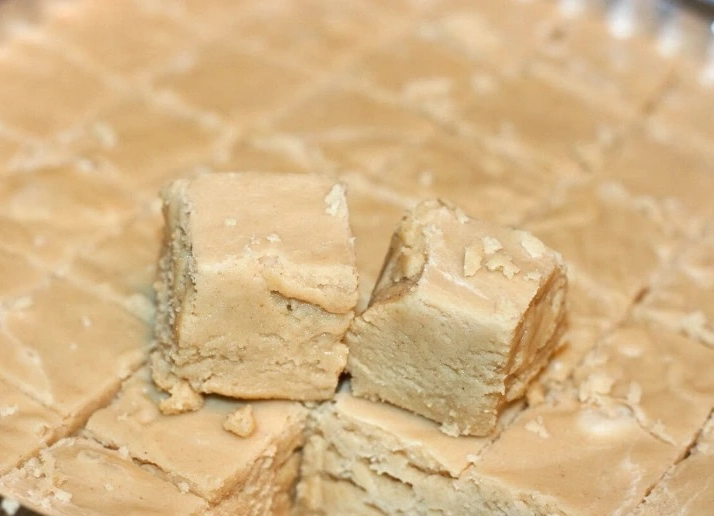
Your Storage & Gift-Giving Questions Answered
This fudge is a fantastic gift, but you need to store it right.
Storage: Keep it in an airtight container at cool room temperature, layered between sheets of wax paper. It lasts 2-3 weeks this way. Do not refrigerate. The fridge dries it out.
Freezing: It freezes beautifully for up to 3 months. Wrap the whole slab tightly in plastic wrap, then in foil, and place in a freezer bag. Thaw on the counter overnight.
Gifting: Cut into neat squares and place in a decorative tin or box lined with parchment paper. A small ribbon makes it festive. I often include a tiny note with the serving suggestion: "Best enjoyed at room temperature with a cold glass of milk."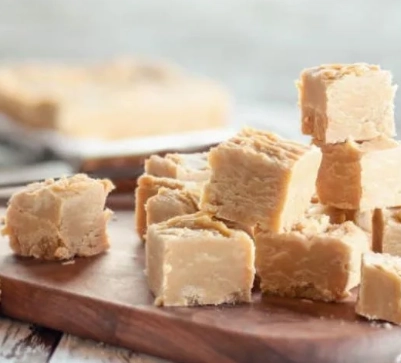
Reader Comments