In This Guide
- What Exactly Are Buckeye Balls? A Bite of History
- The Unbeatable Classic: Deconstructing the Perfect Buckeye Recipe
- Chocolate Choices: A Quick Comparison
- Getting Creative: Buckeye Ball Variations That Actually Work
- Fixing Common Buckeye Ball Disasters
- Buckeye Balls: Your Questions, Answered
- Wrapping It Up: The Soul of the Buckeye
You know them, you've probably eaten them at a holiday party or a bake sale. Those little round candies that look like the nut from an Ohio buckeye tree, with a smooth peanut butter center just peeking out from a rich chocolate coating. Buckeye balls. They seem simple enough, right? I thought so too, until I made my first batch that turned into a melty, misshapen mess. Let's just say they looked more like muddy pebbles than prized candies.
That experience sent me down a rabbit hole. I talked to home bakers, read old community cookbooks, and made more batches of buckeye balls than my family could reasonably eat (though they tried valiantly). What I found is that this iconic no-bake treat has a depth to it that most recipes gloss over. It's a balance of texture, temperature, and technique. This isn't just another recipe post. This is the guide I wish I had when I started—a full breakdown of everything that makes a buckeye ball great, and how to avoid the pitfalls that can turn them into a kitchen disaster.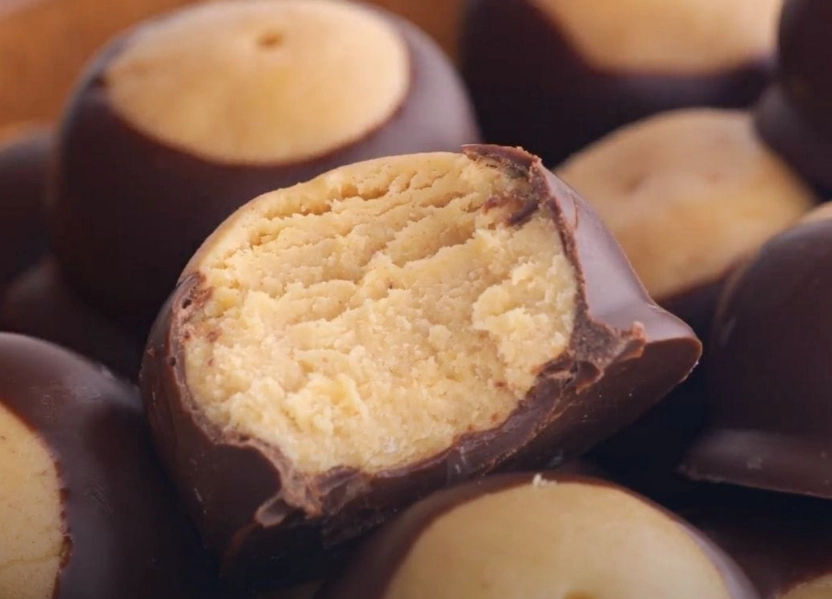
What Exactly Are Buckeye Balls? A Bite of History
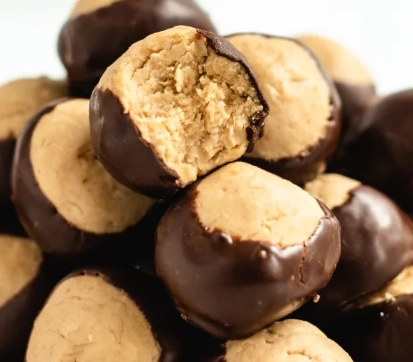
Before we get our hands sticky, let's clear something up. If you're searching for "buckeye balls recipe," you're likely looking for the candy, not a tutorial on polishing tree seeds. The candy is a proud piece of American, and specifically Midwestern, culinary heritage. The name and appearance are a direct homage to the nut of the Ohio buckeye tree (Aesculus glabra), which is a dark brown nut with a single light tan spot. The candy mimics this perfectly with its chocolate shell and the exposed circle of peanut butter filling.
Their origin is firmly planted in home kitchens, not corporate test labs. Most food historians point to the 1960s in Ohio as the birthplace of the recipe as we know it. It was a time of convenience foods and creative home cooks. The combination of sweetened peanut butter and chocolate was a guaranteed winner, and the no-bake aspect made it perfect for kids to help with and for avoiding a hot oven during the holidays. They exploded in popularity as a holiday staple, especially in the Midwest, but you'll now find them everywhere. It's a testament to a perfect formula.
The Unbeatable Classic: Deconstructing the Perfect Buckeye Recipe
Every great buckeye ball starts with the same core components. But the devil, as they say, is in the details. The ratios and the quality of these ingredients will make or break your candy.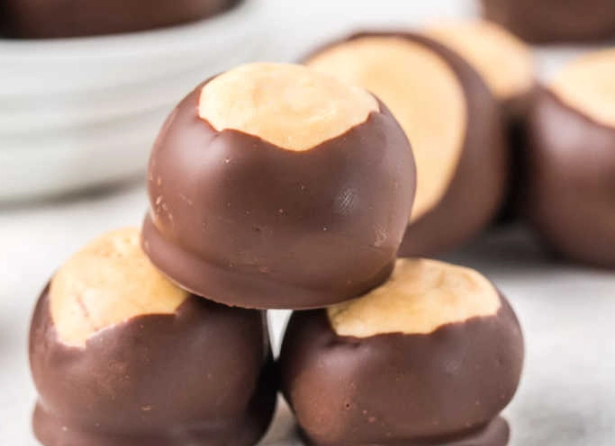
The Core Four Ingredients (And Why They Matter)
Peanut Butter: This is the soul of the buckeye ball. Don't even think about the natural, oil-separating kind here. You need standard, processed creamy peanut butter. The kind with stabilizers added (like Jif or Skippy). Why? It gives you a consistent, firm texture that holds its shape. The natural stuff will make your filling oily and too soft. For a deeper flavor, some folks use a mix of creamy and a tablespoon of crunchy, but that's a personal call.
Butter: Unsalted, softened to room temperature. It adds richness and helps bind everything together. Margarine can be used in a pinch, but it often leaves a faint aftertaste and doesn't set as firmly.
Confectioners' Sugar: Also known as powdered sugar or icing sugar. Its fine texture dissolves seamlessly into the fat, creating that smooth, melt-in-your-mouth filling. Granulated sugar will give you a gritty texture—a major rookie mistake.
Chocolate: The armor. This is where you can really define your buckeye balls. Semi-sweet chocolate chips are the classic choice, but the type of chocolate and how you melt it is crucial.
The Step-by-Step That Actually Works
I'm going to skip the fluffy preamble and give you the straight steps, with the critical tips embedded where you need them most.
Step 1: The Foundation. In a large bowl, beat together 1 cup of creamy peanut butter and 1/2 cup (1 stick) of softened, unsalted butter until it's completely smooth and combined. This might take a couple of minutes with a hand mixer. You want no lumps of butter.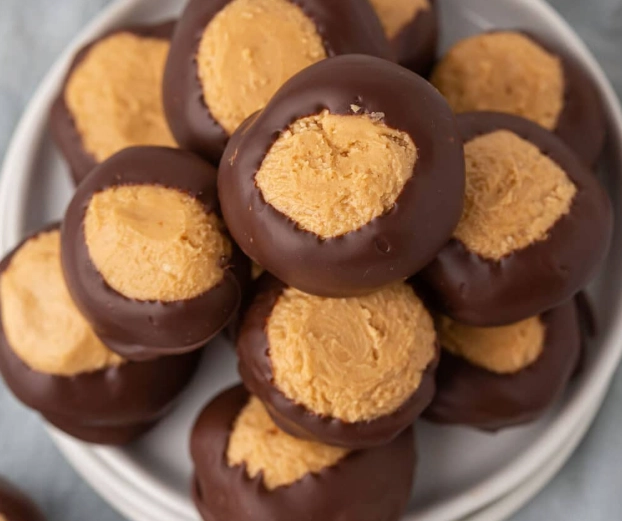
Step 2: The Sweetness. Gradually add 3 to 3.5 cups of confectioners' sugar. Start with 3 cups, mixing on low speed unless you want a sugar dust cloud in your kitchen. Once incorporated, test the dough. It should be smooth, pliable, but not sticky. If it sticks to your fingers, add more sugar, a quarter cup at a time, until it doesn't. This is the single most important variable for texture.
Step 3: The Chill. This is non-negotiable. Cover the bowl and refrigerate the mixture for at least 30 minutes, or even up to an hour. A cold mixture is a manageable mixture. Trying to roll warm peanut butter dough is like trying to sculpt warm clay—it just slumps.
Step 4: The Roll. Using a small cookie scoop or a tablespoon, portion the dough. Roll it between your palms to form smooth, 1-inch balls. Place them on a baking sheet lined with parchment paper. Once the sheet is full, pop it back into the fridge for another 15 minutes. Yes, more chilling. Trust me.
Step 5: The Dip. The moment of truth. Melt your chocolate. For a classic, firm shell, use 2 cups of semi-sweet chocolate chips with 2 tablespoons of shortening (like Crisco). The shortening thins the chocolate for easier dipping and gives it a nice snap. Melt it gently in a double boiler or in short bursts in the microwave, stirring frequently.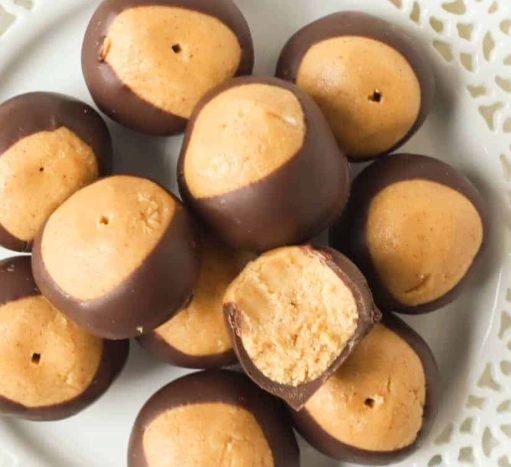
Insert a toothpick into a chilled peanut butter ball. Dip it into the melted chocolate, leaving the top quarter bare to create that classic "buckeye" look. Let the excess chocolate drip off, then place it back on the parchment paper. Gently twist and remove the toothpick. Use your finger to smooth over the toothpick hole. If the chocolate starts to thicken, re-warm it gently.
Step 6: The Set. Let the dipped buckeye balls set at room temperature until the chocolate is firm. For a faster set, you can refrigerate them. Store finished buckeyes in an airtight container in the fridge for up to two weeks, or freeze them for months.
Chocolate Choices: A Quick Comparison
Not all chocolate is created equal for dipping buckeye balls. Your choice changes the flavor, texture, and even the dipping difficulty. Here’s a breakdown from my own (sometimes messy) trials.
| Chocolate Type | Best For | Flavor Profile | Dipper's Note |
|---|---|---|---|
| Semi-Sweet Chips | The classic, crowd-pleasing choice | Balanced sweetness, robust chocolate flavor | Needs 1 tbsp shortening per cup to dip smoothly. Sets firmly. |
| Dark Chocolate (60-70%) | Adults who prefer less sweetness | Intense, slightly bitter, sophisticated | Melts nicely but can be thick. A tiny bit of coconut oil helps. |
| Milk Chocolate | Kids and super-sweet tooths | Creamy, very sweet, mild chocolate | Can be overly sweet paired with the filling. Sets softer than semi-sweet. |
| Chocolate Almond Bark/Candy Coating | Absolute beginners, hot climates | Sweet, vanilla-like chocolate flavor | Melts easily, sets very hard and quickly. No tempering needed. Tastes less "real." |
| High-Quality Bar Chocolate | Gift-worthy, gourmet buckeyes | Complex, depends on the brand/origin | Must be tempered properly for a shiny snap. For the ambitious baker. |
My personal go-to? A mix of semi-sweet and a small handful of dark chocolate chips. It deepens the flavor without going too far off the classic path.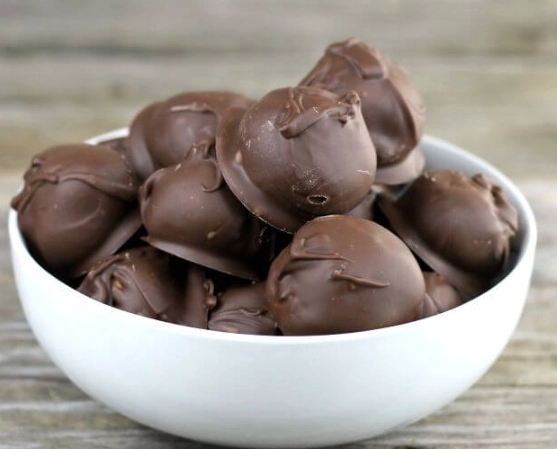
Getting Creative: Buckeye Ball Variations That Actually Work
The classic buckeye ball is perfect, but what if you want to mix things up? Not all variations are winners. I've tried some duds so you don't have to. Here are the ones that genuinely add something new without ruining the spirit of the candy.
Flavor Twists on the Filling
- Nutty Buddy: Replace 1/4 cup of the peanut butter with an equal amount of Nutella. It adds a hazelnut-chocolate swirl to the center. Just know it will make the filling a bit softer, so chill it well.
- Salty Sweet: Mix 1/2 teaspoon of flaky sea salt (like Maldon) into the dry peanut butter mixture. Or, after dipping, sprinkle a tiny pinch on top of the wet chocolate. It cuts the sweetness beautifully.
- Cookie Dough Vibe: Add 1/4 teaspoon of vanilla extract and 2-3 tablespoons of mini chocolate chips to the filling. It tastes like safe-to-eat chocolate chip cookie dough.
- Spiced: For a holiday twist, add 1/4 teaspoon of cinnamon or a pinch of cayenne pepper to the filling. Sounds weird, but the cayenne creates a wonderful, warm afterglow.
Coating & Presentation Ideas
- The Fully Coated Buckeye: Sometimes you just want total chocolate immersion. Skip the toothpick and use two forks to roll and fully submerge the ball. Let it drip, then place on parchment. It's a different look, but just as delicious.
- White Chocolate Drizzle: After the dark chocolate sets, drizzle melted white chocolate over the top with a fork. It looks professional and adds a flavor contrast.
- Crunchy Exterior: Immediately after dipping in chocolate, roll the bottom half in crushed pretzels, graham cracker crumbs, or chopped peanuts before the chocolate sets.
- Mini Buckeyes: Use a teaspoon to make tiny, bite-sized balls. They're adorable for large parties and easier to pop in your mouth.
Fixing Common Buckeye Ball Disasters
We've all been there. Something goes wrong. Don't throw it out! Here are the most frequent issues and how to salvage your batch.
Problem: The filling is too soft and won't hold a ball shape.
Solution: You didn't add enough confectioners' sugar, or your peanut butter/butter was too warm. Pop the whole mixture in the fridge for 30 minutes to firm up the fats, then knead in more sugar, 1/4 cup at a time, until it's no longer sticky.
Problem: The filling is too dry and crumbly.
Solution: Too much sugar. Work in an additional tablespoon of peanut butter (and maybe a teaspoon of softened butter) until it comes together. Mix by hand to avoid overworking it.
Problem: The chocolate is too thick and clumpy for dipping.
Solution: It's either overheated or needs more fat. If it's seized (grainy), it's often a lost cause. If it's just thick, try stirring in a teaspoon more of shortening or coconut oil until it flows smoothly.
Problem: The chocolate coating cracks after setting.
Solution: This usually happens if the peanut butter ball was too cold when dipped, causing the chocolate to contract too quickly as it hit the cold center. Let the balls sit out for 5 minutes after removing from the fridge before dipping next time.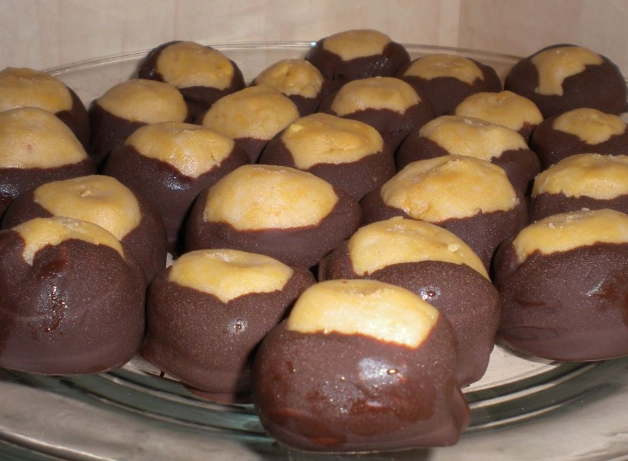
Buckeye Balls: Your Questions, Answered
Can I make buckeye balls without a toothpick?
Absolutely. The toothpick method is classic, but it leaves a hole. Alternatives: 1) Use a candy dipping tool (like a small fork with thin tines). 2) Place the ball on a fork, spoon chocolate over it, then tap off the excess. 3) Use your hands for a fully coated ball, but have lots of paper towels ready!
Why are my buckeye balls sweating?
Condensation. If you store them in the fridge in a non-airtight container, or take them from the cold fridge directly into a warm room, moisture will form on the chocolate. Always store in an airtight container, and let them come to room temperature in the container before serving to minimize sweating.
Can I freeze buckeye balls?
They freeze beautifully! It's the best way to make them ahead. Arrange them in a single layer on a baking sheet to freeze solid, then transfer to a freezer bag or airtight container. They'll keep for 2-3 months. Thaw in the refrigerator overnight.
Are buckeye balls gluten-free?
The classic recipe, using the ingredients listed above, is naturally gluten-free. However, you must always check your specific ingredient labels. Some brands of confectioners' sugar or peanut butter may be processed in facilities with wheat, or contain gluten-based additives. If you have celiac disease or a severe allergy, choose certified gluten-free products.
What's the difference between a buckeye ball and a peanut butter ball?
Semantics, mostly. Typically, "buckeye ball" refers specifically to the version with the characteristic uncovered peanut butter spot, mimicking the nut. "Peanut butter ball" is a broader term that can include fully chocolate-covered versions or even versions rolled in other coatings like coconut or sprinkles. But in everyday conversation, people use them interchangeably.
Wrapping It Up: The Soul of the Buckeye
At the end of the day, making buckeye balls is more than following a recipe. It's a little project. It's getting powdered sugar on your nose. It's the anticipation of that first bite where the crisp chocolate shell gives way to the creamy, sweet-salty center. They're a homemade gift that actually means something, because someone took the time to roll and dip each one.
They might seem humble—just peanut butter, sugar, and chocolate. But when made with care, they're absolutely timeless. So grab your mixer, embrace the mess, and make a batch. Just don't skip the chilling steps. I learned that the hard way.
Reader Comments