Quick Navigation
Let's be honest. We've all been there. You order satay at a restaurant, dunk that perfectly grilled skewer into that glorious, creamy, slightly sweet and spicy peanut sauce, and think, "I could never make this at home." The sauce seems like some kind of culinary magic.
Well, I'm here to tell you that magic is mostly just peanuts, a few pantry staples, and a bit of know-how. For years, my own attempts at a satay peanut sauce recipe were either too gloopy, too bland, or just tasted like sweetened peanut butter. It was frustrating. Then, after a lot of trial and error (and a few inedible batches), I cracked the code.
This isn't just a recipe. It's the one I make almost weekly. It's the sauce my friends now ask for by name. It's versatile, authentic-tasting, and, most importantly, completely achievable in your own kitchen. Forget the jars of overly sweet, preservative-laden stuff. Once you make this, you won't go back.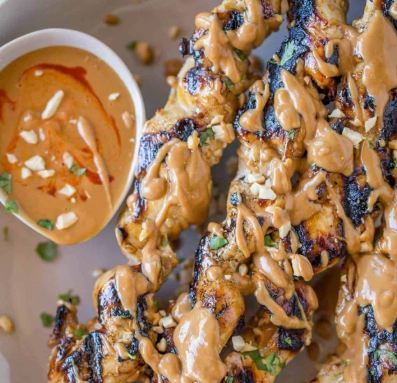
What You Actually Need for an Authentic Satay Sauce
Before we get to the cooking, let's talk ingredients. This is where most recipes online either overcomplicate things or leave out crucial details. I've broken it down into the absolute essentials and the "nice-to-haves" that can elevate it.
The Core Foundation (Don't Skip These)
These are the non-negotiables. If you have these, you can make a very good sauce.
- Peanuts: This is the star. You have options. Unsalted, dry-roasted peanuts are my top choice for control. Raw peanuts work if you toast them yourself (more on that later). Avoid pre-salted or honey-roasted ones—they'll throw the flavor balance way off. For a truly traditional texture, some recipes call for crushing whole peanuts, but good-quality smooth or crunchy peanut butter is a fantastic and totally legitimate shortcut. Just check the label; you want one where the ingredients are just peanuts (and maybe salt).
- Aromatics Base: This is the flavor engine. You'll need a small onion or a couple of shallots (shallots are sweeter), a few cloves of garlic, and a knob of fresh ginger. Dried powders just won't give you the same depth.
- Liquid Harmony: This thins the sauce and builds complexity. Coconut milk is classic—use full-fat for creaminess. Water or stock (chicken or vegetable) works in a pinch. Then you need something tart: lime juice is best for freshness, but tamarind paste (soaked in water) is the traditional souring agent and adds a unique fruity tang.
- The Flavor Balancers:
- Sweet: Palm sugar is authentic and has a caramel-like flavor. Dark brown sugar is a great substitute. White sugar works but tastes flatter.
- Salty & Savory: Soy sauce (regular or light) and/or fish sauce. The fish sauce is a game-changer—it doesn't make it taste fishy, it adds an incredible savory depth (umami). Don't be scared of it.
- Spicy: Sambal oelek (Indonesian chili paste) or a good red chili paste. You can use fresh red chilies, but a paste blends in more smoothly. Adjust to your heat tolerance.
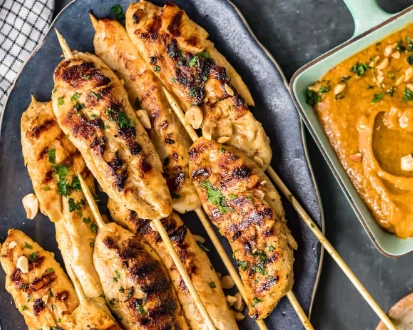
The Flavor Boosters (The "Why Is This So Good?" Ingredients)
These aren't strictly essential, but adding one or two will make your sauce taste like it came from a specialist restaurant.
- Toasted Spices: A teaspoon of toasted coriander seeds (ground) adds a warm, citrusy note. A tiny pinch of ground cumin can work wonders too.
- Lemongrass: If you can find it, the tender inner part of one stalk, finely minced, adds a beautiful citrusy aroma.
- Kecap Manis: This is Indonesian sweet soy sauce. It's thicker, sweeter, and more molasses-like than regular soy sauce. Swapping out some of the sugar and soy sauce for a tablespoon of kecap manis adds incredible complexity.
See? No crazy ingredients. Most of this is probably in your kitchen right now, or easily found at any supermarket.
The Step-by-Step: How to Make Satay Peanut Sauce
This is where we put it all together. I'll give you the classic from-scratch method and my trusted shortcut method. Both are excellent.
Method 1: The Traditional From-Scratch Satay Sauce
This method gives you the most control over texture and a truly artisanal result.
- Toast the Peanuts: If using raw peanuts, toast them in a dry pan over medium heat until golden and fragrant, 5-7 minutes. Let them cool slightly.
- Make the Paste: In a food processor or powerful blender, combine the toasted peanuts, chopped onion/shallot, garlic, and ginger. Pulse until it forms a coarse paste. You may need to scrape down the sides. A little oil or water can help it blend.
- Cook the Paste: Heat a tablespoon of neutral oil (like vegetable or peanut oil) in a saucepan over medium heat. Add the peanut paste and cook, stirring constantly, for 3-4 minutes until it smells incredibly fragrant. This step is crucial—it cooks out the raw onion and garlic taste and deepens all the flavors.
- Build the Sauce: Pour in the coconut milk and about half a cup of water. Stir well to combine. Add your brown sugar, soy sauce, fish sauce (if using), and chili paste.
- Simmer and Thicken: Bring to a gentle simmer and let it cook for 10-15 minutes, stirring occasionally. It will thicken as it cooks. If it gets too thick, add more water, a tablespoon at a time.
- Finish: Remove from heat. Stir in the lime juice or tamarind water. Taste! This is the most important step. Adjust anything it needs: more lime for tang, more sugar for sweetness, more chili for heat, a pinch of salt if needed.
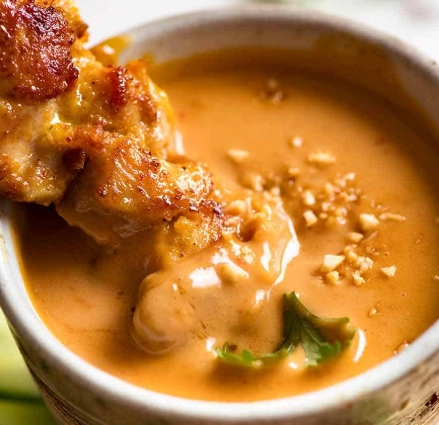
Method 2: The Quick & Reliable Peanut Butter Base Method
This is my 15-minute weeknight hero. The result is still miles better than any store-bought sauce.
- Sauté the Aromatics: Finely mince your onion, garlic, and ginger. Sauté them in oil over medium heat in a saucepan until soft and translucent, about 3-4 minutes.
- Combine and Simmer: To the saucepan, add the coconut milk, peanut butter, brown sugar, soy sauce, fish sauce, and chili paste. Whisk vigorously until the peanut butter is fully incorporated and no lumps remain.
- Cook: Bring to a simmer and cook for 8-10 minutes, whisking now and then, until the sauce is smooth and has thickened to your liking.
- Finish and Adjust: Turn off the heat, stir in the lime juice, and do your final taste adjustment.
Whichever method you choose, that final tasting step is non-negotiable. A great satay peanut sauce recipe is all about tailoring it to your mouth.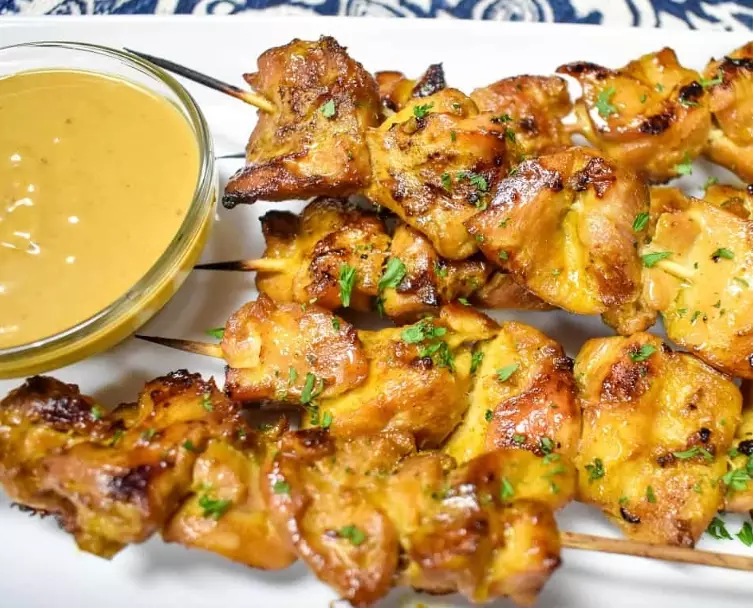
Why Did My Sauce Go Wrong? (Troubleshooting Guide)
I've made every mistake so you don't have to. Here’s a quick reference table for fixing common issues.
| The Problem | Likely Cause | How to Fix It (and Prevent It Next Time) |
|---|---|---|
| Sauce is too thick/gloopy | Overcooked, not enough liquid, or peanut butter was too thick to start. | Whisk in warm water or coconut milk, a tablespoon at a time, until it reaches a dipping consistency. Remember, it thickens as it cools. |
| Sauce is too thin/runny | Not simmered long enough, too much liquid added. | Return to a low simmer and let it reduce, stirring frequently. You can also make a small slurry of cornstarch and water (1 tsp each) and stir it in to thicken quickly. |
| Sauce tastes bland | Underseasoned. Missing the savory/umami or sour punch. | Add more salt (or soy/fish sauce) and a squeeze of lime juice. A tiny bit more sugar can sometimes "lift" other flavors. |
| Sauce is too sweet | Heavy hand with the sugar or using sweetened peanut butter. | Balance with more lime juice and a splash of soy sauce. In the future, use natural peanut butter and add sugar gradually. |
| Sauce is lumpy | Peanut butter wasn't whisked in properly, or paste wasn't smooth. | Use an immersion blender or regular blender to blitz it smooth. For the future, let peanut butter come to room temp and whisk vigorously when adding liquid. |
| Sauce tastes "raw" or harsh | Aromatics (onion, garlic) weren't cooked enough before adding liquids. | Simmer for a few more minutes to mellow the flavors. Can't be fully fixed now, but is a key lesson for next batch. |
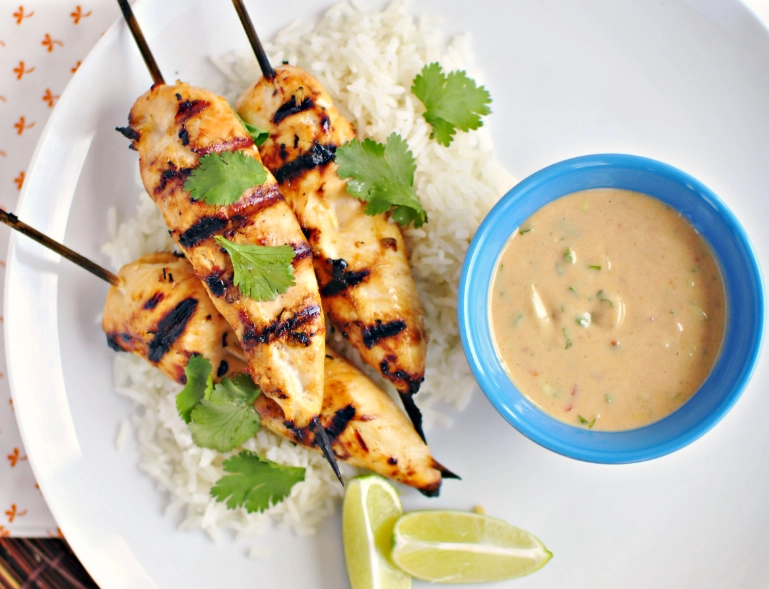
Beyond the Skewer: What to Do with Your Homemade Peanut Sauce
This is where a good satay peanut sauce recipe becomes a kitchen staple. It's not just for chicken satay (though it's glorious for that).
- The Obvious: As a dipping sauce for grilled, baked, or pan-fried meats (chicken, beef, pork, tofu), fresh spring rolls, or crudité.
- The Pasta Twist: Thin it out with a bit of pasta water and toss with noodles, shredded chicken, and veggies for a killer peanut noodle bowl. It's a complete meal in minutes.
- The Salad Dressing: Whisk with a little extra lime juice and water to make a creamy, dreamy salad dressing for crunchy Asian-style slaws or grain bowls.
- The Burger/Sandwich Spread: Swap out mayo or ketchup. It's incredible on chicken burgers, veggie burgers, or as a spread in a banh mi.
- The Stir-fry Hero: Add a big spoonful to a vegetable or protein stir-fry in the last minute of cooking instead of a standard sauce.
I often double the batch and keep a jar in the fridge. It keeps for up to a week and makes weekday meals exciting.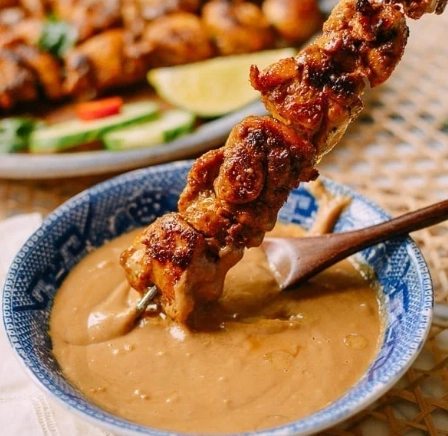
Your Satay Sauce Questions, Answered
A Note on Ingredients and Food Safety
When working with peanuts and other potential allergens, clear labeling is key if you're serving guests. From a food science perspective, the combination of acid (lime/tamarind), salt, and cooking helps preserve the sauce, but it's still a fresh product. Always use clean utensils when dipping into the jar to prevent bacterial introduction. For detailed guidelines on safe home food preservation, resources like the USDA Food Safety and Inspection Service website are invaluable. Furthermore, while peanuts are a great source of protein and healthy fats, as noted by resources like Harvard T.H. Chan School of Public Health, they are also a major allergen, so handle and communicate with care.
So, there you have it. My entire brain dump on making the perfect satay peanut sauce. It's a recipe that rewards a little attention but is forgiving enough for a Tuesday night. The biggest tip I can give you is to make it your own. Love garlic? Add an extra clove. Prefer it tangier? Squeeze that lime. Once you get the basic framework down, this satay peanut sauce recipe becomes a template for endless deliciousness.
Go on, give it a try. And don't be surprised if you start putting it on everything.
Reader Comments