Quick Navigation
- The Foundation: Your Go-To Peanut Butter Fudge Recipe
- Why Your Ingredients Matter More Than You Think
- The Candy Thermometer vs. The Cold Water Test
- Fudge Fails: What Went Wrong and How to Fix It
- Beyond the Basic: Fun Variations to Try
- Your Peanut Butter Fudge Questions, Answered
- Gifting and Storing Your Masterpiece
- Final Thoughts: You Can Do This
Let's be real. You've probably searched "how do you make peanut butter fudge" a dozen times, found recipes that promise the world, and ended up with a pan of something either rock-hard or a gooey mess. I've been there. The first time I tried, I think I created a new form of sugary cement. It was not good.
But after more batches than I care to admit (and a few successes that made it all worthwhile), I've figured it out. Making perfect peanut butter fudge isn't about secret ingredients or chef-level skills. It's about understanding a few simple principles and following a reliable method. That's what this guide is for. We're going to walk through the classic, stovetop method step-by-step, talk about why things go wrong, and answer every question you might have along the way. No fluff, just the good stuff.
The Foundation: Your Go-To Peanut Butter Fudge Recipe
This is the recipe I come back to every time. It's rich, it's creamy, and it works. It uses the traditional cooked sugar method, which gives you that classic fudge texture—firm enough to hold its shape but soft enough to melt in your mouth.
What You'll Need
- Granulated sugar (3 cups): The backbone. Don't try to reduce it drastically, it's crucial for structure.
- Unsalted butter (1/2 cup or 1 stick): Unsalted lets you control the salt. Plus, it's usually fresher.
- Whole milk or evaporated milk (1 cup): Whole milk adds richness. Evaporated milk is even more reliable because it's concentrated and less likely to cause graininess.
- Creamy peanut butter (1 cup): Use a standard, no-stir kind like Jif or Skippy for consistent results. The natural, oily ones can separate.
- Vanilla extract (1 teaspoon): The flavor enhancer. Don't skip it.
- A pinch of salt: Even if your peanut butter is salted. It makes the sweet and peanut flavors pop.
The Step-by-Step Process: How Do You Make Peanut Butter Fudge?
Prep is everything. Line an 8x8 inch baking pan with parchment paper, letting it hang over the sides. This is your lifeline for getting the fudge out later. Butter the paper lightly. Have your peanut butter and vanilla measured and ready by the stove.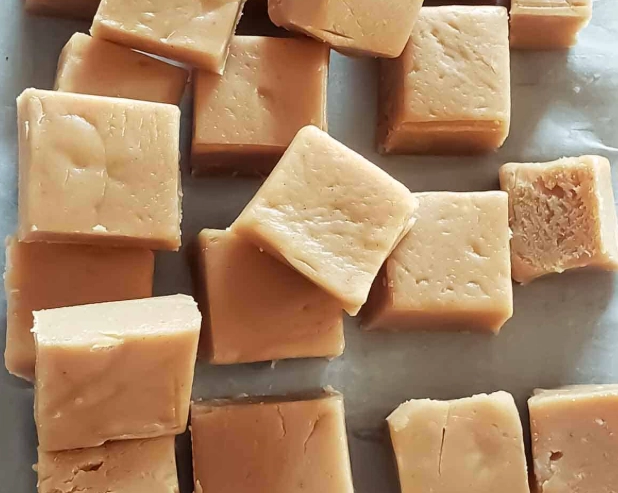
Now, the cooking.
- Combine and heat. In a heavy-bottomed, medium-sized saucepan (this distributes heat evenly and prevents scorching), mix the sugar, milk, and butter. Cook over medium heat, stirring constantly with a wooden spoon or heatproof spatula until the butter melts and the sugar dissolves. This is non-negotiable—you must dissolve every grain of sugar.
- The boil. Bring the mixture to a full, rolling boil. Once it's boiling vigorously, stop stirring. This is hard! Just let it bubble. Attach a candy thermometer to the side of the pan, making sure the tip isn't touching the bottom.
- The waiting game. Let it boil without stirring until it reaches 234°F to 238°F (112°C to 114°C). This is the "soft-ball stage." If you don't have a thermometer, you can do the cold water test: drop a small bit of syrup into a cup of cold water. If you can form it into a soft, pliable ball that flattens when you take it out, it's ready. But seriously, get a five-dollar candy thermometer. It removes all guesswork.
- Cool down. Once it hits temperature, immediately remove the pan from the heat. Take out the thermometer. Let it sit, undisturbed, until it cools down to about 110°F (43°C). This feels warm but not hot to the touch. This cooling period is critical for getting a smooth, non-grainy texture. Rushing it is the number one mistake.
- Beat it. Add the peanut butter, vanilla, and salt. Now, beat the living daylights out of it with your spoon or a hand mixer on low speed. Beat until it thickens, loses its gloss, and starts to hold its shape when you drizzle some back onto the surface. This can take 5-10 minutes by hand. You'll feel it thicken and see the color lighten slightly.
- Pan and set. Quickly pour and spread the thickened fudge into your prepared pan. Smooth the top. Let it cool completely at room temperature. Do not refrigerate to speed it up—this can cause condensation and make the top sticky.
- Cut and enjoy. Once fully set (a couple hours), use the parchment paper to lift it out. Cut into small squares with a sharp knife. Small squares are key; this stuff is rich!
And that's the core of it. That's the basic answer to "how do you make peanut butter fudge." But if you stop here, you're missing half the story. Let's get into the details that separate okay fudge from great fudge.
Why Your Ingredients Matter More Than You Think
You can't just swap things willy-nilly in candy making. The science is fussy. Here’s the lowdown on your components.
Peanut Butter: This is the star. For guaranteed success, use a commercial, stabilized creamy peanut butter. The oils are hydrogenated to prevent separation, which is exactly what you want in a stable fudge. I love natural peanut butter on toast, but in fudge, it can lead to a greasy, weepy mess as the oil separates out during setting. If you're determined to use natural, look for a "no-stir" variety or be prepared for a different texture.
The Dairy: Whole milk works, but evaporated milk is my secret weapon. It has less water and more milk solids, which means it's less likely to cause sugar crystals to form (the enemy of smooth fudge). The U.S. Dairy Export Council notes its concentrated nature makes it ideal for candies and desserts where a rich, creamy consistency is desired without adding excess liquid.
Sugar: Just plain white granulated sugar. Don't use brown sugar for this classic version—its moisture and molasses will throw off the chemistry and you won't get a clean peanut butter flavor. Save it for other variations.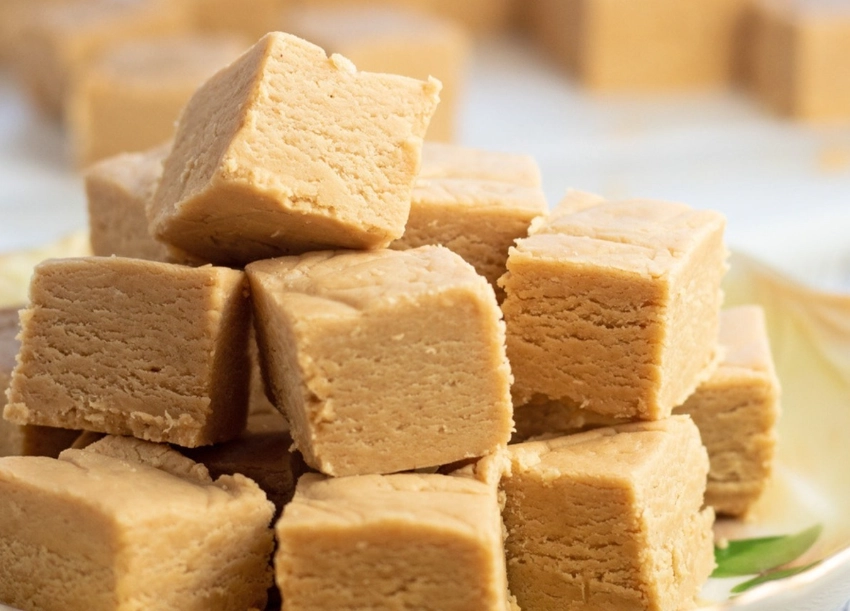
The Role of Butter: It's not just for flavor. Butter interferes with sugar crystal formation, contributing to that smooth, melt-in-your-mouth feel. Using margarine or a spread with a high water content will give you disappointing results.
The Candy Thermometer vs. The Cold Water Test
This is a big debate. How do you know when your fudge is cooked?
The cold water test is the old-school method. It works, but it's subjective. What's a "soft ball" to me might be a "firm ball" to you. For a beginner, this variability is a recipe for anxiety.
A candy thermometer removes the doubt. The soft-ball stage for fudge is a specific range: 234°F to 238°F (112°C to 114°C). If you go under, your fudge will be too soft. Over, and it becomes crumbly and hard. It's that simple. An instant-read thermometer isn't ideal here; you need one that clips to the pan. They're cheap and will save you batches of failed candy. It's the single best investment for answering "how do you make peanut butter fudge" successfully.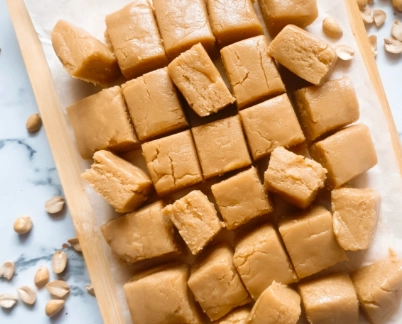
Fudge Fails: What Went Wrong and How to Fix It
We've all had disasters. Here's a quick troubleshooting guide based on my own (many) errors.
| The Problem | Most Likely Cause | How to Prevent It Next Time |
|---|---|---|
| Fudge is too soft/never sets | Undercooked (didn't reach soft-ball stage), or beaten and poured before it cooled enough. | Use a thermometer. Let the syrup cool to 110°F before adding peanut butter and beating. |
| Fudge is hard, grainy, or crumbly | Overcooked, OR sugar crystals formed (from stirring during the boil or sugar granules on the side of the pan). | Don't stir once boiling. Brush down sugar crystals on the pan sides with a wet pastry brush at the start of cooking. Don't overcook. |
| Fudge is greasy/oily | Natural peanut butter separated, or the fudge was beaten too vigorously or for too long. | Use stabilized peanut butter. Beat just until it loses its gloss and thickens—stop as soon as you see the change. |
| Top is sticky or sweaty | Refrigerated while still warm, causing condensation. | Always let fudge cool completely at room temperature before covering or refrigerating. |
A Word on Stirring
This is the hardest habit to break. Once that mixture comes to a boil, put the spoon down. Stirring or jostling the pot encourages sugar molecules to crash into each other and form crystals, which is what makes fudge grainy. Let it do its thing. Just watch the thermometer.
Beyond the Basic: Fun Variations to Try
Once you've mastered the classic, the world is your oyster. Or, your peanut butter cup.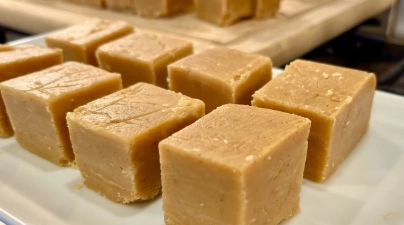
Chocolate Swirl Peanut Butter Fudge: After spreading the fudge in the pan, drizzle melted chocolate (semi-sweet or milk) over the top. Use a knife or toothpick to swirl it gently into the peanut butter layer. Don't over-mix.
Salted Caramel Peanut Butter Fudge: Layer the bottom of your pan with a thin sheet of soft caramel candies or a drizzle of store-bought thick caramel sauce before pouring in the fudge. Sprinkle flaky sea salt on top after spreading.
Crunchy Fudge: Fold in 1/2 to 3/4 cup of chopped, salted peanuts right after you finish beating the fudge and before you pour it. The texture contrast is fantastic.
Fluffernutter Fudge: This is a crowd-pleaser. Substitute 1/2 cup of the peanut butter with marshmallow fluff. Add it along with the peanut butter and vanilla. The flavor is nostalgic and the texture becomes even creamier.
Honestly, my favorite is still the plain classic. Sometimes you don't need to improve on perfection.
Your Peanut Butter Fudge Questions, Answered
Here are the things people really want to know when they ask "how do you make peanut butter fudge."
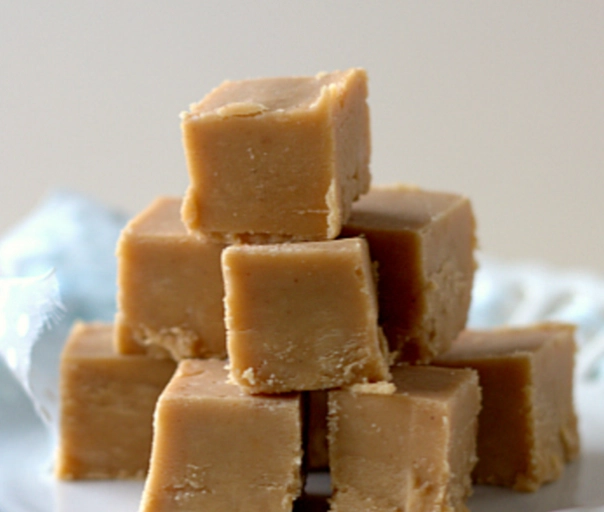
Pro Tip: The Perfect Cut
For clean, professional-looking squares, use a large, sharp chef's knife. Run it under very hot water, wipe it dry, and make your cuts in one smooth, firm motion. Re-heat and wipe the blade between cuts. It makes a huge difference versus sawing through it with a paring knife.
Gifting and Storing Your Masterpiece
Homemade fudge is a fantastic gift. Package it in a small cardboard box lined with parchment or in a decorative tin with layers separated by wax paper. It ships reasonably well if packed snugly. Just avoid extreme heat.
For everyday storage, that airtight container is key. I layer squares between sheets of parchment or wax paper so they don't stick together. If your kitchen is warm, the fridge is fine, but let pieces come to room temperature for about 15 minutes before eating for the best texture and flavor release.
Final Thoughts: You Can Do This
Learning how to make peanut butter fudge feels like a rite of passage. It seems intimidating because of the thermometer and the precise temperatures. But once you do it successfully once, you realize it's just a simple process with a few non-negotiable rules. It's far easier than, say, a soufflé or even a perfect pie crust.
The reward is huge. The rich, peanutty aroma that fills your kitchen. The satisfaction of turning basic pantry items into a beautiful pan of creamy, decadent candy. The looks on people's faces when you tell them you made it from scratch.
So go for it.
Grab your heavy pot and your thermometer. Measure carefully. Resist the urge to stir. And beat that fudge until your arm complains. You'll end up with something far better than anything from a store. And you'll have the answer, not just to "how do you make peanut butter fudge," but to "how do you make perfect peanut butter fudge."
And if your first batch isn't perfect? Don't sweat it. Crumble it over ice cream. It'll still taste amazing. Then try again. I promise, it's worth the effort.
Reader Comments