Your Smoothie Roadmap
- The Core Foundation: Your Go-To Peanut Butter Smoothie Recipe
- Beyond the Basic: Peanut Butter Smoothie Variations for Every Goal
- Why This Isn't Just a Milkshake: The Nutrition Breakdown
- Answering Your Peanut Butter Smoothie Questions (The FAQ)
- Common Pitfalls & How to Avoid Them (Learn From My Mistakes)
- Putting It All Together: Your Smoothie Creation Checklist
Let's be honest, we've all been there. You want something quick, filling, and that actually tastes good. You throw some stuff in a blender, hit the button, and hope for the best. Sometimes it's great. Other times... well, it's a chalky, separated mess that you force down because you don't want to waste food. I've had more than my share of those failures.
But a peanut butter smoothie? That's a different story. When you get it right, it's like a creamy, dreamy milkshake that's secretly good for you. It sticks to your ribs, satisfies that sweet-and-salty craving, and can power you through a morning or refuel you after a workout. The problem is, most peanut butter smoothie recipes online are either too simple (just banana and peanut butter, really?) or they load it up with so much sugar and junk that the health benefits fly out the window.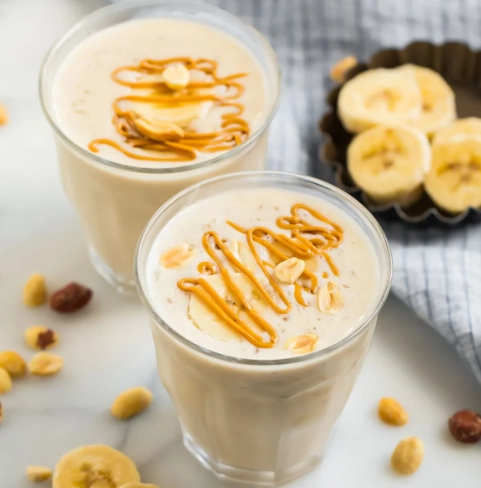
So I spent a frankly ridiculous amount of time in my kitchen, blending, tasting, and tweaking. I talked to a nutritionist friend about the macros. I tested different types of peanut butter (the brand matters more than you think). I even made a version so thick my blender groaned in protest. This guide is the result of all that. It's not just a single recipe; it's the blueprint for how to build your own perfect peanut butter smoothie every single time, whether you want a quick breakfast, a post-gym protein hit, or a healthy dessert.
The Core Foundation: Your Go-To Peanut Butter Smoothie Recipe
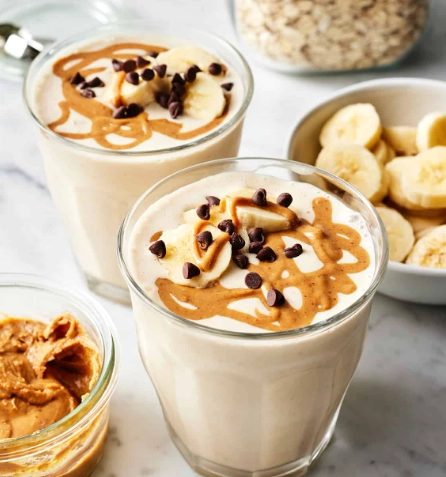
Every great building needs a solid foundation. Think of this as your master template, the basic peanut butter smoothie recipe you can always come back to and customize. It's balanced, not too sweet, and gets its creaminess from smart ingredients, not just piles of yogurt.
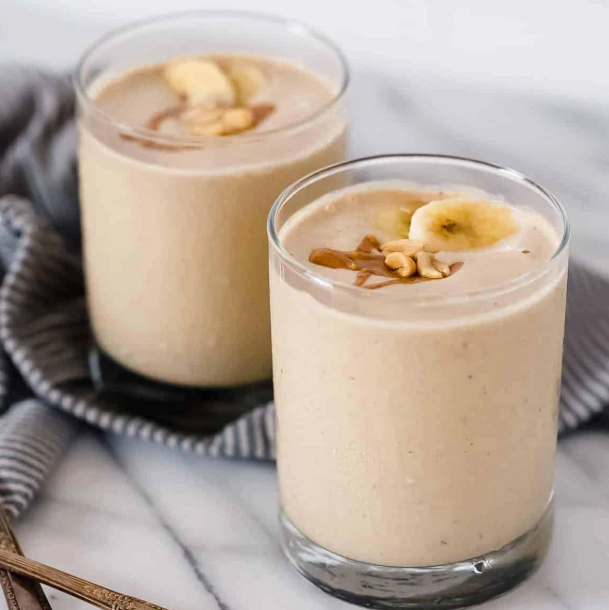
The Classic Creamy Peanut Butter Smoothie
This is the one. The reliable, never-let-you-down base. It yields about 16-20 oz, perfect for one hearty serving or two smaller ones.
What You'll Need:
- Frozen Banana (1 medium): This is non-negotiable for sweetness and that thick, creamy texture. Fresh banana won't cut it—trust me on this. The freezing is what gives it body.
- Natural Peanut Butter (2 tablespoons): Go for the kind where the only ingredients are peanuts and maybe salt. The oil-on-top kind. The processed stuff with added sugar and hydrogenated oils will make your smoothie weirdly slick and overly sweet.
- Unsweetened Almond Milk (1 cup): Or any milk you prefer—dairy, oat, soy. Start with 3/4 cup and add more if it's too thick. Almond milk keeps it light.
- Plain Greek Yogurt (1/4 cup): For protein and tang. You can skip it for a vegan version, but you'll lose some creaminess.
- Vanilla Extract (1/2 teaspoon): A little splash that makes it taste like a treat.
- Pinch of Salt: Seriously. It makes the peanut butter flavor pop and balances the sweetness.
- Ice (a small handful): Only if your banana isn't frozen enough or you want it extra frosty.
How to Make It (It's Not Just Dumping):
- Add your liquid to the blender first. This prevents everything else from getting stuck at the bottom in a stubborn lump. Pour in the almond milk.
- Next, add the softer ingredients. Spoon in the Greek yogurt and the peanut butter.
- Now the flavor agents. Drop in the banana chunks, vanilla, and that pinch of salt.
- Blend on high for 45-60 seconds. Stop. Scrape down the sides if needed. Blend again for another 15-20 seconds until it's completely smooth and has a uniform, pourable consistency. If it's struggling, add a tiny splash more liquid.
- Pour and drink immediately. This isn't one that sits well—it separates and gets a bit sad.
That right there is your foundation. But maybe you're thinking, "That's fine, but I need more protein," or "I want to hide some spinach in there." That's where the fun begins.
Beyond the Basic: Peanut Butter Smoothie Variations for Every Goal
The beauty of a peanut butter smoothie recipe is its versatility. It's a blank canvas. Here are some of my favorite twists, categorized by what you're trying to achieve.
For the Protein Seeker (The Gym Rat Special)
This is my go-to after a heavy lifting session. The goal is to bump up the protein without turning it into a chalky, supplement-tasting mess.
- Base: Use the classic recipe above.
- Add: 1 scoop of chocolate or vanilla protein powder. Whey or plant-based both work. I find chocolate peanut butter is a classic combo for a reason.
- Boost: Add 1 tablespoon of chia seeds or hemp hearts. They add protein, healthy fats, and fiber, and you barely taste them.
- Pro-Tip: If you use protein powder, you might need an extra 2-3 tablespoons of liquid. Powder really soaks it up. A splash of cold brew coffee instead of some milk is amazing here.
For the Green Thumb (The Sneaky Veggie)
You want the nutrients but don't want a "green" taste. This peanut butter smoothie recipe is a master of disguise.
- Base: Use the classic recipe.
- Add: A big handful (about 1-1.5 cups) of fresh spinach. I promise, you won't taste it. The peanut butter and banana completely overpower it. Kale is stronger, so start with a small handful if you're new to this.
- Boost: 1/4 of an avocado. This makes it unbelievably, luxuriously creamy and adds healthy fats.
- Pro-Tip: Blend the spinach with the liquid first for about 10 seconds to break it down completely, then add the other ingredients. This avoids any leafy chunks.
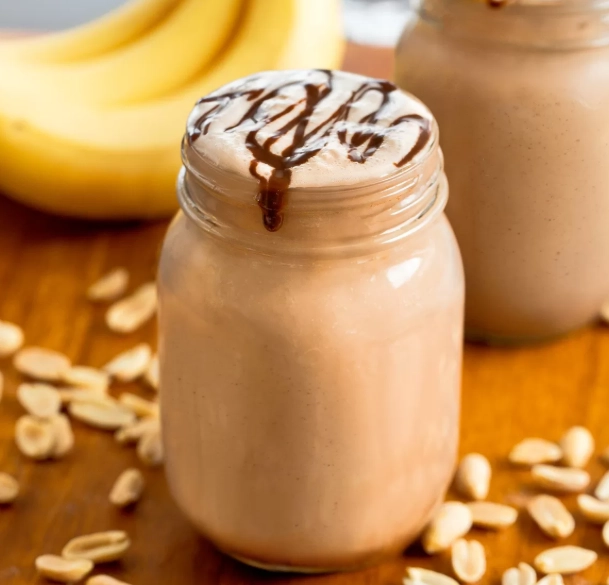
For the Chocolate Craver (The Healthy Dessert)
This tastes like a peanut butter cup in a glass. It's decadent but still reasonable.
- Base: Use the classic recipe.
- Add: 1 tablespoon of unsweetened cocoa powder or cacao powder. Cacao is less processed and has a richer, slightly bitter chocolate flavor.
- Boost: Swap the vanilla extract for 1/4 teaspoon of almond extract. It's a next-level flavor pairing with chocolate and peanut butter.
- Sweeten (optional): If your banana isn't super ripe or you find it too bitter, add 1 pitted Medjool date or a tiny drizzle of maple syrup.
See what I mean? One base, endless possibilities. But let's get into the nitty-gritty. Why is this even a healthy choice?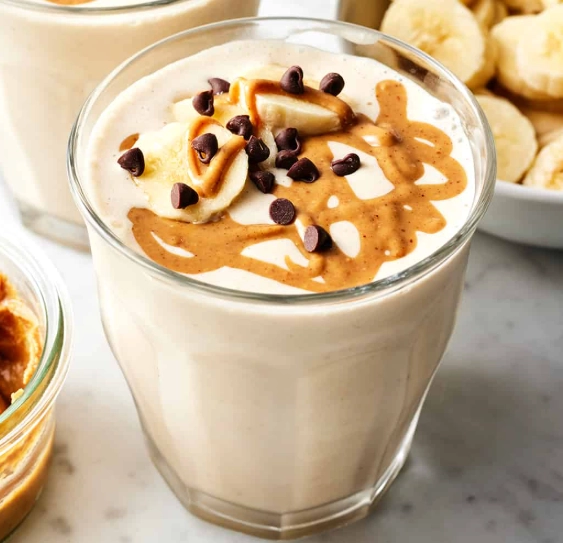
Why This Isn't Just a Milkshake: The Nutrition Breakdown
Calling any smoothie "healthy" is a bit of a minefield. It totally depends on what's in it. A peanut butter smoothie recipe built on our classic foundation, though, has a lot going for it. Let's break down the star player: peanut butter.
According to the USDA's FoodData Central, a two-tablespoon serving of natural peanut butter provides about 7-8 grams of plant-based protein and up to 16 grams of heart-healthy unsaturated fats. It's also a source of key nutrients like magnesium, potassium, and vitamin E. The fiber (about 2-3 grams per serving) and fat combo is what gives this smoothie its staying power, helping to keep you full for hours compared to a fruit-only blend.
But here's the catch—it's also calorie-dense. Two tablespoons pack around 180-200 calories. That's not bad, but it means portion awareness is key if weight management is a goal. You can't just glug peanut butter straight from the jar into the blender (trust me, I've tried).
Here's a rough look at the nutrition profile for our classic recipe (using unsweetened almond milk and a medium banana):
| Nutrient | Approximate Amount | Why It Matters |
|---|---|---|
| Calories | ~350-400 | A substantial snack or light meal. For a lower-calorie version, use 1 tbsp PB and add more spinach. |
| Protein | ~15-18 grams | From the Greek yogurt and peanut butter. Crucial for muscle repair and satiety. |
| Healthy Fats | ~16-18 grams | Primarily from the peanut butter. Slows digestion and provides sustained energy. |
| Fiber | ~5-7 grams | From the banana and peanut butter. Great for gut health and keeping you full. |
| Sugars (Natural) | ~20-25 grams | Mostly from the banana. No added sugars if you use natural PB and unsweetened milk. |
As the Harvard T.H. Chan School of Public Health notes, peanuts and peanut butter can be part of a healthy diet, linked to a lower risk of heart disease. The key, as with anything, is the overall dietary pattern and not overdoing it.
Answering Your Peanut Butter Smoothie Questions (The FAQ)
Can I make a peanut butter smoothie without banana?
Yes, but it's trickier. The banana is your primary sweetener and thickener. Without it, you'll need to compensate. Try using 1/2 cup of frozen mango or pineapple chunks for sweetness and thickness, plus 1/4 cup of cooked oats or cauliflower rice (sounds weird, tastes like nothing) to get that creamy body. You'll likely need a touch of honey or maple syrup too.
My smoothie is too thick! What did I do wrong?
You probably didn't do anything "wrong," you just need to adjust. First, always start with less liquid than you think. You can add more, but you can't take it out. If it's a brick in the blender, stop blending, add another 1/4 cup of liquid (milk, water, even cold coffee), and blend again. Using too much frozen fruit or peanut butter is the usual culprit.
Can I prep these ahead of time?
This is the million-dollar question for busy mornings. You can, but with a caveat. The best method is to make smoothie packs. Portion all your solid, frozen ingredients (banana slices, spinach, even the pre-measured peanut butter if you freeze it in little dollops on parchment paper) into individual freezer bags. In the morning, dump the bag into your blender, add your fresh liquid and yogurt, and blend. Drinking it immediately is still ideal, but prepping the packs saves tons of time.
Is a peanut butter smoothie good for weight loss or weight gain?
It can be tailored for either, which is why this peanut butter smoothie recipe framework is so useful.
- For weight loss: Stick to one tablespoon of peanut butter, use unsweetened almond milk, load up on spinach, and skip any added sweeteners. It becomes a high-volume, nutrient-dense, lower-calorie meal.
- For weight gain or as a meal replacement: Use two tablespoons of peanut butter, whole milk or oat milk (higher in calories), add a scoop of protein powder, a tablespoon of nut butter, and maybe even some oats. This can easily become a 600+ calorie, balanced mini-meal.
What's the best peanut butter for smoothies?
Hands down, natural peanut butter with no added sugar or oils. The ingredient list should say: peanuts, salt. The oil separation is normal—just stir it in well before using. The processed, homogenized kinds (like many big-name brands) often contain added sugar, hydrogenated oils, and emulsifiers. They make the smoothie taste artificially sweet and can give it a weird, slick mouthfeel. I made that switch years ago and never looked back.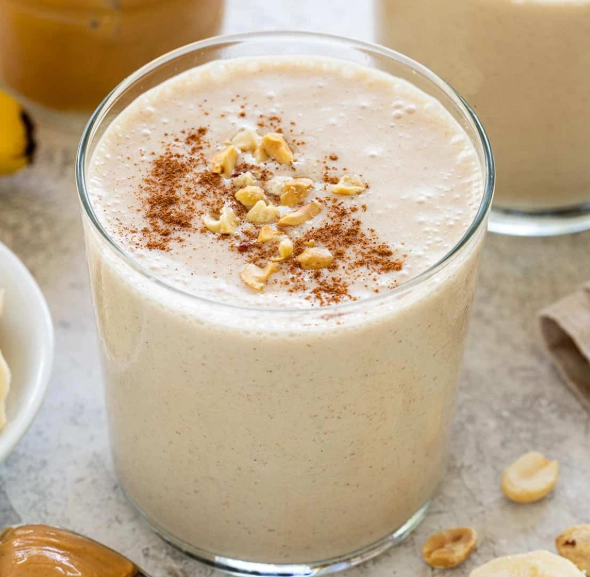
Common Pitfalls & How to Avoid Them (Learn From My Mistakes)
I've made every smoothie mistake in the book so you don't have to.
Pitfall #1: Using all fresh fruit. This is the #1 reason for a watery, sad smoothie. You need that frozen element—the banana, some frozen berries, even ice—to give it a thick, milkshake-like consistency. Frozen fruit is also often cheaper and prevents waste.
Pitfall #2: Overcomplicating it. You don't need ten superfood powders. Start with the foundation: fruit, liquid, protein/fat (the peanut butter). Master that. Then add one new thing at a time (like spinach or cinnamon) to see how it changes the flavor and texture.
Pitfall #3: Not tasting as you go. Before you pour it out, dip a spoon in. Is it sweet enough? Does it need a pinch more salt to make the peanut butter sing? Is it too thick? Adjust! Blending is not an exact science because fruits vary in size and sweetness.
Pitfall #4: The wrong blender order. I mentioned it earlier, but it's worth repeating: liquid first, then soft ingredients, then frozen/hard ingredients on top. This creates a vortex that pulls everything down smoothly and prevents blade lock-up.
Putting It All Together: Your Smoothie Creation Checklist
Feeling overwhelmed? Don't be. Use this simple mental checklist next time you stand in front of the blender.
- Pick Your Liquid (3/4 - 1 cup): Milk, almond milk, oat milk, water, cold brew.
- Pick Your Creamy Base (1-2 servings): Frozen banana is king. Avocado, mango, or Greek yogurt are great supports.
- Pick Your Protein/Fat (1-2 tbsp): Natural peanut butter is your star. Chia seeds, hemp hearts, protein powder are co-stars.
- Pick Your Flavor Boost (optional): Vanilla, cinnamon, cocoa powder, a pinch of salt.
- Pick Your "Health Boost" (optional, 1 handful): Spinach, kale, cooked cauliflower.
- BLEND, TASTE, ADJUST. This is the most important step.
That's it. You don't need to remember a specific peanut butter smoothie recipe after a while. You just need to understand the formula.
So, grab that jar of peanut butter. Don't be afraid to experiment. Start with the classic, then make it your own. Maybe you'll discover that adding a dash of cinnamon and a sprinkle of cayenne makes your perfect cup. Or that blending in some cold coffee turns it into the ultimate morning wake-up call.
The point is to make something you'll actually look forward to drinking, something that fuels your body and satisfies your taste buds. And honestly, after all this testing, I can't think of a better place to start than with a simple, creamy, downright delicious peanut butter smoothie.
Reader Comments