Quick Guide
- From Farm Accident to Candy Aisle Dominance
- Navigating the Aisle: A Field Guide to Peanut Butter Cup Types
- What's Actually Inside? A Nutrition & Ingredients Breakdown
- Beyond Reese's: The Other Players in the Game
- Your Kitchen, Your Rules: How to Make Peanut Butter Cups at Home
- Answering Your Burning Peanut Butter Cup Questions
- The Final Word: More Than Just a Candy
Let's be honest. There's a good chance you're here because you just finished one (or three) and a wave of curiosity hit you right after the sugar rush. What is it about that combination of sweet, salty, creamy, and crunchy that feels so right? It's not just candy. It's a cultural icon, a reliable desk drawer companion, and for many of us, the undisputed king of the Halloween haul. But how much do you actually know about this humble treat? We're going way beyond just unwrapping the foil. We're digging into where they came from, what's really in them, how the big brands stack up, and most importantly, how you can make your own incredible versions in your kitchen. Trust me, once you see what goes into it, you'll never look at a peanut butter cup the same way again.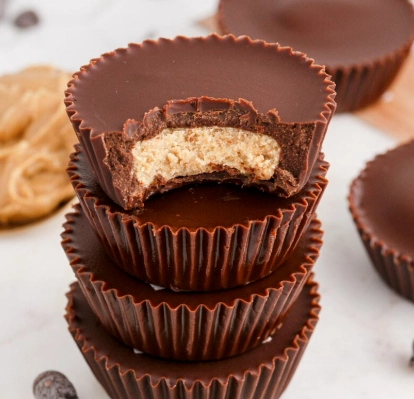
Quick Reality Check: I love them, but I'm not here to just gush. Some are too sweet, some use questionable ingredients, and let's face it, the packaging can be frustrating. We'll get into the good, the bad, and the sticky.
From Farm Accident to Candy Aisle Dominance
The story of the peanut butter cup is, surprisingly, a story of brilliant simplicity and being in the right place at the right time. Most people credit Harry Burnett (H.B.) Reese as the sole inventor. He was a former dairy farmer and shipping foreman for none other than Milton S. Hershey. That connection is crucial—it's where he got the idea for the chocolate.
The popular tale goes that Reese, experimenting in his basement, wanted to create a candy that combined two affordable, available ingredients: peanut butter and chocolate. He started the H.B. Reese Candy Company in the 1920s. The original product wasn't even called a cup; it was just a patty. The genius was in the price point and marketing. He sold them in packs of five for a penny, making them an accessible treat during the Great Depression. The name "penny cup" actually stuck for a long time.
Now, here's a detail most people miss. Reese didn't invent the concept of chocolate-covered peanut butter. Other companies had similar confections. His true innovation was in the specific layering and ratio. He used Hershey's chocolate and crafted a peanut butter center that was less sweet and more savory than the standard jarred stuff, creating that iconic contrast. The Reese's company's own history page confirms this focus on a unique peanut butter blend. The candy's explosive popularity after WWII, especially with soldiers receiving them in care packages, cemented its place in history. In 1963, the Reese's company was merged into the Hershey Chocolate Corporation, which explains why that chocolate tastes so... familiar.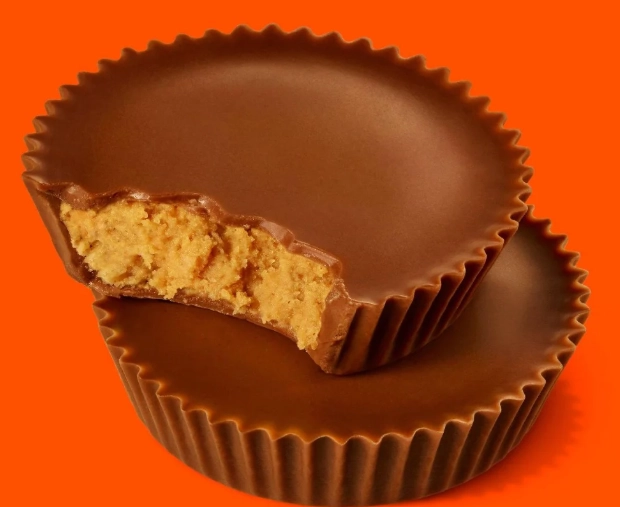
Navigating the Aisle: A Field Guide to Peanut Butter Cup Types
Walk down the candy aisle today and it's not just the classic orange wrapper. It's a whole universe. Knowing the differences can save you from a disappointing purchase.
The Classic Family (Milk Chocolate & Standard PB)
This is home base. The standard Reese's Peanut Butter Cup is the benchmark. Then you have the size variations, which aren't just about getting more candy. The ratio changes!
- Miniatures/Peanut Butter Hearts/Trees/Pumpkins: Higher shell-to-filling ratio. You get more chocolate bite per bite. The holiday shapes often have a slightly smoother, easier-to-mold peanut butter center, in my opinion.
- King Size/Standard Two-Pack: The classic ratio most people remember.
- The "Big Cup" and Giant: Here, the peanut butter center dominates. It's thicker, often has a more crumbly texture, and is for the true peanut butter fanatic. This is my personal go-to—the chocolate is almost just a thin veneer holding a massive PB core together.
My Take: The seasonal shapes (Easter eggs, Christmas trees) always taste better. Is it psychological? Maybe. But I swear the peanut butter is creamier. The downside? They're seasonal, leading to frantic stockpiling.
The Flavor & Format Explorers
Reese's has gone wild here, with mixed results.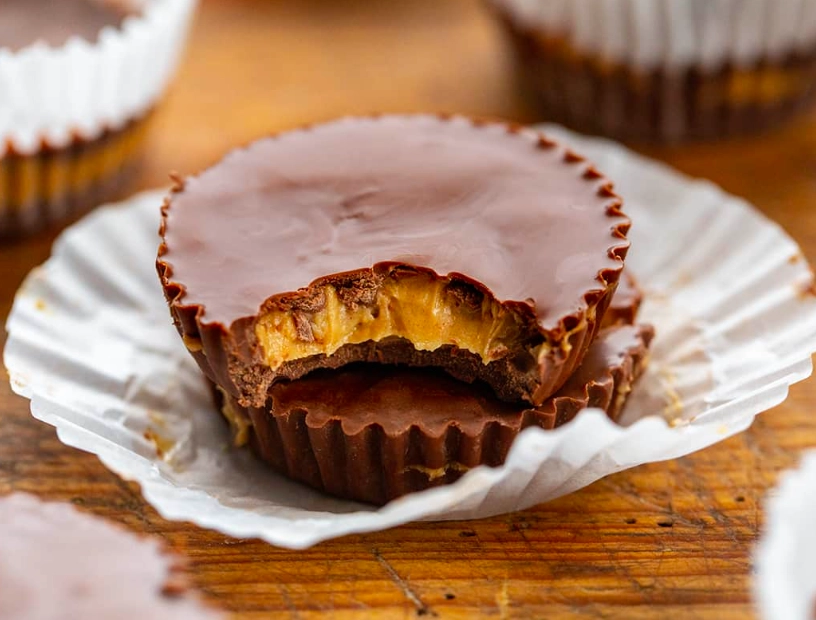
- White Chocolate: A divisive one. The extreme sweetness of the white chocolate overpowers the salty peanut butter for me. It loses the balance.
- Dark Chocolate: The opposite effect. The darker, less sweet chocolate allows the salty, nutty peanut butter flavor to shine. A more "grown-up" version, if such a thing exists for candy.
- Inside-Out: PB on the outside, chocolate inside. A fun novelty, but the texture feels wrong. The chocolate core is often too solid.
- Crunchy/Peanut Butter Lovers: These have chopped peanuts in the filling. They add a welcome textural surprise and cut through the creaminess. A solid upgrade if you find the original too one-note.
What's Actually Inside? A Nutrition & Ingredients Breakdown
Time for the less fun, but important, part. I'm not a nutritionist, but let's read the label together. A standard two-pack (1.5 oz / 42g) of milk chocolate Reese's Peanut Butter Cups contains roughly:
| Nutrient | Amount | % Daily Value* |
|---|---|---|
| Calories | ~210 | -- |
| Total Fat | 13g | 17% |
| Saturated Fat | 4.5g | 23% |
| Sugars | 21g | -- |
| Protein | 5g |
*Based on a 2,000 calorie diet. Data sourced from standard packaging and the USDA FoodData Central for reference.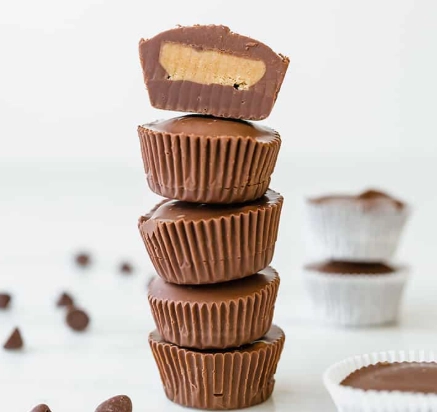
The ingredient list is a parade of modern food science: milk chocolate (sugar, cocoa butter, chocolate, nonfat milk, milk fat, lactose, soy lecithin, PGPR), peanuts, sugar, dextrose, salt, TBHQ, and citric acid (to maintain freshness).
Let's talk about TBHQ for a second. It's a preservative (tertiary butylhydroquinone) that prevents oils from going rancid. It's in tons of processed foods and is generally recognized as safe by regulators in tiny amounts, but seeing it on the label gives some people pause. It's a reminder that you're eating a shelf-stable industrial product, not a handmade confection.
The Bottom Line: It's a candy. It's high in sugar and saturated fat. Enjoy it as an occasional treat, not a health food. The 5g of protein is a nice perk, but don't kid yourself—it's not a protein bar.
Beyond Reese's: The Other Players in the Game
Reese's may be the 800-pound gorilla, but it's not the only option. The landscape of peanut butter cups has diversified beautifully, especially in natural food stores.
| Brand | Key Characteristics | Best For... | My Quick Taste Note |
|---|---|---|---|
| Justin's | Organic, fair trade ingredients. Dark & milk chocolate options. Less sweet, more "real" peanut butter taste. | Conscious consumers who prefer a less sugary, more artisan profile. | The dark chocolate version is excellent. The peanut butter is looser, almost like the natural stuff from a jar. |
| Unreal | |||
| No artificials, no corn syrup, less sugar. Colorful, simple packaging. | Parents looking for a "better-for-you" candy option for kids (or themselves). | They taste less rich and indulgent, which can be good or bad depending on your craving. | |
| Lily's | Stevia-sweetened. No sugar added, low carb. | Anyone on a keto, low-sugar, or diabetic-friendly diet. | The aftertaste from the stevia is noticeable. It satisfies the texture craving but not the flavor one for me. |
| Trader Joe's | Excellent value. Simple ingredients, often organic and fair trade. | The everyday, no-guilt indulgence. The price-to-quality ratio is unbeatable. | |
| Shockingly good for a store brand. The dark chocolate ones are a staple in my house. | |||
| Generic Store Brands | Extremely cheap. Often a direct copy of the Reese's formula. | Budget Halloween candy or bulk baking where the subtlety doesn't matter. | Usually waxy chocolate and a pasty, overly sweet filling. You get what you pay for. |
The main takeaway? You have choices. If the standard Reese's peanut butter cup ingredients list bothers you, you can spend a bit more for a cleaner version. If you're watching sugar, there are options. It's not a monopoly anymore.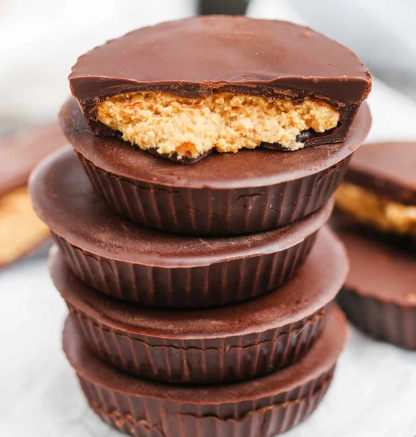
Your Kitchen, Your Rules: How to Make Peanut Butter Cups at Home
This is where the magic happens. Making them yourself is easier than you think, and it gives you god-like control over the ingredients. Want less sugar? Use dark chocolate and natural peanut butter. Want to go vegan? Use coconut oil and maple syrup. Let's start with a solid base recipe.
The Foundation: A No-Fail Homemade Recipe
You need a mini muffin tin and paper liners. That's the only special equipment.
For the Chocolate Shells:
- 2 cups (12 oz) of high-quality chocolate chips (milk, dark, or semi-sweet)
- 1 teaspoon of coconut oil (this makes the chocolate smoother and easier to bite)
For the Peanut Butter Filling:
- 3/4 cup of smooth peanut butter (the natural, runny kind works BEST here)
- 3 tablespoons of powdered sugar (or maple syrup for unrefined)
- 2 tablespoons of melted butter or coconut oil
- A big pinch of sea salt (trust me, this is the secret weapon)
The Process:
1. Melt the chocolate. Do it gently. A double boiler (or a heatproof bowl over a pot of simmering water) is foolproof. Microwave in 30-second bursts, stirring furiously in between, works too. Stir in the coconut oil until glossy.
2. Line the cups. Using a small spoon, coat the bottom and sides of each mini muffin liner with melted chocolate. Don't be shy, but don't fill it. You're making a bowl. Pop the whole tray in the freezer for 10 minutes to set hard.
3. Make the filling. Whisk the peanut butter, sweetener, melted fat, and salt together until smooth. It should be like a thick, pipeable paste. If it's too runny, add a bit more powdered sugar. Too thick? A tiny splash of milk.
4. Fill 'em up. Pull the set chocolate shells out. Spoon or pipe the peanut butter filling into each cup, leaving a small gap at the top for the final chocolate layer.
5. The Final Seal. Re-melt your remaining chocolate if needed. Spoon it over each cup, covering the peanut butter completely. Gently tap the tray on the counter to smooth the tops.
6. Chill and Devour. Back into the fridge for at least an hour. They peel out of the liners perfectly. Store in the fridge because homemade ones lack those industrial stabilizers.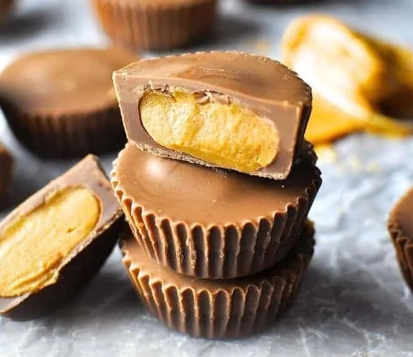
Pro-Tip I Learned the Hard Way: If your chocolate gets lumpy or "seizes" (turns into a grainy mess), you probably got a tiny drop of water in it. Start over. Keep all utensils and bowls completely dry. Also, taste your filling before you pipe it. Need more salt? Add it now.
Next-Level Flavor Twists
Once you've mastered the basic homemade peanut butter cup, the world is yours.
- Crunch Time: Add a layer of crushed graham crackers or pretzels to the bottom chocolate layer before freezing.
- Jam Session: Drop a tiny dollop of raspberry or strawberry jam in the center of the peanut butter filling.
- Spicy Business: Add a pinch of cayenne or cinnamon to the peanut butter mix. Sounds weird, tastes amazing.
- The Elvis: Mix a bit of mashed ripe banana into the peanut butter filling. Top with a slice of bacon? I haven't been that brave yet.
Answering Your Burning Peanut Butter Cup Questions
Generally, yes. The standard Reese's ingredients do not contain gluten. However, they are not certified gluten-free and are made in facilities that process wheat, so there is a cross-contamination risk for those with celiac disease. Always check the label for the most current info. Brands like Justin's and Enjoy Life are certified gluten-free.
Ah, the eternal struggle. It's a combination of the peanut butter's oil and the thinness of the chocolate seal at the base. The foil/paper is treated to release, but sometimes the bond is stronger. Pro tip: Unwrap from the side, not by pulling the paper tab from the bottom.
You can, but the results are... iffy. Because the filling has oils and sugars that separate from the chocolate, melting them together often creates a greasy, grainy mess. It's better for things like a lumpy but tasty topping for ice cream than for re-molding into new, pretty cups. For baking, just chop them up and add them to cookie or brownie batter—way better.
Cool and dry. A pantry is fine. Don't put store-bought ones in the fridge unless your house is very hot—the cold can cause "sugar bloom," those white streaks that are harmless but look unappetizing. Homemade ones, due to the lack of preservatives, should live in the fridge.
It's marketing, but it's based on something real. As the Smithsonian has noted in food history articles, the success of many iconic foods comes from a specific, tested balance of fat, sugar, and salt that is uniquely appealing. Reese's found their "bliss point" decades ago. Whether it's *your* perfect ratio is personal. I'm a Big Cup guy, remember?
The Final Word: More Than Just a Candy
It's wild how a simple invention—peanut butter held in a chocolate cup—became this behemoth. It's a lesson in food science, marketing, and nostalgia all wrapped in foil. You can approach it as a guilty pleasure, a baking ingredient, or a DIY project. You can geek out on the history or just enjoy the instant hit of satisfaction when you peel one open.
My advice? Try making a batch at home just once. It demystifies the whole thing. You'll appreciate the engineering that goes into the mass-produced ones, and you'll also realize how easy it is to make something tastier and tailored to you. Maybe you'll use almond butter. Maybe you'll add flaky salt on top. Maybe you'll finally understand why the holiday shapes seem different.
At the end of the day, whether it's a Reese's, a Justin's, or one you made yourself, a good peanut butter cup is a little masterpiece of contrasts. And there's always room for one more in the cupboard. Just maybe hide them behind the lentils.
Reader Comments