Let's talk about Buckeyes. Not the tree or the football team, but the irresistible peanut butter and chocolate candies that look like the nut of the Ohio buckeye tree. They're a staple at holiday cookie swaps, a guaranteed hit on dessert tables, and deceptively simple to mess up. I've been making them for over a decade, and I've seen every pitfall—from peanut butter soup that won't hold a shape to chocolate coatings that crack like a desert floor. This isn't just another recipe list. It's a deep dive into the *why* behind each step, packed with the kind of tips you only get from making (and fixing) hundreds of these little spheres.
What's Inside
The Buckeye Blueprint: Ingredient Deep Dive
Getting buckeyes right starts long before you turn on the mixer. The choice of each component dictates the final texture, sweetness, and stability. Here’s the breakdown.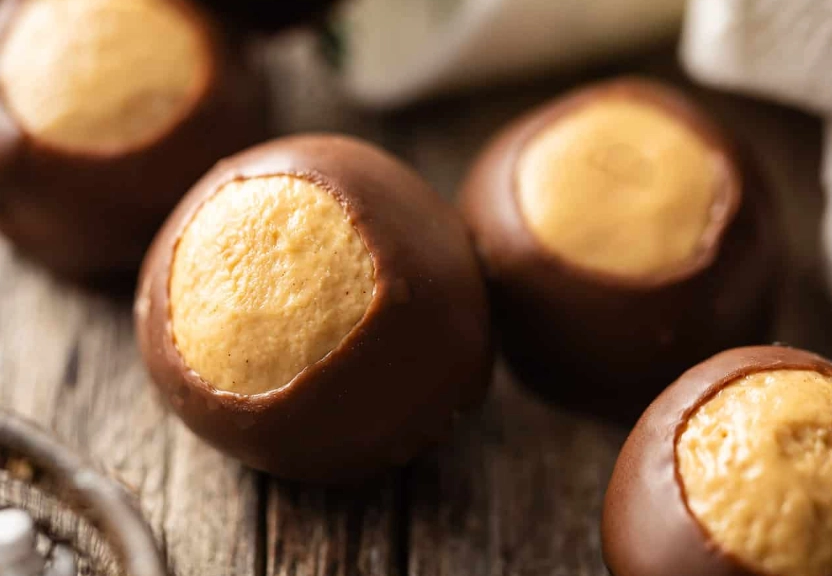
| Ingredient | Role & Why It Matters | Best Choice / Pitfall |
|---|---|---|
| Peanut Butter | The star. Provides flavor, fat, and structure. | Use a standard, no-stir creamy peanut butter like Jif or Skippy. The oil separation in natural peanut butter leads to a greasy, soft mixture that's hard to roll. This is the #1 mistake. |
| Butter | Adds richness and helps bind the ingredients. | Unsalted, softened to room temperature. Melted butter will make the mix oily. Salted butter can throw off the overall salt balance. |
| Powdered Sugar | Sweetens, dries out the mixture, and provides structure. | Sifted to avoid lumps. The amount is variable—you add until the texture is right, not just a fixed cup measure. |
| Vanilla Extract | Enhances the overall flavor profile. | Pure extract, not imitation. A teaspoon is plenty. |
| Salt | Balances sweetness and brightens peanut flavor. | Fine sea salt or table salt. Don't skip it, even if your peanut butter is salted. |
| Chocolate for Coating | Provides the signature shell and flavor contrast. | High-quality semi-sweet chocolate chips or melting wafers. Chocolate chips with cocoa butter coat well. Melting wafers (like Ghirardelli or Guittard) are foolproof for a smooth, snappy finish. Avoid chocolate bark or candy melts for the purist version—they taste waxy. |
| Paraffin Wax (Optional) | Old-school trick to make chocolate thinner, shinier, and more stable at room temp. | A small amount (1/2 tbsp grated per 12 oz chocolate). It's food-grade, but many prefer to omit it for a pure chocolate taste. If you skip it, your buckeyes are best kept refrigerated. |
My Non-Consensus Take: Everyone says "use creamy peanut butter." That's not specific enough. You must avoid the natural, oily kind for the base recipe. The stabilizers in conventional peanut butter are your silent allies, giving you a workable dough. If you're committed to natural peanut butter, you'll need to adjust by reducing butter and chilling the mixture much longer, accepting a slightly denser, oilier result.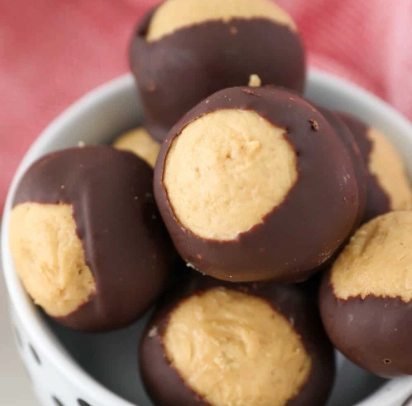
The Foolproof, Step-by-Step Process
1. Creaming the Base: It's Not Just Mixing
In a large bowl, beat together 1 cup of peanut butter, 1/2 cup (1 stick) of softened unsalted butter, 1 teaspoon of vanilla extract, and 1/4 teaspoon of salt. Use a hand mixer or stand mixer on medium until it's completely homogeneous and slightly fluffy. This takes 2-3 minutes. If you just stir it, the butter won't incorporate fully, leading to greasy pockets later.
2. Incorporating the Sugar: The Texture Test
Here's where you ditch the strict measurements. Start with 3 cups of sifted powdered sugar. Mix on low until combined. The mixture will be crumbly. Now, switch to a wooden spoon or your hands. It should hold together when pinched but not feel sticky or greasy. If it's sticky, add more powdered sugar, 1/4 cup at a time. I often end up using between 3.5 and 4 cups total. The goal is a pliable, play-dough-like consistency that doesn't stick to clean hands.
3. Chilling and Forming: Patience Pays
Cover the bowl and refrigerate for at least 30 minutes. This firms up the fats and makes rolling infinitely easier. Roll into 1-inch balls (a small cookie scoop is perfect for uniformity) and place them on a parchment-lined baking sheet. Once all are rolled, pop the tray back into the freezer for 15-20 minutes. They must be very cold before dipping.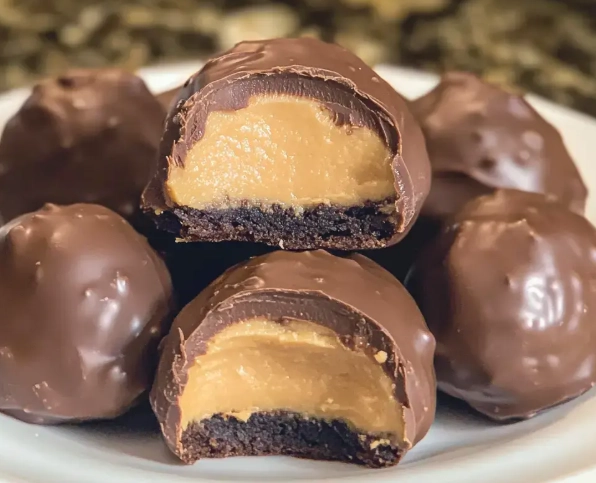
4. The Chocolate Dip: The Make-or-Break Moment
Melt 12 ounces of semi-sweet chocolate chips with 1 tablespoon of shortening (or a bit of paraffin wax if using) in a double boiler or microwave in 30-second bursts, stirring until smooth. The shortening helps thin the chocolate for a better coat. Keep the chocolate over warm (not hot) water.
Insert a toothpick into a frozen peanut butter ball. Dip it 3/4 of the way into the chocolate, let the excess drip off, and place it back on the parchment. The small hole from the toothpick will remain. Repeat, working quickly. If the peanut butter balls start to soften, return the tray to the freezer for 10 minutes.
Classic Error to Avoid: Dipping room-temperature balls. The peanut butter will soften, melt the chocolate from the inside, cause drips, and often slide off the toothpick. Cold centers are non-negotiable.
5. The Final Touch
Once all are dipped and the chocolate is set, you can smooth over the toothpick holes with your fingertip. Some people use a small spoon or just leave them as is. Let the buckeyes set completely at room temperature or in the fridge before storing.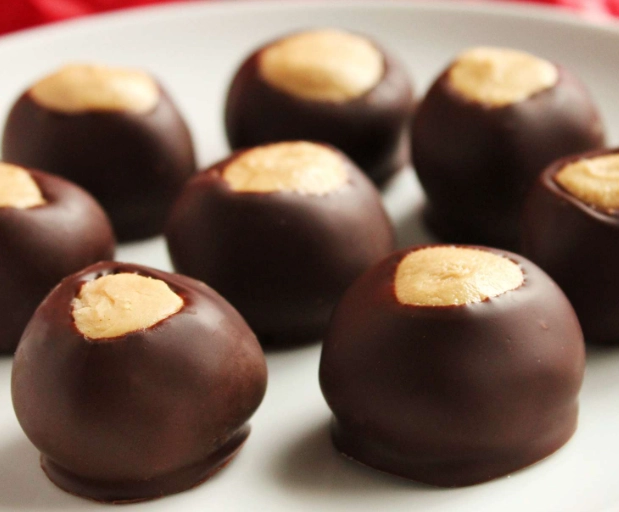
Expert Tips & Common Problem Fixes
This is the stuff you won't find on the back of a peanut butter jar.
Problem: The mixture is too dry and crumbly.
Fix: You added too much powdered sugar or over-mixed. Work in a teaspoon of milk or extra peanut butter at a time until it comes together. Don't add more butter—it'll make them too soft later.
Problem: The chocolate coating is thick, lumpy, or doesn't drip smoothly.
Fix: Your chocolate is too hot or seized. Ensure no steam or water gets into it. Add a bit more shortening (1/2 tsp at a time) to thin it. If it's seized (turned grainy), stir in a bit of vegetable oil to try to save it, but starting over is often easier.
Problem: White streaks appear on the chocolate after a day (bloom).
Fix: This is fat or sugar bloom caused by temperature fluctuations during storage. The chocolate is still safe to eat but doesn't look great. To minimize, store in the refrigerator in an airtight container layered with parchment paper. Bring to room temperature before serving to reduce condensation.
Creative Twists: Once you've mastered the classic, try mixing in 1/2 cup of crushed graham crackers with the dry ingredients for a s'mores vibe. Or, roll the finished buckeyes in crushed pretzels, toffee bits, or flaky sea salt right after dipping. For a darker flavor, use dark chocolate for coating.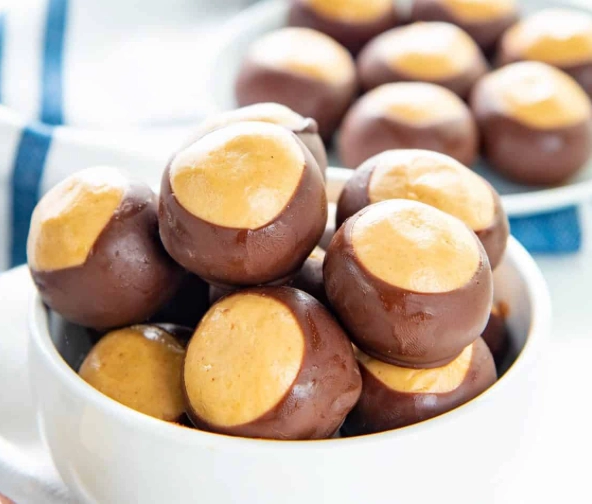
Storage, Serving & Creative Twices
Buckeyes are make-ahead champions. Store them in an airtight container in the refrigerator for up to 3 weeks. For longer storage, freeze them on a tray, then transfer to a freezer bag for up to 3 months. Thaw in the fridge.
Serve them on a platter at room temperature for the best texture and flavor. They pair wonderfully with coffee, milk, or a glass of dessert wine. They also make incredible gifts—tier them in a clear cellophane bag with a ribbon.
I once brought a batch to a summer picnic, forgetting they'd be in the sun. Big mistake. They became a delicious, melty mess. Lesson learned: these are cool-weather candies unless you have a fridge nearby.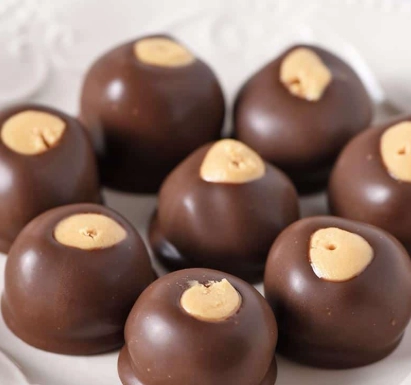
Reader Comments