In This Guide
Let's be honest. The stuff you buy in the little cardboard box at the store? It's fine. It's sweet. But it often has that weird, slightly grainy texture and a flavor that tastes more of sugar than peanuts. Making homemade peanut butter fudge is a completely different ball game. When you get it right, it's like biting into a cloud of sweet, salty, peanut-buttery heaven. It's creamy, it's rich, and it has that unmistakable homemade taste that makes people ask for the recipe.
I've been making this stuff for years, for holidays, bake sales, and just because Tuesday felt like a fudge day. I've also had my share of disasters—fudge that wouldn't set, fudge that turned into a sugary brick, you name it. So this guide isn't just about a recipe. It's about everything I've learned the hard way, so you don't have to.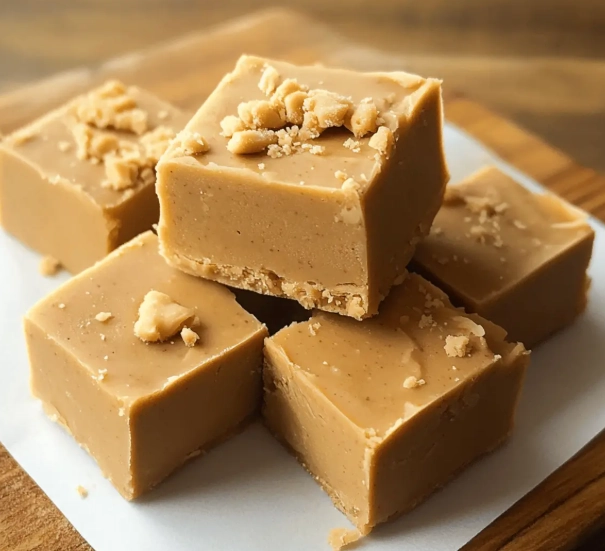
What You Really Need: The Ingredients Deep Dive
Great homemade peanut butter fudge starts with understanding your ingredients. This isn't just a dump-and-stir situation. Each component plays a role.
The Star: Peanut Butter
This is the make-or-break ingredient. You might think any jar will do, but your choice here defines the final product.
Avoid natural peanut butter (the kind with oil separation) for your first try. The inconsistent oil content can throw off the fat balance and prevent proper setting. Trust me, I learned this with a pan of delicious but soupy failure.
Go for a standard, creamy, commercially prepared peanut butter. Skippy or Jif-style works perfectly. They're emulsified, so the oil is blended in, giving you a consistent fat content and that classic, smooth flavor. If you're feeling adventurous later, you can experiment with natural kinds, but you'll need to adjust (more on that later).
The Foundation: Sugar and Butter
Granulated white sugar is the standard. It provides structure and sweetness. Some recipes use brown sugar for a deeper, molasses-like flavor, but it can make the fudge softer. We're going for classic here.
Butter. Use real, unsalted butter. Salted butter can work, but then you'd adjust the added salt later. Unsalted gives you total control over the saltiness, which is crucial for balancing the sweet peanut flavor.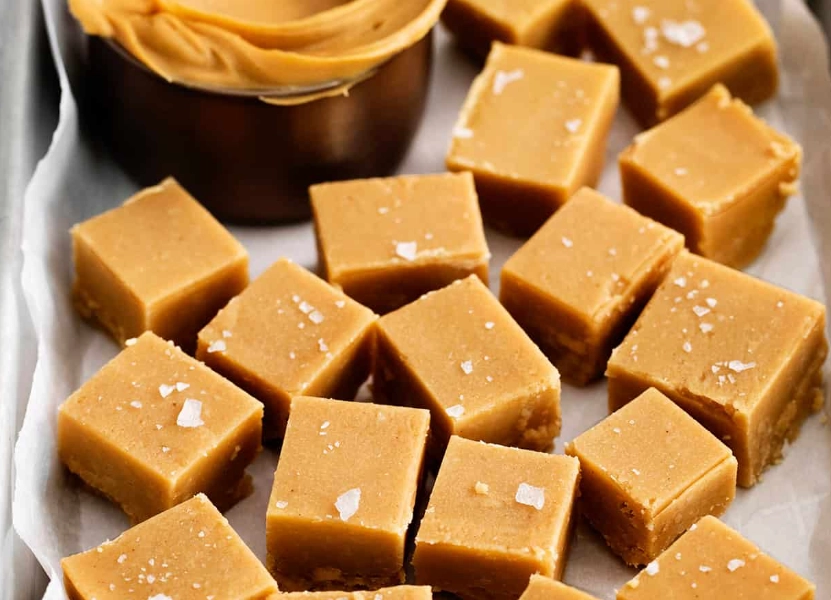
The Magician: Marshmallow Fluff or Marshmallows
This is the secret weapon for an easy, no-fail, creamy texture. The marshmallow acts as a stabilizer. It interferes with sugar crystal formation—big, gritty sugar crystals are the enemy of smooth fudge. Using marshmallow creme (Fluff) is the easiest route. If you only have mini marshmallows, that's fine, they'll melt. But the creme blends in seamlessly.
The Supporting Cast: Vanilla and Salt
Pure vanilla extract, not imitation. It adds a warm background note. And salt—this is non-negotiable. A good pinch of fine sea salt or kosher salt doesn't make the fudge taste salty; it makes the peanut butter flavor pop and cuts the cloying sweetness. It's the difference between flat and fantastic.
| Ingredient | Role in the Fudge | Best Choice for Beginners | Notes & Pitfalls |
|---|---|---|---|
| Peanut Butter | Primary flavor, fat source | Creamy, commercial brand (e.g., Jif, Skippy) | Natural PB can cause separation; Crunchy PB gives texture but may not be as smooth. |
| Sugar | Sweetness, structure | Granulated white sugar | Brown sugar alters flavor & texture (softer). Measure accurately. |
| Butter | Richness, smooth texture | Unsalted butter | Allows for controlled salting. Salted butter works but reduce added salt. |
| Marshmallow Creme | Stabilizer, prevents graininess, ensures creaminess | Marshmallow Fluff (one 7oz jar) | Key for no-fail method. Can sub with 1.5 cups mini marshmallows. |
| Vanilla Extract | Flavor enhancer | Pure vanilla extract | A splash rounds out the flavor profile. |
| Salt | Flavor balancer | Fine sea salt or kosher salt | Makes the peanut flavor "sing." Don't skip. |
The Foolproof, Creamy Homemade Peanut Butter Fudge Recipe
Okay, let's get to it. This is my go-to, never-let-me-down recipe for perfect homemade peanut butter fudge. It requires a saucepan, a spoon, and a bit of arm strength—no candy thermometer needed.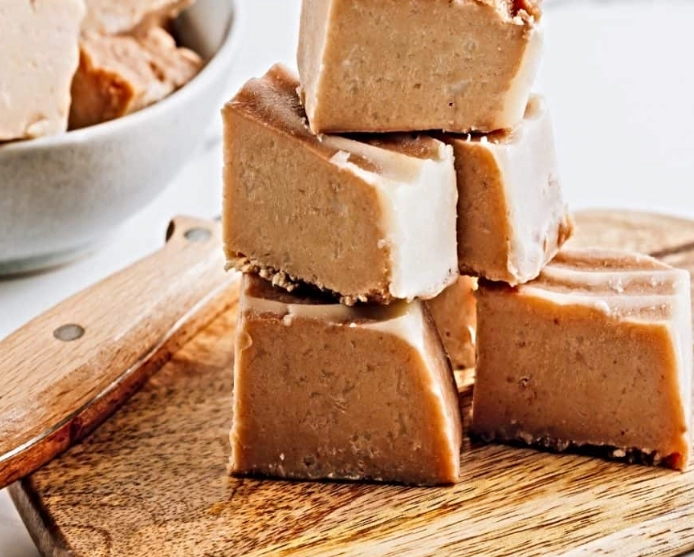
Classic No-Fail Peanut Butter Fudge
Prep: 10 mins | Cook: 10 mins | Chill: 2 hours | Makes: About 64 small squares
Ingredients:
- 2 cups granulated white sugar
- 1/2 cup whole milk (2% works, avoid skim)
- 1 (7-ounce) jar marshmallow creme (like Marshmallow Fluff)
- 3/4 cup creamy peanut butter (the standard, not natural kind)
- 1 teaspoon pure vanilla extract
- 1/4 teaspoon fine sea salt (plus a pinch more for topping, optional)
Instructions:
- Prep the Pan: Line an 8x8 inch baking pan with parchment paper, leaving some overhang on two sides. This creates "handles" to lift the fudge out later. Lightly grease the paper with butter. Don't skip this, or you'll be chiseling fudge.
- Combine and Boil: In a medium-sized, heavy-bottomed saucepan (this distributes heat evenly and prevents burning), combine the sugar and milk. Stir it over medium heat until the sugar dissolves and the mixture comes to a full, rolling boil. Once boiling, set a timer for 5 minutes. Stir it occasionally to prevent sticking.
- Add the Magic: When the timer goes off, remove the pan from the heat. Immediately add the entire jar of marshmallow creme, the peanut butter, vanilla, and salt. This is the fun part.
- Beat It: Now, stir. Stir vigorously and continuously until everything is completely melted, combined, and the mixture is smooth and thick. You'll see it go from a swirly mess to a homogeneous, glossy, thick batter. This takes a good 1-2 minutes of steady stirring. Your arm might feel it, but this step is crucial for the creamy texture.
- Pour and Set: Quickly pour the hot fudge mixture into your prepared pan. Use a spatula to spread it into an even layer. If you like, sprinkle a tiny pinch of flaky sea salt over the top for a gourmet touch. Let the pan cool on the counter for about 30 minutes, then transfer it to the refrigerator to chill and fully set for at least 2 hours, or overnight is even better.
- Slice and Serve: Use the parchment paper handles to lift the entire slab of fudge out of the pan. Place it on a cutting board. Using a large, sharp knife (wiping it clean with a hot, damp cloth between cuts makes cleaner squares), cut into 1-inch pieces.
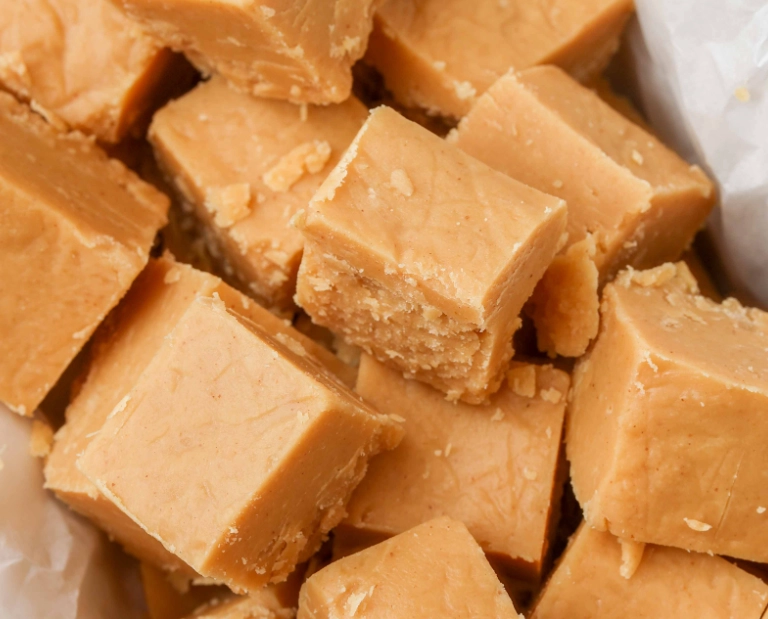
And that's it. Seriously.
Store your homemade peanut butter fudge in an airtight container in the fridge. It firms up nicely when cold but stays creamy. It can stay at room temperature for serving. It keeps beautifully for up to two weeks in the fridge (if it lasts that long).
Why Did My Fudge Fail? Troubleshooting Common Problems
Even with an easy recipe, things can happen. Here’s a breakdown of common issues and how to fix them next time.
- Likely Cause: Not boiled long enough, or inaccurate measuring. That 5-minute full boil is important for driving off enough moisture.
- Fix for next time: Ensure you have a true, rolling boil before starting the timer. Use liquid measuring cups for the milk and dry measuring cups for the sugar. Don't pack the sugar, just spoon and level.
- Can I save it? Sometimes. You can try re-melting it gently with an extra tablespoon of peanut butter and boiling for another 1-2 minutes. It's a gamble, but often works.
- Likely Cause: Overcooked. Boiled for too long, driving off too much moisture.
- Fix for next time: Stick to the timer. Use a heavy-bottomed pan to prevent hot spots that can cause localized overcooking.
- Can I save it? Not really for eating as fudge, but you can crumble it over ice cream! It's delicious that way.
- Likely Cause: Sugar crystals formed. This can happen if sugar splashes on the side of the pan and crystallizes, or if you stir too vigorously during the boiling stage.
- Fix for next time: When initially dissolving the sugar in milk, stir gently but consistently. Once it comes to a boil, just an occasional gentle stir is enough. You can also use a wet pastry brush to wash down any sugar crystals on the side of the pan during the initial heating phase.
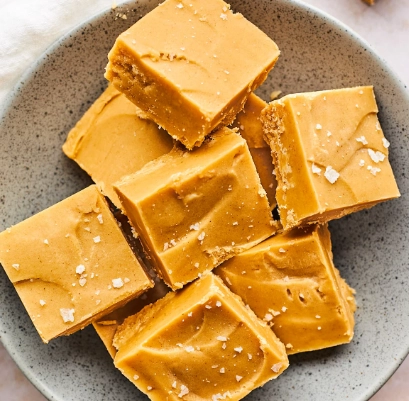
Most problems with homemade peanut butter fudge stem from heat or measurement issues. The beauty of this marshmallow-based recipe is that it's very forgiving on the sugar-crystal front.
Leveling Up: Creative Twists on the Classic
Once you've mastered the basic homemade peanut butter fudge, the world is your oyster. Or your peanut. Here are some easy, crowd-pleasing variations.
Chocolate Swirl Peanut Butter Fudge
After pouring the fudge into the pan, melt 1/2 cup of chocolate chips with a teaspoon of shortening (for smoothness). Drizzle it over the top and use a knife or toothpick to swirl it dramatically into the peanut butter layer. It looks professional and tastes amazing.
Salted Caramel Peanut Butter Fudge
Before pouring the fudge batter, spread a layer of soft, store-bought caramel sauce (or dulce de leche) in the bottom of the pan. Pour the fudge on top. The result is a gooey, salty-sweet layer on the bottom of each piece.
Crunchy Add-Ins
Stir in 1/2 to 3/4 cup of chopped, salted peanuts, pretzel pieces, or even crushed potato chips (sounds weird, tastes amazing—the salt!) right before you pour the fudge into the pan. This adds fantastic texture and contrast to the creamy base.
Feeling brave? Try using natural peanut butter.
If you want to use natural peanut butter, you need to account for the extra oil. Here's a quick adjustment: Use 1 cup of natural peanut butter, but reduce the milk by 2 tablespoons. The texture will be slightly different—often a bit softer and oilier—but the peanut flavor will be intense and pure.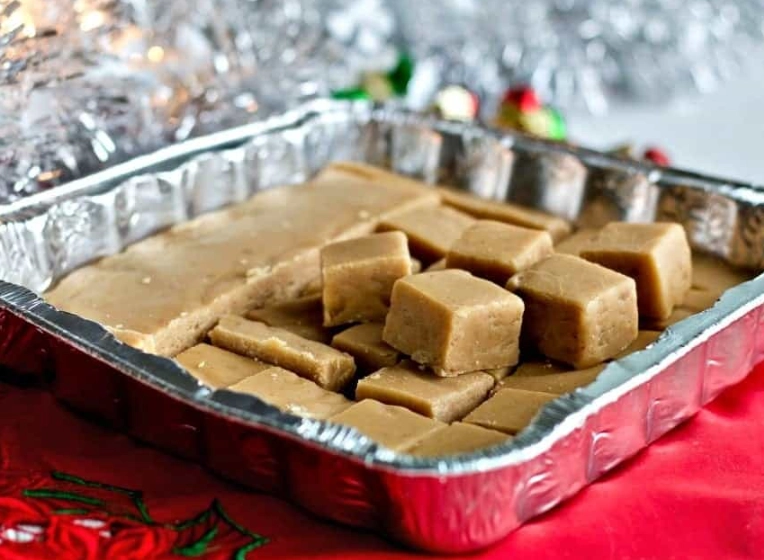
Your Homemade Peanut Butter Fudge Questions, Answered
Can I make homemade peanut butter fudge without marshmallow fluff?
Yes, but it's a different technique. You'd typically use evaporated milk and cook the sugar syrup to the soft-ball stage (234–240°F / 112–116°C), requiring a candy thermometer. It's more finicky. The marshmallow acts as a foolproof stabilizer. If you're out of fluff, you can substitute an equal amount (by volume) of miniature marshmallows—they'll melt in the hot syrup.
How long does homemade fudge last, and how should I store it?
Properly stored in an airtight container, it will keep for 1-2 weeks in the refrigerator. The cold helps it maintain its texture. You can also freeze it for up to 3 months. Thaw overnight in the fridge. I don't recommend storing it at room temperature for more than a day or two, especially in a warm kitchen, as it can become too soft and oily.
Why is my fudge oily on top?
This is usually caused by the peanut butter separating. This happens more often with natural peanut butters or if the fudge mixture was not stirred vigorously enough after removing it from the heat to fully emulsify the fats. Using a standard, stabilized peanut butter and giving it a good, strong stir during the mixing phase should prevent this.
Can I double this recipe?
Absolutely. Use a larger, heavy pot (like a Dutch oven) to accommodate the larger volume. Double all ingredients. The boiling time may need to be extended by a minute or so to reach the same concentration. Pour it into a 9x13 inch pan lined with parchment.
Is this a good recipe for gifts?
It's a fantastic gift. It ships reasonably well (pack in a single layer with parchment between layers in a sturdy tin), and everyone loves it. Put it in a cute little box or tin with a ribbon, and you've got a heartfelt, delicious homemade present. A batch of this homemade peanut butter fudge says you care way more than a store-bought fruitcake.
Wrapping It Up: Your Path to Fudge Mastery
Making incredible homemade peanut butter fudge isn't about secret skills or fancy equipment. It's about understanding a few simple principles: use the right peanut butter, trust the marshmallow, boil it properly, and stir like you mean it.
Start with the classic recipe. Get comfortable with it. Then start playing—add some chocolate, throw in some nuts, sprinkle on some sea salt. This recipe is a template for endless creativity.
The best part? The look on someone's face when they try a piece. That moment of pure, creamy, peanut-butter bliss is what makes the few minutes of effort completely worthwhile. So grab your saucepan and give it a go. Your new favorite homemade treat is waiting.
Reader Comments