Key Sections
- The Heart of the Matter: Choosing Your Peanuts
- The Simple, No-Fail Process: How to Make Peanut Butter Step-by-Step
- Beyond Basic: Flavor Twists and Textures
- Homemade vs. Store-Bought: Let's Break It Down
- Storing Your Masterpiece and Shelf Life
- Answering Your Peanut Butter Questions (The FAQ)
- Final Thoughts: Embrace the Mess and the Magic
Let's be honest. We've all stood in the grocery aisle, staring at those peanut butter labels. "Natural," "No Stir," "Reduced Fat," "Honey Roasted." It's overwhelming. And the ingredient list? Sometimes it reads more like a chemistry experiment than food. I remember grabbing a "healthy" brand once, only to find palm oil and a bunch of emulsifiers I couldn't pronounce. That was the moment I decided to figure out how to make peanut butter myself.
I'm so glad I did. The first time I whizzed up a batch of warm, freshly ground peanuts, the smell alone was worth it. It was richer, more... peanutty. And the best part? I knew exactly what was in it. Just peanuts. Maybe a pinch of salt. That's it.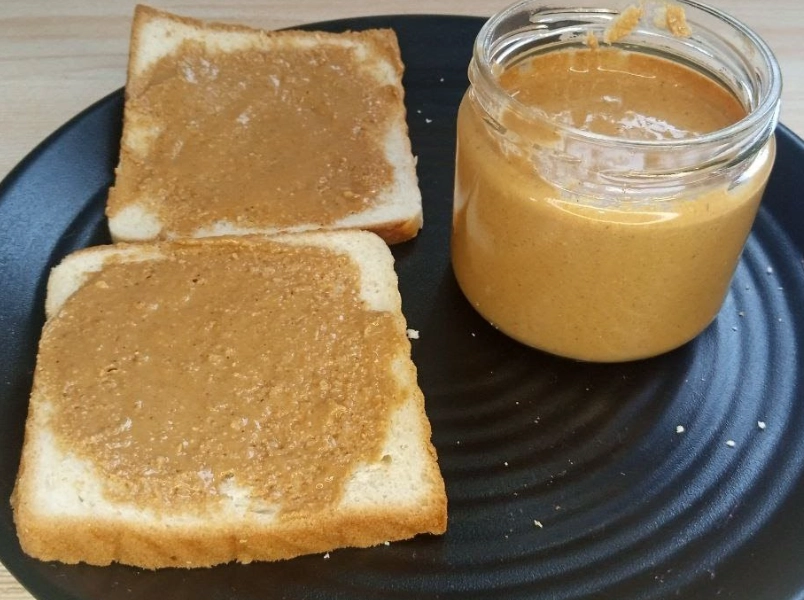
If you've ever wondered how to make homemade peanut butter but thought it was too complicated or required fancy gear, I'm here to tell you it's one of the simplest, most satisfying kitchen projects you can do. Whether you want to control the sugar, avoid additives, or just create a flavor you can't find on any shelf, this guide will walk you through every single step. We'll cover the basics, dive into the fun customizations, troubleshoot the common hiccups, and answer all those little questions that pop up. By the end, you'll be a peanut butter pro.
Why bother making it yourself? Well, commercial peanut butter often contains hydrogenated oils to prevent separation and extend shelf life. The Harvard T.H. Chan School of Public Health notes that while peanuts themselves are nutritious, added sugars and unhealthy fats in some commercial spreads can diminish their health benefits. When you make it at home, you're in full control.
The Heart of the Matter: Choosing Your Peanuts
This is where your journey to learn how to make peanut butter truly begins. The peanut is the star, and your choice here defines everything about your final product—flavor, texture, and even nutritional profile. Don't just grab the first bag you see.
You've got two main paths: raw or roasted. Raw peanuts give you a blank canvas, a more earthy, bean-like flavor. You'll need to roast them yourself, which adds a step but also gives you complete control over the roast level. Roasted peanuts are the go-to for most people because that roasting process is what develops the deep, nutty, familiar flavor we all love.
Now, within the roasted category, you have another choice: dry-roasted or oil-roasted. For how to make peanut butter at its purest, I strongly recommend dry-roasted, unsalted peanuts. Oil-roasted peanuts often have added fats (like peanut or cottonseed oil) that you don't need—the peanuts themselves have plenty of oil. Starting with unsalted lets you be the boss of your salt level.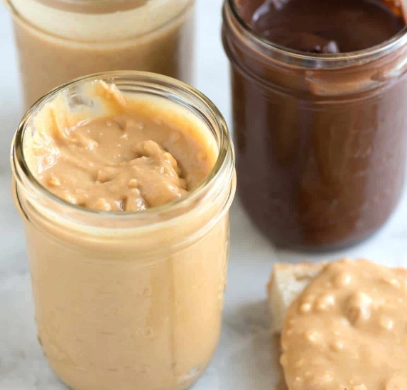
Pro Tip from a Kitchen Mishap: I once used honey-roasted peanuts thinking I'd get a sweet, easy spread. Big mistake. The added sugar and honey crystallized during blending, and I ended up with a weird, grainy paste instead of a smooth butter. Always start with plain nuts. You can add sweeteners later, I promise.
And let's talk varieties. The common choice is between Runner and Virginia peanuts. Runners are the workhorses of the peanut butter industry—uniform in size, reliable, and have a strong peanut flavor. Virginias are the "gourmet" ones, often larger and with a slightly sweeter, more delicate taste. Spanish peanuts have a higher oil content and a reddish skin, resulting in a stronger, oilier butter. For your first few batches, stick with dry-roasted Runner peanuts. They're predictable and deliver classic results.
Skin On or Skin Off?
You can find peanuts with their skins removed (blanched) or still on. The skins contain antioxidants and fiber, so they're good for you. They also add a slightly more robust, bitter note and will give your peanut butter a darker, earthier color and a bit of texture.
If you're after the creamiest, smoothest, most visually uniform butter (like the classic commercial creamy kind), go for blanched peanuts. If you want maximum nutrition and don't mind a more rustic look and a touch of bitterness, skins-on is great. For a middle ground, you can rub roasted peanuts in a clean kitchen towel to remove most of the skins after roasting—it's a bit messy, but it works.
The Simple, No-Fail Process: How to Make Peanut Butter Step-by-Step
Alright, let's get to the actual doing. The process of how to make peanut butter is almost embarrassingly simple. It's more about patience than skill.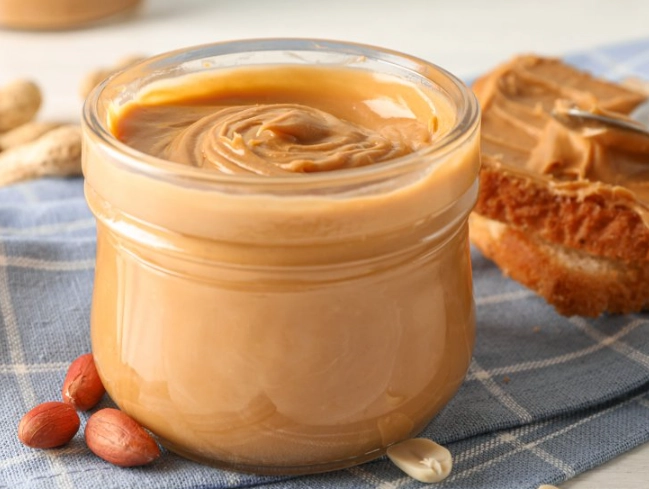
What You'll Need:
- Peanuts: 2 cups of dry-roasted, unsalted peanuts. This makes about 1 cup of peanut butter.
- Salt: ¼ to ½ teaspoon of fine sea salt or kosher salt. Start low, you can add more.
- Optional: A neutral oil (like peanut or grapeseed) ONLY if your machine struggles. A teaspoon of honey or maple syrup if you like it sweet.
Step 1: The Roast (If Using Raw Peanuts)
Preheat your oven to 350°F (175°C). Spread your raw peanuts in a single layer on a baking sheet. Roast for 10-15 minutes, shaking the pan halfway through. You'll know they're done when they're fragrant and the skins are cracking. Don't walk away! They go from perfectly roasted to burnt surprisingly fast. Let them cool completely. This is crucial—hot peanuts will turn into a gummy paste, not a butter.
Step 2: The Grind
This is where the magic happens. Toss your (cool) peanuts into your food processor or high-powered blender. Secure the lid tightly. Turn it on and let it run.
Now, here's what will happen, and it's totally normal:
First minute: You'll get coarse peanut crumbs. It'll look like dry sand.
Next minute or two: The crumbs will start clumping into a thick, dry ball. It'll look wrong. You'll think you need to add oil. Don't. Just keep processing.
The Magic Moment: After 2-4 minutes of total processing, that dry ball will suddenly break down. The natural oils will release, and the mixture will transform from a solid mass into a thick, glossy, liquid paste. That's your peanut butter!
Step 3: The Seasoning
Once the mixture is smooth and flowing, stop the machine. Add your salt and any other add-ins (we'll get to those in a bit). Process for another 30 seconds to a minute to combine everything evenly.
Step 4: Jar and Store
Scrape your fresh, warm, heavenly-smelling peanut butter into a clean glass jar. Let it cool to room temperature before putting the lid on. Store it in the refrigerator. It will thicken up as it chills.
Heads up on equipment: This is a high-friction task. Your machine's motor will work hard and the bowl might get warm. Don't overload it. If you're making a big batch, do it in smaller lots. And for goodness' sake, use a machine with a sturdy blade and motor. A tiny, cheap blender might not cut it (pun intended). A good food processor is the ideal tool for learning how to make peanut butter.
Beyond Basic: Flavor Twists and Textures
Once you've mastered the basic how to make peanut butter recipe, the real fun begins. This is your chance to make a spread that's uniquely yours.
Want it sweeter? Add a tablespoon of honey, maple syrup, or even a couple of pitted dates during the final blending stage. For a deeper, almost molasses-like sweetness, try a spoonful of coconut sugar.
Love the cinnamon-sugar combo? Blend in a teaspoon of cinnamon. For a "cookie dough" vibe, add a splash of vanilla extract. Chocolate lover? A tablespoon or two of unsweetened cocoa powder or melted dark chocolate makes an incredible chocolate-peanut butter spread.
And for the adventurous, a pinch of cayenne pepper or a dash of smoked paprika can create a sweet-heat situation that's fantastic on apples or in savory sauces.
What about texture? If you're a crunchy peanut butter fanatic, the process is easy. After making your smooth butter, pulse in ½ to ¾ cup of finely chopped roasted peanuts at the very end. You get total control over the chunk size.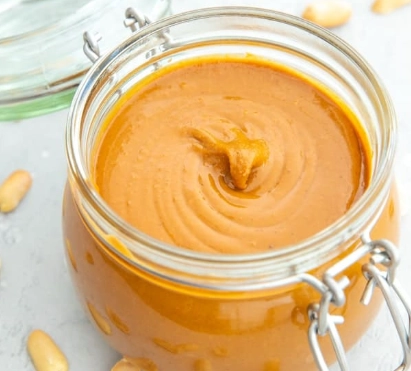
The Great Oil Separation Question
This is the number one thing people ask about. You make your butter, put it in the fridge, and a few days later there's a pool of oil on top. This is a sign of a natural, additive-free product. The oil naturally separates from the solids. Commercial brands use stabilizers and hydrogenated oils to prevent this.
Just stir it back in! A quick stir with a knife or spoon re-incorporates it perfectly. If you really hate stirring, you can add a tiny amount (think ½ teaspoon) of a neutral, liquid oil to the blend. This slightly changes the oil composition and can slow separation, but it also makes the final product a bit runnier. Personally, I don't mind the stir. It feels authentic.
Homemade vs. Store-Bought: Let's Break It Down
Is it really worth the effort? Let's look at the facts side-by-side. This isn't just about taste—it's about what you're putting in your body.
| Aspect | Homemade Peanut Butter | Typical Commercial Peanut Butter |
|---|---|---|
| Ingredients | Peanuts, (optional salt). That's it. | Peanuts, sugar, hydrogenated vegetable oils (soybean, cottonseed, rapeseed), salt, emulsifiers (mono- and diglycerides). |
| Healthy Fats | Only the natural monounsaturated and polyunsaturated fats from the peanut itself. According to the USDA FoodData Central, peanuts are a good source of heart-healthy fats. | Often contains added hydrogenated oils, which are a source of trans fats. Even "0g trans fat" can contain small amounts per serving. |
| Sugar Control | You decide. Add none, a little, or use natural sweeteners. | Often contains 1-4 grams of added sugar per serving. |
| Texture & Oil | Will separate in the fridge. Requires stirring. | Consistently smooth and spreadable straight from the pantry (thanks to additives). |
| Flavor | Intense, fresh, roasted peanut flavor. You can taste the quality of the nut. | Consistent, but often milder and sweeter, sometimes with a slightly processed aftertaste. |
| Cost | Cheaper per ounce if you buy peanuts in bulk. Slightly more effort. | Convenient, but you pay for processing and branding. |
See the difference? When you understand how to make peanut butter yourself, you realize how much extra stuff is in the jarred version. It's eye-opening.
Storing Your Masterpiece and Shelf Life
You've put in the work, so let's keep it fresh. Homemade peanut butter lacks the preservatives of store-bought, so storage is key.
Always use a clean, airtight container. Glass jars are perfect because they don't retain odors and are easy to scrub clean. I'm a bit fanatical about washing and drying my storage jar thoroughly—any leftover moisture can introduce mold.
Store it in the refrigerator. The cool temperature slows down the natural oxidation of the oils, which is what causes rancidity. Properly stored in the fridge, your homemade peanut butter should stay fresh and delicious for 3 to 4 weeks. You can also freeze it for up to 3 months. Thaw it in the fridge overnight and give it a good stir.
How can you tell if it's gone bad? Trust your senses. Rancid oil has a distinct smell—it's sharp, bitter, and almost like paint or old crayons. The taste will be off and unpleasant. If you see any mold (which is extremely rare if refrigerated), toss the whole jar.
It lasts longer than you think, but it's so good, it rarely sits around that long in my house.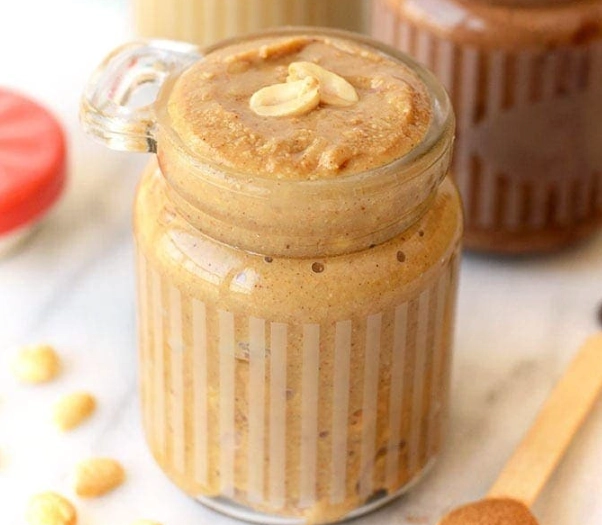
Answering Your Peanut Butter Questions (The FAQ)
I've gotten a ton of questions from friends after teaching them how to make peanut butter. Here are the most common ones.
Final Thoughts: Embrace the Mess and the Magic
Learning how to make peanut butter isn't about achieving some unattainable gourmet standard. It's about simplicity, control, and a little bit of kitchen magic. It's about watching two simple ingredients transform into something greater than the sum of their parts.
Yes, your food processor will be loud for a few minutes. Yes, you'll have to stir the oil back in sometimes. But the trade-off is a product that tastes profoundly real. You'll notice the difference on your morning toast, in your smoothies, or straight off a spoon.
Start with a small batch. Use good peanuts. Be patient during the blending. And don't be afraid to experiment with a pinch of this or a dash of that once you get the basics down. Before you know it, you'll have a favorite "house blend" that makes the grocery store stuff taste bland in comparison. Your kitchen, your rules. Now go make some peanut butter.
Reader Comments