Let's be honest. Chocolate and peanut butter is a pairing that rarely fails. But when you translate that magic into an icing, things can get tricky. Too sweet, too thick, too gritty, or just bland. I've been there. After a decade of baking professionally and ruining more than my fair share of cakes with subpar frosting, I've nailed down what makes a chocolate peanut butter icing not just good, but unforgettable. This isn't just about mixing two ingredients. It's about texture, balance, and knowing which peanut butter will betray you. We're going beyond the basic recipe you can find anywhere.
In This Guide
Three Chocolate Peanut Butter Icing Recipes Compared
Not all icings are created equal. The "best" one depends entirely on what you're after: pipeable stiffness, silky smoothness, or intense flavor. Here’s a breakdown of three core approaches I use constantly.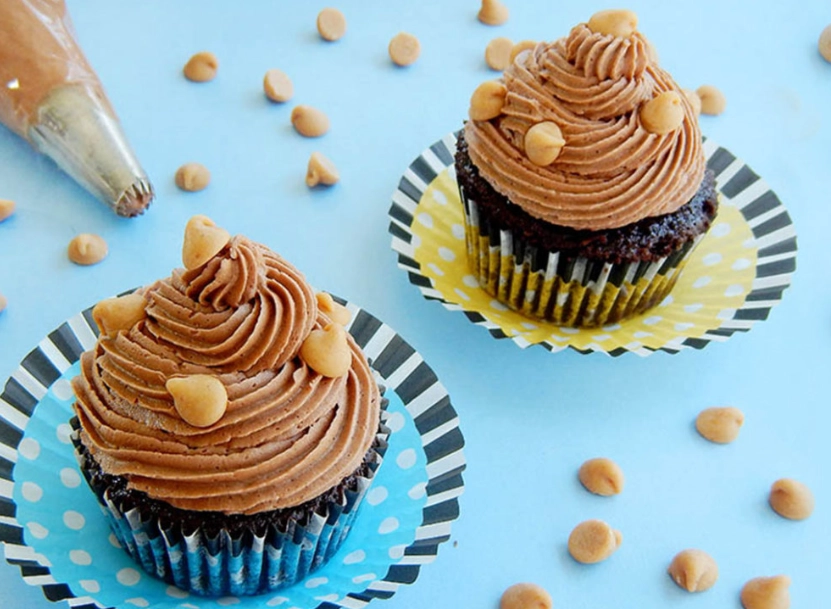
| Recipe Type | Best For | Key Ingredients | Texture & Flavor Profile | My Personal Take |
|---|---|---|---|---|
| The Classic Buttercream | Piping borders, roses, detailed decoration. Holding shape in warm rooms. | Butter, powdered sugar, cocoa powder, creamy peanut butter, milk/cream. | Sturdy, smooth, sweet, with a pronounced buttery flavor. Can be dense. | My go-to for birthday cakes. Reliable but can mask the peanut butter if you're not careful. |
| The Cream Cheese Hybrid | Filling layer cakes, frosting carrot or banana cakes, dipping fruit. | Cream cheese, butter, powdered sugar, melted chocolate, peanut butter. | Luxuriously creamy, tangy, less sweet, with a rich, complex flavor. | This is the crowd-pleaser. The tang cuts the sweetness perfectly. It's less stable for piping. |
| The "Almost Ganache" | Dripping down a bundt cake, glazing donuts, a quick fudge-like frosting. | Heavy cream, semi-sweet chocolate chips, peanut butter, powdered sugar (optional). | Glossy, decadent, intensely chocolate-forward. Sets firm but stays fudgy. | For serious chocolate lovers. It's less about peanut butter balance and more about a chocolate bomb with a peanut butter undertone. |
See the powdered sugar in the ganache-style is optional? That's a pro move. If you want a shinier, more traditional ganache that sets hard, skip it. If you want it slightly sweeter and spreadable like a thick icing, add a half cup. It's your call.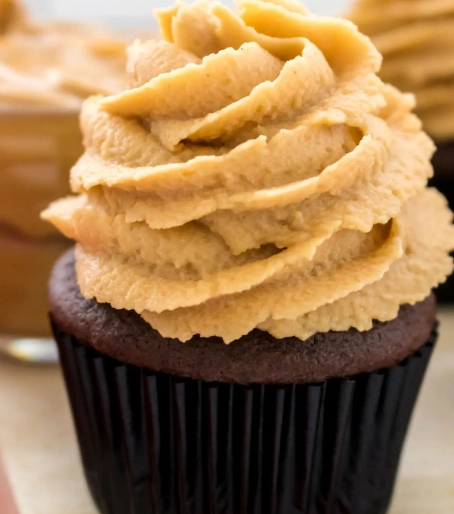
How to Make Foolproof Chocolate Peanut Butter Icing
Let's build the Classic Buttercream version step-by-step. This is the foundation. Master this, and the others become simple variations.
Classic Chocolate Peanut Butter Buttercream
(Yields enough to frost and fill a 9-inch two-layer cake)
Ingredients:
- 1 cup (2 sticks) unsalted butter, softened (this is critical – not melted, not cold)
- 1 cup creamy peanut butter (see next section – brand matters!)
- 3 ½ cups powdered sugar, sifted (yes, sift it)
- ¾ cup unsweetened cocoa powder (Dutch-processed gives a darker color)
- 1 tsp vanilla extract
- ¼ tsp fine sea salt
- 3-5 tablespoons heavy cream or whole milk
The Process, Demystified:
First, beat the butter. I use a stand mixer with the paddle attachment on medium for a full 3 minutes. You're not just mixing. You're incorporating air and making it pale and fluffy. This is your texture base. Scrape the bowl.
Add the peanut butter. Beat for another 2 minutes until completely homogenous. It should look like a smooth, pale brown paste.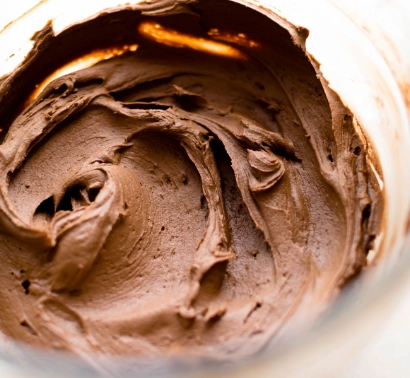
Now, the dry goods. Here's where most tutorials mess up. They say "add the powdered sugar and cocoa." Don't. Whisk the sifted powdered sugar and cocoa powder together in a separate bowl. This prevents the cocoa from flying everywhere and ensures even distribution. With the mixer on low, add this dry mixture about a cup at a time. Let it incorporate fully before adding the next. It will look dry and crumbly. That's fine.
Add the vanilla and salt. Then, with the mixer still on low, start adding the cream, one tablespoon at a time. After 3 tablespoons, stop. Scrape the bowl again. Increase the speed to medium-high and beat for a full minute. Watch it transform. It will go from a dusty mess to a voluminous, silky icing. Check the consistency. Need it softer for spreading? Add the 4th tablespoon of cream. Beat again. The 5th tablespoon is only for a very soft, almost glaze-like consistency.
You're done. The whole process takes about 10 minutes of active time, but the patience in beating is what gives you that professional, non-gritty finish.
Why Your Icing Might Be Gritty
Grit comes from two places: undissolved powdered sugar or the peanut butter itself. Sifting the sugar is non-negotiable. The peanut butter issue is trickier. Natural peanut butters with oil separation can sometimes have tiny, hard peanut particles that never fully break down. Using a commercial, homogenized creamy peanut butter (like Jif or Skippy) guarantees smoothness. It's a trade-off between "all-natural" and perfect texture. I choose texture for icing.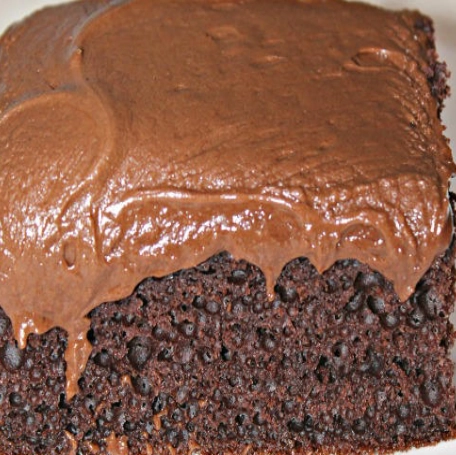
The #1 Peanut Butter Pitfall (And How to Avoid It)
This is the mistake I see every new baker make, and it's rarely talked about. They use the wrong type of peanut butter for the recipe.
The Rule: For stable, pipeable buttercream icing, you must use a no-stir, commercially processed creamy peanut butter (Jif, Skippy, Peter Pan). For the cream cheese or ganache-style icings where stability is less critical, you can experiment with natural peanut butter, but you must stir it thoroughly and accept a slightly looser, more rustic result.
Why? Processed peanut butters contain stabilizers like hydrogenated oils. These prevent oil separation and, crucially, help the icing emulsify and hold its structure. Natural peanut butter will often "break"—the oil will separate from the solids after you mix it into the frosting, especially if the cake needs to sit out. I learned this the hard way at a summer wedding. The beautiful rosettes on the groom's cake started weeping little droplets of peanut oil after two hours. Not a good look.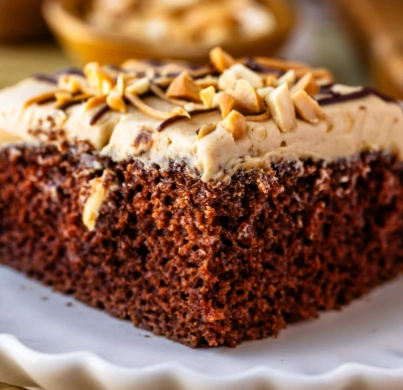
If you're committed to natural peanut butter for a buttercream, here's the fix: Before measuring, stir the entire jar until completely homogenous. Then, for every cup of natural peanut butter, reduce the butter in your recipe by 2 tablespoons. The natural oils are replacing some of the butterfat. It's not perfect, but it helps.
Frosting Fixes: Troubleshooting Common Problems
Your icing didn't turn out? Let's diagnose it.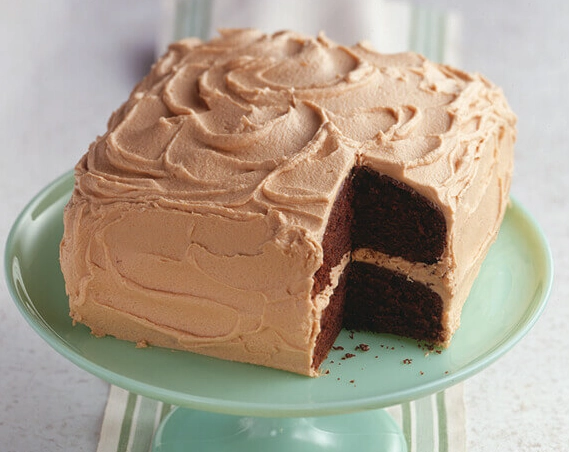
Too Sweet: This is the most common complaint. Next time, use Dutch-process cocoa (it's less acidic and can taste less harshly sweet) and add an extra ¼ teaspoon of salt. The salt isn't to make it salty, but to balance the sweetness perceptually. For this batch, you can try folding in a few more tablespoons of plain, unsweetened peanut butter to dilute the sugar.
Too Thin/Runny: You added too much liquid or your kitchen is too warm. Chill the entire bowl of icing in the refrigerator for 20-30 minutes, then re-whip. If it's still too thin, you can carefully add more sifted powdered sugar, a few tablespoons at a time, while beating.
Too Thick/Dry: Easy fix. Add more liquid (cream or milk) one teaspoon at a time, beating well after each addition, until it reaches the desired consistency. Remember, it's always easier to add liquid than to take it away.
Curdled or Separated: This usually means your ingredients were at wildly different temperatures (e.g., cold cream into warm butter). Place the bowl over a pot of simmering water (a double boiler) for 5-10 seconds while whisking constantly, just to slightly warm the edges. Immediately return to the mixer and beat on high. The gentle heat can re-emulsify the fats.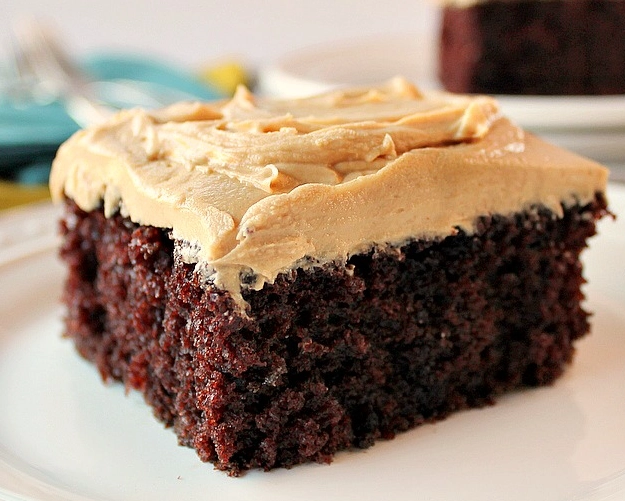
Your Chocolate Peanut Butter Icing Questions, Answered
Can I make chocolate peanut butter icing ahead of time and how should I store it?
My icing tastes good but looks dull and grayish, not a rich brown. What went wrong?
What's the best cake to pair with this icing?
Can I use this icing for cupcakes, and will it hold a piping tip shape?
I'm allergic to dairy. Is there a good dairy-free version?
Reader Comments