You grab a jar of peanut butter, thinking it's a healthy protein hit. But then you glance at the label. Sugar: 3 grams? 5 grams? Maybe even 8? It's confusing. The range is wild, from zero to dessert-level sweet. Let's cut through the marketing and get straight to the data. The amount of sugar in peanut butter isn't a single number—it's a spectrum defined by one thing: whether sugar is added during processing. Understanding this difference is the key to making a choice that fits your health goals, whether you're managing diabetes, watching your weight, or just trying to eat cleaner.
What You'll Find Inside
The Great Peanut Butter Sugar Spectrum: From Pure to Candy
Think of peanut butter sugar content on a line. On one far end, you have pure, ground peanuts. On the other, a sweetened spread that's closer to frosting. Most jars land somewhere in between. The U.S. Department of Agriculture's FoodData Central is a great resource for standardized nutrition facts, and the data tells a clear story.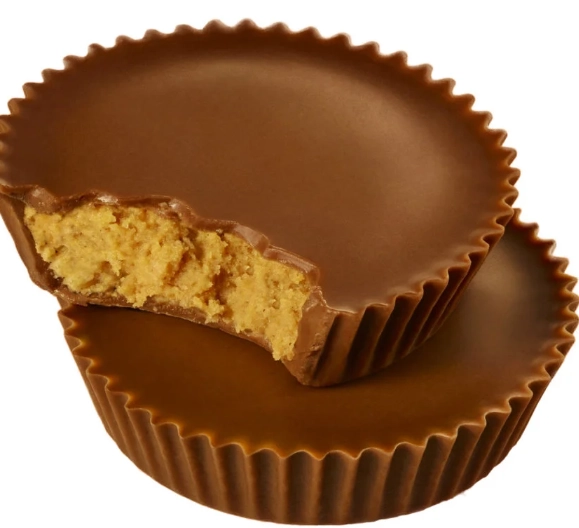
Here’s the breakdown you’ll see on store shelves, based on a standard 2-tablespoon (32g) serving:
Peanut Butter Sugar Content at a Glance
>>| Type of Peanut Butter | Total Sugars (g) | Added Sugars (g) | Key Ingredients (Tell-Tale Signs) |
|---|---|---|---|
| Natural (Peanuts Only) | 1-2g | 0g | Peanuts. Maybe salt. |
| Natural ("No Stir") | 1-3g | 0-2g | Peanuts, palm oil, salt. Sometimes a touch of sugar. |
| Conventional / Regular | 3-4g | 3-4g | Peanuts, sugar, hydrogenated oils, salt, molasses. |
| Sweetened & "Honey" Varieties | 5-8g+ | 5-8g+ | Peanuts, sugar, corn syrup, honey, fully hydrogenated oils. |
| Reduced Fat | 4-6g+ | 4-6g+ | Peanuts, corn syrup, sugar, pea protein (to compensate). Often the highest sugar! |
See the trap? "Reduced Fat" often means "Increased Sugar." When manufacturers take out fat, the product loses texture and flavor. The easiest way to put it back? Add sugar and fillers. I learned this the hard way years ago, choosing a "low-fat" option only to find it tasted like sweet paste and left me hungrier than before.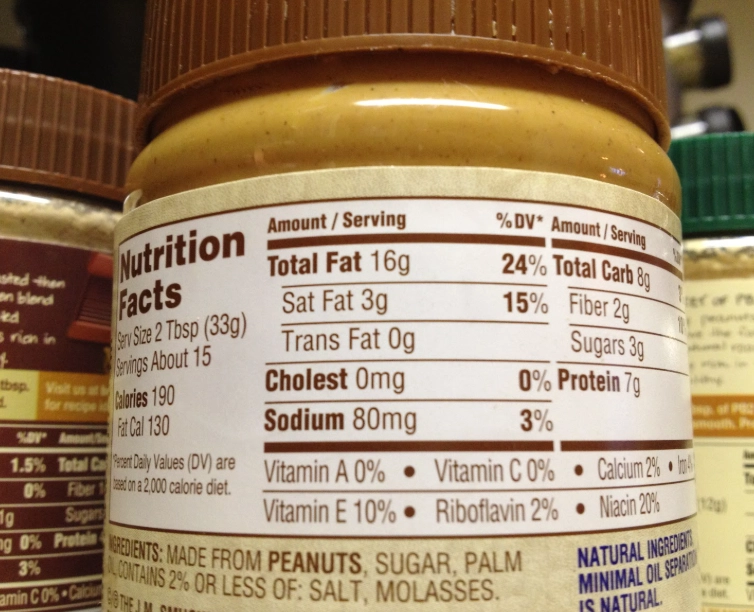
The 1-2 grams of sugar in a pure natural peanut butter is natural sugar, inherent to the peanut itself. It's not added. The 3-8 grams in others is almost entirely added sugar—sucrose, molasses, honey, corn syrup. That's the stuff the Dietary Guidelines for Americans and health organizations like the American Heart Association suggest limiting.
How to Choose a Truly Low-Sugar Peanut Butter: A 30-Second Store Audit
Forget the flashy "Natural" or "Healthy" claims on the front. The truth is in the fine print. Here’s your foolproof, two-step audit for any jar.
Step 1: The Nutrition Label Blitz
Look directly at the "Total Sugars" line. Under it, you should now see "Includes Xg Added Sugars" on most labels. This is your most important number.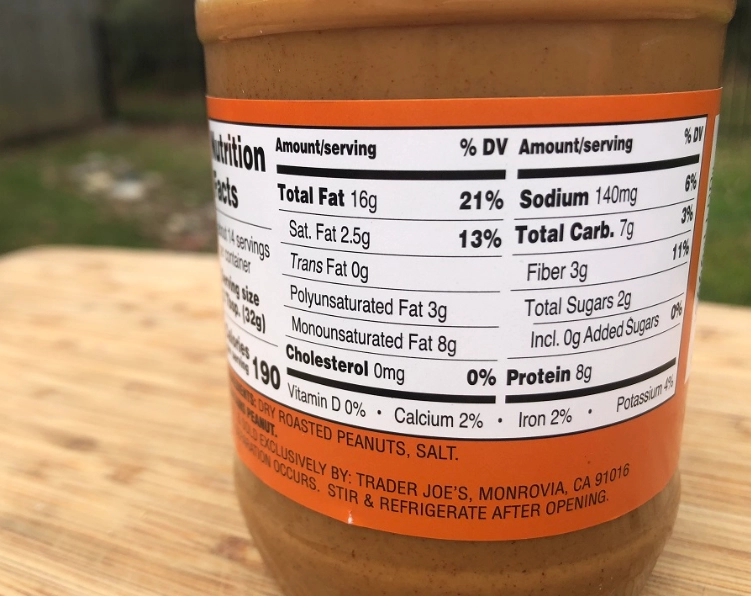
- Target: 0-1g of Added Sugars.
- Yellow Flag: 2-3g of Added Sugars. It's not terrible, but you can do better.
- Red Flag: 4g or more of Added Sugars. Put it back. You're buying a sweet spread.
Step 2: The Ingredients List Decoder
This is non-negotiable. The ingredients are listed by weight. The first item should be "peanuts." The second item tells you the real story.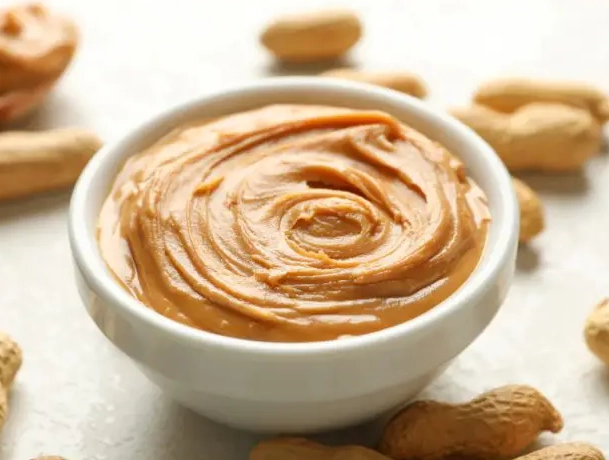
- Green Light List: "Peanuts, Salt." That's it. Perfect.
- Yellow Light List: "Peanuts, Palm Oil, Salt." The palm oil is a stabilizer to prevent oil separation (the "no-stir" kind). Sugar isn't added, but some purists avoid the added oil.
- Red Light List: If the second ingredient is any form of sugar—"sugar," "cane sugar," "brown sugar," "corn syrup solids," "honey," "molasses"—it's a sweetened product. "Hydrogenated oils" are also a bad sign for heart health.
A common mistake I see? People buy "Organic" or "Non-GMO" peanut butter and assume it's low-sugar. Not always. Organic cane sugar is still added sugar. The project is about the ingredients list, not just the certifications.
Taking Full Control: Your Homemade Peanut Butter Blueprint
When you make it yourself, you know exactly how much sugar is in it: exactly as much as you decide to add. It's simpler than you think and lets you customize texture and flavor.
You need a decent food processor or high-powered blender. Start with 2 cups of dry-roasted, unsalted peanuts. Unsalted lets you control the sodium level. Process them. At first, it'll be crumbly. Scrape down the sides. Keep processing. It'll form a ball, then finally—after a few minutes—it will magically break down into smooth, creamy butter as the natural oils release.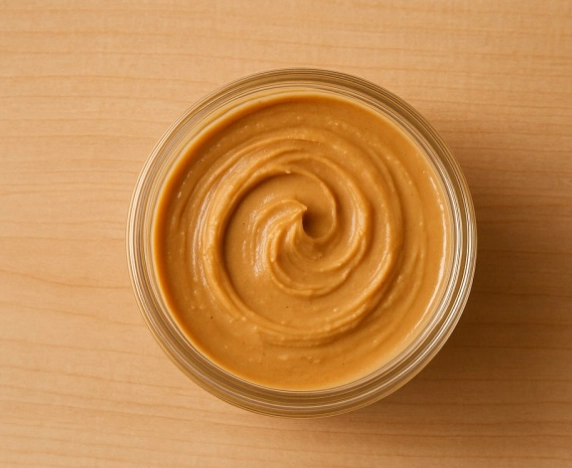
Now, for flavor:
- For Zero Added Sugar: Add a pinch of sea salt. That's it. The roasted flavor is rich and complex on its own.
- For a Hint of Sweetness: Add 1 teaspoon of pure maple syrup or 1 pitted Medjool date during the final minute of blending. This adds about 4-5 grams of natural sugar to the entire batch, not per serving.
- For a Flavor Twist: A dash of cinnamon or a splash of pure vanilla extract adds depth without sugar.
Store it in a jar in the fridge. It'll be stiffer than commercial brands, but the flavor is intensely peanutty. No stabilizers, no hidden anything.
Looking Beyond Sugar: Fats, Salt, and Stabilizers
Fixing on sugar alone is a rookie error. The fat profile matters. Peanuts naturally contain healthy monounsaturated and polyunsaturated fats. Avoid products with "hydrogenated" or "partially hydrogenated" oils—these are trans fats, which are terrible for heart health. They're added to prevent oil separation and create that uniformly creamy, shelf-stable texture.
Salt content can vary from 50mg to 150mg per serving. If you're watching sodium, look for "unsalted" or "low sodium" varieties. And remember, that oily layer on top of natural peanut butter? That's the good stuff—just stir it in. It's a sign of a pure product.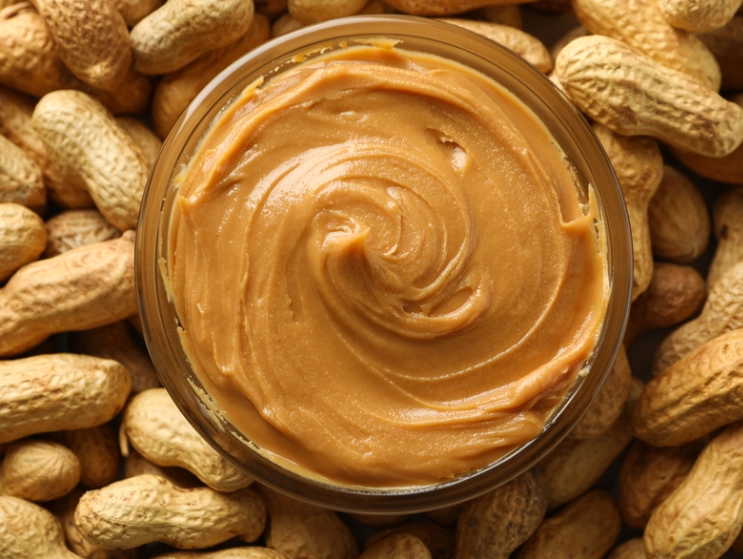
Your Top Questions on Peanut Butter and Sugar
The bottom line is empowering. You don't have to guess or be tricked by marketing. The answer to "peanut butter how much sugar" is: it depends entirely on the jar you choose. Arm yourself with the label-reading skills above, and you can consistently pick a peanut butter that’s a genuine source of protein and healthy fats, not a hidden dessert. Or, take the ultimate step and make your own. Your body—and your taste buds—will know the difference.
Reader Comments