Quick Guide
Let's be real. Peanut butter is one of those foods that sits right on the line between "guilty pleasure" and "health food." One minute you're spreading it on apple slices feeling virtuous, the next you're eating it straight from the jar with a spoon at midnight. I've been there. But what's actually in there? The whole peanut butter nutrition story is way more interesting than just "it has protein." It's a mix of some genuinely fantastic stuff and a few things you really need to watch out for, depending on which jar you grab from the shelf.
I remember staring at the peanut butter aisle a few years ago, completely overwhelmed. Natural, no-stir, reduced fat, with honey, with chocolate... it felt like a test. And the labels? Some looked clean, others had a paragraph of ingredients I couldn't pronounce. That confusion is what made me dig into the real peanut butter nutrition facts, beyond the marketing.
The Unvarnished Truth: Peanut Butter Nutrition Facts
Let's start with the basics. What are you actually eating? We'll use a standard 2-tablespoon (about 32-gram) serving as our guide, because let's face it, who actually measures out exactly one tablespoon?
The numbers can swing pretty wildly based on the type you buy. I pulled data from the USDA's FoodData Central, which is my go-to for checking this stuff, and compared a few common types. Seeing it side-by-side is eye-opening.
| Type of Peanut Butter | Main Ingredients | Calories (per 2 tbsp) | Total Fat | Protein | Carbs | Sugar | Fiber |
|---|---|---|---|---|---|---|---|
| Natural / Just Peanuts & Salt | Peanuts, Salt | ~190 | 16g | 8g | 7g | 1-2g (natural) | 3g |
| Traditional (Skippy, Jif etc.) | Peanuts, Sugar, Oils, Salt | ~190-200 | 16g | 7g | 8g | 3-4g (added) | 2g |
| Reduced Fat | Peanuts, Corn Syrup, Sugar, etc. | ~190 | 12g | 8g | 15g | 4-5g (added) | 2g |
| Powdered (like PB2) | Peanuts, Sugar, Salt | ~60 (reconstituted) | 1.5g | 6g | 7g | 2g | 2g |
Notice something funny? The reduced fat version often has the same calories or more. Where did the fat go? It got replaced with extra sugars and starches. That's a classic food industry trick that messes with the whole peanut butter nutrition profile. You're trading healthy fats for quick-digesting carbs.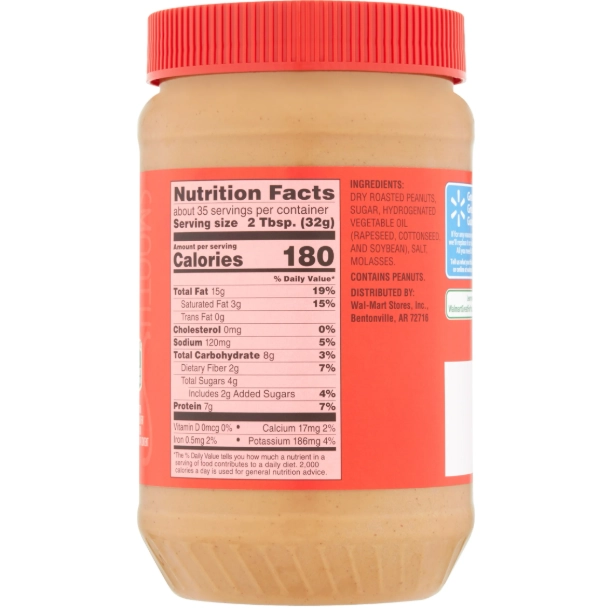
Breaking Down the Big Three: Fat, Protein, Carbs
The Fat: This is the big one. About 80% of the calories in pure peanut butter come from fat. But before you panic, know that most of it is the good kind. We're talking monounsaturated and polyunsaturated fats—the same heart-friendly fats found in olive oil and avocados. The American Heart Association recommends these fats for cardiovascular health. There's a small amount of saturated fat, but in the context of a balanced diet, it's not a major concern with natural varieties.
I used to be scared of that fat content. Then I realized it's what makes peanut butter so satisfying and energy-dense. It keeps you full.
The Protein: Here's the famous part. That 7-8 grams per serving is a solid plant-based protein hit. It's not a complete protein (meaning it doesn't have all nine essential amino acids in ideal proportions), but paired with whole grain bread (which has the amino acids peanuts lack), it becomes one. It's a great post-workout option or a way to stave off afternoon hunger. The Mayo Clinic notes that plant-based proteins are a healthy cornerstone of many diets.
The Carbs & Fiber: The carb count is relatively low, especially in natural kinds. The fiber—around 2-3 grams—is a nice bonus for digestive health and helps moderate blood sugar spikes. The sugar content is the real variable. In a "just peanuts" butter, the 1-2 grams are naturally occurring. In many big-brand jars, that number doubles or triples with added sugars like molasses or corn syrup.
The Good Stuff: Top Health Benefits of Peanut Butter
When you pick the right jar, peanut butter isn't just "not bad for you"—it's actively good for you. Here's what the research and consistent eating habits show us.
Top Benefit #1: A Sustaining Source of Protein and Healthy Fats. This combo is magic for appetite control. The protein requires energy to digest, and the fat slows down digestion. Together, they prevent those sharp blood sugar crashes that lead to snacking. I find a tablespoon in my morning oatmeal keeps me going straight through to lunch without a rumbling stomach.
Top Benefit #2: Packed with Vitamins and Minerals. This is the underrated part of peanut butter nutrition. It's a significant source of:
- Vitamin E: A powerful antioxidant that protects your cells.
- Magnesium: Crucial for muscle function, nerve function, and bone health. Many people don't get enough.
- Potassium: Helps regulate fluid balance and blood pressure.
- Niacin (B3): Important for converting food into energy.
- Phosphorus: Works with calcium for strong bones and teeth.
You're not just eating empty calories. You're getting a nutrient boost.
Top Benefit #3: Heart Health Helper. Despite the old fat-phobic myths, numerous studies have shown that regular nut and peanut butter consumption is linked to a lower risk of heart disease. The monounsaturated fats, the fiber, the antioxidants like resveratrol—they all work together to support healthy cholesterol levels and reduce inflammation. It's a food that loves your heart back.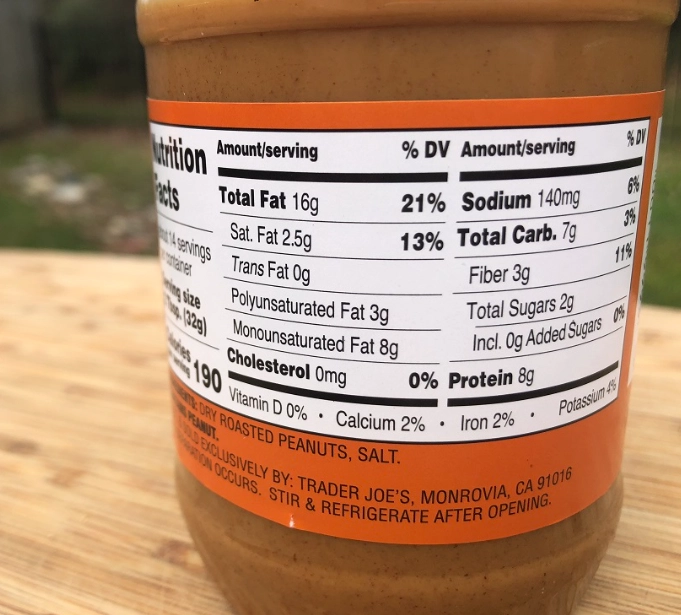
The Not-So-Good Stuff: Potential Downsides & How to Navigate Them
Okay, time for some real talk. Peanut butter isn't a free-for-all. Ignoring these aspects is how people get into trouble, even with the "healthy" kinds.
Downside #1: Calorie Density. This is the big one. At nearly 100 calories per tablespoon, it's incredibly easy to overdo it. The "serving size" on the jar is a joke. I've definitely mindlessly eaten 500 calories worth while standing at the kitchen counter. Portion control isn't optional; it's essential. Using a measuring spoon for the first week or two trains your eye.
Downside #2: Added Sugar and Unhealthy Oils. This transforms the peanut butter nutrition story. Many conventional brands add:
- Added Sugars: Cane sugar, corn syrup solids, dextrose, molasses. This spikes the sugar content for no nutritional benefit.
- Hydrogenated Oils: These are trans fats in disguise, added to prevent oil separation and make the butter creamy and spreadable straight from the fridge. Trans fats are terrible for heart health. Check the ingredient list for "partially hydrogenated" anything. Avoid it.
Downside #3: Sodium. Even natural brands have some salt for flavor. Conventional brands have more. If you're watching your sodium intake, look for "no salt added" or "unsalted" varieties. The difference can be 100+ mg per serving.
Downside #4: Aflatoxin and Allergies. Peanuts can sometimes harbor a naturally occurring mold that produces aflatoxin, a potential carcinogen. Reputable brands in the US and Canada test for this rigorously, so it's a very low risk with major brands. The far more immediate concern is allergies. Peanut allergies are serious and common. This article isn't for those who are allergic, obviously.
How to Pick a Winner: Your Guide to the Peanut Butter Aisle
This is the practical part. How do you translate all this peanut butter nutrition knowledge into a buying decision? Follow this checklist.
The Golden Rule: Read the Ingredient List First. Don't look at the front label. Turn the jar around. The ideal list is: Peanuts. That's it. Second best: Peanuts, Salt. Third acceptable: Peanuts, Salt, Palm Fruit Oil (a stable oil sometimes added to natural butters to reduce separation).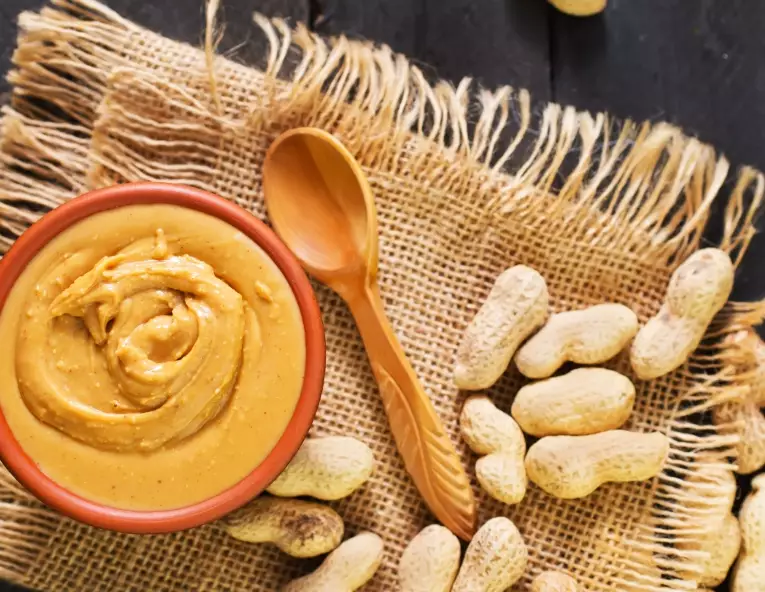
If you see sugar (in any of its forms: cane syrup, molasses, etc.) or hydrogenated oils in the first three ingredients, put it back. You're buying peanut-flavored frosting.
Decode the Label Lingo:
- "Natural": This term is barely regulated. It often just means no hydrogenated oils, but it can still be packed with sugar. Always check.
- "No Stir": This usually means stabilizers (like hydrogenated oils or palm oil) have been added to prevent the natural oil separation.
- "Reduced Fat": Almost always a bad deal. You lose healthy fats and gain sugars/fillers.
- "Organic": Great for avoiding pesticides, but an organic label doesn't mean no added sugar. Check the list.
My Personal Strategy: I buy the 100% peanuts kind. Yes, the oil separates. I store it upside down in the pantry for a week to mix the oils through, then I keep it in the fridge. It's stiffer, but it tastes like real roasted peanuts, not candy. The flavor is incomparable.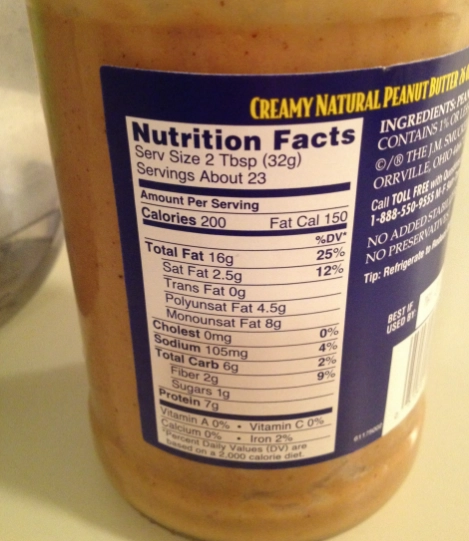
Beyond the Basics: Advanced Peanut Butter Nutrition Topics
Peanut Butter for Weight Loss or Weight Management
Can you eat peanut butter and lose weight? Absolutely. But it's a precision tool, not a blunt instrument. Its high satiety factor is an asset—it keeps you full. The trick is measured inclusion. A tablespoon on whole-grain toast, blended into a smoothie, or as a dip for celery. It replaces less satisfying snacks. The moment you start eating it by the heaping spoonful, you've blown your calorie budget.
Peanut Butter and Blood Sugar
For people with diabetes or insulin resistance, this is a common question. The fat, fiber, and protein in natural peanut butter help slow the absorption of any carbohydrates eaten with it, leading to a more gradual rise in blood sugar. However, the key is, again, choosing a variety with little to no added sugar. Pair it with a carb (like an apple or cracker) for a balanced snack.
Peanut Butter in Athletic and Fitness Nutrition
As a source of sustained energy and muscle-repairing protein, it's fantastic for active people. It's a great pre-long-run or hike fuel. Post-workout, pairing it with a carb source (a banana, a piece of toast) helps replenish glycogen stores and provides protein for repair. The magnesium is also a bonus for muscle function and recovery.
Peanut Butter for Kids
It's a classic for a reason—it's nutrient-dense and kids usually love it. The priority here is to avoid the sugary, oily spreads marketed directly to kids. Start them on the taste of real, natural peanut butter early. Use it in sandwiches, on pancakes, with fruit. The healthy fats are crucial for developing brains.
Frequently Asked Questions (FAQs)
Is peanut butter good for weight loss?
It can be a helpful tool because it's satisfying and nutrient-rich, which can prevent overeating later. But it is calorie-dense, so portion control is non-negotiable. You can't out-exercise a whole jar.
What's healthier: almond butter or peanut butter?
They're very similar. Almond butter has slightly more vitamin E, calcium, and iron, and a bit less saturated fat. Peanut butter has slightly more protein. Both are excellent choices. The bigger differentiator is always the ingredient list—choose the one with just nuts (and salt). Almond butter is often significantly more expensive, so peanut butter wins on value.
Does peanut butter raise cholesterol?
Natural peanut butter, with its unsaturated fats, typically helps improve your cholesterol profile by lowering LDL ("bad") cholesterol and raising or maintaining HDL ("good") cholesterol. Peanut butter with hydrogenated oils (trans fats) will do the opposite.
Is it okay to eat peanut butter every day?
Yes, a serving a day of natural peanut butter is perfectly healthy for most people as part of a varied diet. Variety is key in nutrition, so don't let it crowd out other healthy fat sources like avocados, olive oil, or other nuts and seeds.
Is peanut butter keto-friendly?
In moderation, yes. Natural peanut butter is relatively low in net carbs (total carbs minus fiber). A tablespoon or two can fit into a ketogenic diet. Avoid any with added sugar, and always count the carbs toward your daily limit.
Why does natural peanut butter separate?
Because the peanut oil naturally rises to the top. It's a sign of a real, minimally processed product. Stir it thoroughly when you first open it. Storing it in the fridge after stirring slows down future separation.
So, what's the final verdict on peanut butter nutrition?
It's simple, but not easy. Peanut butter is a nutritional powerhouse or a sugary, processed spread—and you get to choose which one you buy. The power is in your hands at the grocery store. Ignore the flashy labels on the front. Take the three seconds to turn the jar around. Look for that short, simple ingredient list.
When you get the good stuff, enjoy it. Spread it, dip it, blend it. Respect its calorie density, but appreciate the sustained energy, the protein, the vitamins, and that deeply satisfying, roasted flavor you just don't get from the alternative. It's one of the easiest ways to make a snack or a meal more filling and nutritious. Just keep that spoon out of the jar.
Reader Comments