Quick Guide
- What Is Zero Sugar Peanut Butter, Really?
- Why Bother? The Health Angle (Without the Hype)
- The Taste Test: What to Expect (It's Not All Rosy)
- How to Choose the Best Zero Sugar Peanut Butter: A Buyer's Checklist
- Brand Breakdown: A Few Jars I've Actually Tried
- Cooking & Using It: It's Not Just for Sandwiches
- Answering Your Questions (The Stuff You're Actually Searching For)
Let's be honest. The first time I picked up a jar of zero sugar peanut butter, I was skeptical. I mean, peanut butter is supposed to be a bit sweet, right? That's part of the comfort. My usual brand had that familiar, almost caramel-like sweetness. So, staring at this new jar that promised "zero added sugars," I wondered if I was about to ruin my morning toast forever.
I was wrong. Not only did I not ruin my toast, but I also started noticing things. Like how I didn't get that mid-morning slump after my peanut butter and banana breakfast. And how the flavor was actually... more peanutty. It wasn't a mask of sweetness; it was the real, roasted, slightly salty taste of peanuts.
This got me digging. What exactly is zero sugar peanut butter? Is it just a marketing gimmick for health nuts, or is there something to it? Turns out, it's a bit of both, and navigating the shelves (or the endless online listings) can be confusing. Some are fantastic, some are just okay, and a few are downright disappointing. This guide is everything I wish I'd known before I started my own little peanut butter journey. We'll talk taste, health, how to pick a good one, and I'll even share some brands that surprised me (and one that really didn't live up to its price tag).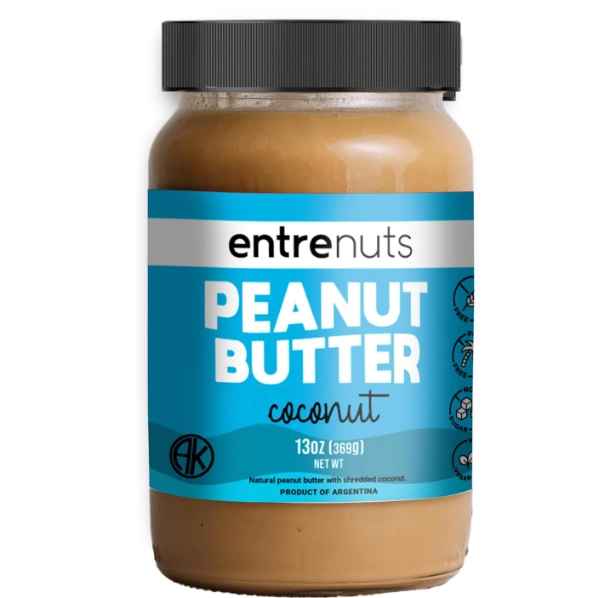
What Is Zero Sugar Peanut Butter, Really?
At its core, zero sugar peanut butter is exactly what it sounds like: peanut butter with no sugar added during processing. The ingredients list should be blissfully short—ideally just peanuts and salt. Sometimes you'll see a bit of oil (like palm oil, which is controversial, or healthier options like flaxseed oil) to prevent separation, but that's about it.
But here's the catch that trips a lot of people up: "Zero Sugar" doesn't mean "Zero Carbs." Peanuts themselves naturally contain small amounts of sugars and carbohydrates. According to the USDA FoodData Central, a 100-gram serving of peanuts has about 4-6 grams of naturally occurring sugars. So, when a label says "0g Added Sugars," it's telling you they didn't put any extra table sugar, high-fructose corn syrup, molasses, or honey into the mix. The sugars present are just what came from the peanuts themselves.
This is a crucial distinction.
Many regular peanut butters, especially the big commercial brands, add significant amounts of sugar—sometimes 3-4 grams per serving. Switching to a zero sugar option can quietly cut a surprising amount of added sweetener from your diet without you feeling like you're "dieting."
Key Takeaway: Look for "No Added Sugars" or "0g Added Sugars" on the label, not just a "Sugar Free" claim. Check the ingredient list. If you see anything like cane sugar, evaporated cane juice, corn syrup solids, or even "organic brown rice syrup," it's not a true zero sugar peanut butter.
Why Bother? The Health Angle (Without the Hype)
So why make the switch? It's not just about counting grams of sugar. It's about what that change does for your body and your eating habits.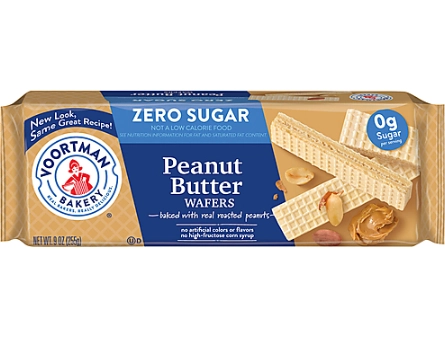
Blood Sugar Stability
This is the big one for me. Added sugars cause quick spikes and subsequent crashes in blood sugar. By removing them, the healthy fats, fiber, and protein in peanuts get to do their job properly: providing slow, sustained energy. I'm not a doctor, but the science is pretty clear on this. The CDC emphasizes managing carbohydrate intake, including added sugars, for blood sugar control. A zero sugar peanut butter is a fantastic tool for that.
Better for Weight Management Goals
It helps with satiety. Because it's not hyper-palatable from added sugar, you might find yourself satisfied with a slightly smaller serving. The protein and fiber combo is incredibly filling. You're less likely to be hunting for a snack an hour later.
Reduces Cravings
This was an unexpected benefit. Constantly eating sweetened foods, even mildly sweet ones like regular peanut butter, can train your palate to expect sweetness. By using a zero sugar version, you gradually reset that expectation. After a few weeks, regular peanut butter started tasting cloyingly sweet to me. Fruits tasted sweeter. It's a subtle but powerful shift.
A Reality Check: Zero sugar peanut butter is not a magic weight-loss food. It's still calorie-dense. A tablespoon has about 90-100 calories, mostly from fat (the good kind, but still). You can absolutely overdo it. The benefit is in the nutritional quality of those calories—more nutrients, less empty sugar.
The Taste Test: What to Expect (It's Not All Rosy)
Let's talk flavor, because this is where people either get on board or give up.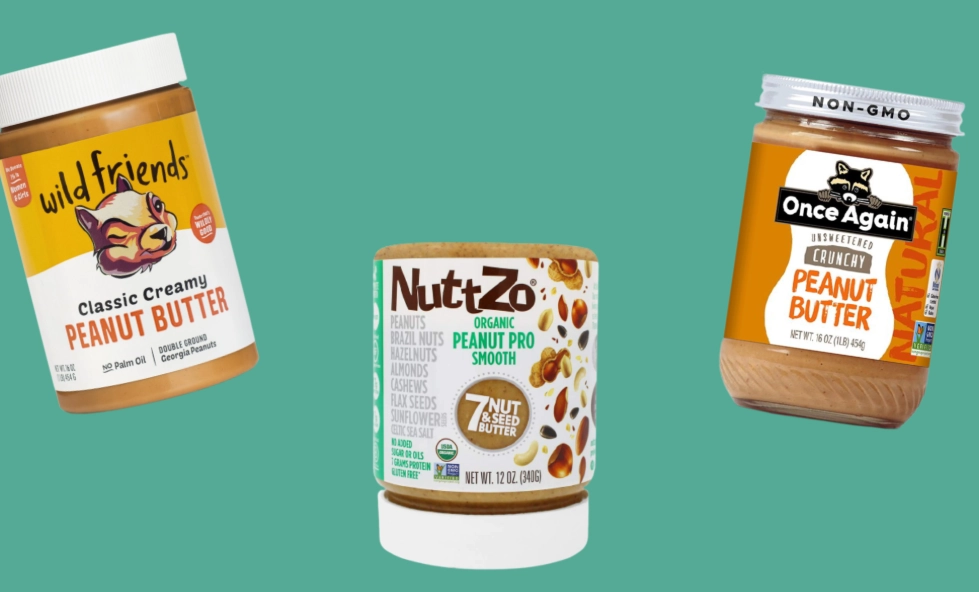
The taste of a true zero sugar peanut butter is different. It's less like a dessert spread and more like... ground-up roasted peanuts. It can be more savory, sometimes slightly bitter (depending on the roast), and the saltiness is more pronounced. The texture can also vary. Without added sugars and emulsifiers, natural separation is common. You have to stir it, and the oil can be a bit messy.
Some brands absolutely nail it. They source high-quality peanuts, roast them perfectly, and add just the right amount of salt. The result is a rich, deep, addictive flavor.
Others? Well, they can taste a bit flat, dry, or pasty. I tried one popular store brand that felt like eating peanut-flavored chalk. It was a struggle to finish the jar. So, finding a brand you like is key. Don't judge the whole category by your first bad experience.
How to Choose the Best Zero Sugar Peanut Butter: A Buyer's Checklist
Walking down the aisle can be overwhelming. Use this list to cut through the noise.
- Ingredient List is King: Peanuts. Maybe salt. That's the gold standard. If it contains palm oil, know that it's for texture/stability, not health. Some people avoid it for environmental reasons.
- Check the "Added Sugars" Line: On the Nutrition Facts panel, it should clearly say "0g." Don't just look at "Total Sugars," as that will show the natural ones.
- Consider the Salt: "Unsalted" versions exist if you're watching sodium. But for most people, a little salt (around 100-120mg per serving) drastically improves the flavor.
- Texture Preference: Do you like it super smooth or with crunchy peanut bits? Both come in zero sugar varieties.
- Freshness Matters: Peanut butter oils can go rancid. Look for a recent "Best By" date and store it in a cool, dark place (or even the fridge after opening, which also stops separation).
Honestly, the best zero sugar peanut butter is the one you'll actually eat and enjoy. Don't force yourself to eat something you hate just because it ticks all the "healthy" boxes.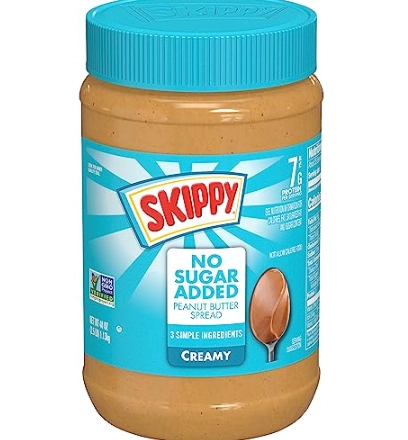
Brand Breakdown: A Few Jars I've Actually Tried
I'm not sponsored by any of these brands. This is just my take after trying more jars than I care to admit.
| Brand & Product | My Take on Taste & Texture | Key Ingredients | Good For |
|---|---|---|---|
| Crazy Richard's 100% Peanuts | Incredibly pure, strong roasted peanut flavor. Very runny after stirring, almost like a paste. No salt, so it's earthy. | Peanuts. That's it. | Purists, people with strict diets, adding to smoothies. |
| Santa Cruz Organic Dark Roast | My personal favorite. The dark roast gives a deep, almost coffee-like note. Creamy but stiff. Perfect salt balance. | Organic Peanuts, Salt. | Everyday spreading, eating by the spoonful (guilty). |
| Smucker's Natural No Sugar Added | The most "normal" texture—creamy and spreadable straight from the fridge. Flavor is mild and reliable. | Peanuts, Contains 1% or less of salt. | Families, first-timers, classic PB&J (with low-sugar jelly!). |
| Trader Joe's No Salt Creamy | Great value. Taste is good, not amazing. Texture is a bit thick and dry compared to others. Needs a good stir. | Peanuts. | Budget buyers, using in recipes where other flavors dominate. |
| Justin's Classic No Sugar Added | Very smooth and luxurious texture. Tastes great but is VERY expensive for what you get. The price per ounce is hard to justify for daily use. | Dry Roasted Peanuts, Palm Oil, Salt. | A treat, travel packs, when you want something fancy. |
See? One person's favorite is another's "meh." It's worth trying a few small jars to find your match.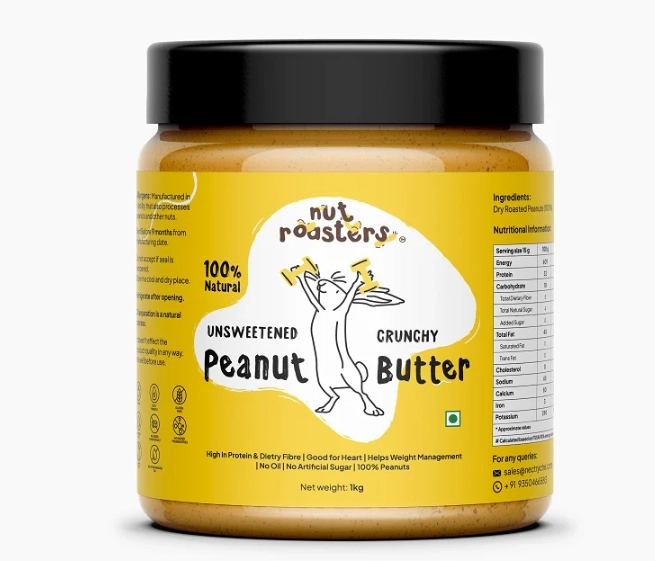
Cooking & Using It: It's Not Just for Sandwiches
This is where zero sugar peanut butter shines. In recipes, you control the sweetness. It becomes a rich, savory ingredient instead of a sweet one.
- Savory Sauces: Thin it with coconut milk, soy sauce, lime juice, garlic, and ginger for an incredible Thai-style satay or noodle sauce.
- Smoothie Booster: Adds creaminess and protein without making your smoothie taste like a milkshake. Pairs perfectly with banana, spinach, and unsweetened almond milk.
- Energy Bites: Mix with oats, a touch of maple syrup or mashed dates, chia seeds, and dark chocolate chips. The peanut butter binds everything together.
- On Oatmeal or Yogurt: A dollop swirled into plain Greek yogurt with some berries is a powerhouse breakfast.
For a classic PB&J, you'll need to adjust. Pair it with a truly low-sugar fruit spread or, better yet, sliced fresh strawberries or bananas. It's a different, more grown-up sandwich.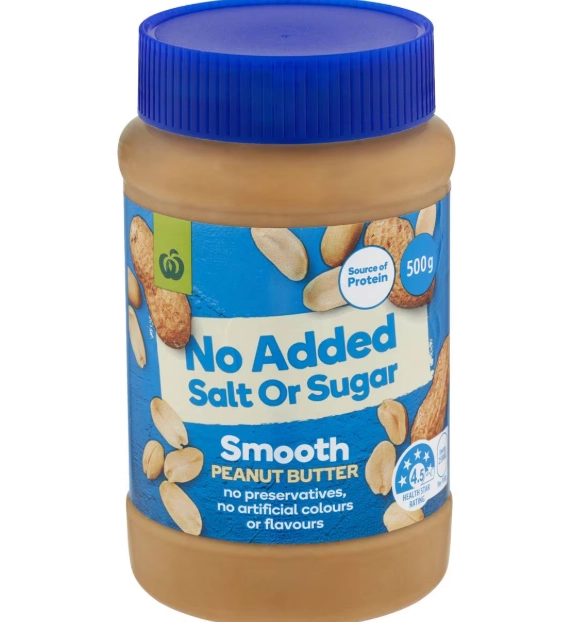
Answering Your Questions (The Stuff You're Actually Searching For)
Is zero sugar peanut butter keto-friendly?
Generally, yes. With only 4-6 grams of net carbs per serving (mostly from fiber), it fits well within the carb limits of a standard ketogenic diet. Just watch your portion size and, as always, check the specific brand's label. The science behind ketogenic diets focuses on drastic carb reduction, which this product supports.
Is it okay for diabetics?
It can be an excellent choice. The lack of added sugars and the presence of fiber, protein, and healthy fat means it has a minimal impact on blood glucose levels compared to sweetened versions. However, portion control is still critical, and anyone with diabetes should consult their doctor or dietitian for personalized advice. Resources from the American Diabetes Association consistently recommend limiting added sugars.
Why is my zero sugar peanut butter so hard to stir?
No added stabilizers! The natural peanut oil separates and rises to the top. To make it easier: 1) Store the new jar upside down for a day before opening to let the oil distribute. 2) Stir thoroughly with a knife or chopstick, scraping the bottom. 3) Once mixed, store it in the refrigerator. The cold solidifies the oils and it will stay combined and spreadable.
Does it have less protein than regular peanut butter?
No, the protein content is virtually identical—usually 7-8 grams per two-tablespoon serving. The difference is in the carbs and sugars, not the protein.
The switch to zero sugar peanut butter isn't about deprivation. It's about rediscovering the actual flavor of a fantastic, whole food. It's about giving your body better fuel. Start with a small jar, have an open mind, and see if you, like me, end up preferring the real taste of peanuts.
Look, at the end of the day, food should be enjoyable. If you try a zero sugar peanut butter and hate it, that's okay. Maybe a lightly sweetened natural peanut butter is a better middle ground for you. But if you're curious about cleaning up your diet in a simple, painless way, or if you're managing sugar intake for health reasons, grabbing a jar of the good stuff is one of the easiest first steps you can take.
Just promise me you'll stir it properly. That first plunge with the knife is a rite of passage.
Reader Comments