Quick Navigation
- What Actually Makes a Peanut Butter Bar "Healthy"?
- The Core, No-Fail Recipe for Healthy No-Bake Peanut Butter Bars
- Building Your Ultimate Bar: A Mix-and-Match Ingredient Guide
- Navigating the Store-Bought Aisle: What to Look For
- Answering Your Biggest Questions (The FAQ)
- Taking It Further: Recipe Variations to Try
- The Final Slice
Let's be honest. You've stood in the snack aisle, picked up a package of so-called "healthy" peanut butter bars, turned it over, and been utterly disappointed. The ingredient list reads like a chemistry experiment—emulsifiers, isolated proteins, and enough sugar to make your teeth ache. You put it back, wondering if a truly satisfying, wholesome version even exists.
It does. And the best part? You can make it in your own kitchen, probably with ingredients you already have, in about 20 minutes of active time. No baking required. The kind of healthy peanut butter bars I'm talking about are dense, chewy, packed with real food, and taste like a treat without the guilt. They're the perfect bridge between a 3 PM energy slump and dinner, a reliable post-workout bite, or just something sweet that won't derail your goals.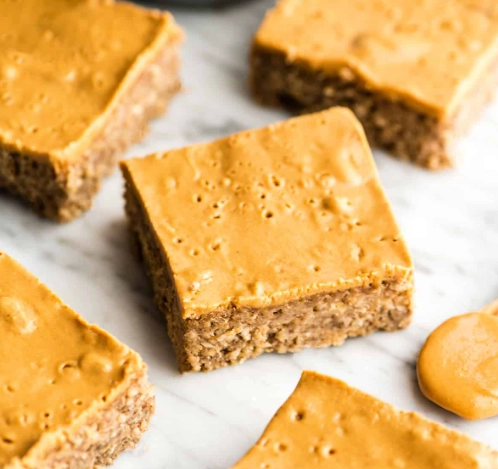
I've been down the rabbit hole of making these bars for years. I've had spectacular failures—bars that turned into crumbly messes, bars so hard you could chip a tooth, and bars so sticky they permanently fused to the parchment paper. But through all that, I've landed on formulas that work every single time. This guide isn't just a recipe; it's the everything-you-need-to-know manual to become confident in making your own perfect batch of healthy peanut butter bars.
Why bother making them? Control. You control the sweetness, the texture, the quality of peanut butter, and you eliminate all the weird preservatives and fillers. Plus, it's almost always cheaper per bar than buying the premium organic ones.
What Actually Makes a Peanut Butter Bar "Healthy"?
This is where we need to clear the air. "Healthy" is a loaded word, but for our purposes, a healthy peanut butter bar should prioritize whole, minimally processed ingredients and provide sustained energy rather than a sugar spike and crash.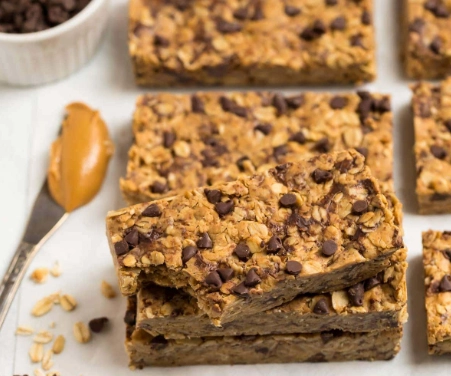
A truly wholesome bar leans on a few key pillars:
- Whole Food Fats & Proteins: The magic duo from peanut butter (and any added nuts or seeds) that keep you full. The Mayo Clinic notes that unsaturated fats, like those in nuts and seeds, are beneficial when they replace saturated or trans fats in your diet.
- Smart Sweeteners: We're moving beyond refined white sugar. Think dates, a touch of maple syrup, or honey. These come with fiber and micronutrients, not just empty calories.
- Fiber is Your Friend: From oats, chia seeds, flax, or even the dates themselves. Fiber slows digestion, stabilizing blood sugar—a critical factor most commercial bars get wrong.
- Minimal Processing: No baking often means more nutrients stay intact. We're mixing, pressing, and chilling. That's it.
When you scan a label, you shouldn't need a food science degree to understand it. If your homemade healthy peanut butter bars have just 5-7 recognizable ingredients, you're on the right track.
A quick reality check: Even healthy ingredients are calorie-dense. Peanut butter, nuts, and seeds pack a lot of energy into a small volume. A healthy peanut butter bar is a nutrient-rich snack, not a low-calorie diet food. Portion mindfully!
The Core, No-Fail Recipe for Healthy No-Bake Peanut Butter Bars
This is my base recipe. It's adaptable, forgiving, and the perfect launchpad for all your experiments. Think of it as your reliable blueprint.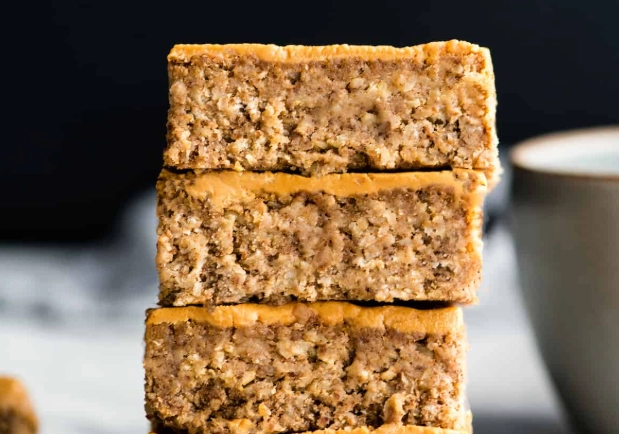
The Blueprint: Classic No-Bake Peanut Butter Oat Bars
What You'll Need:
- 1 cup natural, drippy peanut butter (just peanuts & salt)
- 1/2 cup runny honey or pure maple syrup (for a vegan option)
- 1 teaspoon pure vanilla extract
- A pinch of fine sea salt
- 2 cups old-fashioned rolled oats (use certified gluten-free if needed)
- 1/2 cup add-ins of choice: mini dark chocolate chips, chopped nuts, dried cranberries, chia seeds, etc.
The Method (It's stupidly simple):
- Grab an 8x8 inch baking dish. Line it with parchment paper, letting the edges hang over for easy removal later. Trust me, don't skip the paper.
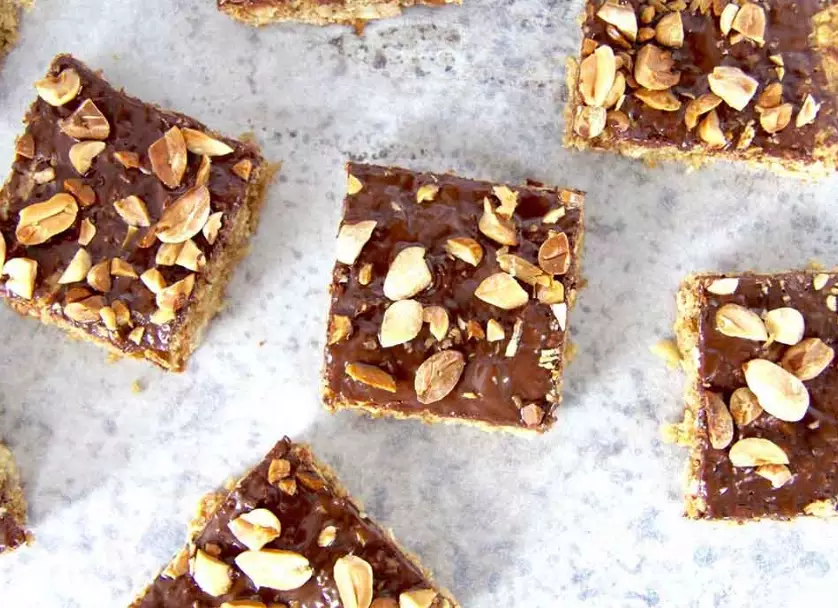
- In a medium saucepan over low heat, combine the peanut butter and honey/maple syrup. Warm it gently, stirring constantly, just until it becomes smooth, liquid, and easily stirrable. This should take 2-3 minutes max. Don't let it boil! Remove from heat and stir in the vanilla and salt.
- Pour the warm, gooey mixture over the oats and your chosen add-ins in a large mixing bowl. Stir, stir, stir until every single oat is thoroughly coated. It'll look and smell amazing.
- Dump the mixture into your prepared dish. Use the back of a spoon or (even better) a small piece of parchment paper to press it down very firmly and evenly. This is the secret step! Pressing hard ensures the bars hold together once chilled.
- Pop the dish into the refrigerator for at least 2-3 hours, or ideally overnight, to set completely.
- Use the parchment paper "handles" to lift the whole slab out. Place it on a cutting board and slice into bars or squares. A sharp knife run under hot water makes clean cuts.
That's genuinely it. The hardest part is waiting for them to chill.
Now, why does this work? The warm peanut butter and honey mixture acts like a glue. As it chills, it firms up, binding the oats together into that perfect, chewy-but-not-sticky texture we're after. Using the wrong peanut butter (the kind with hydrogenated oils that doesn't stir) or not pressing firmly are the two biggest rookie mistakes.
My personal tweak: I almost always swap out 1/4 cup of the oats for 1/4 cup of ground flaxseed. You don't taste it, but it adds a fantastic nutritional bump (hello, omega-3s and fiber) and helps with binding. Give it a try.
Building Your Ultimate Bar: A Mix-and-Match Ingredient Guide
The blueprint is great, but the real fun begins when you start customizing. This is where you can tailor your healthy peanut butter bars to your exact taste, dietary needs, or whatever you have in the pantry. Let's break down the categories.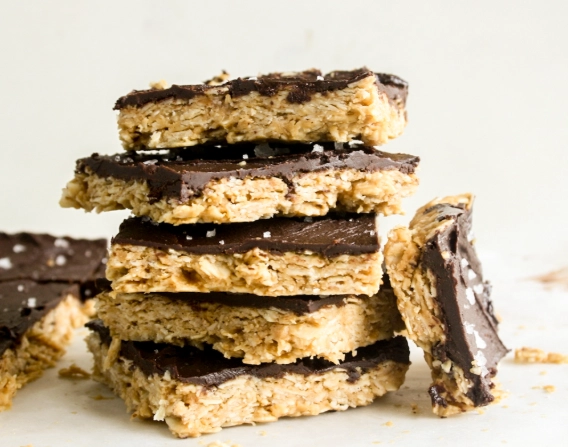
The Binder (This is Non-Negotiable)
You need something sticky to hold everything together. The classic is peanut butter + liquid sweetener. But you can play:
- Peanut Butter: Must be natural and stir-able. The oil separation is good! Almond butter, cashew butter, or sunflower seed butter work brilliantly for allergies or variety.
- Dates: For a refined-sugar-free option, use Medjool dates. Soak 1 cup of pitted dates in hot water for 10 minutes, then drain and blend with 1/2 cup of peanut butter until a smooth paste forms. This is a thicker, sweeter binder.
The Sweetener (Choose Your Adventure)
This affects flavor, texture, and how well the bars set.
| Sweetener | Best For | Flavor Profile | Texture Note |
|---|---|---|---|
| Honey | Classic flavor, firmest set | Floral, distinct | Creates a firmer, sometimes harder bar. |
| Pure Maple Syrup | Vegan option, rich taste | Caramel, woody notes | Bars are slightly softer and chewier. |
| Date Paste (see above) | Whole-food, no added sugar | Deep caramel, fruity | Dense, fudgy, and very moist. |
| Brown Rice Syrup | Minimal sweetness, great binding | Very mild, malty | Produces the chewiest, most "granola bar" like texture. |
The Bulk & Texture
Oats are the standard, but they're not alone.
- Rolled Oats: Provide structure and chew. Don't use quick oats—they get mushy.
- Puffed Rice or Quinoa: For a lighter, crispier texture. Replace up to 1 cup of the oats.
- Protein Powder: Want to boost protein? Add 1/3 to 1/2 cup of a plain or vanilla protein powder. Warning: This can make bars dry. You may need to add a tablespoon or two of milk or water to the wet mixture.
- Nut & Seed Meals: Almond flour, oat flour, or ground sunflower seeds can replace up to 1/2 cup of oats for a finer texture.
The Fun Stuff: Mix-Ins & Toppings
This is where personality comes in. Stick to about 3/4 cup total to avoid a crumbly bar.
- Chocolate: Mini chips melt less. For a drizzle, melt dark chocolate with a teaspoon of coconut oil.
- Nuts & Seeds: Chopped almonds, walnuts, pepitas, sunflower seeds. Toasting them first is a game-changer for flavor.
- Dried Fruit: Chopped apricots, tart cherries, raisins. Chop finely so they distribute well.
- Superfood Boosts: A tablespoon of chia seeds, hemp hearts, or cacao nibs adds crunch and nutrients.
Navigating the Store-Bought Aisle: What to Look For
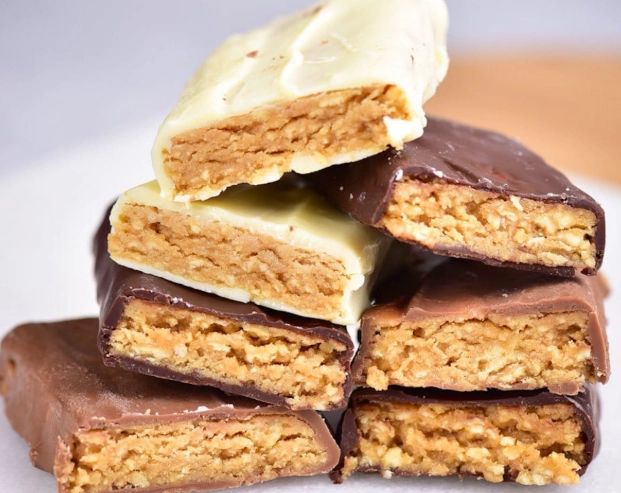
Maybe you don't have time to make a batch this week. That's fair. But how do you choose a decent ready-made option? The rules are similar to our homemade criteria, just applied to a label.
First, look at the order of ingredients. Ingredients are listed by weight. Peanuts or a nut/seed butter should be first or second. If sugar (or its many aliases like brown rice syrup, cane syrup, etc.) is in the top two, put it back. The American Heart Association recommends limiting added sugars for good reason.
Second, scan for the "no-list." I avoid bars with:
- Hydrogenated or partially hydrogenated oils (trans fats).
- Artificial sweeteners like sucralose or acesulfame potassium (they can cause digestive issues for some).
- A mile-long list of unrecognizable ingredients, emulsifiers, and "natural flavors."
Third, check the fiber and protein. A good bar aiming for satiety should have at least 3-4 grams of fiber and 5-7 grams of protein. If it's just sugar and a little protein isolate, it's not much better than a candy bar.
It's shocking how few bars pass this simple test.
Answering Your Biggest Questions (The FAQ)
Too Soft/Messy: Likely not enough binder or too much maple syrup (which is thinner than honey). Chill them longer, and next time, increase the peanut butter by a tablespoon or two, or use a firmer sweetener like honey or date paste.
Taking It Further: Recipe Variations to Try
Once you've mastered the classic, the world is your oyster. Here are a few themed ideas to get your creativity flowing.
The Chocolate Lover's Dream: Use the base recipe, but add 1/3 cup of cocoa powder or cacao powder to the dry ingredients. Your mix-ins? Dark chocolate chips and maybe some chopped toasted hazelnuts. It's like a healthy, chewy peanut butter cup in bar form.
The Tropical Escape: Use almond butter as your base. Mix in 1/2 cup of unsweetened shredded coconut and 1/4 cup of chopped dried mango or pineapple. A little lime zest in the wet mix is incredible here.
The Super Seedy Crunch Bar: Reduce oats to 1 cup. Add 1/4 cup each of: pumpkin seeds (pepitas), sunflower seeds, chia seeds, and hemp hearts. The texture is incredible, and the nutrient profile is off the charts.
The "Cookie Dough" Bar: Use almond flour instead of oats for a smoother base. Skip the heating step—just mix room-temp almond butter with maple syrup and vanilla. Fold in mini chocolate chips. Press and chill. It tastes uncannily like edible cookie dough.
My current favorite: I'm on a salted caramel kick. I use date paste as the binder/sweetener, add a big pinch of flaky sea salt to the mix, and then sprinkle more on top before chilling. It's ridiculously good and feels decadent.
The Final Slice
Making your own healthy peanut butter bars is one of those simple kitchen skills that pays off endlessly. It saves money, reduces packaging waste, and gives you complete ownership over what you're eating. You're no longer at the mercy of food marketers calling a sugar bomb "healthy."
Start with the basic recipe. Get a feel for it. Then, start swapping things in and out based on what sounds good to you. That's how you'll find your personal perfect bar. Maybe you like them extra crunchy with almonds, or maybe you prefer a fudgy, date-sweetened version.
The goal isn't perfection. It's having a reliable, tasty, and genuinely good-for-you snack that you made yourself. So grab that jar of peanut butter and give it a go. Your future self, especially during that afternoon slump, will thank you.
Got a killer variation you invented? I'd love to hear about it. The best recipes are the ones we make our own.
Reader Comments