You're here because you've heard the warning: xylitol in peanut butter can kill your dog. Maybe you're also cutting it out for your own health. I get it. A few years back, I almost made a terrible mistake. I grabbed a "sugar-free" peanut butter packet for my hiking snack, thinking it was the healthier choice. My dog, Scout, was eyeing me. A quick glance at the tiny print saved us—xylitol was the second ingredient. That moment changed how I shop for good.
Finding peanut butter without xylitol isn't just about avoiding one sweetener. It's about navigating a jungle of misleading labels, "natural" claims, and hidden ingredients that aren't great for you or your pet. This guide cuts through the noise. We'll go beyond the basic warning and into the practical stuff: how to read a label like a pro, which brands you can actually trust, and how to use the safe stuff in ways that are genuinely healthy and delicious.
What's Inside?
Why Xylitol is a Silent Danger in Your Pantry
Xylitol is a sugar alcohol. It's fine for humans, often used in sugar-free gum, mints, and some "low-carb" or "diabetic-friendly" foods. For dogs, it's a different story.
In a dog's body, xylitol triggers a massive, rapid release of insulin. This causes their blood sugar to plummet (hypoglycemia). Symptoms can hit within 10-60 minutes: vomiting, weakness, stumbling, seizures, and it can lead to liver failure. The ASPCA Animal Poison Control Center notes that even small amounts are toxic. Roughly 0.1 grams per kilogram of a dog's weight can cause issues. For a 20-pound (9 kg) dog, that's less than a single gram of xylitol.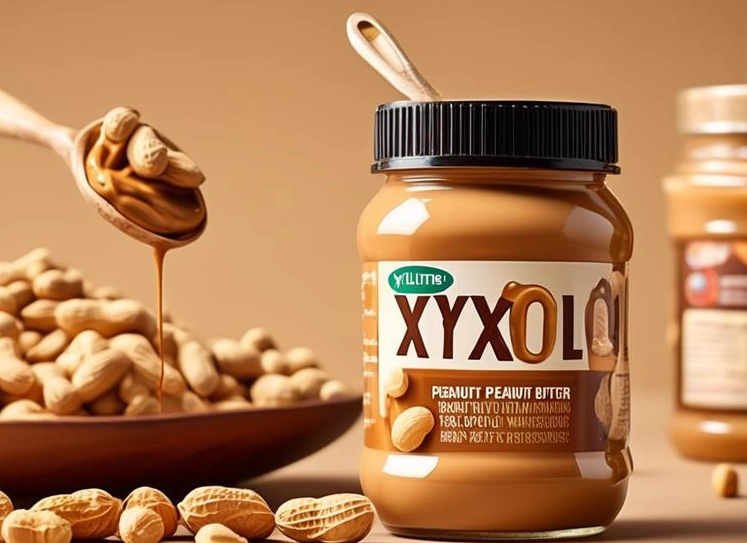
But here's the nuance most articles miss. The risk isn't just from peanut butter jars clearly labeled "sugar-free." I've seen it creep into "natural" no-stir peanut butters as a sweetener, and it's increasingly common in specialty nut butters sold online or in health stores. The assumption that "all peanut butter is safe" is outdated and dangerous.
How to Read Labels Like a Pro (Beyond Just Xylitol)
Scanning for "xylitol" is step one. But if you stop there, you might still pick a jar that's unhealthy. Let's break down the label.
The Ingredient List: The Truth is in the Order
Ingredients are listed by weight. The first ingredient should be peanuts. That's non-negotiable.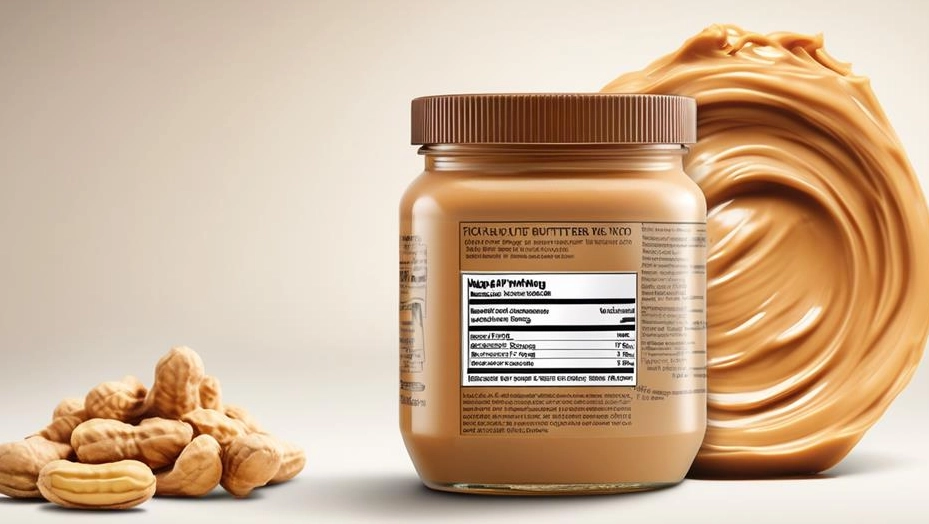
After that, look for trouble. Here’s what I avoid, and why:
Added Oils (Palm Oil, Fully Hydrogenated Oils): These are added to prevent oil separation (so you don't have to stir). Palm oil isn't toxic, but it's high in saturated fat. It's a cheap stabilizer that lowers the nutritional quality. A little saturated fat is okay, but why add more? I prefer the ones I have to stir—it’s a sign of purity.
Added Sugars: This is the big one for human health. Look for aliases: cane sugar, evaporated cane juice, molasses, honey, maple syrup. The "Added Sugars" line on the Nutrition Facts panel is your best friend. Aim for 0-1 gram per serving. A popular national brand can have 3-4 grams of added sugar per serving—that's nearly a teaspoon!
Other Sugar Alcohols: Maltitol, sorbitol, erythritol. While not toxic like xylitol to dogs, they can cause digestive upset (gas, bloating) in both pets and people. If you're choosing a "sugar-free" option for yourself, erythritol is generally better tolerated, but it's still a processed additive.
The Nutrition Panel: The Two Numbers That Matter
1. Added Sugars: As mentioned, keep this as low as possible. 0g is ideal.
2. Sodium: Salt is often added for flavor. A little is fine (50-100mg per serving), but some brands push 150mg or more. If you're watching blood pressure, compare.
My personal rule? If the ingredient list is longer than "peanuts, salt," I need a good reason to buy it. That reason is almost never there.
A Short List of Trusted Peanut Butter Brands Without Xylitol
Based on consistent label checking and personal use, here are brands that consistently make the cut. Remember, formulations can change, so always double-check the label on the jar you're buying.
| Brand | Key Feature | What's in It (Typical) | Best For |
|---|---|---|---|
| Smucker's Natural | Widely available, affordable | Peanuts, Salt (in the 'Natural' series) | Everyday family use, dog treats |
| Teddie Peanut Butter | Super simple, old-school | Just Peanuts (Unsalted version) | Purists, people avoiding added salt |
| Crazy Richard's | 100% peanuts, no salt added | Peanuts. That's it. | The cleanest option, cooking/baking |
| Santa Cruz Organic | Organic, creamy texture | Organic Peanuts, Salt | Organic shoppers, a smoother option |
| Trader Joe's (Unsalted) | Great value for quality | Dry Roasted Peanuts | Budget-conscious, healthy eaters |
A word on store brands: Many grocery store "natural" peanut butters are excellent and just contain peanuts and salt. They're often the best value. Just do the 10-second label check.
Brands to Actively Avoid or Scrutinize: Any brand with "Sugar-Free" or "No Sugar Added" prominently on the label. Go directly to the ingredient list. This is where xylitol most commonly hides. Also, be cautious with online artisan nut butter shops—always email to confirm ingredients if they're not clearly listed.
Healthy Uses & Simple Recipe Ideas
Okay, you've got your safe, clean peanut butter. Now what? Here’s how to use it beyond the basic sandwich.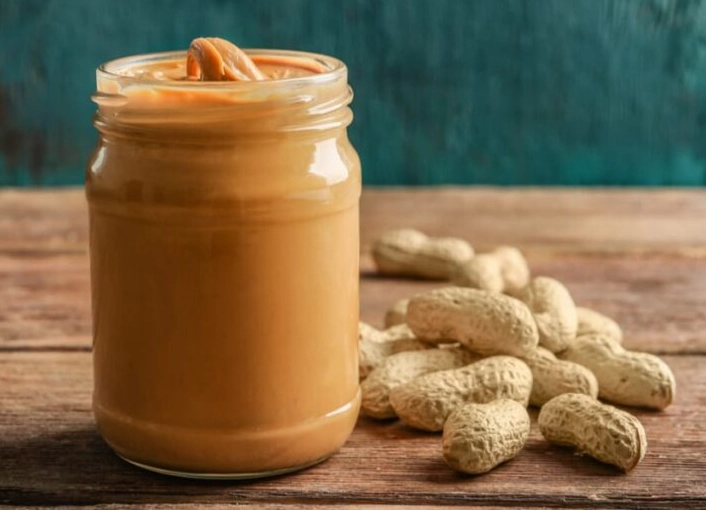
For You: Energy Balls & Savory Sauces
Mixing a spoonful into oatmeal is child's play. Let's talk energy balls. They're my go-to for hiking. Mash one ripe banana, mix in about 1/3 cup of peanut butter (without xylitol, obviously), a handful of oats, a sprinkle of chia seeds, and maybe some dark chocolate chips. Roll into balls, freeze. No baking, all whole foods.
The non-consensus idea? Use it in savory cooking. Thin it out with warm water, a splash of soy sauce (or coconut aminos), a squeeze of lime, and a pinch of chili flakes. You've got an instant, delicious satay-style sauce for grilled chicken or tofu. It's a game-changer.
For Your Dog: The Ultimate Treat Stuffing
Forget just licking it off a spoon. The best way to give peanut butter to your dog is as a slow-feeder or enrichment tool. Spread a thin layer inside a Kong toy. Freeze it. It'll keep them busy and mentally stimulated for 30 minutes. You can also use it to hide pills—just make a tiny "pill pocket" around the medication.
You can even make simple dog treats. Mix 1 cup of whole wheat flour (or oat flour), 1/2 cup of peanut butter, and 1/3 cup of water or unsalted broth. Roll out, cut into shapes, and bake at 350°F for 15-20 minutes. Let them cool completely. Scout goes nuts for these.
Baking Without the Sugar Spike
Using natural peanut butter without added sugars or weird oils is crucial for baking. It gives you control. In recipes, it acts as a fat and a flavor agent. My favorite quick cookie: 1 cup peanut butter, 1 egg, 1/2 cup maple syrup or coconut sugar, 1 tsp baking soda. Mix, scoop, bake at 350°F for 8-10 minutes. They're chewy, protein-packed, and don't rely on flour.
Your Top Questions, Answered
How much peanut butter without xylitol can I safely give my dog?
Treat it as a treat, not a meal. For most dogs, a teaspoon (about 5g) once or twice a week is plenty. It's high in fat and calories. For a 20-pound dog, that's roughly 10% of their daily calorie needs from a treat alone. Spread it inside a Kong toy or use it to hide medication. The key is moderation to avoid pancreatitis or weight gain.
My 'natural' peanut butter doesn't list xylitol, but is it still unhealthy?
Possibly. 'Natural' is an unregulated term. The jar might only contain peanuts and salt, which is great. But many 'natural' brands add palm oil (for stability, but it's a saturated fat), or significant amounts of added sugars like cane sugar, molasses, or honey. For the healthiest option, look for the shortest ingredient list: just peanuts (and maybe salt). Check the 'Added Sugars' line on the nutrition panel—aim for 0g.
Are there good alternatives to peanut butter without xylitol for people with allergies?
Absolutely. Sunflower seed butter (sunbutter) is the closest in texture and is commonly nut-free. Almond butter and cashew butter are options for those only allergic to peanuts. For dogs, pumpkin puree (plain, canned) or mashed banana can work as a sticky treat stuffing. Always verify the alternative product's label for xylitol and other dog-toxic ingredients like certain artificial sweeteners or chocolate in spreads.
The bottom line is simple. Peanut butter without xylitol is more than a safe choice; it's a cornerstone for healthier eating for you and safe treating for your dog. It forces you to look at labels, which changes how you shop for everything else. Start with a jar that says just "peanuts." Stir it up. Taste the actual flavor of roasted peanuts. You might never go back to the sweet, oily stuff again. Scout certainly won't.
Reader Comments