So you want to know how many calories are in a spoonful of peanut butter. The short, oversimplified answer you'll find everywhere is about 94 to 100 calories. But if you stop there, you're missing the whole story. That number is almost useless without context. Is it a heaping spoon or a level one? Is it from a natural brand or a sugary one? I've been tracking nutrition for clients (and my own fitness goals) for over a decade, and the biggest mistake people make is treating that "average" calorie count as gospel. It leads to underestimating intake by hundreds of calories without even realizing it.
Quick Navigation: What You'll Find Here
What Exactly is a 'Spoonful'? The Portion Size Trap
This is where everyone goes wrong. "Spoonful" isn't a standard measurement. In your kitchen drawer, you likely have at least three different spoons, and the calorie difference between them is significant.
Let's break it down. Nutrition labels base their serving on a level tablespoon (tbsp), which is 16 grams. A level teaspoon (tsp) is about 5.3 grams. But here's the reality check: nobody eats a perfectly level tablespoon of peanut butter straight from the jar. You scoop, you swipe, you get a little extra. That "heaping" tablespoon can easily weigh 20-22 grams.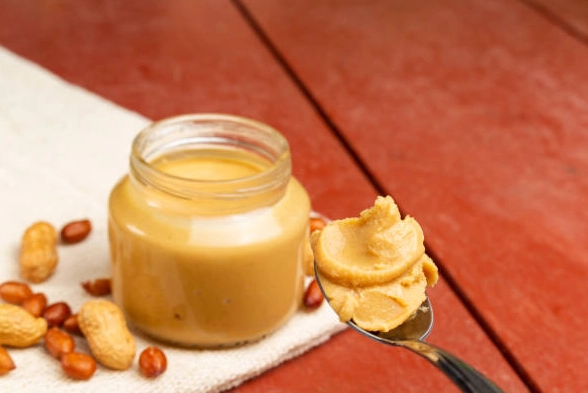
The Math You Need to Know: If a level tablespoon (16g) is ~100 calories, a heaping one at 20g is 125 calories. That's a 25% increase right off the bat, just from a casual scoop. Do that twice a day, and you've added 50 extra calories without thinking. Over a week, that's like adding an extra slice of bread to your diet.
I learned this the hard way early on. I'd use a large soup spoon thinking "it's just one spoon." When I finally weighed it, it was 28 grams—nearly two standard servings and close to 175 calories. My "healthy snack" was packing more calories than some candy bars.
Calories by Brand and Type: A Real-World Comparison
Assuming all peanut butter is created equal is the second major pitfall. Oil separation, added sugar, and reduced-fat formulas change the calorie math. Here's a look at what you're actually getting per level tablespoon (16g) from popular brands, based on their official nutrition data.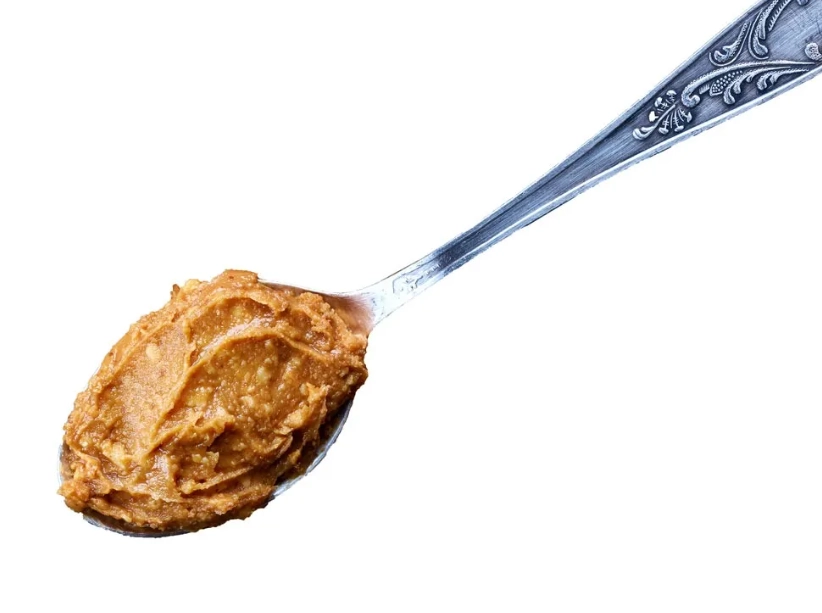
| Brand & Type | Calories (per 16g tbsp) | Key Notes (Why the Difference?) |
|---|---|---|
| Generic Creamy Peanut Butter | 95-100 | The baseline. Usually contains added sugar and hydrogenated oils for stability. |
| Jif Creamy | 95 | Similar to generic. Consistent texture, slightly sweet. |
| SKIPPY Creamy | 95 | Virtually identical to Jif in calorie profile. |
| Natural Peanut Butter (Stirred) (e.g., Smucker's, Crazy Richard's) | 100-105 | Often slightly higher. Why? Just peanuts (and maybe salt). No fillers, so it's denser in pure peanut content. The oil on top is part of the calorie count. |
| Powdered Peanut Butter (e.g., PB2) | About 45* | *This is after reconstituting with water (2 tbsp powder = 1 tbsp paste). The fat is dramatically reduced, so calories plummet. Texture and taste are different. |
| 'Reduced Fat' Peanut Butter | ~95 | Here's the scam many fall for: calories are often the SAME. They remove fat but add more sugar or maltodextrin to compensate for texture. You're not saving calories, you're swapping healthy fats for carbs. |
See the pattern? The natural stuff, which is arguably healthier, can be marginally higher in calories per spoonful because it's pure food. The "diet" versions often trick you. My non-consensus take? Avoid reduced-fat peanut butter altogether. You're paying for a marketing gimmick that offers no calorie benefit and inferior nutrition.
How to Accurately Measure Peanut Butter Calories
If you're serious about knowing your intake, guessing has to stop. Here are the methods, from best to worst.
1. The Gold Standard: Use a Kitchen Scale
This is the only way to be precise. Don't try to scoop 16g onto the scale. Instead, use the tare function. Place your bowl or bread on the scale, hit "tare" (it resets to 0), then add your peanut butter until it reads 16 (or your desired grams). You'll quickly learn what 16g looks like on your spoon, training your eye.
2. The Visual Hack for a True Tablespoon
No scale? Use a proper measuring spoon, not a random one from your table setting. Scoop, then level it off with the back of a knife. That mound you naturally get? Scrape it off. It feels stingy, but that's what the label is talking about.
3. The Pre-Portion Trick
When you open a new jar, spend 5 minutes portioning it into small containers or on parchment paper. Weigh out 16g (or 32g for 2 servings) portions and freeze them. Grab and go. It eliminates the "just one more swipe" temptation completely.
I tell my clients to do the scale method for just one week. The awareness it builds is transformative. You realize how much you were over-serving, and that awareness sticks even when you stop weighing every time.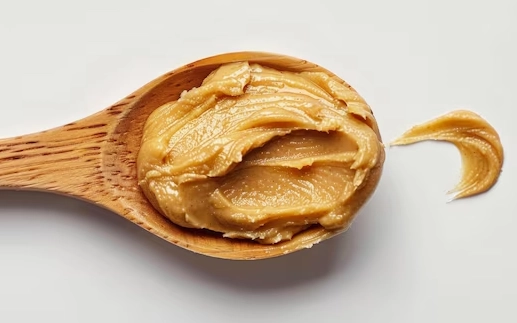
Looking Beyond Just Calories: The Nutrition Payoff
Focusing solely on the calories in a spoonful of peanut butter is like judging a book by its word count. You miss the quality. Yes, it's calorie-dense, but it's also nutrient-dense.
A 100-calorie spoonful gives you:
- 4g of Protein: Helps keep you full and supports muscle.
- 8g of Healthy Fats (mostly mono- and polyunsaturated): Crucial for hormone function and absorbing vitamins.
- 2g of Fiber: Good for gut health and satiety.
- Key nutrients like magnesium, vitamin E, and potassium.
Compare that to 100 calories from a bag of pretzels (mostly refined carbs, little protein/fat/fiber). The peanut butter will keep you satisfied for hours; the pretzels will leave you hungry soon after. The calorie count is identical, but the metabolic and satiety effects are worlds apart.
The Expert Perspective: Organizations like the Harvard T.H. Chan School of Public Health highlight nuts and nut butters as part of a healthy dietary pattern, associated with lower risk of heart disease. They're not just empty calories; they're functional food.
The goal isn't to fear the calories in peanut butter. It's to respect its density and use it strategically. A measured spoon on oatmeal, apple slices, or whole-grain toast is a powerhouse addition to a meal. Eating it by the heaping spoonful straight from the jar while watching TV is where the trouble starts.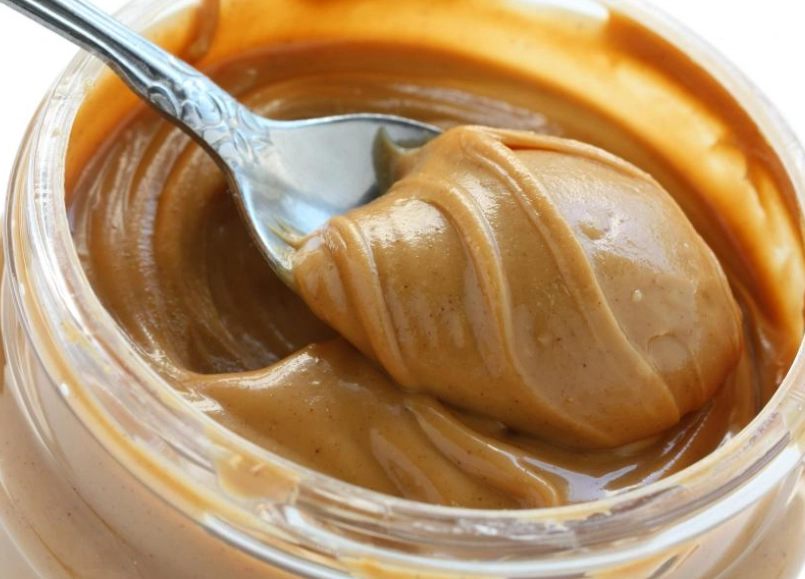
Your Peanut Butter Calorie Questions Answered
Absolutely, but it's all about the portion and what you pair it with. A measured tablespoon is a perfect addition to a weight-loss diet because its fat and protein increase satiety. The problem is the unmeasured, multi-spoon "snack." Track it honestly for a week. If your weight isn't moving, the peanut butter (or more likely, the portion size) might be the first place to look.
It's usually a tiny bit higher, as the table shows. But the difference is negligible—maybe 5-10 calories per spoon. The real benefit of natural peanut butter isn't calorie savings; it's the absence of added sugars and unhealthy hydrogenated oils. You're getting just peanuts. The calorie similarity between natural and regular is why I always recommend choosing natural for the better ingredient profile.
Restaurants are notorious for massive portions. If you get a side of peanut butter for pancakes or an Asian peanut sauce, assume it's at least 3-4 tablespoons (300-400 calories), often more. Visually, a standard restaurant ramekin holds about 1/4 cup, which is 4 tablespoons. My rule: if it's a sauce or dip served in a container, use half. If it's already slathered on something, ask for it on the side so you can control it.
No, it's a calorie-reduced hack. It's fantastic for adding peanut flavor to smoothies, oats, or yogurt for far fewer calories because the fat is removed. But it's not a direct replacement in terms of texture or satiety power. The healthy fats in regular peanut butter are what make it so filling. Think of powdered PB as a different ingredient for different purposes, not a magic one-to-one swap.
So, the next time you reach for the jar, remember: the calories in a spoonful of peanut butter aren't a mystery to be feared, but a number to be understood. Grab a measuring spoon, appreciate the nutrient punch it delivers, and enjoy every deliberate bite.
Reader Comments