I stood in the aisle for ten minutes once, holding two nearly identical jars of peanut butter. One said "Natural." The other boasted "Protein Powered!" Both had similar-looking nutrition labels. I picked the "natural" one, thinking I'd made the healthy choice. Got home, looked closer, and saw it had added sugar and palm oil. The "protein" one was just peanuts and salt. I'd been fooled by the front of the jar, not the facts on the back.
That was the moment I decided to learn the language of the peanut butter nutrition label. It's not just about calories. It's a map of ingredients, quality, and marketing tricks. Let's decode it together, so your next choice is informed, not impulsive.
What I Wish I Knew Before My Last Grocery Trip
The Ingredient List: The Single Most Important Line
Forget the fancy claims on the front. Turn the jar around. The ingredients list is where the truth lives. It's ordered by weight, so the first ingredient is what the product contains the most of.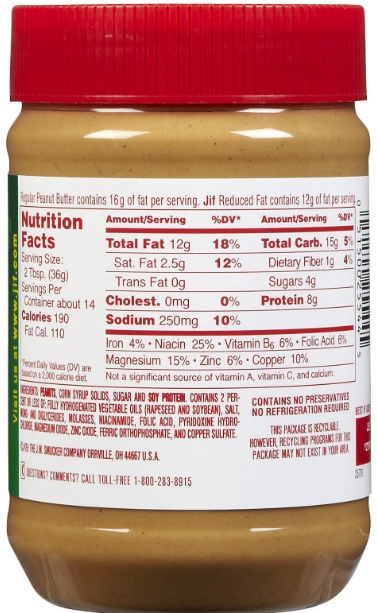
The Gold Standard: "Peanuts." Or "Peanuts and Salt." That's it. This is what you're ideally looking for. Everything in the jar is a whole food.
Now, here's where it gets tricky. You'll see jars that say "Made with Real Peanuts!" Well, of course. But look at the rest of the list.
Red Flags in the Ingredients List
Added Sugars: This can be listed as sugar, cane sugar, evaporated cane juice, corn syrup solids, honey (yes, even honey is an added sugar in this context), or molasses. Their job is to make a low-quality product taste better.
Hydrogenated Oils: This is the big one. Fully or partially hydrogenated oils are sources of artificial trans fats. The FDA has banned them, but loopholes exist. They're added to prevent oil separation and give that unnaturally smooth, shelf-stable texture. Trans fats are inflammatory and terrible for heart health. If you see this, put the jar back.
Palm Oil: Often used as a "natural" alternative to hydrogenated oils to stabilize the product. It's not a trans fat, but it's high in saturated fat. Whether you avoid it is a personal and environmental choice, but it's a sign the brand chose stability over purity.
A product with peanuts, sugar, palm oil, and salt is a processed food, not a whole food nut butter. It might taste like the childhood favorite, but the label tells a different story.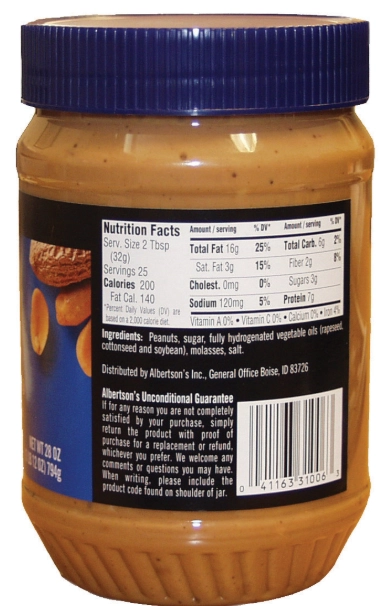
Understanding the Fat Profile (It's Not All Bad)
People panic when they see 16 grams of fat per serving. Don't. Peanuts are a fatty food—it's where their energy and flavor come from. The type of fat is what matters.
Look at the "Total Fat" breakdown on the label. You want the majority to come from Monounsaturated and Polyunsaturated fats. These are the heart-healthy fats also found in olive oil and avocados.
Expert Tip: A high-quality, peanuts-only butter will have a fat profile of about 8g monounsaturated, 4g polyunsaturated, and 3g saturated fat per serving (2 tbsp). If the saturated fat number is disproportionately high (like 5g or more), it often signals the presence of added oils like palm oil. The label doesn't lie.
Saturated fat should be the smallest number in the group. A little is natural from the peanuts themselves.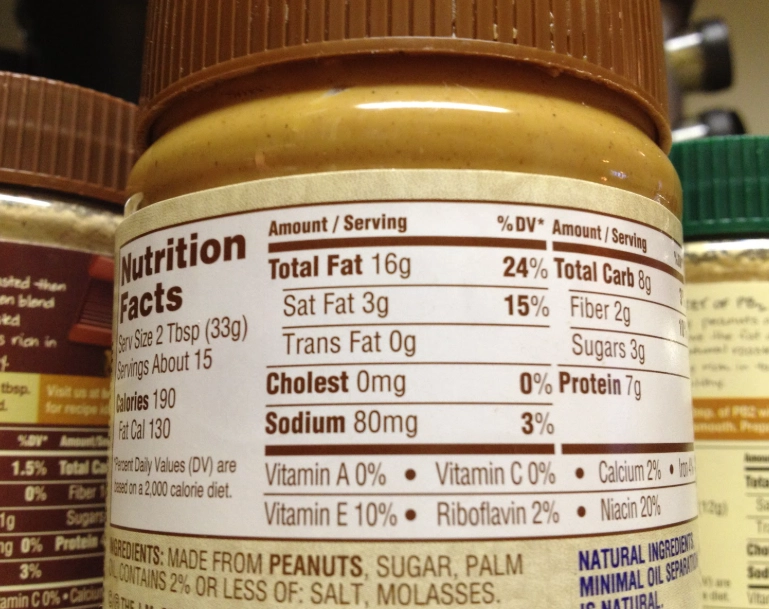
The Sugar and Sodium Trap: Where Brands Hide the Junk
This is the section where "healthy" peanut butters can stumble.
Decoding Sugar on the Label
First, check "Includes Xg Added Sugars." This is a newer, mandatory line and a game-changer. Your goal here is 0g.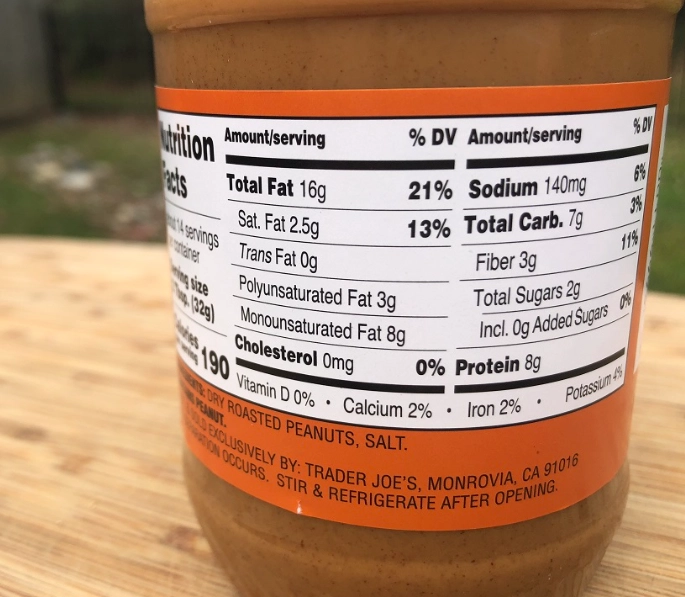
You might still see 1-2g of "Total Sugars" even in a pure peanut butter. That's natural sugar from the peanuts themselves. It's the "Added Sugars" line that tells you if the manufacturer poured extra sweetness in.
That "Protein" or "Fit" branded peanut butter? I've seen them with 4-5g of added sugar. They add sugar to balance out the chalky protein powder they've mixed in. Always verify.
The Sodium Check
Unsalted peanut butter has about 5mg of sodium per serving—trace amounts from the peanuts. Salted versions can range from 80mg to 150mg or more per serving.
If you're watching your sodium intake, this is a easy place to cut back. Choose an unsalted variety. You can always add a tiny pinch of your own high-quality salt if you miss it.
Your Actionable Healthy Peanut Butter Shopping List
Let's put this all together. Don't just look for a brand name; look for a label profile. Here’s what to scan for in under 30 seconds:
| What to Look For | Ideal Target / Green Flag | Red Flag / Avoid |
|---|---|---|
| Ingredients | "Peanuts" or "Peanuts, Salt" | Peanuts, Sugar, Palm Oil, Hydrogenated Oils, Molasses |
| Added Sugars | 0g | Anything above 2g |
| Total Fat (per 2 tbsp) | 14g - 17g | Extremely low (indicates fat removed, often replaced with sugar) |
| Saturated Fat | 2g - 3.5g | Over 4.5g (may indicate added oils) |
| Sodium | Over 150mg | |
| Protein | 7g - 8g | "Protein-enriched" with added isolates/powders |
Brands that consistently fit this profile include those found in the natural foods section, often with oil sitting on top. You'll know them by their simple labels. Some major brands now offer "natural" lines that are just peanuts and salt—check carefully, as their classic versions are a different recipe.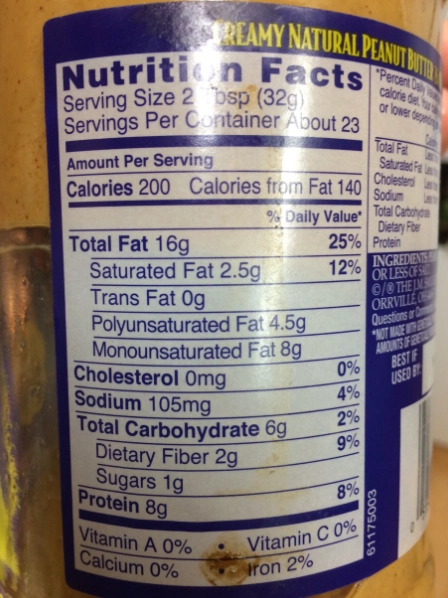
My personal go-to? I buy the store-brand "natural" peanut butter from my local grocery's health food section. It's just peanuts. It costs less than the fancy jars, and I have to stir it. That's a trade-off I'm happy to make.
Your Peanut Butter Label Questions, Answered
What should I look for first on a peanut butter nutrition label if I'm trying to lose weight?
Focus on the calories per serving and the added sugar content. A common pitfall is overlooking the serving size, which is often just 2 tablespoons. If you typically use more, you're consuming more calories and sugar than you think. Prioritize options with 0g added sugar. The fat content, while higher, is mostly healthy monounsaturated fat and is more satiating, helping you feel full longer.
Is 'natural' peanut butter always the healthier choice?
Not necessarily. The term "natural" is largely unregulated. A jar might say "natural" but still contain palm oil or added sugars. The only way to be sure is to check the ingredients list. True, healthier "natural" peanut butter will have just one or two ingredients: peanuts, and maybe salt. Don't trust the marketing on the front; always verify with the list on the back.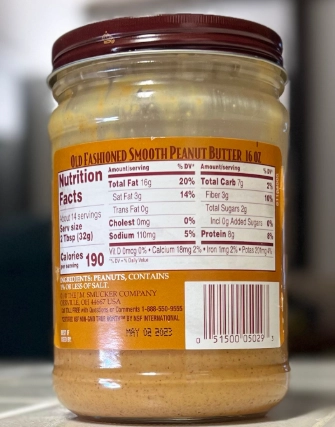
How can I choose a keto or diabetic-friendly peanut butter using the nutrition label?
The key metric is net carbs (total carbohydrates minus fiber and sugar alcohols). For keto, aim for the lowest net carbs, ideally 3-4g per serving or less. This means selecting peanut butter with zero added sugar and high fiber content. For diabetes management, the lack of added sugar is critical to prevent blood sugar spikes. In both cases, avoid any product with hydrogenated oils, as they are inflammatory and counterproductive to metabolic health.
Why does my natural peanut butter's oil separate, and is the stirred-in kind worse for me?
Oil separation is completely normal and a sign of a minimal-ingredient product—it means nothing has been added to emulsify it. The pre-stirred "no-stir" varieties often contain fully or partially hydrogenated oils (trans fats) or palm oil to keep the mixture stable. While palm oil isn't as harmful as trans fats, it's a saturated fat. For the purest option, choose the separating kind and stir it yourself. Store it upside down to make remixing easier.
The bottom line is empowerment. That nutrition label is your tool. Use it to see past the "healthy halo" of marketing and find the product that aligns with your actual health goals. Next time you're in that aisle, you'll know exactly what to do. Grab the jar, flip it over, and let the ingredients list tell you the real story.
Reader Comments