In This Article
- The Basic Numbers: How Many Calories Are We Talking?
- It's Not All the Same: A Side-by-Side Look at Different Types
- What Makes Up Those Calories? The Macronutrient Breakdown
- Peanut Butter and Weight Management: Friend or Foe?
- Beyond Calories: The Vitamins and Minerals You Get
- How to Accurately Track Peanut Butter Calories
- Your Peanut Butter Questions, Answered
- The Final Scoop: Making Peace with Peanut Butter
Let's be real. You're here because you love peanut butter, but that little voice in your head (or maybe your fitness app) is asking about the peanut butter calories. Is it a healthy choice or a diet disaster? Can you actually eat it and still reach your goals?
I get it. I've been there too, standing in the pantry with a spoon, having the internal debate. The info online is all over the place. One site says it's a superfood, another treats it like candy. It's frustrating.
So, let's cut through the noise. We're going to talk straight about calories in peanut butter, what they mean for you, and how to make this delicious spread work in your life. No scare tactics, no boring textbook lists. Just useful, real-talk info.
The Basic Numbers: How Many Calories Are We Talking?
Okay, let's start with the headline figure. For a standard two-tablespoon serving (that's about 32 grams), you're looking at roughly 190 to 210 calories. That's for the classic, nothing-added, just-peanuts kind.
But here's the thing most people miss right away. A "serving" is two tablespoons. Go on, be honest. When you scoop some out of the jar, is it a level, precise tablespoon? Mine never is. It's usually a heaping spoonful. That visual matters more than anything when counting peanut butter calories. A heaping tablespoon can easily be 1.5 servings. It adds up fast.
I learned this the hard way when I first started tracking. My "quick snack" was clocking in at nearly 400 calories in peanut butter because I was so casual with my scooping. Whoops.
It's Not All the Same: A Side-by-Side Look at Different Types
This is where it gets interesting. Walk down the grocery aisle and you'll see a dozen options. The peanut butter calories can vary quite a bit depending on what's in the jar. Let's break them down in a simple table.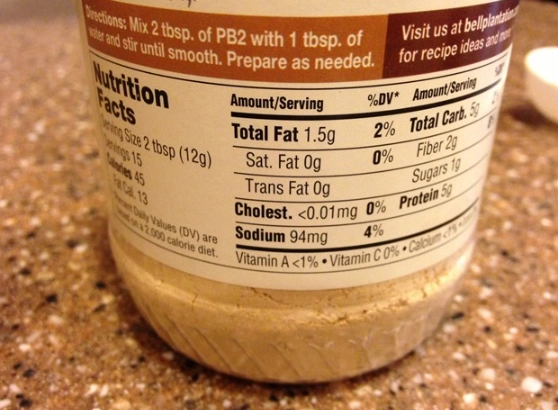
| Type of Peanut Butter | Calories per 2 Tbsp (approx.) | What's Different? | My Take |
|---|---|---|---|
| Natural (Just Peanuts & Salt) | 190-200 | Oil separates on top. Ingredients: peanuts, maybe salt. | This is my go-to. The flavor is pure, and you control what you're eating. |
| "No-Stir" Natural | 200-210 | Has palm oil or other stabilizers to prevent separation. | Convenient, sure. But you're adding a processed fat for texture. I'd rather just stir. |
| Conventional (Jif, Skippy, etc.) | 190-210 | Contains added sugars (like molasses, cane sugar) and hydrogenated oils. | The taste is nostalgic, but the added sugar and processed oils are a downside for me now. |
| Powdered Peanut Butter (like PB2) | 50-70 | Most fat is pressed out, then powdered. You mix with water. | A calorie-saver, but it's a totally different experience. Less satisfying, in my opinion. |
| Reduced Fat Peanut Butter | 190-200 | Fat is reduced, but often replaced with extra sugar or fillers to compensate for taste. | This one feels like a trap. You save maybe 10-20 calories but get more sugar. Not worth it. |
See what I mean? The conventional stuff often has similar peanut butter calories to the natural kind. The difference isn't in the calorie count—it's in the quality of those calories. The natural version gives you just peanuts (healthy fats, protein, fiber). The conventional one gives you peanuts plus sugar and processed oils.
That's a key point. Judging peanut butter solely by its calorie count is like judging a book by its weight. You miss the whole story.
What Makes Up Those Calories? The Macronutrient Breakdown
So where do those 190-210 calories in peanut butter actually come from? This breakdown is why peanut butter is more than just a "fatty spread."
Fat: The Biggest Chunk (And That's Okay)
About 70-80% of the calories in peanut butter come from fat. Before you panic, remember this is mostly unsaturated fat—the kind that's good for your heart. We're talking monounsaturated and polyunsaturated fats. These fats help you feel full and satisfied. They're the reason a spoonful of peanut butter can curb hunger for hours, while a handful of candy just leaves you wanting more.
Protein: The Secret Weapon
This is the magic. Two tablespoons pack about 7-8 grams of protein. For a plant-based food, that's impressive. Protein is the most satiating macronutrient. It helps build and repair muscle, and it takes more energy for your body to digest. When people ask me how to manage peanut butter calories, I tell them to focus on this protein benefit. It's what makes those calories work for you, not against you.
Carbohydrates: A Small Amount, Mostly Fiber
The carb count is relatively low (6-7 grams per serving), and 2-3 grams of that is usually dietary fiber. Fiber is another superstar for fullness and gut health. The remaining carbs are a mix of natural starches and, in conventional brands, added sugars.
Peanut Butter and Weight Management: Friend or Foe?
This is the million-dollar question. Can something with nearly 200 calories in a serving help you lose or maintain weight? Surprisingly, yes—if you're smart about it.
Study after study, including research highlighted by resources like the Harvard T.H. Chan School of Public Health on healthy fats, shows that nuts and nut butters are linked to better weight management, not worse. Why? Because of that powerful combo of protein, fiber, and healthy fats we just talked about. They promote satiety. You eat less later.
The problem isn't the peanut butter itself. It's how we eat it.
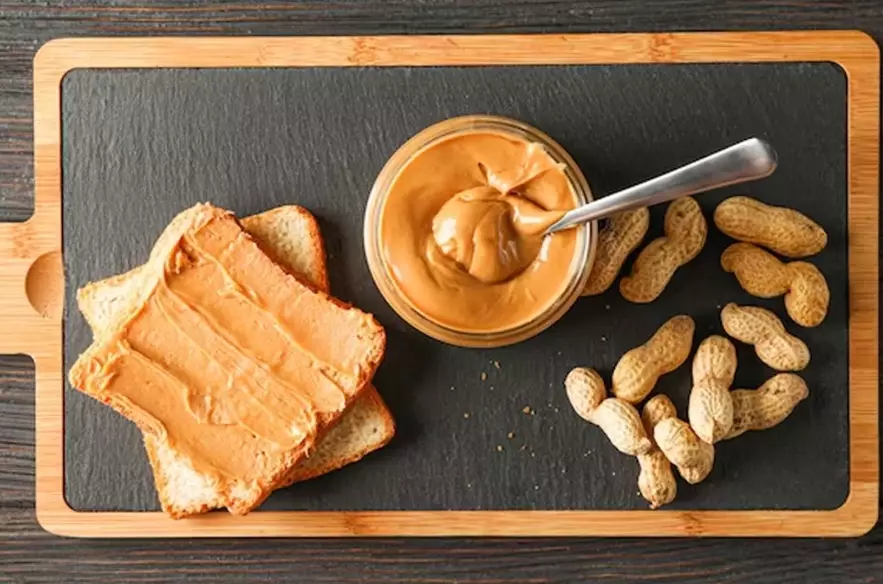
I used to be afraid of it. I'd skip it and then be so hungry an hour later that I'd eat a bag of chips. Now, I plan for it. That planned 200 calories saves me from 400 calories of junk later. It's a net win.
Beyond Calories: The Vitamins and Minerals You Get
Focusing only on peanut butter calories means you miss the micronutrient bonus. This stuff is loaded with goodies:
- Vitamin E: A powerful antioxidant that protects your cells.
- Magnesium: Crucial for muscle function, nerve function, and bone health. Most people don't get enough.
- Potassium: Helps regulate blood pressure. More than a banana per ounce!
- Niacin (B3): Supports energy metabolism and nervous system health.
- Resveratrol: The same antioxidant found in red wine, linked to heart health.
When you look at it that way, those 190-210 calories in peanut butter are delivering a lot of nutritional value. You're not getting "empty calories" like you would from soda or candy.
How to Accurately Track Peanut Butter Calories
If you're tracking your intake, accuracy is key. Here's what works, from my own trial and error:
- Use a Scale (Seriously): This is the most accurate method. Zero out your bowl or plate, then spoon the peanut butter onto it until the scale reads 32 grams for a two-tablespoon serving. You'll be shocked at how different a "visual" serving is from an actual one.
- The Level Tablespoon Method: If no scale, use measuring spoons and level them off with a knife. Don't scoop and leave a mountain on top.
- Check Your Brand: Always look at the nutrition label on your jar. The peanut butter calories per serving can vary slightly. Don't just assume 200.
A friend of mine swore she was eating one serving. We weighed it. It was 55 grams—almost double. That's an easy extra 200 calories in peanut butter she wasn't accounting for. The scale doesn't lie.

Your Peanut Butter Questions, Answered
I get asked these all the time. Let's tackle them head-on.
Is natural peanut butter lower in calories?
Not really. As the table showed, the peanut butter calories are almost identical. The difference is in the ingredient quality. Natural is better because it lacks added sugars and unhealthy fats, not because it's significantly lower in calories.
Is powdered peanut butter a good alternative?
It's a fantastic calorie-saving alternative if your primary goal is to drastically cut fat and calories. It has most of the fat pressed out, so you're left with the protein and flavor for about 50-70 calories per serving. But—and this is a big but—it's not the same. It's less creamy, less satisfying, and you miss out on the healthy fats that aid nutrient absorption and satiety. I use it in baking or smoothies where texture is less critical, but I wouldn't replace my regular jar with it.
How can I eat peanut butter without overdoing the calories?
Portion control is non-negotiable. Pre-portion it. Don't eat from the jar. Pair it with high-volume, low-calorie foods. A tablespoon drizzled over a big bowl of Greek yogurt with berries is heavenly and filling. Or use it as a flavorful accent, not the main event.
Does the "peanut butter calories" count change if it's crunchy vs. smooth?
Barely. The difference is negligible—maybe a 5-10 calorie variance at most, because the crunchy just has finely chopped peanuts added. Choose based on texture preference.
What about peanut butter for athletes or building muscle?
It's a staple. The combo of protein for repair and healthy fats for sustained energy is perfect. The calories in peanut butter are actually an asset here, providing the energy needed for training and recovery. It's a easy way to add quality calories to a shake or post-workout snack.
The Final Scoop: Making Peace with Peanut Butter
Look, peanut butter is a calorie-dense food. There's no getting around that. Two hundred peanut butter calories is two hundred calories. But "calorie-dense" is not a dirty word. It's a description.
The real question is: are those calories serving you? Are they providing nutrition, satisfaction, and joy? Or are they slipping in unnoticed and unmeasured?
My advice? Stop fearing the jar. Start respecting it. Buy a natural one you love. Get a cheap kitchen scale. Measure a proper serving. Enjoy it mindfully as part of a balanced meal or snack.
When you do that, you stop obsessing over calories in peanut butter and start appreciating it for what it is: a delicious, nutritious, and utterly satisfying food that can absolutely have a place in a healthy diet.
Now, if you'll excuse me, all this talk has made me hungry. I'm off to have my measured tablespoon on an apple. Cheers.
Reader Comments