Quick Navigation
- What Exactly Is Natural Peanut Butter? (And What It's Not)
- Why Bother? The Real Benefits of Going Natural
- Navigating the Aisle: How to Pick the Best Natural Peanut Butter
- Mastering the Jar: Storage, Stirring, and Solving Common Problems
- Beyond the Sandwich: Actually Using Natural Peanut Butter
- Your Natural Peanut Butter Questions, Answered
- The Final Verdict
Let's be honest. The first time you opened a jar of natural peanut butter, you might have been a little freaked out. A pool of oil on top, that weirdly dry-looking paste underneath... it doesn't exactly scream "delicious" like the uniform, spreadable stuff we grew up with. I remember my first jar. I stared at it, poked it with a knife, and wondered if I'd just wasted my money.
But then I stirred it. And tasted it. And something clicked.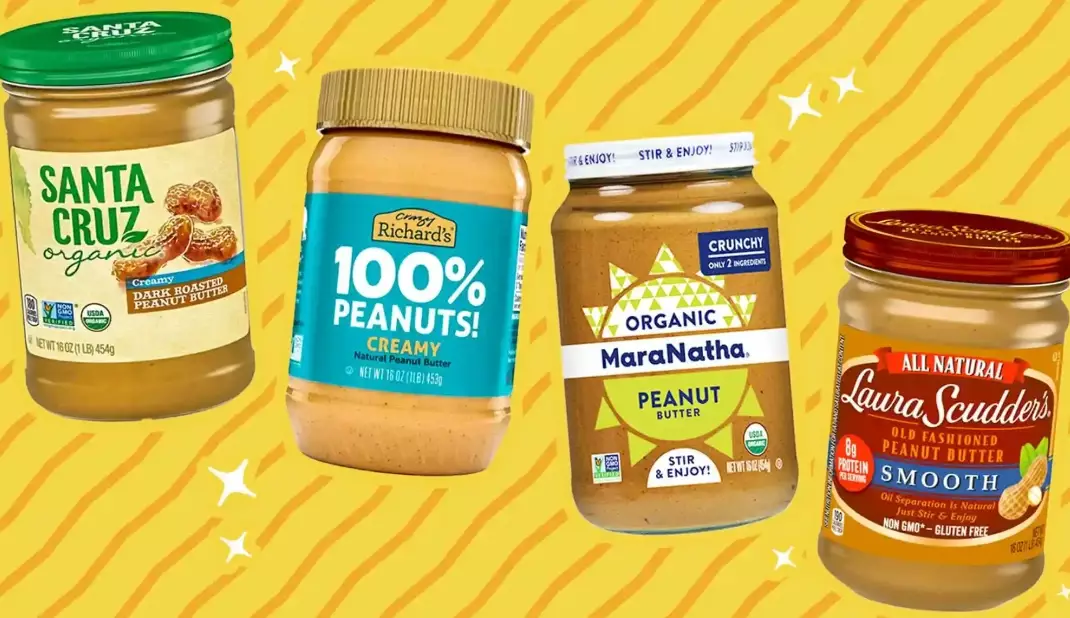
This is what peanuts actually taste like.
That's the heart of it, really. Natural peanut butter is, at its core, just peanuts. Sometimes a pinch of salt. That's the whole list. No hydrogenated oils to keep it from separating, no cups of added sugar or corn syrup, no mystery stabilizers or emulsifiers. It's a simple food that has been made complicated by shelves full of alternatives. This guide is here to cut through that noise. We're going to talk about what makes it different, why you might want to make the switch (and the very real reasons you might not), how to pick a good one, and what to actually do with it once you get it home.
The Core Idea: If the ingredient list on your peanut butter has anything other than "peanuts" and maybe "salt," it's not a natural peanut butter. That includes ingredients like palm oil (often listed as sustainable palm fruit oil), mono- and diglycerides, or molasses. The simplicity is the whole point.
What Exactly Is Natural Peanut Butter? (And What It's Not)
This seems like the place to start, because the label "natural" is one of the most abused terms in the grocery store. It doesn't have a strict legal definition from the FDA for peanut butter specifically. So companies get creative.
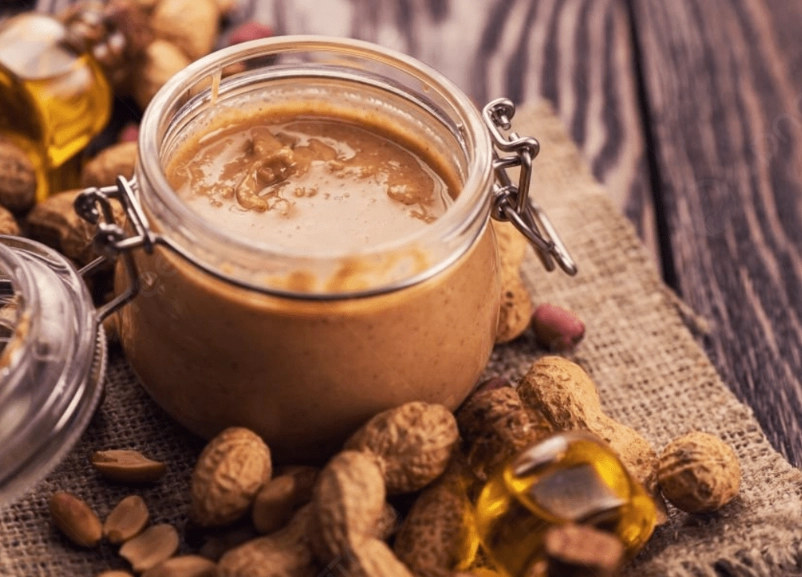
True, traditional natural peanut butter is made by grinding roasted peanuts until they release their natural oils and turn into a paste. The oil—peanut oil—is part of the peanut. Because there's nothing holding it in, it rises to the top. This is called oil separation, and it's the single biggest hallmark of a real, no-additive product. It's not a defect; it's a feature. If your natural peanut butter doesn't separate, something is in there keeping it mixed.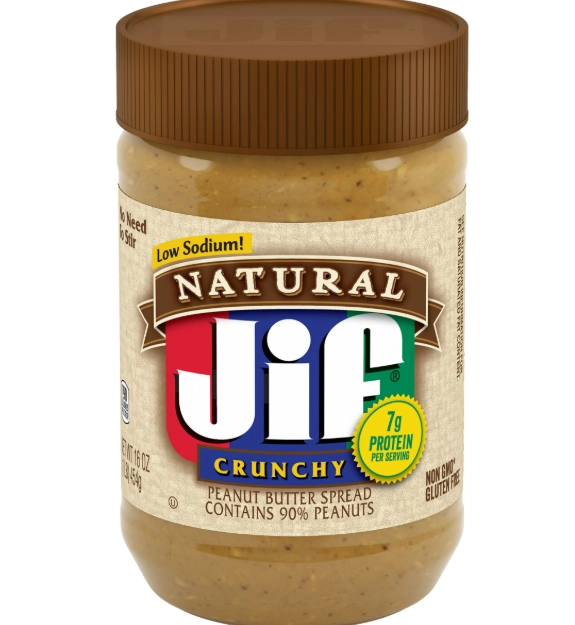
Then you have "no-stir" natural peanut butter. This is where it gets tricky. These brands often add a small amount of a stabilizer, like palm fruit oil. Palm oil is technically from a plant, so they can still call it "natural." It prevents separation and gives you a creamy, spreadable texture right from the fridge. Is it still a better choice than classic Jif or Skippy with hydrogenated oils and lots of sugar? Absolutely. But purists (and I sometimes count myself among them) argue it's a different product. It's a convenience trade-off.
Finally, you have conventional peanut butter. This is the shelf-stable, never-separates, super-sweet stuff. It's delicious on a sandwich, I won't deny it. But it achieves that texture through hydrogenation—a process that creates trans fats—or by using other hardened oils. The FDA has taken steps to phase out artificial trans fats, so many brands have switched to fully hydrogenated oils (which don't create trans fats) or palm oil. But they still contain significant added sugars and other ingredients.
The difference is stark when you look at nutrition. A leading conventional brand might have 3 grams of added sugar per serving. A natural one? Zero. The fat profile is also different, with natural peanut butter containing the natural, heart-healthy monounsaturated and polyunsaturated fats from the peanut oil itself.
Why Bother? The Real Benefits of Going Natural
So why put up with the hassle of stirring and the different texture? The reasons go beyond just being a food purist.
First, you're cutting out the junk. You're eliminating added sugars and unnecessary fats. You're getting the full, unadulterated nutritional profile of the peanut. Peanuts are a fantastic source of plant-based protein, healthy fats, fiber, and essential vitamins and minerals like magnesium, potassium, and vitamin E. A study published by the Harvard T.H. Chan School of Public Health notes that peanuts and peanut butter can be part of a healthy diet, linked to lower risk of heart disease.
Second, you control the ingredients. Just peanuts? Great. Peanuts and a bit of sea salt? Perfect. You know exactly what you're eating. For people with dietary sensitivities or who are just trying to avoid highly processed foods, this is a huge win.
Third, the taste. This is subjective, but once you get used to it, conventional peanut butter can start to taste cloyingly sweet and, well, fake. The roasted, nutty, slightly earthy flavor of a good natural peanut butter is complex and satisfying in a way the other stuff isn't. It tastes like food.
Here's my take: I switched for health reasons initially, but I stayed for the flavor. I used to think I needed the sweetness. Now, if I try the old stuff, it tastes like frosting to me. My palate adjusted, and I genuinely prefer the real thing.
But it's not all sunshine.
The Downsides (Let's Be Real): It's less convenient. You must stir it, and you should store it in the fridge after opening, which makes it hard to spread. The texture can be grittier or less uniform. It often costs a dollar or two more per jar. And if you're used to super-sweet spreads, the unsweetened versions can be a shock. It's an acquired taste for some.
Navigating the Aisle: How to Pick the Best Natural Peanut Butter
Standing in front of twenty different beige jars can be paralyzing. Here’s how to break it down, beyond just grabbing the one with the prettiest label.
Decode the Label: The Ingredient List is King
This is non-negotiable. Turn the jar around. The ingredients should read: Peanuts. Or, Peanuts, Salt. That's it. If you see "peanut oil" listed separately, that's a red flag—it means they've taken oil out and maybe added some back, which is odd. Avoid anything with added sugars (cane sugar, molasses, honey), hydrogenated oils (fully or partially), or palm oil if you want the purest form.
"No-Stir" fans, look for brands that use just a tiny bit of palm fruit oil. It's a compromise, but a reasonable one for convenience.
Texture & Style: Creamy vs. Chunky vs. Super-Chunky
This is pure preference, but it matters more than you think.
- Creamy: Smooth and spreadable (once stirred and at room temp). Best for sandwiches, sauces, and baking where you want a uniform texture.
- Chunky: Has small peanut bits throughout. Adds a nice crunch. My personal favorite for toast.
- Super-Chunky or Extra Crunchy: Loaded with big peanut pieces. Almost like a paste with whole peanuts mixed in. Fantastic for eating by the spoonful or adding serious texture to oatmeal.
Salt Level: Unsalted, Lightly Salted, or Sea Salt
Unsalted natural peanut butter can taste a bit flat and one-dimensional, almost like peanut sawdust. A little salt enhances the roasted flavor dramatically. I almost always go for salted versions. "Lightly salted" is a safe bet. "Sea salt" versions are trendy and can be great, but taste them—some can be overly salty.
A Quick Comparison of Popular Brands
I've tried... a lot of them. Here's a brutally honest, non-sponsored take on a few common players you'll see everywhere.
| Brand (Style) | Ingredients | Texture & Taste Notes | The Stir Factor |
|---|---|---|---|
| Smucker's Natural (Creamy) | Peanuts, Salt | The classic. Reliable, balanced peanut taste, slightly gritty texture. Widely available. | High. Oil separates completely. Requires a vigorous stir and fridge storage. |
| Adams 100% Natural (Crunchy) | Peanuts, Salt | Peanut-forward, robust flavor. Chunky version has excellent, substantial pieces. | Very High. Famous for its stubborn separation. Commitment required. |
| Santa Cruz Organic (Lightly Roasted) | Organic Peanuts | Milder, lighter flavor due to light roasting. Incredibly smooth, almost runny when warm. | Medium-High. Separates, but the oil integrates more easily than others. |
| Justin's Classic (No-Stir) | Dry Roasted Peanuts, Palm Oil, Sugar, Salt | Not a pure natural due to palm oil & sugar. Sweet, smooth, and perfectly spreadable. The "gateway" natural PB. | None. Ready to go. The convenience king. |
| Trader Joe's (Creamy Unsalted) | Peanuts | Incredible value. Good, basic peanut flavor. Can be a bit dry and thick compared to others. | High. A brick of peanut paste under a lake of oil. |
 My daily driver? Usually Adams Crunchy. The flavor is just unbeatable to me.
Mastering the Jar: Storage, Stirring, and Solving Common Problems
This is where most people get frustrated and give up. Don't. A few simple tricks make all the difference.
The Great Stir: How to Conquer Oil Separation
You open the jar. The oil is on top. The solid is a dense brick at the bottom. Don't just jab a knife in there.
- Don't pour off the oil. That oil is flavor and creaminess. You need it.
- Use a long, sturdy knife or a butter knife. Stir in a slow, folding motion, gradually incorporating the oil from the top into the solids at the bottom.
- Once it's mostly combined, you can switch to a more vigorous stir. It will take a minute or two of elbow grease.
- Pro Tip: Store the new, unopened jar upside down for a day or two before you open it. This lets the oil permeate through the paste, making the initial stir much easier.
To Refrigerate or Not to Refrigerate?
After opening, you must refrigerate a 100% natural peanut butter (just peanuts/salt). The lack of stabilizers means the oils can go rancish at room temperature over several weeks. Refrigeration slows this down dramatically and also prevents re-separation.
The catch? It gets hard. Like, cracker-breaking hard.
Solution: Take the jar out of the fridge 30-60 minutes before you plan to use it. Let it come closer to room temperature on the counter. It will be perfectly spreadable. For a quick fix, scoop out what you need and microwave it for 5-7 seconds only. Do not over-microwave!
No-stir varieties with palm oil can usually be stored in the pantry after opening, but check the label.
Beyond the Sandwich: Actually Using Natural Peanut Butter
If you only use it on bread, you're missing out. Its pure peanut flavor makes it a versatile ingredient.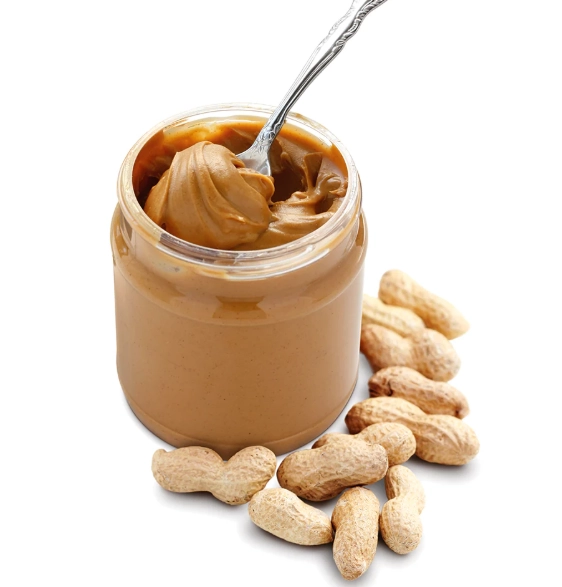
In Savory Cooking & Sauces
This is its superpower. The lack of added sugar makes it perfect for savory applications.
- Satay Sauce: Whisk with coconut milk, soy sauce, lime juice, garlic, and a touch of chili.
- Thai-inspired Noodles: Thin it out with hot water, soy sauce, rice vinegar, and sesame oil for an instant noodle sauce.
- Soup Booster: Stir a spoonful into African-inspired peanut soups or stews for richness.
- Dipping Sauce for Spring Rolls: Mix with hoisin, water, and a squeeze of lime.
In Smoothies, Oats, and Baking
- Smoothies: A tablespoon adds protein, healthy fats, and a creamy texture. Pairs perfectly with banana, chocolate, or berries.
- Oatmeal or Yogurt: Swirl it in for a hearty, protein-packed breakfast. The oil helps it incorporate better than conventional PB.
- Baking: Works great in cookies and bars. Note: The oil separation can sometimes affect baked goods slightly. For critical baking, you can use a no-stir variety or give your jar an extra-good stir first.
- Energy Bites: The classic binder for oats, honey, and chocolate chips.
The Straight-Up Spoonful
Don't knock it till you try it. A spoonful of a good, salty, chunky natural peanut butter is one of the most satisfying snacks on the planet. It's filling, tasty, and real food.
Your Natural Peanut Butter Questions, Answered
The Final Verdict
Switching to natural peanut butter isn't just a dietary change; it's a slight shift in mindset. You trade a bit of convenience and familiar sweetness for ingredient transparency, a more complex flavor, and a less processed product. It asks you to engage with your food a little more—to stir it, to plan for its hardness, to appreciate its simplicity.
You might not like it at first. That's okay. Try a no-stir version with just palm oil as a bridge. Or go all in with a classic like Smucker's and commit to the ritual of stirring. Once you get past the initial quirks, you might find, as I did, that you can't go back. The other stuff just tastes... wrong.
At the end of the day, the best natural peanut butter is the one you'll actually eat and enjoy. So grab a jar, give it a good stir, and taste what peanuts are really supposed to be like.
Reader Comments