You're probably here because you're avoiding dairy. Maybe you're lactose intolerant, vegan, have a milk allergy, or just cutting it out. And you love peanut butter. It seems like it should be safe, right? Peanuts aren't cows. But then you start to wonder... that ingredient list looks a bit long. Could there be milk hiding in there?
Let's cut to the chase. Pure, traditional peanut butter is naturally dairy-free. The basic recipe is peanuts, maybe some salt, and sometimes a stabilizer like palm oil. Milk is not a standard ingredient.
But here's the catch. The food industry loves to add stuff. And "may contain" warnings can make a simple jar feel like a minefield. I've been navigating dairy-free eating for years, and I've learned it's never as simple as a yes or no. You need to know how to read between the lines of a label.
What You'll Find Inside
The Simple Answer (And Why It's Not Enough)
Botanically, peanuts are legumes. They grow in the ground. Dairy comes from the mammary glands of mammals. So, no overlap. If you grind peanuts into a paste, you have a dairy-free food.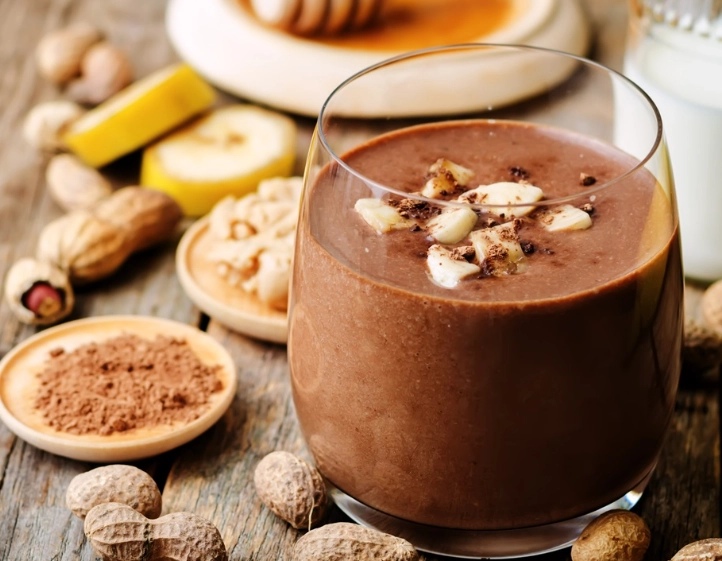
This is why peanut butter is a staple in vegan pantries and a go-to for people with lactose intolerance. It provides protein and fat without any lactose, casein, or whey—the primary components of milk that cause issues.
But if we stopped here, we'd be doing you a disservice. Relying on this basic fact is where many people, especially those new to food allergies, get tripped up. They grab a jar, see "peanuts" on the front, and don't think twice. The real world of processed food is messier.
Key Takeaway: The foundation of peanut butter is dairy-free. Your safety depends entirely on what else is added to that foundation and how it's made.
Where Dairy Might Be Hiding in Your Jar
This is the critical part. While most major brands keep their classic peanut butter dairy-free, some product lines or specialty flavors sneak in milk-derived ingredients. You have to be vigilant with:
- Flavored or Swirled Peanut Butters: This is the biggest red flag. Cookies & Cream, White Chocolate, or certain "protein" peanut butter blends often contain whey protein concentrate, milk powder, or casein to achieve that creamy, milky flavor. I once bought a "chocolate peanut butter" without looking closely, only to find whey as the third ingredient.
- "No-Stir" Natural Peanut Butters: Some brands use honey as a natural sweetener and stabilizer. While honey itself isn't dairy (it's from bees), strict vegans avoid it. It's a common oversight.
- Hydrogenated Oils & Stabilizers: These aren't dairy, but they're a reminder that the ingredient list is your first line of defense. If a brand is adding complex stabilizers, it's more likely they might also add dairy in other product lines.
Dairy Ingredients to Watch For on Labels
These are the words that mean "milk is in here":
- Whey or Whey Protein Concentrate
- Casein or Sodium Caseinate
- Milk Solids or Nonfat Dry Milk
- Lactose
- Butterfat or Milk Fat
How to Read a Label Like a Pro
Don't just glance. Follow this three-step scan every single time, even for a brand you've bought before. Recipes change.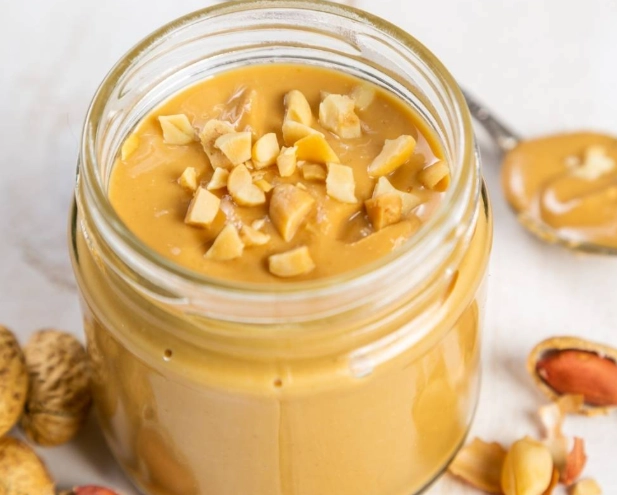
- Check the "Contains" Allergen Statement. In the US and many other countries, food labels must clearly state if they contain a major allergen like milk. This statement is usually right below the ingredient list in bold. If it says "Contains: Milk," put the jar back. It's that simple.
- Read the Full Ingredient List. Scan for the hidden dairy ingredients listed above. This is crucial for products that might have trace amounts not flagged in the allergen statement (though this is rare for major allergens).
- Look for Precautionary Allergen Labeling (PAL). This is the "May contain milk" or "Processed in a facility that also processes milk" warning. This brings us to the next big topic.
The Cross-Contamination Question
This is the grayest area and the source of most anxiety. A peanut butter might have perfectly dairy-free ingredients, but if it's made on shared equipment or in a factory that also makes products with milk, there's a tiny risk of cross-contact.
For those with a severe, anaphylactic milk allergy: You cannot ignore PAL statements. While the risk is statistically low, it is real. You must choose brands that are made in dedicated dairy-free facilities or that explicitly state they are allergen-free. For everyone else (lactose intolerance, mild sensitivity, ethical veganism), PAL statements are generally considered a minor risk you can assess based on your comfort level.
Many large manufacturers like J.M. Smucker (Jif, Smucker's) and The J.M. Smucker Company use shared lines. Their allergen guides, available online, are essential reading. Smaller, boutique brands often pride themselves on dedicated facilities. It's worth seeking them out.
A Guide to Dairy-Free Peanut Butter Brands
Here's a breakdown of some common brands and what to know. Always verify the label on the specific jar you buy.
| Brand & Product | Typical Dairy-Free Status | Key Notes & Cross-Contact Risk | Best For |
|---|---|---|---|
| Smucker's Natural (Peanuts & Salt) | Yes | Simple ingredients. According to Smucker's allergen information, their natural peanut butters are produced on lines that do not process milk. This is a big plus. | Milk allergy (check specific label), Lactose Intolerance, Vegans |
| Jif Creamy / Crunchy (Regular) | Yes* | Ingredients are dairy-free. However, Jif's allergen guide states their facilities process milk. Look for "May contain milk" on the label. Avoid Jif flavored varieties. | Lactose Intolerance, Vegans (caution for severe allergy) |
| Skippy Creamy | Yes* | Similar to Jif. The classic Skippy is made without dairy ingredients, but their parent company, Hormel, indicates shared equipment/facilities with milk. | Lactose Intolerance, Vegans (caution for severe allergy) |
| Justin's Classic Peanut Butter | Yes | Certified Vegan and Gluten-Free. Justin's is very transparent and their classic line is a safe bet. Always avoid their honey varieties if vegan. | Milk Allergy, Vegans, Allergen-Conscious |
| Crazy Richard's 100% Peanuts | Yes | Just peanuts. No salt, no oil. Often made in dedicated peanut-only facilities, but you must confirm on the specific jar's packaging. | Severe Milk Allergy, Minimalist Diets |
| Peter Pan (Original) | Yes* | Ingredients are dairy-free. Their allergen statement typically includes a "may contain milk" warning due to shared facilities. | Lactose Intolerance, Vegans (caution for severe allergy) |
My personal go-to is Smucker's Natural. The ingredient list is clean, and their specific line information gives me more confidence about cross-contact. I find Jif too sweet anyway, but that's just a taste thing.
Your Top Questions, Answered
Let's get into the specifics you might be searching for.
No, it's not an absolute guarantee. While pure peanut butter is naturally dairy-free, some brands add ingredients like whey protein, milk powder, or honey (which is not dairy but often a concern for strict vegans). The bigger risk is cross-contamination in facilities that also process milk products. If you have a severe allergy, you must look for labels like "Made in a facility that also processes milk" or choose brands with dedicated dairy-free facilities.
You need to become a label detective. First, scan the allergen statement, usually below the ingredients list. If it says "Contains: Milk," avoid it. Second, read the full ingredients list for hidden dairy like casein, lactose, or whey. Third, look for precautionary allergen labeling (PAL) such as "May contain milk" or "Processed in a facility with milk." For severe allergies, prioritize brands that explicitly state they are made in a dedicated dairy-free plant. Don't hesitate to call the manufacturer's consumer line—they have detailed allergen protocols.
For minimal risk, start with single-ingredient or "natural" varieties. Smucker's Natural (just peanuts and salt) is widely available and their production lines for this product don't handle milk. Teddie's All Natural is another great option. For certified safety, Justin's Classic Peanut Butter and Crazy Richard's 100% Peanut Butter are popular choices. For the highest standard against cross-contamination, seek out brands like Once Again Nut Butter or specific lines from Thrive Market that are made in dedicated nut-butter-only facilities. Remember, "organic" doesn't mean dairy-free.
Most plain peanut butter is vegan, as its base ingredients are peanuts, oil, and salt. However, some non-vegan pitfalls exist. Some brands add honey, which is not vegan. Others might use sugar processed with bone char (a non-vegan refining agent), though this is rare and not listed on the label. For strict vegans, the most reliable method is to choose peanut butters certified vegan by organizations like The Vegan Society or to stick with brands known for simple, plant-based ingredients. The cross-contamination issue with milk is generally not a concern for ethical vegans, only for those with allergies.
So, can you eat peanut butter on a dairy-free diet? Almost certainly yes. But the freedom comes from knowing how to choose the right jar. Skip the fancy flavors, master the three-second label scan, and understand what "may contain" means for your specific needs. That jar of peanut butter is waiting for you—just make sure it's the right one.
Reader Comments