If you're tired of boring breakfasts and need something quick, filling, and packed with protein, a Greek yogurt peanut butter smoothie is your answer. I've been making these for years, and let me tell you—it's a game-changer for busy mornings. This isn't just another recipe; it's a foolproof guide to crafting a smoothie that actually keeps you full until lunch, without the sugar crash. We'll dive into the why, how, and what-ifs, so you can skip the trial and error.
Here's What You'll Find Inside
Why This Smoothie Works: The Science Behind the Ingredients
You might think throwing yogurt and peanut butter together is simple, but there's a reason this combo rocks. It balances protein, healthy fats, and carbs in a way that fuels your body efficiently. I learned this the hard way—my early attempts were either too watery or too thick, leaving me hungry an hour later.
Greek Yogurt: The Protein Powerhouse
Greek yogurt is strained, so it has more protein and less sugar than regular yogurt. A single cup can pack up to 20 grams of protein, according to nutrition data from sources like the USDA. That's key for muscle repair and keeping you satiated. I always go for plain, non-fat versions to avoid hidden sugars. Ever tried flavored yogurts? They often add unnecessary calories—stick to plain and sweeten naturally.
Peanut Butter: Healthy Fats and Flavor
Peanut butter isn't just tasty; it's rich in monounsaturated fats and fiber. But here's a tip most blogs miss: opt for natural peanut butter without added oils or sugars. The ingredient list should just be peanuts and maybe salt. I once used a commercial brand with hydrogenated oils, and the smoothie tasted artificial. Trust me, natural makes a difference in creaminess and health benefits.
How to Make the Perfect Greek Yogurt Peanut Butter Smoothie
Let's get practical. This recipe serves one, but you can scale it up. I've tweaked it over dozens of mornings to nail the consistency and flavor.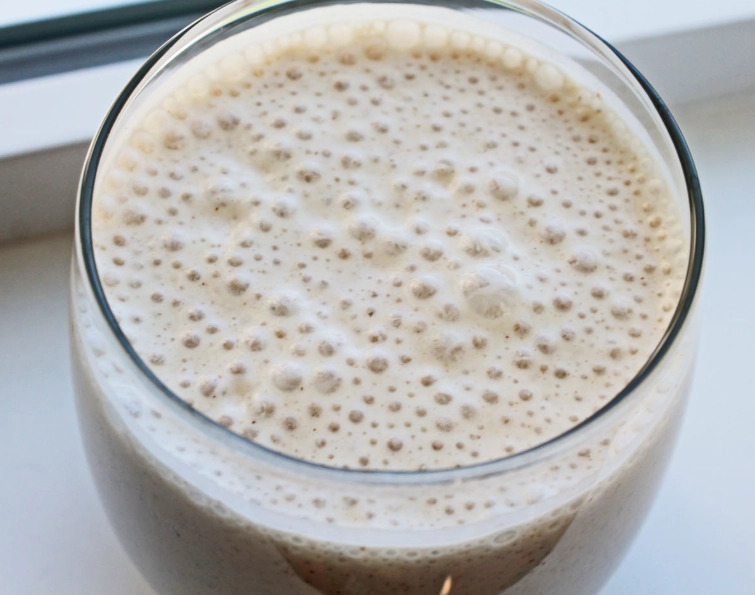
Base Recipe:
- 1 cup plain Greek yogurt (I prefer non-fat for lower calories)
- 2 tablespoons natural peanut butter
- 1 medium banana, frozen (peel and chop before freezing—saves blender stress)
- 1/2 cup unsweetened almond milk (or any milk you like)
- 1 teaspoon honey or maple syrup (optional, for sweetness)
- A pinch of cinnamon or vanilla extract for extra flavor
Step-by-Step Recipe with Pro Tips
Start by adding the liquid to your blender first—this prevents sticking. Then toss in the Greek yogurt, peanut butter, and frozen banana. Blend on high for 30-45 seconds until smooth. If it's too thick, add a splash more milk. Too thin? Throw in a few ice cubes or another tablespoon of peanut butter.
My personal hack: I freeze bananas in chunks. That way, I don't need ice, and the smoothie gets creamy without dilution. Also, blend in pulses if your blender is basic—it avoids overheating and keeps things smooth.
Common Mistakes to Avoid
I've seen people ruin this smoothie by overcomplicating it. Here are pitfalls to skip:
- Using too much peanut butter: It can overpower the flavor and add excess calories. Stick to 1-2 tablespoons.
- Skipping frozen fruit: Fresh bananas make the smoothie watery. Frozen ones add thickness naturally.
- Ignoring blender order: Adding solids first can strain your blender. Always liquid first.
- Over-sweetening: Rely on fruits like bananas or berries. Added sugars defeat the health purpose.
Once, I added a whole tablespoon of honey and regretted it—the smoothie was cloyingly sweet. Now, I taste before adding any sweetener.
Nutritional Breakdown and Health Benefits
Let's break down what you're really getting. This table estimates values for the base recipe, based on common nutrition databases like the USDA FoodData Central.
| Nutrient | Amount per Serving | Health Benefit |
|---|---|---|
| Calories | ~300-350 kcal | Provides energy without spiking blood sugar |
| Protein | 25-30 g | Supports muscle repair and keeps you full |
| Fat | 12-15 g (mostly healthy fats) | Promotes heart health and nutrient absorption |
| Carbohydrates | 30-35 g | Fuels brain and body, mainly from natural sugars |
| Fiber | 4-6 g | Aids digestion and slows digestion for sustained energy |
This smoothie is a balanced meal replacement. The protein from Greek yogurt and fats from peanut butter create a slow-release energy effect. I've found it keeps me focused through morning meetings better than coffee alone. Plus, it's rich in vitamins like B12 and magnesium.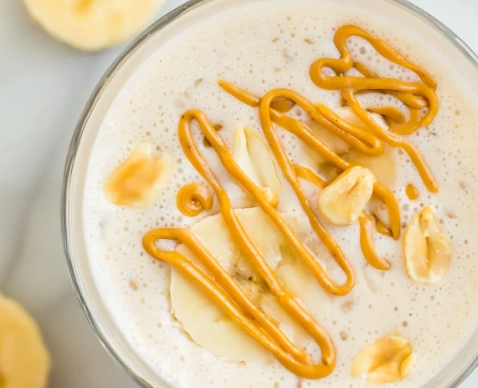
Customizing Your Smoothie: Variations for Every Taste
Don't like bananas? Allergic to peanuts? No problem. Here are some twists I've experimented with.
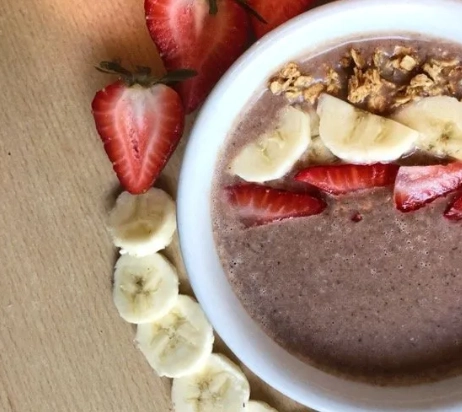
- Berry Blast: Swap banana for 1 cup frozen mixed berries. Adds antioxidants and a tart kick.
- Chocolate Lover's: Add 1 tablespoon unsweetened cocoa powder and a dash of stevia. It tastes indulgent but stays healthy.
- Green Power: Toss in a handful of spinach. You won't taste it, but you get extra iron and fiber.
- Nut-Free Option: Use sunflower seed butter instead of peanut butter. It has a similar texture but a nuttier, earthier flavor.
- Post-Workout Boost: Add a scoop of vanilla protein powder. This ups the protein to 40+ grams for recovery.
I often make the berry version for my kids—they love the color, and it sneaks in nutrients. Cost-wise, a single smoothie costs around $1.50-$2.00 if you buy ingredients in bulk, cheaper than most café options.
FAQ: Answering Your Top Questions
That wraps it up. This Greek yogurt peanut butter smoothie is more than a trend—it's a practical tool for a healthier routine. Give it a shot, tweak it to your liking, and see how it fits into your day. If you have more questions, drop a comment below. Happy blending!
Reader Comments