I used to grab peanut butter off the shelf without a second glance. Peanuts, maybe a little salt, how complicated could it be? Then one day, trying to be healthier, I actually read the peanut butter food label on the jar I'd been buying for years. The ingredient list was longer than my grocery receipt. That was the wake-up call.
Now, I spend a few extra seconds in the aisle. And you know what? It's made a huge difference. Choosing a better peanut butter isn't about some fancy diet trend; it's about understanding what you're putting in your body. The food label is your decoder ring. But let's be honest, it can feel like it's written in another language sometimes.
This guide is here to translate. We're going to walk through every part of a typical peanut butter food label, from the big, bold numbers at the top to the tiny print at the bottom. I'll share what I've learned, point out the marketing tricks (oh, there are plenty), and help you find a jar that actually matches what you want—whether that's pure simplicity, a protein punch, or just something that doesn't taste like sweetened paste.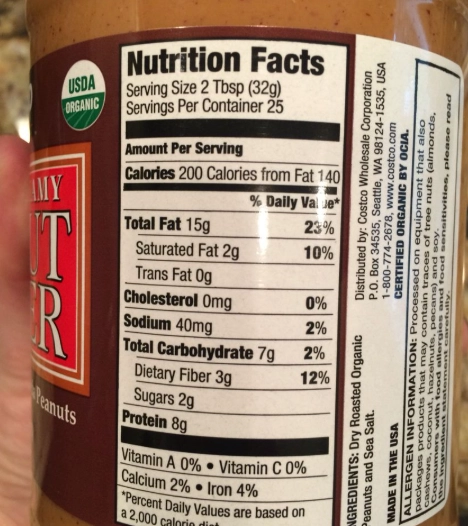
In This Guide
Cracking the Code: The Nutrition Facts Panel
This is the black-and-white box that everyone's eyes go to first. It looks official, and it is—the format is regulated by the U.S. Food and Drug Administration (FDA). But just scanning the calories isn't enough. You need to know what you're scanning for.
Serving Size: The Most Important Number You Might Miss
Everything on the label hinges on this. Companies can make a product look healthier by using a tiny, unrealistic serving size. For peanut butter, the standard is 2 tablespoons (32 grams). Seems fair, right? Well, go measure out 2 tablespoons. For a lot of us (me included, especially when making a sandwich), it's less than we'd naturally scoop out.
The takeaway?
Always check the serving size first. If you typically use more, you need to do the math. Double the serving, and you double all the numbers below it—calories, fat, sugar, everything. Don't let the first glance fool you.
Fats: The Good, The Bad, and The Ugly
Peanut butter is a high-fat food, and that's perfectly okay. In fact, it's where a lot of its health benefits come from. The key is the type of fat. Here’s a quick breakdown you’ll find on the peanut butter nutrition label:
- Total Fat: This is the sum of all fats. For a 2-tbsp serving, expect 16-18 grams in a natural variety.
- Saturated Fat: This is the one to keep an eye on. While peanuts have some natural saturated fat, a high number here might indicate the presence of unhealthy hydrogenated oils (more on that in ingredients). Aim for less than 3 grams per serving.
- Trans Fat: By law, if a serving contains less than 0.5 grams, it can be listed as "0g." This is a loophole! The only way to be sure there are zero artificial trans fats is to check the ingredients for "partially hydrogenated oils." Thankfully, these are becoming rare.
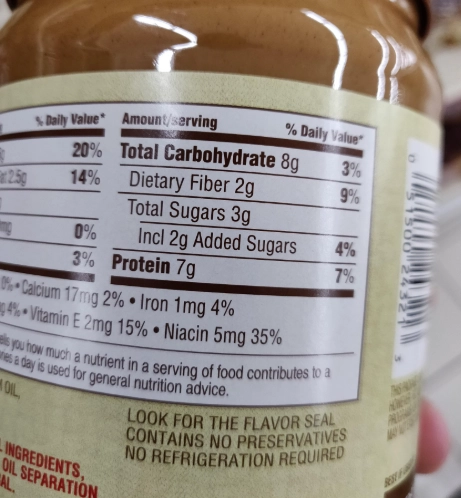
"Don't fear the total fat in a natural peanut butter. The monounsaturated and polyunsaturated fats are heart-healthy heroes. The real story is often in the 'Added' line right below."
Sugar: The Sneaky Saboteur
This is arguably the most critical line on the peanut butter food label. The "Total Sugars" line is now broken into two parts:
- Includes Xg Added Sugars: This is your red flag. Pure peanuts blended with a little salt contain only naturally occurring sugars (about 1-2g). Any number above that is added—think cane sugar, maple syrup, molasses. Some popular brands add 3-4 grams per serving. That's nearly a whole teaspoon of sugar in two spoonfuls!
- Total Sugars: This is the sum of natural and added sugars.
Protein, Fiber, and the Rest
Peanut butter is a decent source of plant-based protein, usually offering 7-8 grams per serving. That's a solid amount for helping you feel full. Fiber is another win, typically around 2-3 grams. It's not a fiber superfood, but every bit helps.
The micronutrients at the bottom (like Potassium, Calcium, Iron) are usually not significant in peanut butter, except for one: sodium. Salt is added for flavor and preservation. "No Salt Added" varieties might have 0-5mg, while regular ones can range from 80mg to 150mg per serving. If you're watching your sodium intake, this is a line to note.
The Ingredient List: Where the Truth Lives
If the Nutrition Facts are the "what," the ingredient list is the "why." It's listed in descending order by weight. The first ingredient is what the product contains the most of.
The gold standard?
Peanuts. That's it. Maybe Peanuts and Salt. If you see a jar with just those one or two ingredients, you've found a real, whole-food peanut butter. The oil separation at the top? That's normal—just stir it in. It's a sign of no artificial stabilizers.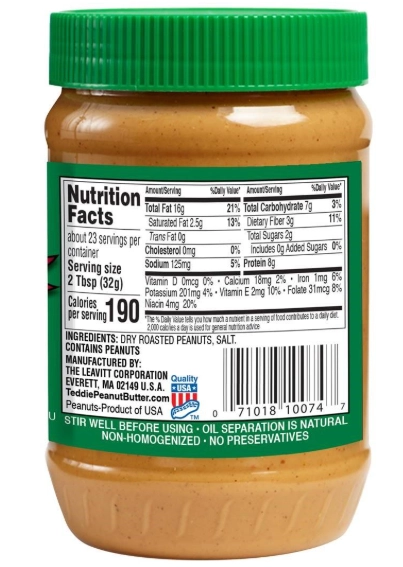
Common Additives and What They Mean
Here’s where reading the peanut butter food label gets real. Many big-brand, "commercial" peanut butters contain extras to alter texture, shelf-life, and taste. Let's decode them:
| Ingredient | Why It's Added | What to Think |
|---|---|---|
| Hydrogenated or Partially Hydrogenated Oils | Prevents oil separation, creates a creamy, spreadable texture straight from the fridge. Increases shelf life. | Avoid. These are sources of artificial trans fats, which are terrible for heart health. This is my number one deal-breaker. |
| Palm Oil | Same as above—a stabilizer to prevent separation. | Controversial. It's a natural, non-trans-fat oil, but its production raises major environmental (deforestation) and ethical concerns. I avoid it for this reason. |
| Sugar (Cane Sugar, Dextrose, Corn Syrup Solids) | Sweetens the product, making it more palatable, especially to kids. | Unnecessary in my book. Peanuts are deliciously rich on their own. Adds empty calories. |
| Mono- and Diglycerides | Emulsifiers that keep the oil and solids mixed. | Processed additives. While generally recognized as safe, they signal a highly processed food. I prefer the simple stir. |
Beyond the Basics: Other Label Claims
The front of the jar is a marketing playground. Here’s what those buzzwords often mean in the context of a peanut butter label.
"Natural"
This term is surprisingly unregulated by the FDA for peanut butter specifically. Often, it just means no artificial colors or flavors. A "natural" peanut butter can still contain added sugar, palm oil, and hydrogenated oils. Never trust the front. Always verify with the ingredient list on the peanut butter food label.
"Organic"
This is a USDA-regulated term. It means the peanuts were grown without synthetic pesticides and fertilizers. It says nothing about the nutritional profile. An organic peanut butter can still be loaded with added sugar. However, if avoiding pesticides is important to you, this label matters. Look for the USDA Organic seal.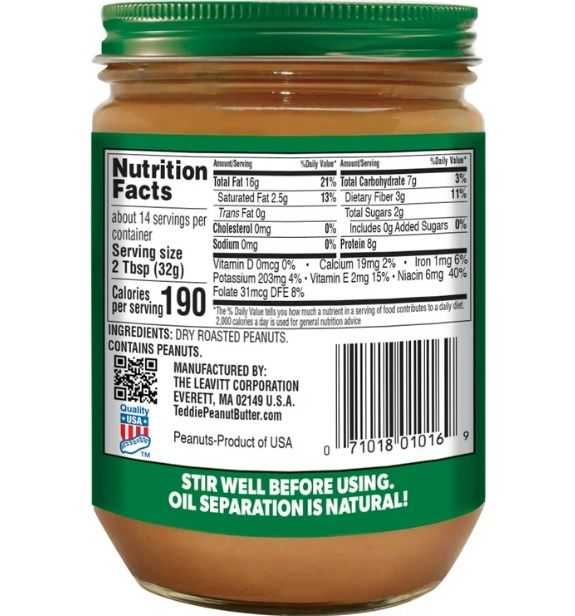
"No Stir" or "Creamy"
This almost always means stabilizers (like hydrogenated or palm oils) have been added to prevent the natural oil separation. If you see "no stir" and the ingredient list is just peanuts and salt, you've found a rare gem—they may use a special grinding process.
Your Practical Guide: How to Choose Your Perfect Jar
Let's put this all together. Here’s my mental checklist when I'm facing the wall of jars. It takes 30 seconds, max.
- Flip the jar over. Ignore the pretty front.
- Scan the Ingredient List. Look for: Just peanuts. Or peanuts and salt. If the list is longer, ask yourself if each item is something you'd keep in your own kitchen.
- Check the Added Sugars. Aim for 0g. Accept no more than 1-2g if you must have a hint of sweetness.
- Glance at Saturated Fat. Should be low (under 3g). A high number suggests unwanted oils.
What about texture? If you hate stirring, look for brands that use a small amount of sustainable palm fruit oil (some do it ethically) or simply store your natural peanut butter upside down. The oil redistributes as it sits.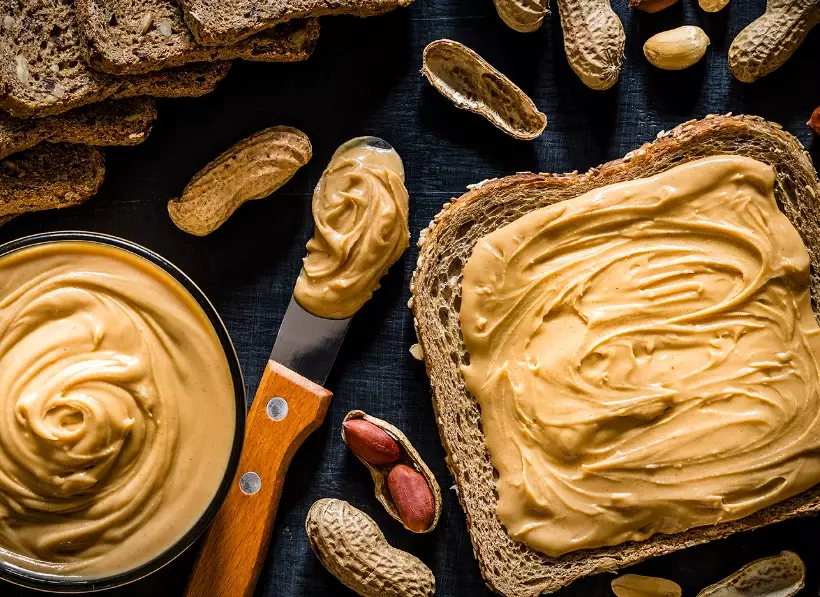
Frequently Asked Questions About Peanut Butter Labels
I get a lot of questions from friends about this stuff. Here are the most common ones.
Is the oil on top of natural peanut butter bad?
Not at all! That's just the natural peanut oil rising to the top. It's a sign of a pure product with no stabilizers. Just stir it back in thoroughly when you first open it. For easier stirring, let the jar sit at room temperature for a bit, or use a butter knife or a dedicated mixer.
What's the healthiest type of peanut butter?
The healthiest peanut butter, from a whole-food perspective, is the one with the shortest ingredient list: just peanuts. This gives you all the healthy fats, protein, fiber, and nutrients without any added sugars, unhealthy fats, or unnecessary additives. The American Heart Association recommends choosing foods with healthy fats, like those found in nuts and seeds.
Why do some peanut butters have more protein than others?
It usually comes down to the peanut variety and how finely it's ground. The differences are minor (a gram or two). If a brand boasts "high protein," check if they've added protein powder or other ingredients. You're better off getting protein from the whole peanuts themselves.
How should I store peanut butter?
Natural peanut butter (just peanuts) can be stored at room temperature after the first stir to prevent re-separation, but many prefer to refrigerate it to keep the oils from separating again and to extend freshness. Commercial, stabilized peanut butter can be stored in the pantry. Check the label for specific guidance—the peanut butter food label often says "Refrigerate After Opening" for natural types.
What does "Non-GMO" mean on a peanut butter label?
It means the peanuts used are not genetically modified. It's a process claim, not a nutrition claim. Most peanuts grown in the U.S. are not GMO to begin with, but the label provides assurance for those seeking it. The USDA has a process for verifying this claim.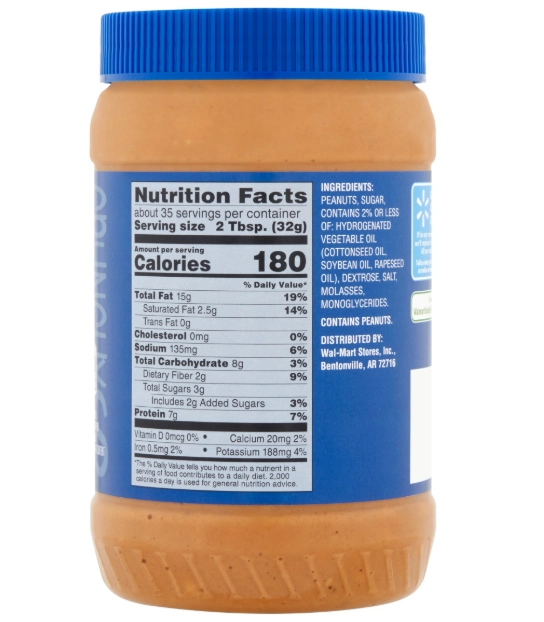
Putting It Into Practice
Look, I'm not saying you should never eat the sweet, super-creamy stuff. Sometimes that's exactly what you want for a specific treat or recipe. The point of understanding the peanut butter food label is to make an informed choice.
Most days, for my morning toast or apple slices, I want the clean fuel of pure peanuts. Knowing how to read the label lets me find it quickly, bypassing the marketing noise. It turns a confusing wall of options into a simple selection.
Next time you're shopping, try it. Pick up your usual jar and a "peanuts only" jar. Compare their labels side-by-side. The difference in the ingredient list alone might surprise you. That knowledge is powerful—it's what turns a grocery chore into a conscious choice for your health.
And honestly, once your taste buds adjust to the rich, real peanut flavor without the extra sugar, it's hard to go back. The other stuff just starts to taste... fake.
Reader Comments