Pretzels and peanut butter are the ultimate salty-sweet combo that can be healthy, delicious, and endlessly customizable. Here’s everything you need to know to elevate this simple snack from boring to brilliant. I’ve spent years experimenting with different brands, recipes, and techniques—let me save you the trial and error.
Your Quick Snack Guide
How to Create the Perfect Pretzels and Peanut Butter Pairing
It sounds simple, but getting the right balance makes all the difference. Most people just grab whatever’s in the pantry, but that’s where they go wrong.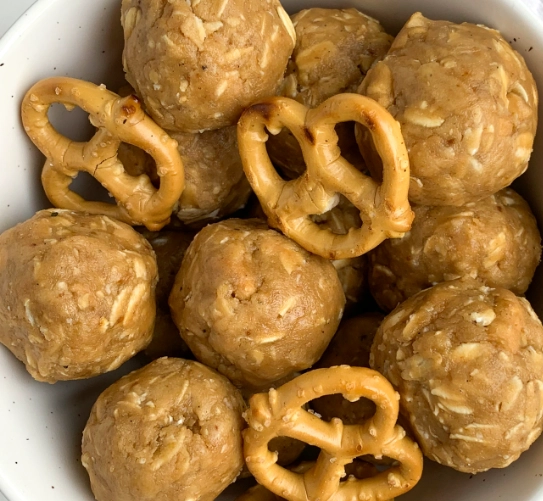
Choosing the Right Pretzels
Not all pretzels are created equal. For dipping, you need something sturdy. Thin sticks break too easily, especially with thick peanut butter. I’ve found that twisted pretzels or rods work best—they have more surface area and hold up well. Brands like Snyder’s of Hanover Pretzel Rods are my go-to; they’re crunchy without being too hard.
If you’re health-conscious, opt for whole-grain or low-sodium pretzels. They add fiber and cut down on salt, which matters if you’re watching your intake. A little secret: toasting pretzels lightly in the oven for 5 minutes at 350°F enhances their crunch and prevents sogginess when paired with peanut butter.
Selecting Your Peanut Butter
This is where personal preference kicks in, but there’s a science to it. Natural peanut butter (just peanuts and salt) is healthier, but it can be runny. Creamy peanut butter spreads easier, while crunchy adds texture. I prefer natural creamy for dipping—it sticks better and has a richer flavor.
Avoid sugary varieties like those with added honey or chocolate if you want to keep it healthy. They can overpower the pretzel’s saltiness. From my tests, brands like Smucker’s Natural Peanut Butter or Teddie’s All Natural work well because they’re not too oily.
Here’s a pro move: if your peanut butter is too thick, microwave it for 10 seconds. It becomes dippable without losing consistency.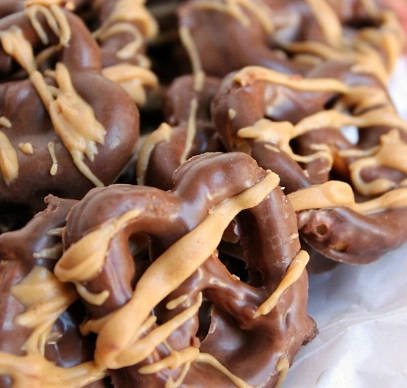
Nutrition Facts: Is It a Healthy Snack?
Let’s cut through the noise. Yes, pretzels and peanut butter can be healthy, but it depends on how you approach it. According to the USDA FoodData Central, peanut butter is rich in protein, healthy fats, and vitamins like E. Pretzels provide carbs for energy.
But portion control is key. A typical serving: 10 pretzel sticks (about 30g) and 1 tablespoon of peanut butter (16g). That’s roughly 150 calories, 6g of protein, 8g of fat (mostly unsaturated), and 15g of carbs. Compare that to a bag of chips, and you’re getting more nutrition per bite.
Quick comparison: I used to snack on candy bars until I switched to this combo—it kept me full longer and reduced my afternoon crashes. For weight loss, it’s a solid option if you stick to small portions.
Here’s a table breaking down the nutrition for common pairings:
| Component | Calories | Protein (g) | Fat (g) | Carbs (g) |
|---|---|---|---|---|
| 10 Pretzel Sticks | 110 | 2 | 1 | 23 |
| 1 Tbsp Natural Peanut Butter | 90 | 4 | 8 | 3 |
| Total | 200 | 6 | 9 | 26 |
Note: Numbers are approximate based on USDA data. Whole-grain pretzels might have more fiber.
If you’re active, this snack is great pre-workout—it gives a quick energy boost without weighing you down. I’ve recommended it to clients as a post-run refuel, and they love how simple it is.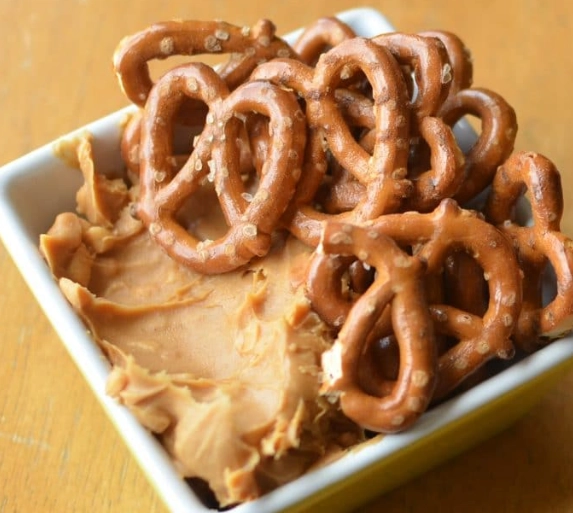
5 Creative Ways to Enjoy Pretzels and Peanut Butter
Bored of plain dipping? These ideas will spice things up. I’ve tried them all at parties and family gatherings—they never fail.
1. Peanut Butter Pretzel Bites: Sandwich peanut butter between two pretzels, dip in melted dark chocolate, and freeze for 10 minutes. It’s like a homemade candy bar but better. Use mini pretzels for bite-sized treats.
2. Sweet and Savory Trail Mix: Combine pretzels, peanut butter chips, dried fruit (like raisins or cranberries), and a handful of nuts. Toss with a drizzle of honey. Perfect for hiking—I pack this on every trip.
3. Pretzel and Peanut Butter Smoothie Bowl: Blend peanut butter with banana and Greek yogurt, top with crushed pretzels for crunch. Sounds weird, but the saltiness balances the sweetness. My kids devour this for breakfast.
4. DIY Snack Station: Set out different peanut butter flavors (e.g., cinnamon, honey), pretzel types, and toppings like coconut flakes or mini chocolate chips. Let people build their own. It’s a hit at gatherings—I did this last Christmas, and guests raved about it.
5. Baked Peanut Butter Pretzel Bars: Mix crushed pretzels with peanut butter, oats, and a touch of maple syrup, press into a pan, and bake at 350°F for 15 minutes. Cut into bars. They’re chewy, crunchy, and store well for days.
Each of these takes less than 15 minutes to make. The key is experimenting—don’t be afraid to add a pinch of sea salt on top for extra pop.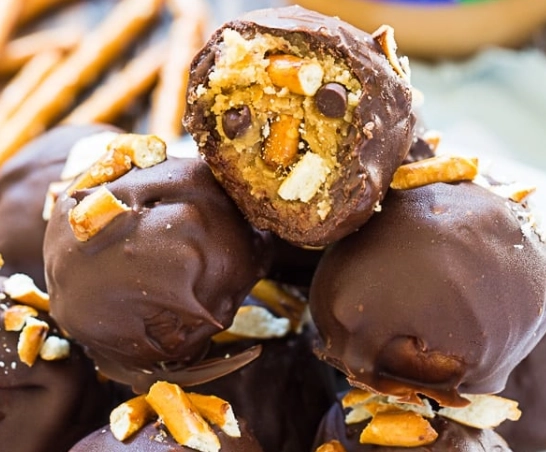
Buying Guide: Top Pretzel and Peanut Butter Brands
Not all products are equal. Based on my taste tests and nutrition reviews, here are the standouts.
For Pretzels:
- Snyder’s of Hanover Pretzel Rods: Crunchy, low breakage, available at most grocery stores for around $3 per bag. Their whole-grain version is a healthier pick.
- Utz Specials Sourdough Pretzels: Tangy flavor that pairs well with peanut butter’s richness. Priced at $2.50-$4, depending on size. Find them in the snack aisle or online.
- 365 by Whole Foods Market Organic Pretzels: No artificial ingredients, lower sodium. About $4 per bag. Ideal if you’re avoiding additives.
For Peanut Butter:
- Smucker’s Natural Peanut Butter: Creamy texture, no added sugar. Around $5 per jar. Stir well before use—it separates naturally.
- Justin’s Classic Peanut Butter: Smooth and easy to spread, though pricier at $6-$7. Available in squeeze packs for on-the-go snacking.
- Jif Natural Creamy Peanut Butter: A bit sweeter but still decent nutrition. About $4.50. Good for those transitioning from sugary brands.
Where to buy: Most major retailers like Walmart, Target, or Amazon carry these. Check local health food stores for specialty options. I often stock up during sales—peanut butter lasts months unopened.
Avoid generic brands that use hydrogenated oils; they add unhealthy trans fats. Read labels: ingredients should list peanuts first, not sugar or palm oil.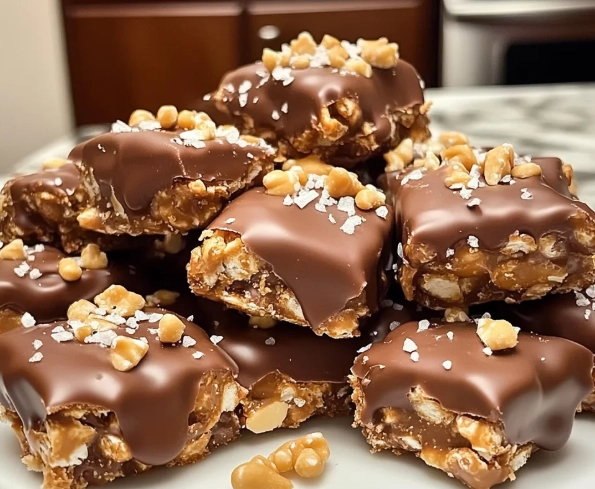
Common Mistakes and Pro Tips from a Decade of Snacking
I’ve seen people ruin this combo with simple errors. Here’s how to avoid them.
Mistake 1: Using too much peanut butter. It overpowers the pretzel and makes a mess. A thin layer is enough—think of it as a coating, not a glob. I use a butter knife to spread it evenly.
Mistake 2: Storing them together prematurely. If you make ahead, keep pretzels and peanut butter separate until serving. Otherwise, pretzels get soggy. A friend once brought a mixed batch to a picnic, and it was a mushy disaster.
Mistake 3: Ignoring temperature. Peanut butter spreads better at room temperature. If it’s cold from the fridge, let it sit out for 30 minutes. Conversely, in hot weather, refrigerate after dipping to prevent melting.
Pro Tip: Add a dash of cinnamon or cocoa powder to peanut butter for a flavor twist. It’s a subtle change that elevates the whole experience. I learned this from a chef friend—it works wonders.
Another thing: don’t dismiss gluten-free or vegan options. Brands like Simple Mills Almond Flour Pretzels paired with peanut butter are great for dietary restrictions. I’ve served them to guests with allergies, and no one noticed the difference.
Frequently Asked Questions
Pretzels and peanut butter are more than a quick bite—they’re a versatile snack that can fit into any lifestyle. With these tips, you’ll never look at them the same way again. Go ahead, grab a pretzel, dip it, and enjoy the salty-sweet magic.
Reader Comments