Peanut butter fudge with marshmallow fluff isn't just another dessert—it's the creamy, dreamy treat that disappears faster than you can make it. I've been perfecting this recipe for over a decade, and let me tell you, most online guides miss the mark on texture. Too grainy, too hard, too sweet. This version fixes all that. It's foolproof, uses simple ingredients, and delivers that melt-in-your-mouth feel every time.
What You'll Find Inside
Ingredients for Peanut Butter Fudge with Marshmallow Fluff
Getting the right ingredients is half the battle. Don't skimp here. I learned the hard way that using off-brand marshmallow fluff can lead to a runny mess. Stick with name brands like Jet-Puffed for consistency.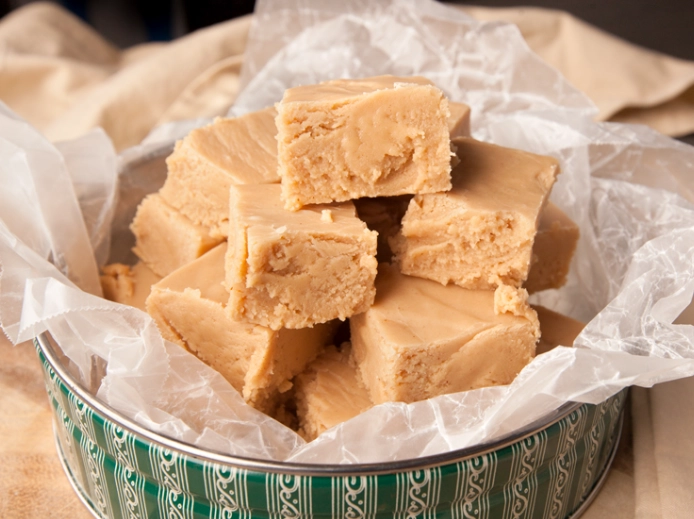
| Ingredient | Quantity | Notes |
|---|---|---|
| Granulated sugar | 2 cups | White sugar works best; avoid brown sugar for this recipe. |
| Evaporated milk | 3/4 cup | Not condensed milk—big difference! Evaporated milk has less sugar. |
| Butter | 1/2 cup (1 stick) | Unsalted, softened. Salted butter can throw off the flavor balance. |
| Marshmallow fluff | 7 oz jar (about 1 cup) | Use fresh fluff; if it's dried out, the fudge won't set properly. |
| Creamy peanut butter | 1 cup | Go for commercial brands like Jif or Skippy. Natural peanut butter tends to separate. |
| Vanilla extract | 1 teaspoon | Pure extract, not imitation, for better flavor depth. |
| Salt | 1/4 teaspoon | Enhances the sweetness and peanut butter taste. |
You'll also need an 8x8 inch baking pan, lined with parchment paper. Grease it lightly—trust me, it makes cleanup a breeze.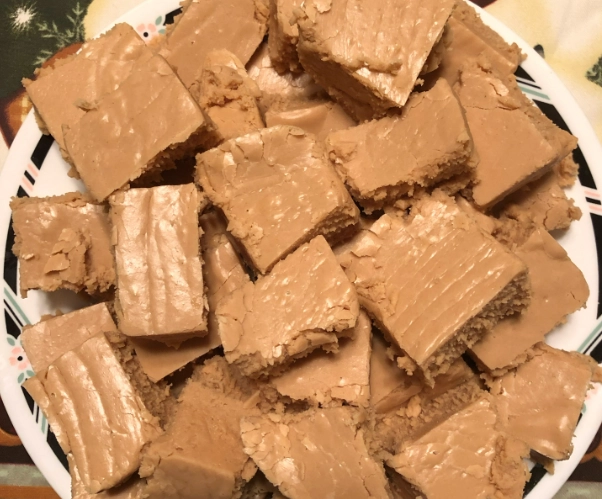
The Step-by-Step Process (No Guesswork)
This isn't a dump-and-stir recipe. Fudge is a candy, and candy requires precision. But don't worry, I'll walk you through it.
Step 1: Prep Your Station
Before you turn on the stove, measure everything. Have all ingredients ready by the pot. I once burned the sugar because I was scrambling for the peanut butter. Not fun.
Step 2: Cook the Sugar Mixture
In a heavy-bottomed saucepan (like a Dutch oven), combine sugar, evaporated milk, and butter. Heat over medium heat, stirring constantly until the sugar dissolves. Then, stop stirring. Let it come to a boil. Attach a candy thermometer—this is non-negotiable. Cook until it reaches 235°F (soft-ball stage). This takes about 10-12 minutes. If you don't have a thermometer, see the FAQ for alternatives, but I don't recommend it.
Step 3: Incorporate Marshmallow Fluff and Peanut Butter
Remove from heat immediately. Add the marshmallow fluff, peanut butter, vanilla, and salt. Stir gently with a wooden spoon until smooth. Don't overmix! Over-stirring causes sugar crystals to form, making the fudge grainy. Just fold until everything is combined.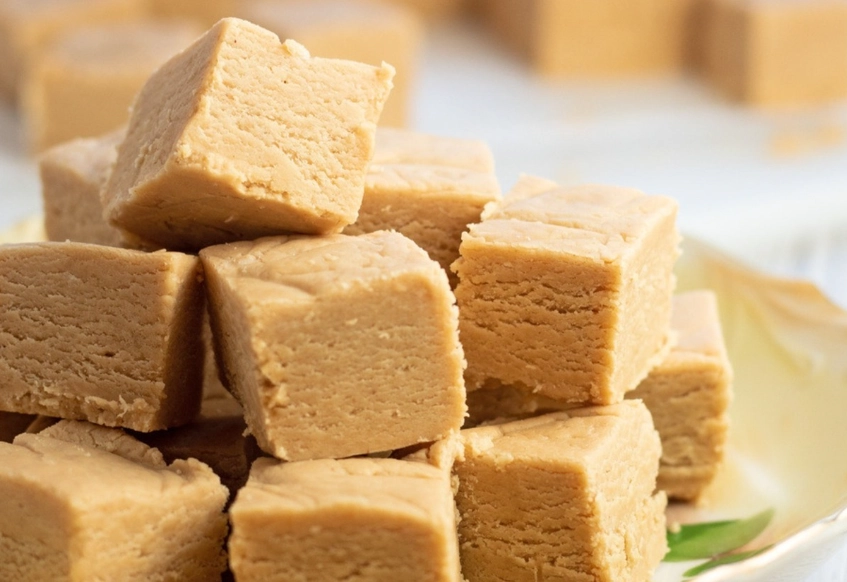
Step 4: Set and Cut
Pour the mixture into the prepared pan. Smooth the top with a spatula. Let it cool at room temperature for 2 hours, then refrigerate for another hour to firm up. Cut into 1-inch squares. If you cut too early, it'll crumble.
I made this last Christmas, and my family demolished it in minutes. The key is patience during cooling.
Pro Tips for Perfect Fudge Texture
Here's where most recipes fall short. They don't talk about the nuances.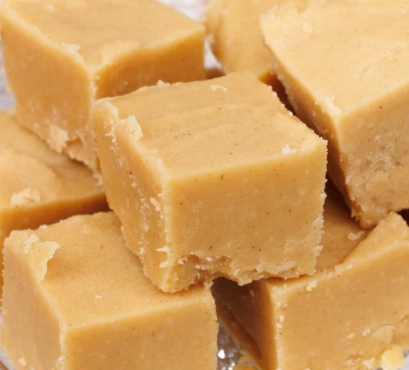
Temperature is Everything: 235°F is ideal. Go to 240°F, and the fudge hardens; at 230°F, it stays too soft. Use a calibrated thermometer. I test mine in boiling water—it should read 212°F at sea level.
Stirring Technique: After adding peanut butter, stir in a figure-eight motion gently. No vigorous beating. This prevents air bubbles that can ruin the smooth texture.
Peanut Butter Choice: Avoid natural or crunchy peanut butter. The oil separation in natural types makes the fudge greasy, and crunchy bits disrupt the creaminess. Stick with creamy, stabilized brands.
According to the National Peanut Board, peanut butter is a good source of protein, but for fudge, we care more about consistency than nutrition. Their website has great info on peanut varieties, but for recipes, trust experience.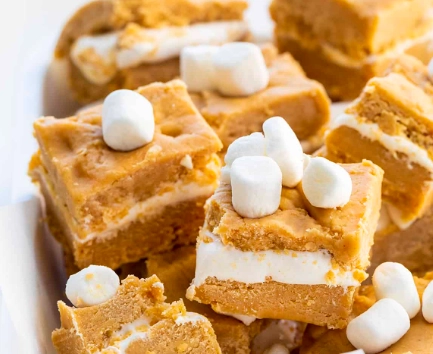
Common Mistakes I've Made (So You Don't Have To)
Let's get real. I've botched this fudge more times than I care to admit. Here are the big ones.
- Using a Thin Pot: A thin saucepan heats unevenly, leading to scorched sugar. Invest in a heavy pot. It distributes heat better.
- Ignoring Humidity: On rainy days, fudge can take longer to set. If it's humid, extend the cooling time in the fridge. I learned this after a summer batch turned into goo.
- Substituting Ingredients Willy-Nilly: Marshmallow creme isn't the same as fluff—it has more stabilizers and can alter texture. Stick to fluff. And no, you can't use almond butter unless you're ready for a different dessert.
One time, I added extra marshmallow fluff thinking it'd be fluffier. Big mistake. It never set, and I had to eat it with a spoon. Not terrible, but not fudge.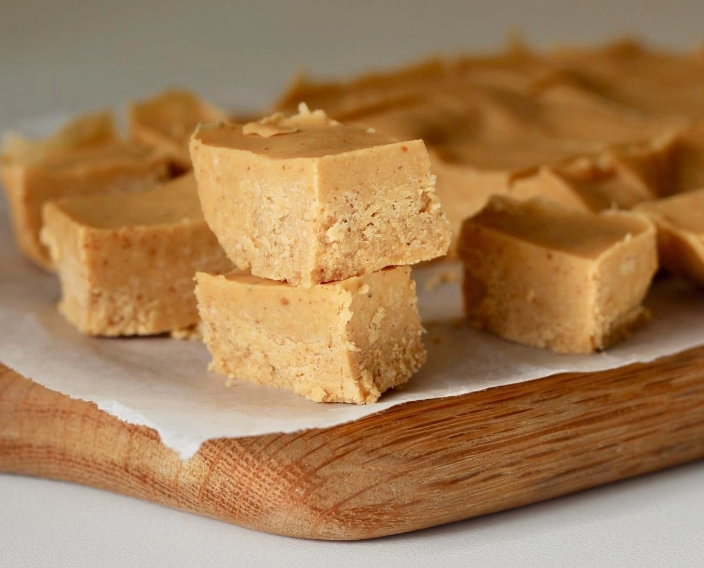
Your Burning Questions Answered
That's it! Give this recipe a try, and tweak it to your taste. Maybe add a pinch of sea salt on top for contrast. Let me know how it goes—I love hearing your stories. Happy fudge-making!
Reader Comments