You grab a spoonful of peanut butter, maybe for toast, maybe straight from the jar (we've all been there). You know it's got protein and healthy fats, but what about fiber? Is peanut butter high in fiber? The short answer is it's a moderate source, but the real answer is more interesting. The fiber content in peanut butter isn't a fixed number—it swings wildly based on one crucial factor most people overlook.
I've spent years comparing nutrition labels in the grocery aisle, and I've seen peanut butters range from a mere 1 gram to over 3 grams of dietary fiber per serving. That difference matters if you're trying to manage blood sugar, feel full longer, or support your gut health.
Quick Navigation: What's Inside?
Why Bother with Fiber in Peanut Butter?
Let's be clear. No one eats peanut butter solely for its fiber content. You eat it for the taste, the creamy (or crunchy) texture, and the satisfying protein-fat combo. But the fiber it does contain plays a sneaky-important role.
Fiber slows down digestion. When you pair the fats in peanut butter with its fiber, you get a slower, more steady release of energy. That means you avoid the sugar spike and crash you might get from a more refined snack. It's the difference between feeling satisfied for hours and rummaging through the pantry 45 minutes later.
Furthermore, that fiber feeds the good bacteria in your gut. A healthy gut microbiome is linked to everything from better immunity to improved mood. So, while you're enjoying your PB&J, you're potentially doing your gut a small favor too.
Peanut Butter Fiber Content: By The Numbers
Okay, let's get to the data. The standard serving size for peanut butter is 2 tablespoons (about 32 grams). Here’s how fiber stacks up across the main types you'll find, based on my analysis of dozens of brands and the USDA's FoodData Central database.
>| Type of Peanut Butter | Approx. Fiber per 2 Tbsp | Key Characteristics | Example Brands (for reference) |
|---|---|---|---|
| Natural / Old-Fashioned (with skins) | 2 - 3 grams | Oil separates on top, ingredients: peanuts (& salt). Often includes more of the peanut skin. | Many store-ground options, some artisanal brands. |
| Natural (No-Stir) | 1.5 - 2.5 grams | Contains palm fruit oil to prevent separation. Slightly more processed, may have less skin. | Justin's, Crazy Richard's |
| Conventional Processed | 1 - 2 grams | Homogenized, creamy, with added sugars & hydrogenated oils. Skins often removed. | Jif, Skippy, Peter Pan |
| Powdered Peanut Butter | 2 - 4 grams | Fat removed, so fiber is more concentrated per serving. Must be reconstituted with water. | PB2, PBfit |
See the pattern? The less processed and the closer you are to the whole peanut—skin included—the higher the fiber in peanut butter tends to be. That 1-gram difference between a conventional jar and a natural one might seem small, but over a week, it adds up.
A common mistake is assuming "crunchy" means more fiber. It doesn't. The fiber content between smooth and crunchy versions of the same brand is virtually identical. The crunch is just chopped peanuts added at the end; it doesn't change the fundamental grind that determines fiber.
Where Does the Fiber Actually Come From? (The Skinny on Skins)
This is the part most articles miss. The fiber isn't just randomly in the peanut paste. A significant portion comes from the thin, papery red-brown skin that coats each peanut kernel—the testa.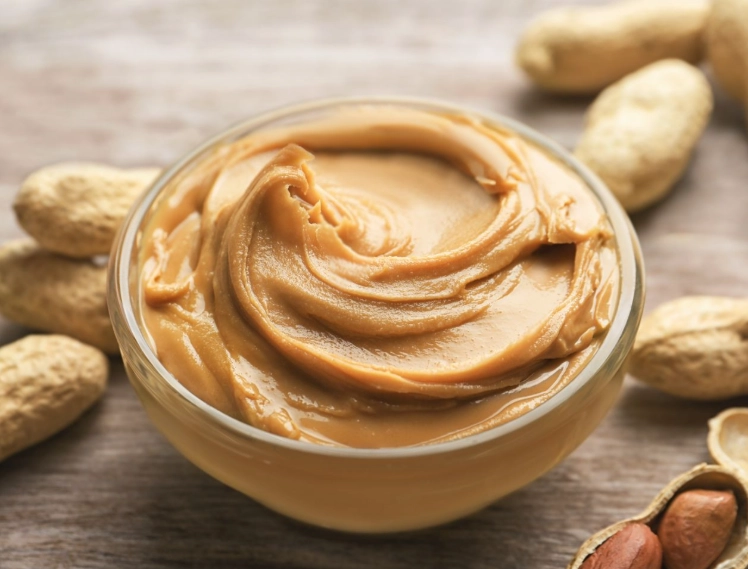
Large-scale manufacturers aiming for that ultra-smooth, perfectly beige texture often remove these skins before grinding. They're considered a byproduct. But that byproduct is packed with dietary fiber and antioxidants.
Smaller brands and old-fashioned grinders often leave the skins on. That's why their peanut butter has a darker color, a slightly more robust (some say bitter) flavor, and a higher fiber count. The skin gets ground right in.
I learned this the hard way. I once bought a "gourmet" peanut butter that was incredibly smooth and light in color. The fiber content was pitiful—1 gram per serving. It tasted like sweetened peanut-flavored shortening. Now, I look for a product with a slightly grainy texture and a deeper tan color; it's a visual cue that more of the whole peanut, skin included, is in the jar.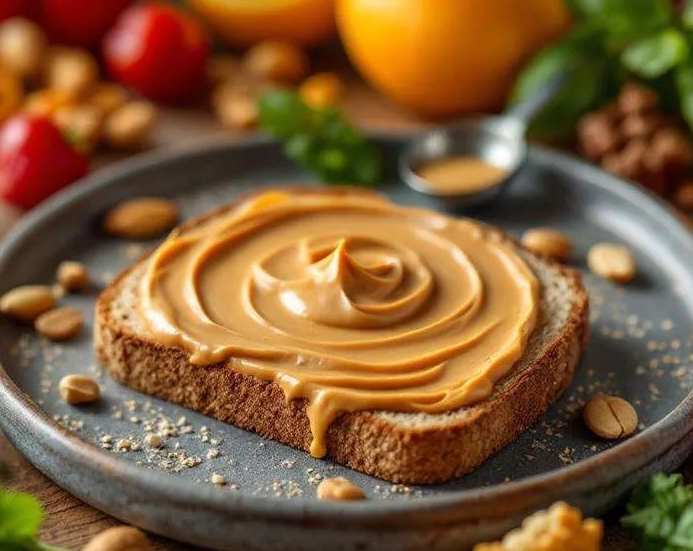
The "Added Fiber" Trend: Buyer Beware
Walk down the health food aisle, and you might see peanut butter spreads boasting "High in Fiber!" or "10g of Protein & Fiber!". Check the ingredients. Many achieve this by blending in isolated fibers like chicory root fiber (inulin) or tapioca fiber.
There's nothing inherently wrong with added fiber, but it's different. Some people find that large amounts of inulin cause significant bloating and gas. If your goal is to get nutrients from whole peanuts, a peanut butter that gets its 3 grams of fiber naturally from peanut skins is a more whole-food choice.
How to Use Peanut Butter to Boost Your Fiber Intake (Real-World Strategies)
Thinking of peanut butter as a fiber supplement is the wrong approach. Think of it as a fiber multiplier.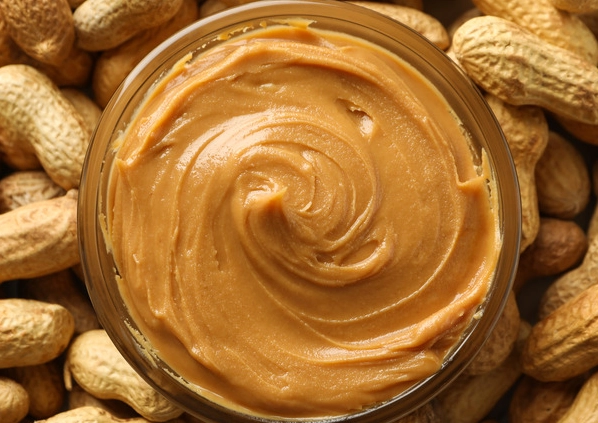
On its own, 2-3 grams is okay. But its magic is in making other high-fiber foods irresistible. Here’s how I use it:
The Power Combo: Spread 2 tbsp of natural peanut butter (2.5g fiber) on a slice of whole-grain rye bread (4-5g fiber). You've just created a snack with 6.5-7.5 grams of fiber, plus healthy fats and protein to keep you full. That's a quarter of your daily needs in one delicious slice.
The Breakfast Boost: Stir a tablespoon into your morning oatmeal. Oats are a great fiber source (4g per half-cup dry). The peanut butter makes them creamy and adds staying power. Throw in some chia seeds or berries for another fiber bump.
The Veggie Vehicle: This is a game-changer for getting more veggies. Use peanut butter as the base for a satay-style dipping sauce for raw bell peppers, broccoli, or cucumber slices. You're pairing the fiber in the peanut butter with the fiber in the vegetables.
The point is synergy. Don't just count the grams in the jar. Think about what you're pairing it with.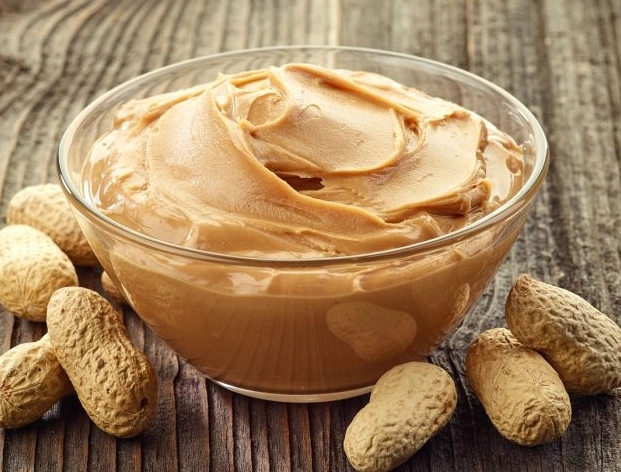
Your Peanut Butter Fiber Questions, Answered
So, how much fiber is in peanut butter? It's a range, not a single number. Aim for natural varieties where you can see a bit of texture, and use that peanut butter as a tool to build genuinely fiber-rich meals and snacks. Your gut—and your taste buds—will thank you.
Next time you're at the store, flip the jar and look past the marketing. Check the fiber line, but also scan the ingredients. A short list and a decent fiber count usually mean you've found a winner.
Reader Comments