Quick Navigation
- Why This Combo is a Nutritional Powerhouse (It's Not Just Taste)
- The Foundation: Mastering the Basic Peanut Butter Banana Smoothie
- Level Up: Choosing Your Liquid Base (It's a Game Changer)
- Beyond Basic: Flavor & Function Variations
- Troubleshooting: Fixing Your Smoothie Fails
- Answering Your Peanut Butter Banana Smoothie Questions
- Putting It All Together: Your Smoothie Strategy
Let's be real. You've probably tried making a peanut butter banana smoothie before. Maybe it turned out great. More likely, it was either too thick to drink, weirdly watery, or just kind of... bland. I've been there. I've made smoothies that could double as mortar and others that were basically sweetened milk. It's frustrating.
But when you get it right? It's magic. A creamy, satisfying, almost milkshake-like treat that actually fuels your body. That's why I became a bit obsessed with perfecting this particular blend. This isn't about throwing three ingredients in a blender. It's about understanding why they work and how to make them work for you, every single time.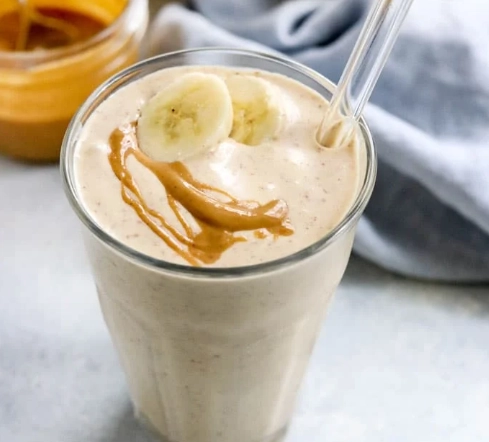
So, whether you're looking for a quick breakfast, a post-workout refuel, or just a delicious snack, this guide is your deep dive. We'll go beyond the basic recipe—we'll explore the science of the blend, troubleshoot the common disasters, and unlock a world of variations. Forget the guesswork.
Why This Combo is a Nutritional Powerhouse (It's Not Just Taste)
Sure, it tastes like dessert. But the beauty of a well-made peanut butter banana smoothie lies in its balance. It's a classic example of food synergy, where the components work together better than they would alone.
Think about it. The banana brings quick-digesting carbohydrates and natural sweetness. Peanut butter contributes healthy fats, plant-based protein, and fiber. Together, they create a slow-release energy effect. The carbs give you an initial boost, while the fats and protein keep you full and your blood sugar stable for hours. It's the opposite of a sugary crash.
Let's break down the key players:
- The Banana: Beyond potassium (great for muscle function), it's a source of vitamin B6 and vitamin C. Its natural sugars provide immediate fuel, and its creamy texture when frozen is irreplaceable. A ripe banana with brown spots is sweeter and easier to digest, which is perfect for a smoothie.
- The Peanut Butter: This is where quality is non-negotiable. You want the kind where the ingredients list just says "peanuts" (and maybe salt). Avoid the jars with added sugars, hydrogenated oils, and emulsifiers. Real peanut butter gives you monounsaturated fats (heart-healthy), protein (about 7-8 grams per two tablespoons), and fiber. The American Heart Association highlights the benefits of these unsaturated fats.
- The Liquid Base: Often overlooked, this is your texture commander. Your choice here can drastically alter the nutritional profile. More on this in a bit.
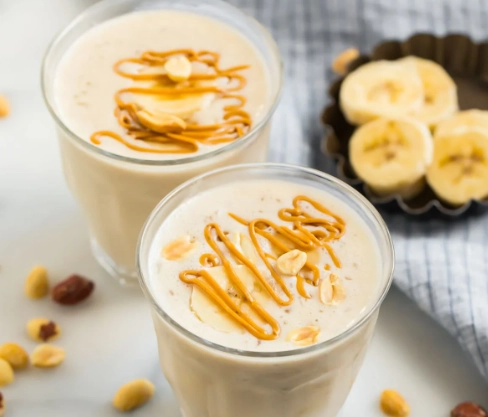
Is it a complete meal? For some people, as a light breakfast or snack, absolutely. If you're having it post-workout or need more staying power, that's where our variations and add-ins come in.
The Foundation: Mastering the Basic Peanut Butter Banana Smoothie
This is your blueprint. Master this, and the whole smoothie world opens up. I recommend using a high-speed blender if you have one, but a regular one will work if you follow the tips.
Ingredients & The Why Behind Them
For one generous serving:
- 1 medium ripe banana, frozen: Frozen is key. It gives you a thick, creamy, cold texture without diluting with ice. No ice cream needed! Peel and slice bananas before freezing on a tray for at least 3 hours.
- 2 tablespoons of natural peanut butter: Creamy or crunchy is your call. Crunchy adds a nice texture, but creamy blends seamlessly.
- 1 cup of liquid base: Start with ¾ cup and add more as needed. I prefer unsweetened almond milk for a nutty flavor, but cow's milk, oat milk, or even water works.
- Optional flavor boosters: A pinch of salt (enhances all flavors), ½ teaspoon of vanilla extract, a drizzle of honey or maple syrup if you like it sweeter.
The Blending Method That Actually Works
This is where most people go wrong. They just dump everything in and hope. For a silky smooth peanut butter banana smoothie, order matters.
- Liquid first. Always. This prevents the blade from getting stuck and helps create a vortex that pulls everything down.
- Add the peanut butter and any powders (like protein). Let them get submerged in the liquid.
- Top with the frozen banana chunks. The weight of the banana will push everything down as it blends.
- Blend on low for 15 seconds, then gradually increase to high until completely smooth (about 45-60 seconds). Stop and scrape the sides once if needed.
Too thick? Add liquid a tablespoon at a time. Too thin? Oops. Next time, use less liquid or add a few ice cubes or another slice of frozen banana.
Level Up: Choosing Your Liquid Base (It's a Game Changer)
Your liquid choice is the secret control knob for flavor, nutrition, and texture. Here’s a quick comparison to help you decide.
| Liquid Base | Best For | Flavor Profile | Nutritional Note | My Personal Take |
|---|---|---|---|---|
| Unsweetened Almond Milk | Low-calorie, nutty flavor enhancement | Light, slightly nutty, clean | Very low in calories and sugar. Often fortified with calcium & vitamin D. | My default choice. Lets the peanut butter shine without overpowering. |
| Oat Milk | Creamy texture, extra fiber | Naturally sweet, creamy, oaty | Adds soluble fiber (beta-glucans). Slightly higher in carbs and calories. | Makes the smoothie incredibly rich. Almost too decadent for breakfast for me. |
| Dairy Milk | Classic flavor, extra protein | Creamy, familiar | Adds about 8g of complete protein per cup, plus calcium. | A solid, satisfying choice. Makes it taste like a legit peanut butter banana milkshake. |
| Water or Coconut Water | Minimalist, hydration-focused | Very light, lets ingredients dominate | Coconut water adds natural electrolytes. Water is zero-calorie. | I only use water if I'm adding lots of other flavorful ingredients. Can taste a bit bland otherwise. |
| Greek Yogurt + Water/Milk | High-protein, ultra-creamy, tangy kick | Tangy, thick, rich | Dramatically boosts protein (up to 20g per serving) and probiotics. |
See? That one choice changes everything. For a post-workout peanut butter banana smoothie, I'll grab milk or Greek yogurt. For a light afternoon snack, almond milk is perfect.
Beyond Basic: Flavor & Function Variations
Got the basic down? Don't stop there. This is where you can tailor your peanut butter banana smoothie to your exact mood or goal.
The Chocolate Lover's Dream
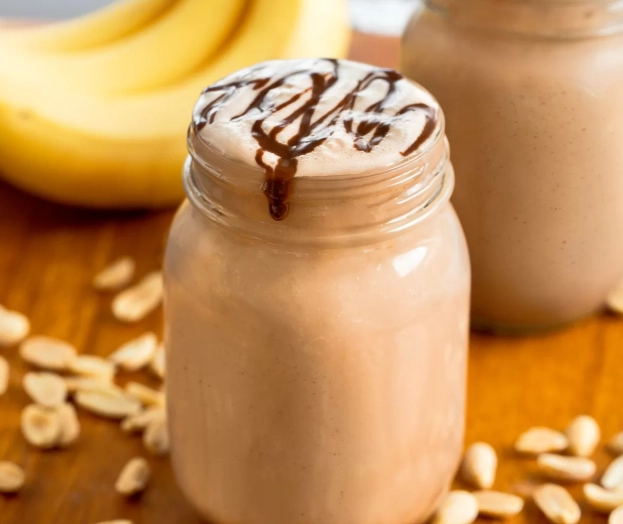
Add 1 tablespoon of unsweetened cocoa powder or cacao powder and a touch more sweetener. It's like a healthy peanut butter cup. For extra richness, use chocolate-flavored protein powder.
The Green Monster
Don't knock it till you try it. Add a big handful of fresh spinach. You will not taste it—I promise. The banana and peanut butter completely mask it. It's an effortless way to get greens in. Kale works too, but blend it very well.
The Coffee Boost
Replace ½ cup of your liquid with cold brew coffee or add a shot of cooled espresso. Perfect for a breakfast-on-the-go that actually wakes you up. The coffee and peanut butter flavor is surprisingly amazing.
The Superfood Boost
Add 1 tablespoon of chia seeds or ground flaxseed for omega-3s and fiber. A teaspoon of maca powder for adaptogens, or a handful of oats for staying power. This turns your simple smoothie into a nutrient-dense meal.
Troubleshooting: Fixing Your Smoothie Fails
We've all had smoothie disasters. Here's how to diagnose and fix the most common ones with your peanut butter banana blend.
Problem: It's too thick, like eating pudding with a straw.
Solution: You used too much banana or not enough liquid. While blending, slowly add more liquid (water, milk, etc.) one tablespoon at a time until it moves freely. For future reference, remember the frozen banana is a thickener—start with ¾ cup liquid.
Problem: It's too thin and watery.
Solution: The opposite problem. Your banana might not have been frozen, or you used too much liquid. To rescue it, add a handful of ice cubes, a few frozen mango chunks, or even a spoonful of plain yogurt or oats to thicken it up while blending.
Problem: It's bland or "flat" tasting.
Solution: This is a seasoning issue! Add a tiny pinch of salt. Seriously, salt is a flavor enhancer, not just a salty taste. Also, try ½ teaspoon of vanilla extract or a dash of cinnamon. If your peanut butter is unsalted, the salt pinch is even more crucial.
Problem: It separates quickly after blending.
Solution: This is natural, especially with nut butters. A quick re-blend for 5 seconds fixes it. For prevention, adding a natural emulsifier like a banana (which you have!), a spoonful of yogurt, or even a few chunks of avocado can help keep it unified longer.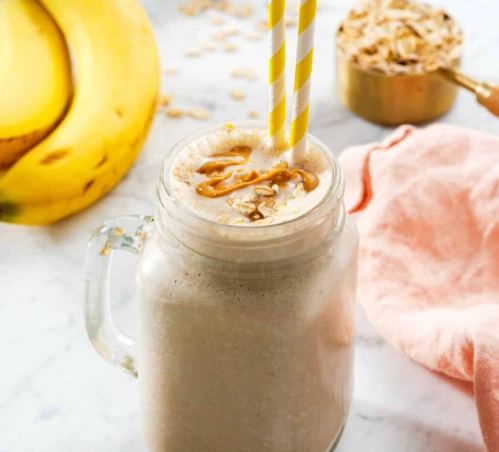
Answering Your Peanut Butter Banana Smoothie Questions
Putting It All Together: Your Smoothie Strategy
So where do you start? Don't feel overwhelmed. Here's a simple action plan.
Step 1: Master the basic recipe. Freeze your bananas tonight. Tomorrow, follow the blending order exactly. Taste it. Is it perfect? Great. If not, diagnose using the troubleshooting guide above.
Step 2: Pick one variation to try next week. Craving chocolate? Go for the cocoa powder version. Want to be sneaky with veggies? Try the spinach add-in. Just change one thing at a time so you learn what each ingredient does.
Step 3: Listen to your body. Did the basic smoothie keep you full for 2 hours or 4? If you need more staying power, look at the higher-protein or higher-fiber variations next time. The perfect peanut butter banana smoothie is the one that fits your specific needs.
The goal isn't to follow a recipe robotically. It's to understand the principles so you can open your fridge and make something delicious and nourishing without thinking too hard. This combo—the creamy banana, the rich peanut butter—is a nearly foolproof foundation. Now you have the knowledge to build on it, fix it when it goes wrong, and truly make it your own.
Honestly, after years of smoothie experimentation, I still come back to this classic. It's reliable, satisfying, and with the tips in this guide, it never lets me down. Now go freeze some bananas.
Reader Comments