Your Quick Guide
- Not All Jars Are Created Equal: Protein Content Across Different Types
- Beyond the Protein: The Full Nutrition Picture (Fats, Carbs & More)
- How Does Peanut Butter Protein Stack Up Against Other Foods?
- Putting It to Work: How to Use Peanut Butter for Your Goals
- Choosing the Best Peanut Butter for Protein & Health
- Answering Your Burning Questions (FAQs)
- The Final Scoop
So you're standing in the grocery aisle, looking at a wall of peanut butter jars, and you're thinking... how much protein is actually in this stuff? Is it really the protein powerhouse everyone says it is, or is it just a tasty fat bomb in disguise?
Let's cut through the marketing and get real. I've been down this road myself. When I first started paying attention to my protein intake, I assumed all peanut butter was created equal. Boy, was I wrong. I grabbed what I thought was a "healthy" brand, only to later realize it was packed with added sugar and hydrogenated oils, which kind of defeats the purpose if you're after clean nutrition.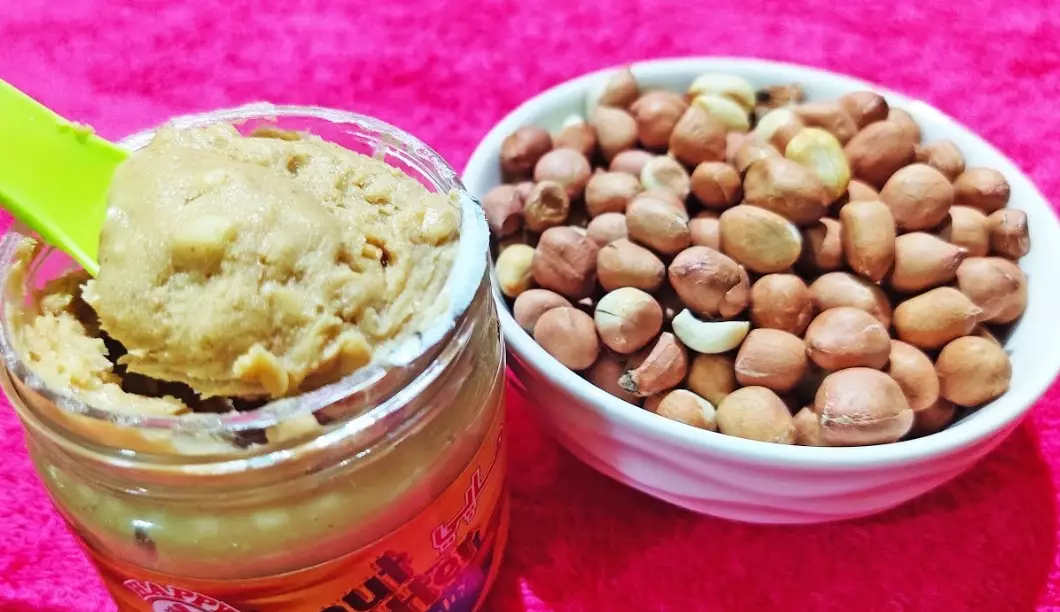
The short, no-nonsense answer to how much protein in peanut butter is this: a standard 2-tablespoon (32-gram) serving of classic peanut butter gives you about 7 to 8 grams of protein. But here's the thing—that number can swing up or down depending on what kind you buy, and more importantly, what else is in the jar with those peanuts.
The Core Numbers
According to the USDA's trusted FoodData Central database, 100 grams of smooth peanut butter (with salt) provides roughly 22.5 grams of protein. Since a typical serving is about 32 grams, you do the math—it lands right in that 7-8 gram range. You can check the official numbers yourself on the USDA's page for peanut butter. It's always good to go straight to the source.
But protein content isn't the whole story. Not even close. If you're using peanut butter to fuel workouts, manage weight, or just eat healthier, you need to know about the fats, carbs, and sneaky additives that can tag along. Let's break it all down.
Not All Jars Are Created Equal: Protein Content Across Different Types
Walk down that aisle again. You'll see "natural," "no-stir," "powdered," "low-fat," and a dozen other labels. The protein in peanut butter can vary quite a bit between them, and sometimes the difference is in what's been taken out or added in.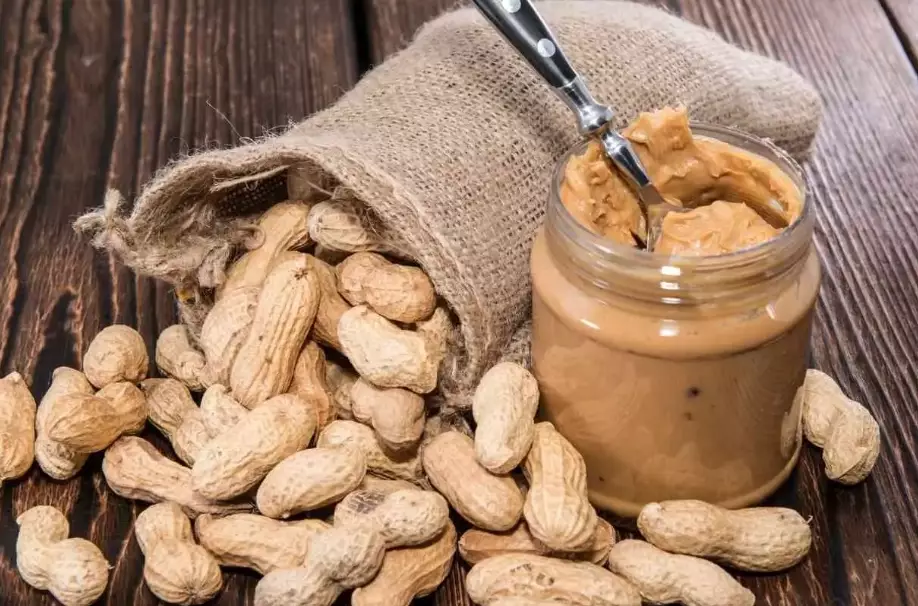
I made a classic mistake once, buying a "low-fat" version thinking it was a healthier choice. The protein was slightly lower, but to make up for the missing fat, they'd pumped in extra sugar and fillers. The taste was weirdly sweet and the texture was off. I ended up going back to my regular natural brand.
| Type of Peanut Butter | Protein per 2 Tbsp (32g) | Key Features & What to Watch For |
|---|---|---|
| Traditional / Regular (Smooth or Crunchy) | 7-8 grams | The standard. Usually contains added hydrogenated oils (for stability) and sugar. Check the label—some brands are worse than others. |
| Natural (Oil on Top) | 7-8 grams | Just peanuts and salt. You have to stir it, and it needs refrigeration. This is my personal go-to for a clean ingredient list. |
| Powdered Peanut Butter (like PB2) | 5-6 grams* | *After reconstituting with water. The fat is dramatically lower (which is why the protein seems high per calorie). Great for adding flavor without the calories, but it's a different product entirely. |
| "No-Stir" Natural | 6-7 grams | Uses palm fruit oil or other stabilizers to prevent separation. A good compromise if you hate stirring but want fewer processed ingredients. |
| Reduced Fat | 7-8 grams | Fat is replaced with extra protein (sometimes) but more often with added sugar or maltodextrin. The protein number might look good, but the overall ingredient quality often suffers. |
See what I mean? Asking how much protein is in peanut butter is like asking how fast a car can go—it depends on the model. That powdered stuff? It's fascinating. By removing most of the oil, you get a concentrated protein and fiber powder. Two tablespoons of the dry powder can have around 5-6 grams of protein, but you mix it with water, so the final volume and texture are different. It's not a direct swap for the real thing in a sandwich, but it's killer in smoothies or oatmeal.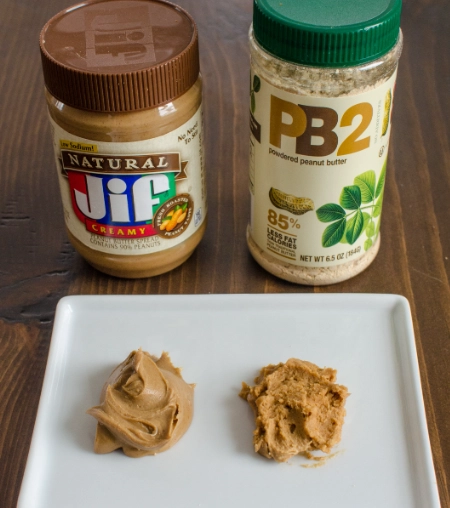
Beyond the Protein: The Full Nutrition Picture (Fats, Carbs & More)
Focusing solely on how much protein in peanut butter you get is a rookie move. I learned this the hard way when I was mindlessly spooning it out of the jar. The calories add up fast because of the fat.
Let's look at the full profile for a 2-tablespoon serving of natural peanut butter:
- Calories: ~190-200
- Protein: 7-8 g (We know this!)
- Total Fat: 16 g (The majority is heart-healthy monounsaturated and polyunsaturated fat. Only about 3g is saturated.)
- Carbohydrates: 6-7 g (About 2-3 grams of this is fiber, making it a good source.)
- Sugar: 1-3 g (Naturally occurring in peanuts. If it's much higher, check for added sugar.)
The fat is what makes peanut butter satisfying and helps keep you full. It's not something to fear, but you do need to be mindful of portion size. That's why it's not just about the protein content in peanut butter, but the balance of all the macros.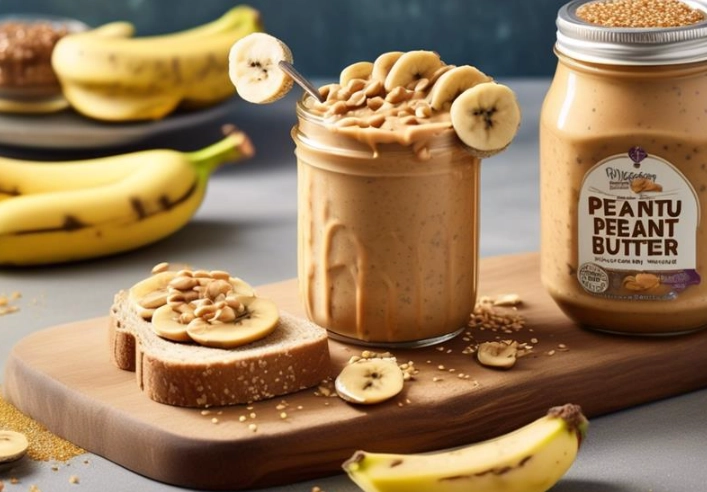
A Quick Tip on Portions
Two tablespoons is a standard serving, but it's surprisingly small. I used to just glop it on. Now, I actually measure it for a week or two to recalibrate my eyes. It makes a huge difference in managing calories without sacrificing the protein benefit.
The Sugar and Salt Trap
This is where many popular brands get you. To make peanut butter sweeter, creamier, and shelf-stable, companies add sugar, hydrogenated oils, and extra salt. Some "regular" brands can have 2-3 grams of added sugar per serving on top of the natural sugars.
Why does this matter for protein? It doesn't, directly. But if you're eating peanut butter for health and fitness, loading up on added sugar and trans fats (from hydrogenated oils) works against your goals. You're better off getting your 7-8 grams of protein from peanut butter from a cleaner source.
How Does Peanut Butter Protein Stack Up Against Other Foods?
Is 8 grams of protein per serving good? Let's put it in context. This is where knowing how much protein is in peanut butter becomes really useful for meal planning.
Compared to other common protein sources in a similar calorie range (around 200 calories):
- 1 large egg: ~6g protein, 70 calories. (More protein-dense per calorie, but a smaller total amount.)
- 3 oz (85g) of chicken breast: ~26g protein, 140 calories. (A much heavier hitter, obviously.)
- 1 cup of lentils (cooked): ~18g protein, 230 calories. (A fantastic plant-based competitor with loads of fiber.)
- 1 scoop of whey protein powder: ~25g protein, 120 calories. (Designed for concentration.)
- 1 cup of Greek yogurt (non-fat): ~22g protein, 130 calories.
So, peanut butter isn't the most concentrated source. It's a mixed package—a solid amount of protein bundled with healthy fats and fiber. That makes it a sustaining source of protein, not just a quick hit. It's the difference between a protein shot and a protein meal. The fats slow down digestion, providing a steady release of energy and keeping hunger at bay for longer.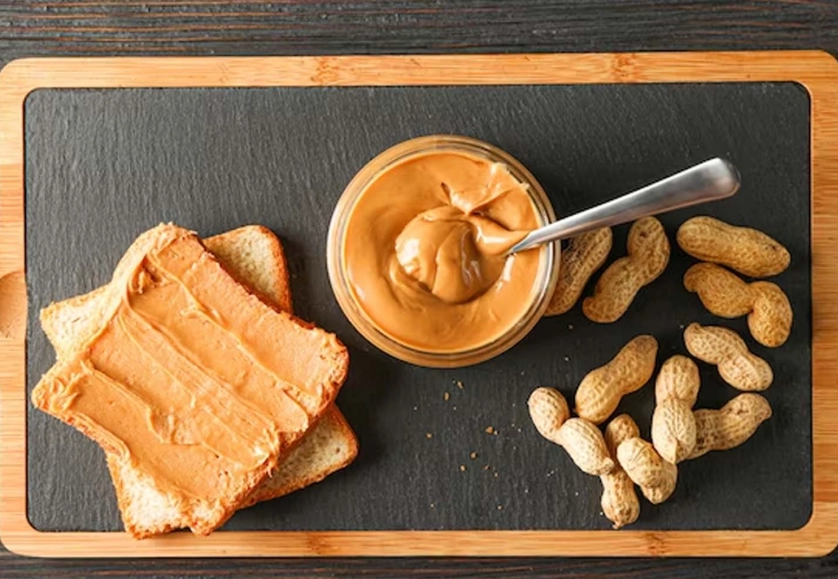
Is peanut butter a "complete" protein?
This is a super common question. Peanuts are technically legumes, not nuts. Like most plant proteins, peanut protein is "incomplete," meaning it's lower in one essential amino acid (methionine). But here's the practical truth: if you're eating a varied diet throughout the day (with grains, seeds, other veggies), you'll easily get all the amino acids you need. Don't stress about combining foods at every single meal. For most people, it's a non-issue.
Putting It to Work: How to Use Peanut Butter for Your Goals
Knowing the number is one thing. Using it effectively is another. Whether you want to build muscle, lose weight, or just snack smarter, here’s how to make that protein in peanut butter work for you.
For Muscle Building & Recovery
Peanut butter is a great post-workout addition, but not necessarily the main event. After lifting, your body needs protein and carbs to repair muscles. A classic combo is a peanut butter and banana sandwich on whole wheat bread. You get protein from the peanut butter (and the bread), fast-digesting carbs from the banana, and slower carbs/fiber from the bread. It's a perfect, real-food recovery meal.
I also love adding a big spoonful to my morning oatmeal or post-workout smoothie. It adds creaminess, flavor, and that sustained-release protein that keeps me from getting hungry an hour later.
For Weight Management
This is tricky because it's calorie-dense. The key is leverage. Use peanut butter's fat and protein to make other healthy foods more satisfying. For example:
- Spread a measured tablespoon on apple slices or celery sticks. The fiber from the fruit/veggie combined with the protein and fat from the peanut butter is a hunger-stopping combo.
- Stir a half-serving into plain Greek yogurt. The yogurt adds a huge protein boost, and the peanut butter makes it taste like a dessert.
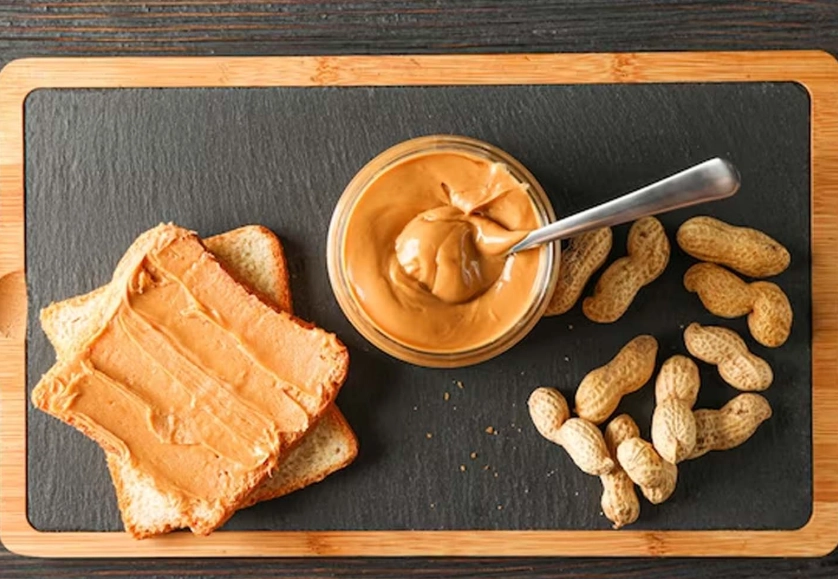
- Avoid eating it straight from the jar. It's too easy to lose track. Portion it out onto something else.
A Word of Caution
If your goal is significant fat loss, peanut butter can be a double-edged sword. The calories are sneaky. That said, cutting it out completely can lead to cravings and feeling deprived. I think it's better to include it strategically in small, measured amounts than to ban it and then overindulge later.
As a Plant-Based Protein Staple
For vegans and vegetarians, peanut butter is a lifesaver. It's an affordable, accessible, and versatile source of plant-based protein and healthy fats. Use it in sauces (like a satay or peanut sauce for noodles), in dressings, or as a base for energy balls with oats and seeds.
Choosing the Best Peanut Butter for Protein & Health
With all this talk about how much protein is in peanut butter, how do you pick the right one? Here's my simple checklist, born from too many disappointing jars:
- Ingredients First: The list should be short. Ideally: "Peanuts, Salt." That's it. "Peanuts" alone is fine too. If you see sugar, hydrogenated or partially hydrogenated oils, palm oil (unless it's sustainably sourced and in a "no-stir" natural brand), or a long list of chemicals, put it back.
- Check the Sugar: Under "Total Sugars," look at "Includes Added Sugars." Aim for 0g, or at most 1-2g. More than 3g of added sugar per serving is a dessert spread, not a protein source.
- Look at the Ratio: Some brands now boast "high protein." They might add pea protein isolate. That's fine, but check if they've also added a bunch of junk to make it palatable. Often, the classic natural version is still the best bet.
- Don't Fear the Oil: If you buy natural, the oil separation is normal. Stir it thoroughly when you first open it, and store it upside down in the fridge. The cold helps it stay mixed.
Answering Your Burning Questions (FAQs)
Let's tackle some of the specific questions people have when they search for how much protein in peanut butter.
The Final Scoop
So, how much protein is in peanut butter? You're now an expert. You know it's about 7-8 grams in a standard serving, but you also know that's just the starting point.
The real value of peanut butter isn't in being the absolute highest protein food, but in being a delicious, versatile, and satisfying one. It brings healthy fats, fiber, and important nutrients to the table alongside that reliable chunk of plant-based protein.
My advice? Find a natural brand you like, with peanuts as the first (and preferably only) ingredient. Measure your servings at first to get a feel for it. Then, use it to enhance other healthy foods—spread it on fruit, swirl it into yogurt, blend it into a smoothie.
Forget the low-fat, high-sugar imitators. Go for the real thing. Your taste buds and your muscles will thank you for it. And next time you're in that grocery aisle, you'll know exactly what to look for, far beyond just the number for protein.
It's one of those simple, whole foods that just works. Just don't make my mistake and eat half the jar in one sitting while watching TV. We've all been there.
Reader Comments