Let's cut to the chase. You're here because you want a smoothie that doesn't just taste good for five minutes but actually sticks with you. Something that tackles that mid-morning slump head-on. A peanut butter and Greek yogurt smoothie is that answer—it's not just a drink; it's a meal. The combination is a powerhouse of protein and healthy fats, creating a creamy, satisfying texture that cheap protein powders can only dream of. I've been making variations of this for years, and I'll show you how to nail it every single time, plus the mistakes most people make that turn their smoothie into a chalky or watery mess.
Your Quick Smoothie Blueprint
Why Peanut Butter & Greek Yogurt Are a Perfect Match
This isn't just a random pairing. It works on a nutritional and textural level. Greek yogurt, especially the plain, full-fat variety, brings a massive protein punch—around 15-20 grams per cup. It also has a pleasant tang. Peanut butter adds more protein, along with healthy monounsaturated fats and fiber. The fat is key. It slows down digestion, making you feel full longer and providing sustained energy, unlike a sugar-loaded fruit-only smoothie that will spike your blood sugar and leave you hungry an hour later.
The magic in the blender is about texture, too. The creaminess of peanut butter and the thickness of Greek yogurt create a rich, milkshake-like consistency without any ice cream. It's deeply satisfying. A study from Harvard T.H. Chan School of Public Health often highlights nuts and yogurt as pillars of a healthy dietary pattern, and this smoothie puts them both in one glass.
Choosing Your Ingredients: A Deep Dive
Getting this right starts before you even turn on the blender. The quality of your ingredients directly impacts the final product.
The Peanut Butter: This is Your Flavor Anchor
You have options, but they're not all equal.
- The Gold Standard: Natural, unsweetened peanut butter where the ingredients are just peanuts (and maybe salt). The oil separation is normal—just stir it in. This gives you pure peanut flavor and no added sugars or hydrogenated oils. Brands like Smucker's Natural or anything from a local grind-your-own nut butter station are perfect.
- The Common Mistake: Using conventional, sugary peanut butter like Jif or Skippy. It's already sweetened and stabilized with palm oil. It will make your smoothie overly sweet and can give it a slightly artificial, waxy mouthfeel. If it's all you have, use less and expect a sweeter result.
- For a Twist: Try almond butter or cashew butter. They're slightly sweeter and less intense, but the principle is the same—go for the natural, unsweetened kind.
The Greek Yogurt: Protein Powerhouse
Don't reach for the flavored stuff. That's just adding a ton of sugar.
- Full-Fat (5%) vs. Low-Fat/Non-Fat: I strongly recommend full-fat. The difference in calories is minimal, but the fat contributes massively to creaminess and satiety. Low-fat yogurt can sometimes have a chalkier texture and more added stabilizers. For the creamiest result, full-fat wins.
- Plain is Non-Negotiable: You want to control the sweetness yourself. Plain Greek yogurt lets the peanut butter and fruit shine.
- Quantity: Typically, 1/2 cup to 3/4 cup is the sweet spot. Too little and you miss the protein; too much and the tang can overpower everything.
The Liquid Base: It's More Than Just Water
This controls thickness. Start with less, you can always add more.
- Unsweetened Almond Milk or Oat Milk: My go-to. They're light, slightly nutty, and keep the calories in check.
- Regular Milk or Soy Milk: Great for an extra protein boost.
- Water: The most neutral option if you want the peanut butter and yogurt flavors to be the absolute stars.
- Avoid: Fruit juice. It's pure sugar and will thin out your smoothie without adding substance.
Sweeteners & Flavor Boosters
This is where you customize. The classic add-in is a frozen banana. It sweetens naturally, adds potassium, and creates an incredibly thick, creamy texture. No ice needed. Other great options: a couple of pitted dates, a teaspoon of maple syrup or honey, or a dash of vanilla extract.
The Foolproof Step-by-Step Method
Order matters in the blender. Putting liquid in first helps the blades move freely and prevents dry ingredients from getting stuck at the bottom.
- Add your liquid base first. Start with 3/4 cup of your chosen milk or water.
- Add the Greek yogurt and peanut butter. Drop them right in.
- Add your sweeteners and any small flavorings. That's your frozen banana chunks, dates, vanilla, etc.
- Secure the lid and blend on high for 45-60 seconds, until completely smooth and creamy. If it's too thick and struggling to blend, stop the blender, use a tamper if you have one, or add more liquid one tablespoon at a time.
- Taste and adjust. Need more peanut butter flavor? Add another half tablespoon. Not sweet enough? A tiny drizzle of honey. Too thick? More liquid. This is your moment.
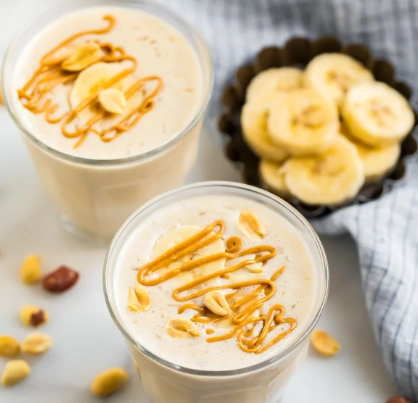
Pour it into a glass. The texture should be thick enough to eat with a spoon but drinkable through a straw. That's the ideal.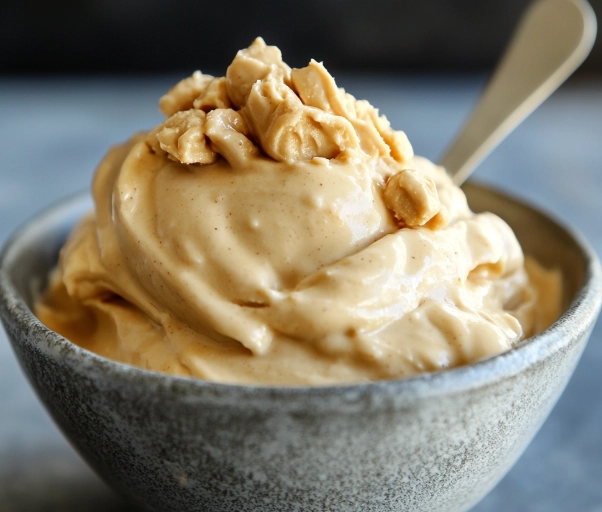
How to Customize Your Perfect Blend
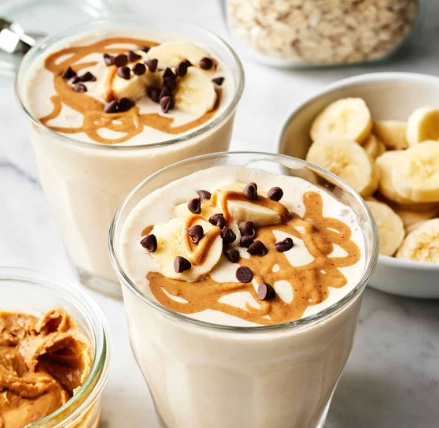
The basic recipe is a blank canvas. Here are three popular variations to try, treating the peanut butter and yogurt as your constant base.
- The Green Monster: Add a big handful of fresh spinach or kale. I promise you won't taste it. The peanut butter completely masks any grassy flavor. Add half a banana for sweetness. You get a massive nutrient boost with zero compromise on taste.
- The Chocolate Dream: Add one tablespoon of unsweetened cocoa powder and that frozen banana. It tastes like a healthy chocolate peanut butter cup. For an even richer version, use cacao nibs as a garnish.
- The Berry Blast: Swap the banana for a cup of frozen mixed berries (strawberries, blueberries, raspberries). The berries add fiber and antioxidants, and their tartness plays nicely with the creamy base. It will turn a lovely purple-pink color.
Pro Tips & Common Smoothie Pitfalls
After making hundreds of these, here's what most guides don't tell you.
- Freeze your banana in chunks, not whole. This seems minor, but a whole frozen banana can sometimes "bounce" around the blender instead of blending. Peeling, breaking into 3-4 pieces, and freezing them on a tray first makes a world of difference.
- The "separation" problem. If your smoothie separates into layers after sitting for 5 minutes, it's usually due to using unfrozen fruit and/or not enough fibrous ingredients (like spinach or oats). The frozen element helps stabilize it. A tablespoon of chia seeds or rolled oats blended in can also help bind everything together.
- Over-blending. Once it's smooth, stop. Blending for several minutes can incorporate too much air and actually start to warm the smoothie up, making it less pleasant.
- For meal prep: You can make smoothie packs. In a freezer bag or jar, portion out your peanut butter, chopped frozen banana, and any other add-ins (except yogurt and liquid). In the morning, dump the frozen pack into the blender, add the fresh yogurt and liquid, and blend. It saves precious minutes.
Your Smoothie Questions, Answered
My peanut butter Greek yogurt smoothie is too thick. What did I do wrong?
You probably didn't do anything "wrong," you just need more liquid. Start by adding an extra tablespoon or two of your milk or water and blend again. The thickness is highly dependent on how frozen your fruit is and the brand of yogurt. Next time, start with a full cup of liquid instead of 3/4 cup. Remember, you can't take liquid out, so it's always safer to start on the lower side and add as needed.
Can I make this smoothie ahead of time for breakfast?
You can, but with a caveat. It will separate and the texture will be less appealing. If you must, blend it and store it in a sealed jar in the fridge for up to 24 hours. Give it a very vigorous shake or a quick re-blend before drinking. A better strategy is the "smoothie pack" method mentioned above—prepare all the dry/frozen ingredients ahead and just add the fresh yogurt and liquid in the morning.
Is a peanut butter smoothie good for weight loss?
It can be an excellent tool, but it depends on how you build it. The protein and fat are key—they promote fullness, which can help prevent overeating later. The danger zone is adding too many high-calorie sweeteners like multiple dates, honey, or sugary nut butter. Stick to one portion of natural sweetener (like one small banana or one date) and use unsweetened ingredients. Track the portions of peanut butter (stick to 1-2 tablespoons) and yogurt. As part of a calorie-controlled diet, it's a far better breakfast than a bowl of sugary cereal or a pastry.
My smoothie tastes chalky or powdery. How do I fix that?
This is almost always caused by protein powder. If you added it, try blending it with the liquid first before adding other ingredients, or consider using less. If you didn't use protein powder, it could be low-quality cocoa powder or an overabundance of a dry ingredient like oats. The fix is to add more liquid and a bit more fat—an extra teaspoon of peanut butter or a splash of milk can help coat the chalky particles and smooth everything out.
I don't have a high-powered blender. Will this still work?
Absolutely. The trick is to help your blender out. Use room temperature or slightly thawed fruit instead of rock-solid frozen fruit. Add more liquid at the beginning to get things moving. Chop dates or other sticky ingredients finely before adding. And pulse a few times first to break down the big chunks before switching to a continuous blend. A regular blender can make a great smoothie; it just needs a little more patience and technique.
Reader Comments