Let's talk about peanut butter buckeyes. You've probably seen them at holiday parties – those irresistible little peanut butter balls, partially dipped in dark chocolate, leaving a perfect circle of peanut butter showing. They look like the eye of a buck deer, hence the name. More importantly, they taste like a little bite of heaven. The combination of sweet, salty, creamy peanut butter enrobed in a crisp chocolate shell is just... perfect.
But here's the thing I've learned after making these for over a decade: most recipes online get a few critical details wrong. They end up too sweet, too soft, or with a chocolate coating that cracks or slides right off. I've had my share of buckeye disasters – trays of lumpy, misshapen balls with sloppy chocolate seams. It was frustrating.
This guide is the result of all those trials and errors. It's not just another recipe list. It's the method I wish I had when I started. We'll cover the precise science of the peanut butter center, the foolproof way to dip them, and answers to every question that might pop up mid-process. You'll end up with buckeyes that look professional and taste even better than the ones you remember.
What's Inside This Guide
What Are Peanut Butter Buckeyes? A Sweet History
Before we get our hands sticky, a bit of context. The buckeye is the official state tree of Ohio, and its nut resembles the eye of a deer. In the 1960s, someone in Ohio (likely a clever home cook or a charity group) had the brilliant idea to recreate that look with candy. The peanut butter buckeye was born as a tribute to state pride.
It exploded in popularity because it's a no-bake wonder. No oven required, just a bowl, a mixer, and some patience. It's become a staple for Christmas cookie exchanges, Thanksgiving dessert tables, and Ohio State football game days. Its charm lies in its simplicity and that iconic look – you always leave a "eye" of peanut butter uncovered.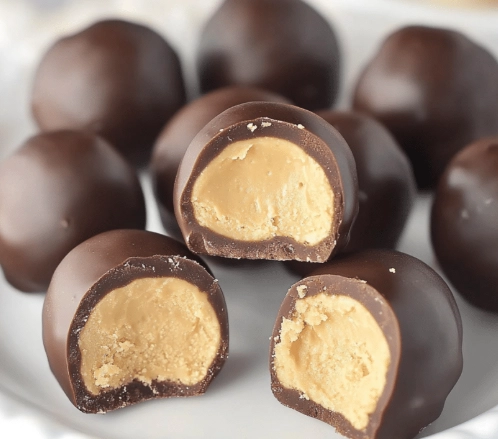
The Buckeye Blueprint: Why Each Ingredient Matters
Getting the texture right is everything. Too much butter, and they're greasy and won't hold shape. Too much sugar, and they're gritty and overpowering. Let's break down the roster.
| Ingredient | Quantity | The "Why" – Its Role in the Recipe |
|---|---|---|
| Creamy Peanut Butter | 1.5 cups (about 16 oz jar) | The star. Use a standard, shelf-stable brand like Jif or Skippy. The oils and stabilizers in these help the balls hold their shape. Natural peanut butter (the kind you stir) will make your buckeyes oily and prone to spreading. |
| Unsalted Butter, softened | 1/2 cup (1 stick) | Adds richness and creaminess, and helps bind everything. Unsalted lets you control the salt level. It must be truly softened to room temperature for a smooth blend. |
| Vanilla Extract | 1 teaspoon | Enhances the overall flavor profile. Don't skip it. |
| Salt | 1/2 teaspoon | Critical. It balances the intense sweetness and makes the peanut butter flavor pop. I often use a flaky sea salt. |
| Powdered Sugar (Confectioners' Sugar) | 3.5 - 4 cups | This is the structural backbone. It thickens the peanut butter mixture into a moldable dough. We sift it to avoid lumps. The range accounts for humidity and peanut butter brand. |
| Semi-Sweet or Dark Chocolate Chips | 2 cups (12 oz bag) | For dipping. High-quality chips melt smoothly. Semi-sweet balances the sweet center perfectly. Some swear by adding a tablespoon of shortening to thin it; I have a better method. |
| Paraffin Wax or Coconut Oil (Optional) | 1 tablespoon | A traditional trick to make the chocolate shell shiny and slightly harder. A tiny bit of food-grade paraffin (like Gulf Wax) works wonders. Coconut oil is a modern substitute. |
See that range on the powdered sugar? That's your first pro tip. Start with 3.5 cups. After mixing, pinch the dough. If it's still sticky and doesn't hold a clean shape, add the remaining 1/2 cup, a quarter cup at a time. The dough should be pliable but not greasy.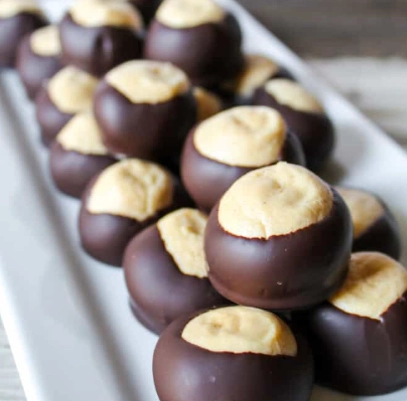
How to Make Peanut Butter Buckeyes: A Step-by-Step Guide
Here's the play-by-play. Clear some counter space and line a baking sheet with parchment paper.
Step 1: Making the Peanut Butter Dough
In a large bowl, beat the softened butter and peanut butter together until completely smooth and combined. This takes about 2 minutes with a hand mixer. Scrape down the sides. Beat in the vanilla and salt.
Now, here's where people mess up. Gradually add the sifted powdered sugar, about one cup at a time, beating on low speed after each addition. Once it gets thick, you'll likely need to switch to a sturdy spoon or your hands to incorporate the last cup. The dough will be stiff, like Play-Doh.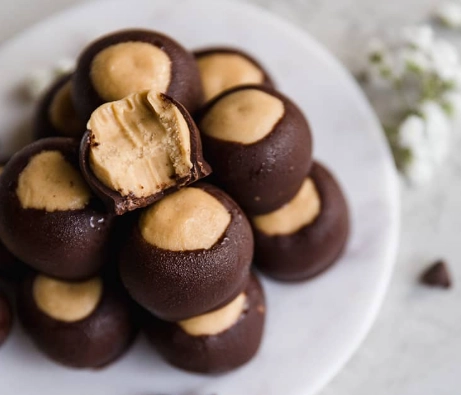
Step 2: Rolling the Balls
Use a small cookie scoop (about 1 tablespoon size) for uniformity. Roll each scoop between your palms into a smooth, tight ball. Place them on the parchment-lined sheet. If your hands get too sticky, lightly dust them with powdered sugar.
Once all balls are rolled, insert a toothpick horizontally into each one, about halfway through. This is your dipping handle. Now, freeze the tray for at least 30 minutes. This is non-negotiable. A frozen ball won't lose its shape in the warm chocolate.
Step 3: The Dipping Ritual
This is the moment of truth. Melt your chocolate chips with your chosen additive (wax or coconut oil) in a double boiler or in short bursts in the microwave, stirring frequently until smooth. Transfer the melted chocolate to a narrow, deep cup or glass—this gives you a deep pool for easy dipping.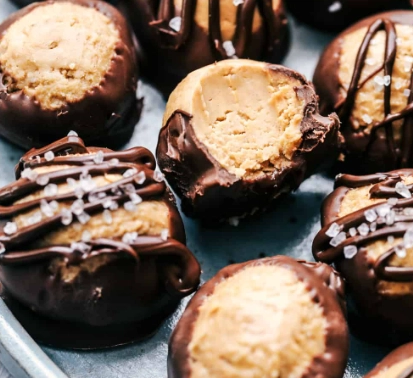
Take a few frozen balls from the freezer at a time. Hold a ball by the toothpick and dip it into the chocolate, leaving the top third uncovered. Let the excess chocolate drip off, then gently place it back on the parchment. The cold ball will set the chocolate bottom almost instantly.
Once you've dipped a few, gently swirl the toothpick to remove it, then use your finger to smooth over the hole. If the chocolate starts to thicken, re-warm it gently.
Let the dipped buckeyes set completely at room temperature until the chocolate is firm. Then, store them in an airtight container in the refrigerator. They're best served slightly chilled.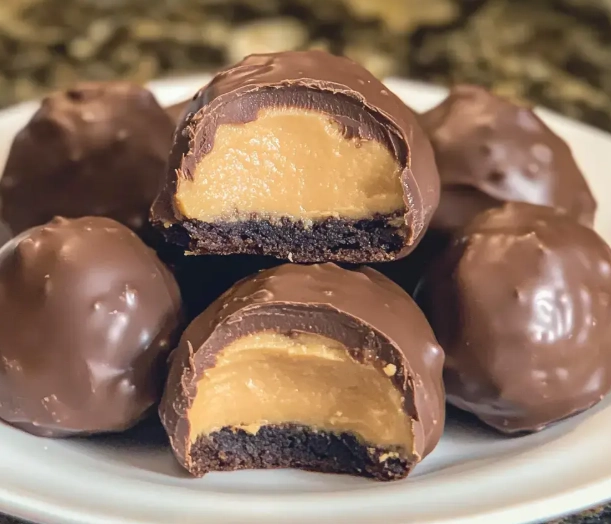
Expert Tips for Perfect Buckeyes Every Time
- Texture is King: The perfect peanut butter ball dough should be smooth, not gritty, and hold a firm shape without cracking. If it cracks, you've added too much sugar or over-mixed.
- The Chocolate Secret: Instead of shortening, try adding 1-2 ounces of chopped chocolate baking bars (like Ghirardelli) to your chips when melting. The different cocoa butter content creates a smoother, snappier coating that sets beautifully.
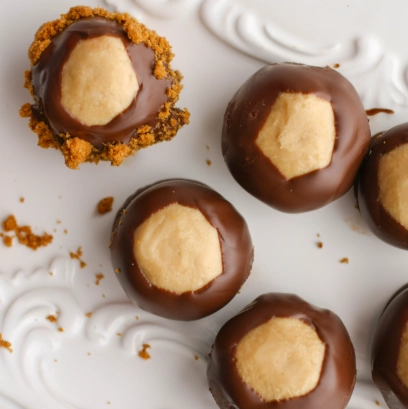
- For a Less Sweet Version: Reduce the powdered sugar to 3 cups and add 3/4 cup of crushed graham cracker crumbs. It adds complexity and cuts the cloying sweetness.
- Storage & Gifting: They keep in the fridge for 2 weeks and freeze beautifully for 3 months. Layer them between parchment paper in a tin for gift-giving.
I once brought a batch to a potluck where a fellow baker insisted hers were better because she used natural peanut butter. They were a puddled, oily mess on the plate. Sometimes, the processed stuff is just right for the job.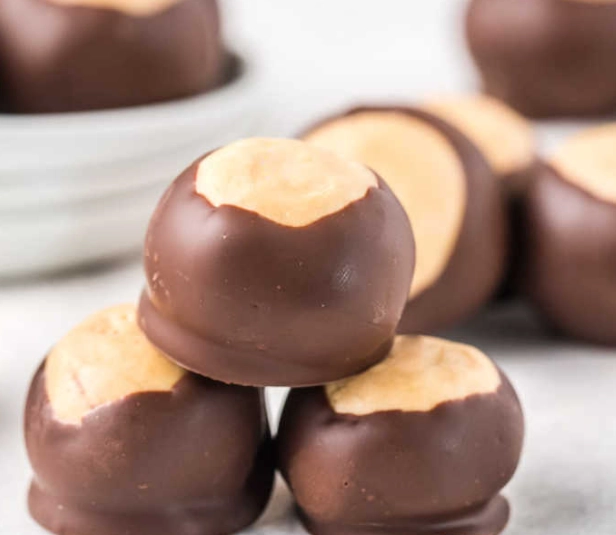
Peanut Butter Buckeyes FAQ
So there you have it. More than just a list of ingredients, it's a system. A way to approach a classic recipe with the confidence that comes from knowing why each step matters. Now go make a batch. Your friends and family will wonder where you bought them. That's the best compliment of all.
Reader Comments