Let's get straight to the point. How many calories are in peanut butter? For a standard 2-tablespoon (about 32g) serving of peanut butter made from just peanuts, you're looking at roughly 190 calories. That's the baseline from the USDA's FoodData Central. But here's the thing—that number can swing from about 180 to over 210 calories depending on what's in your jar. The brand, whether it's creamy or crunchy, and, most importantly, the ingredients (looking at you, added sugar and oils) make all the difference. If you're just skimming labels or tracking intake, you might be off by more than you think.
What's Inside This Guide?
How Many Calories Are Actually in a Serving?
Most of us grab a spoon and think "a serving is a spoonful." That's the first mistake. A official serving is 2 tablespoons. Not a heaping tablespoon, not a "soup spoon" from your drawer. Two level tablespoons.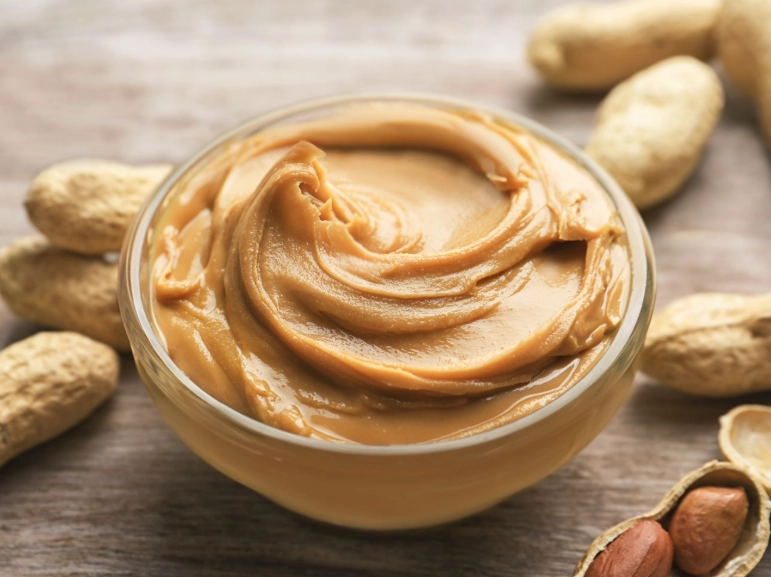
On average, that 2-tbsp serving lands between 180 and 210 calories. The variation comes down to a few key factors:
- Fat Content: Peanuts are naturally high in fat (the good kind). More peanuts, more fat, slightly more calories.
- Added Ingredients: This is the big one. Sugars, hydrogenated oils (trans fats), and palm oil are added to stabilize texture and enhance flavor. They pad the calorie count with nutritionally empty calories.
- Texture: Crunchy peanut butter sometimes has slightly fewer calories than creamy because the small peanut pieces create tiny air pockets, but the difference is minimal—maybe 5-10 calories per serving.
Here’s a quick comparison of some popular options per 2-tbsp serving:
| Peanut Butter Type / Brand | Calories (2 tbsp) | Key Differentiator |
|---|---|---|
| USDA Standard (Just Peanuts) | ~190 | The baseline, no additives. |
| Typical Natural (Peanuts & Salt) | 180-200 | Oil separates, needs stirring. |
| Conventional Brand (e.g., Jif Creamy) | ~190 | Contains added sugar, molasses, hydrogenated oils. |
| "Reduced Fat" Version | ~190 | Fat replaced with corn syrup solids and sugar—often a worse choice. |
| Powdered Peanut Butter (e.g., PB2) | ~60 (when reconstituted) | Fat removed, much lower calorie, but also less healthy fat. |
See the trap? A "reduced fat" version can have the same calories as the regular one. They just swap one ingredient for another. You're not saving calories; you're trading healthy fats for processed carbs.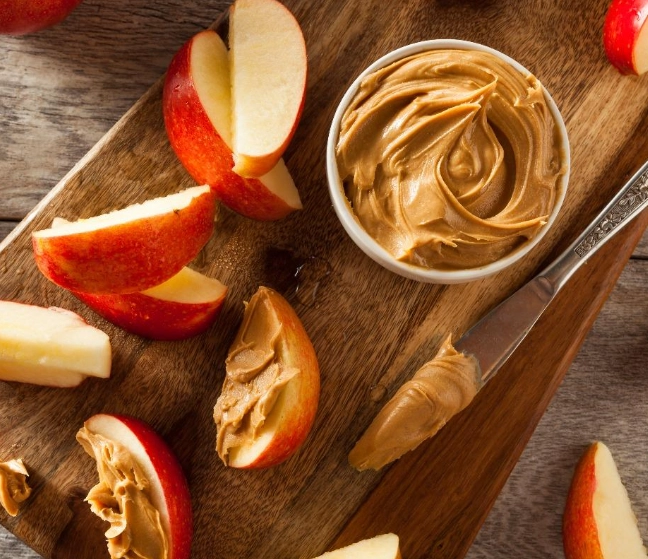
Does the Brand of Peanut Butter Matter?
Absolutely. Walking down the peanut butter aisle is a masterclass in food marketing. "Natural," "Organic," "No-Stir"—these labels can be misleading.
The single most important document is the Ingredient List, not the flashy front label.
Expert Tip: The healthiest (and most calorie-predictable) peanut butter has one ingredient: peanuts. Maybe two: peanuts and salt. That's it. The oil separation is normal and a sign that unnecessary stabilizers haven't been added. If you see sugar (in any form: cane sugar, molasses, dextrose), hydrogenated oils, or palm oil, you're adding extra calories that don't contribute to satiety or health.
I learned this the hard way. I used to buy a popular "natural" brand because the jar said it. One day I read the label: peanuts, sugar, palm oil, salt. The sugar was the second ingredient. I was essentially eating a sweetened fat spread, not pure peanut butter. The calorie count was similar, but the nutritional profile was completely different.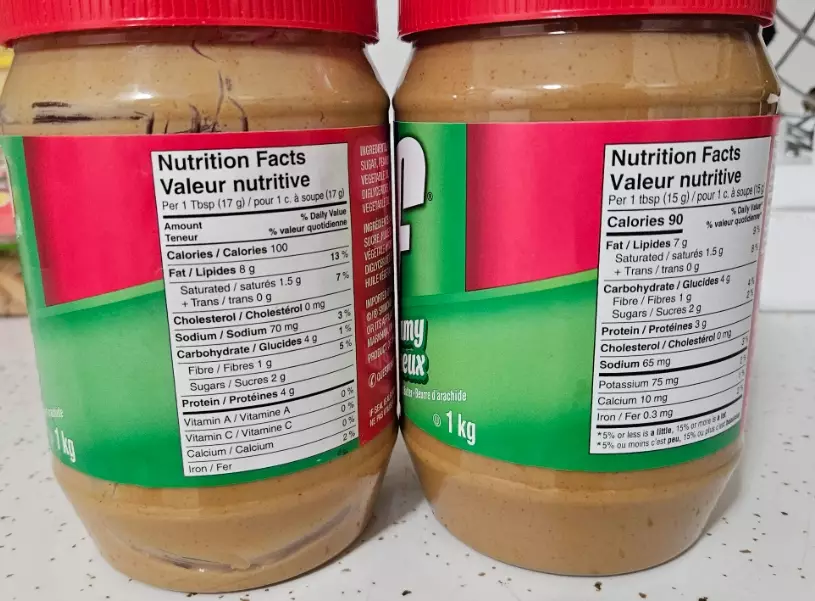
The "Natural" Label Loophole
There's no strict FDA definition for "natural" on food labels. A brand can add sugar and palm oil and still call itself natural. Don't trust the claim; verify the ingredients.
Beyond Calories: The Nutritional Powerhouse
Focusing solely on peanut butter calories misses the forest for the trees. Peanut butter is a nutrient-dense food. Those 190 calories deliver a powerful package:
- Healthy Fats (16g per serving): Primarily monounsaturated and polyunsaturated fats, which support heart health.
- Plant-Based Protein (7-8g): Crucial for muscle repair and keeping you full.
- Fiber (2-3g): Aids digestion and further enhances satiety.
- Vitamins & Minerals: Good amounts of Vitamin E, Magnesium, Potassium, and B vitamins like Niacin.
Compare that to 190 calories from a bag of chips or a few cookies. You get empty carbs, a blood sugar spike, and hunger an hour later. With peanut butter, you get sustained energy and fullness. The calories are working for you, not against you.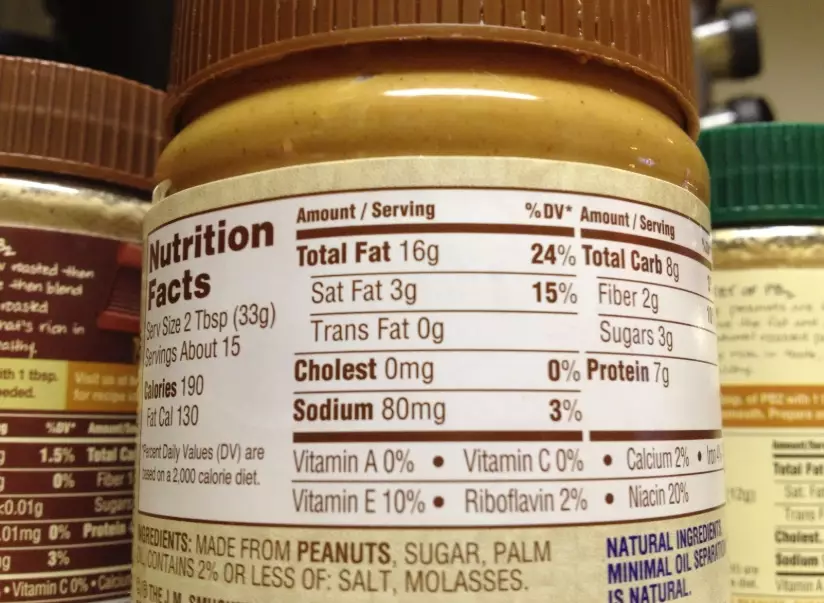
How to Measure Peanut Butter Accurately (The Common Mistake)
This is where most people, myself included, have messed up. You think you're eating 190 calories, but you're actually eating 250 or 300. Here's why:
The Spoon-and-Scrape Method is Flawed. When you dip a tablespoon into the jar, peanut butter clings to the underside and sides of the spoon. A "level" tablespoon, as measured by scraping the top, often contains significantly more than the standard 16g (for 1 tbsp).
The only way to be sure? Use a kitchen scale.
It sounds fussy, but try it once. Spoon out what you think is 2 tablespoons (32g) onto a plate, then weigh it. I was consistently 8-10 grams over. That's an extra 50-60 calories I wasn't accounting for. For weight management, those small overages add up fast over weeks and months.
If you don't have a scale, use measuring spoons and be militant about the leveling. Better yet, use pre-portioned packets (like Justin's) when you need guaranteed accuracy.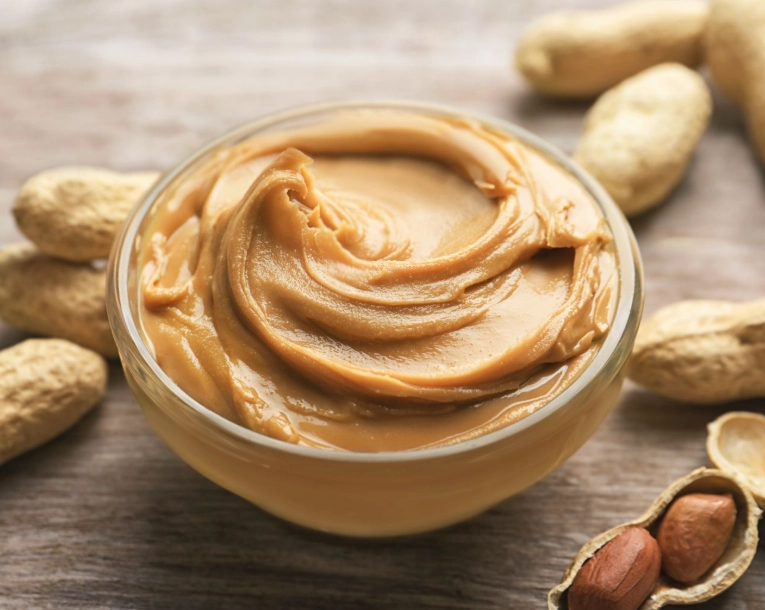
Incorporating Peanut Butter into a Healthy Diet
So, you want the nutrition without blowing your calorie budget? It's entirely possible. The mantra is portion control + smart pairing.
Instead of eating it straight from the jar (we've all been there), use it as a flavor and nutrient booster:
- Spread it thin on whole-grain toast or apple/banana slices. The fiber from the fruit or bread balances the density.
- Blend a half-serving (1 tbsp) into your morning oatmeal or smoothie. It adds creaminess and staying power.
- Make a savory sauce by thinning a tablespoon with warm water, a squeeze of lime, soy sauce, and chili flakes for salads or noodles.
- The classic PB&J upgrade: Use whole-grain bread, natural peanut butter, and real fruit spread (with no added sugar) or sliced strawberries.
The goal isn't elimination; it's strategic inclusion. Banning a food you love leads to craving and overindulgence later. Including a measured, satisfying portion keeps you on track.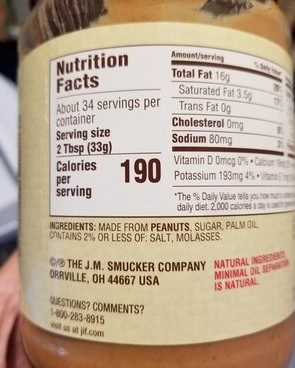
Your Peanut Butter Questions Answered
Is peanut butter good for weight loss?
It can be a powerful ally, not an enemy. Its combination of protein, fiber, and fat is the golden trio for satiety. It helps control hunger and prevents mindless snacking. The critical factor is strict portion control. Measure it, don't estimate. A 200-calorie serving that keeps you full for hours is far better for weight loss than a 100-calorie rice cake that leaves you searching for more food in 30 minutes.
What's the healthiest type of peanut butter?
Hands down, it's the one with the shortest ingredient list: peanuts (and optionally salt). Avoid jars that list sugar (in any form) or hydrogenated/palm oils. Don't fall for "low-fat" marketing—they remove the healthy fat and typically add sugar or fillers to compensate for texture and taste, resulting in a less nutritious product. The healthiest choice is often in the refrigerated section or requires a good stir.
Does the sugar in some peanut butter add many calories?
It adds more than you might realize, and it's the worst kind of calorie. Let's take Jif Creamy: 3g of added sugar per serving. That's about 12 calories from pure sugar. While 12 calories seems small, it's nutritionally void. Over a month of daily servings, that's 360 empty calories. More importantly, added sugar spikes blood sugar, doesn't promote fullness, and can drive cravings. Choosing a no-added-sugar version dedicates all those calories to beneficial nutrients.
How many calories are in 2 tablespoons of peanut butter?
The standard answer is about 190 calories for a 2-tbsp (32g) serving of pure peanut butter, as per USDA data. However, always check your specific brand's label. Conventional brands with additives will be in the same ballpark (190-200), but the composition of those calories is different. Natural varieties hover around 180-200. The number is a guide, but the ingredient list tells the real story of what you're eating.
Reader Comments