You grab a jar of peanut butter thinking it's a simple, healthy choice. But if you flip it over and see "palm oil" on the label, you're holding something more complicated. For years, I didn't think twice about it. It was just peanut butter. Then I started digging into ingredients, and the story behind that one additive changed how I shop forever. Choosing a palm oil free peanut butter isn't just a trendy foodie move; it's a direct decision for your cardiovascular health and the planet's wellbeing. The good news? The best-tasting, cleanest options are easier to find than ever, once you know what to look for.
What’s Inside This Guide?
Why Palm Oil in Peanut Butter Is a Problem
Let's get straight to it. Palm oil isn't some harmless filler. It's a functional ingredient with real consequences.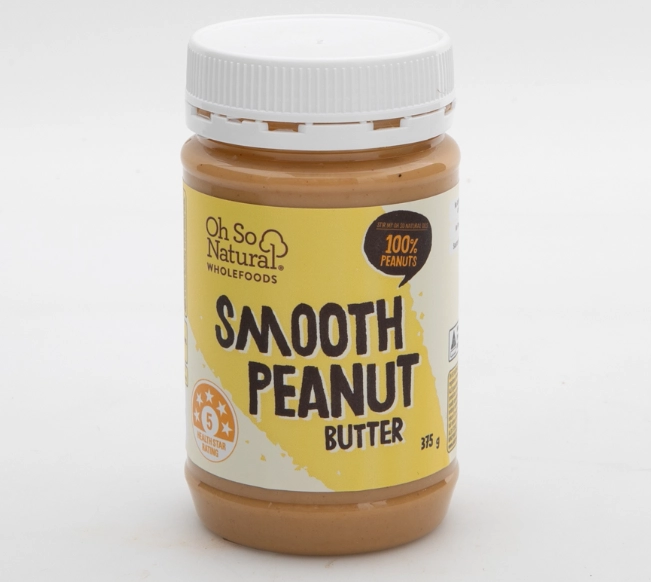
Health Concerns You Can’t Ignore
Peanuts naturally have oil. So why add more? Manufacturers use palm oil because it's cheap, shelf-stable, and prevents the natural peanut oils from separating. No stirring required. Convenient, sure. But here's the rub: palm oil is about 50% saturated fat.
Compare that to the fat in peanuts themselves, which is predominantly heart-healthy monounsaturated and polyunsaturated fat. When you add palm oil, you're significantly altering that fat profile. Major health organizations, like the American Heart Association, advise limiting saturated fat intake because it raises LDL (the "bad") cholesterol, a key risk factor for heart disease.
Think of it this way: you're buying a health food and the manufacturer is quietly mixing in an ingredient that undermines its main benefit. It's a nutritional contradiction that sits quietly on millions of pantry shelves.
The Environmental Cost Is Staggering
This is where the issue goes beyond your kitchen. The demand for cheap palm oil is a primary driver of deforestation in tropical rainforests, especially in Indonesia and Malaysia. The World Wildlife Fund (WWF) has extensively documented how this deforestation destroys critical habitats for endangered species like orangutans, tigers, and rhinos.
It's not just about trees. This process releases massive amounts of carbon dioxide, contributes to peatland drainage (which are huge carbon sinks), and often involves human rights issues. When you choose a jar with palm oil, you're indirectly linked to that supply chain. A palm oil free peanut butter severs that link completely.
Some brands use "sustainable" palm oil (certified by the RSPO). It's a step, but critics argue the certification is flawed and deforestation still occurs. The most straightforward guarantee? Avoiding it altogether.
How to Spot Palm Oil in Peanut Butter (The Label Decoder)
Don't trust the front of the jar. Marketing terms like "Natural" or "Simple" are virtually meaningless. The real story is on the ingredients list. Here’s your step-by-step detective kit.
Step 1: Go straight to the ingredients. Ignore the health claims. Look for the list.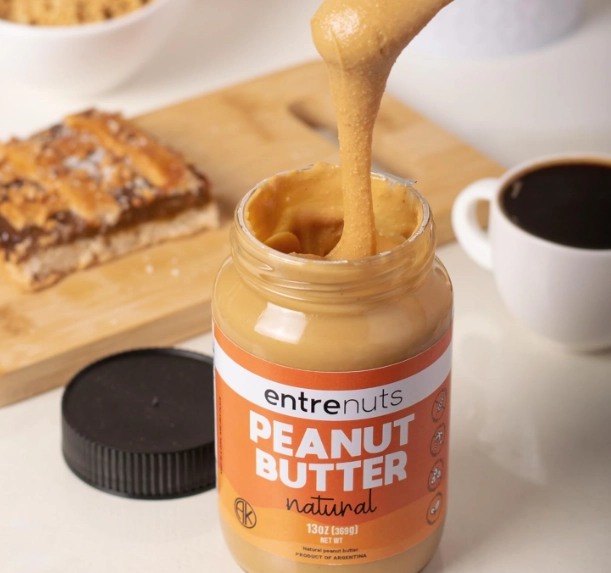
Step 2: Scan for the obvious and the sneaky. Palm oil can hide under a few names:
- Palm Oil (the most common)
- Palm Kernel Oil
- Vegetable Oil (Palm) – If it just says "vegetable oil," palm is often the primary source because it's the cheapest.
- Shortening or Partially Hydrogenated Vegetable Oil (Palm) – This is the worst kind, containing trans fats.
Step 3: Understand the "Natural" loophole. In many places, a "Natural" peanut butter can legally contain palm oil as a stabilizer. The term often refers to the absence of artificial flavors or preservatives, not to a pure ingredient list. The only "natural" peanut butter in my book contains one ingredient: peanuts. Two ingredients max: peanuts and salt.
Step 4: Embrace the oil layer. This is the golden rule. A truly natural, palm oil free peanut butter will have a layer of oil at the top. You have to stir it. I keep a dedicated butter knife in the jar. That separation is a visual guarantee you’re getting the real thing. If the contents are perfectly homogenous and never separate, that’s a red flag for added stabilizers, usually palm oil.
I made the mistake for years of buying a popular "natural" brand, not realizing its "smooth" texture came from palm oil. I was trading health for convenience without even knowing it.
The Best Palm Oil Free Peanut Butter Brands, Tested
After trying dozens of jars, here are the brands that consistently deliver on flavor, texture, and clean ingredients. I've ranked them not just on taste, but on overall value and ingredient purity.
| Brand & Product | Key Ingredients | Texture & Taste Notes | Where to Find It |
|---|---|---|---|
| 1. Teddie All Natural | Peanuts, Salt. That's it. | The gold standard. Gritty, authentic texture, deep roasted flavor. Oil separation is significant (a good sign!). | Widely available in US supermarkets (Stop & Shop, Publix, etc.). |
| 2. Crazy Richard’s 100% Peanuts | Just peanuts. No salt added. | Incredibly pure, slightly sweet peanut taste. Very runny after stirring. Perfect for those avoiding sodium. | Major retailers like Walmart, Kroger, and Amazon. |
| 3. Smucker’s Natural | Peanuts, 1% or less of salt. | A classic. Smooth and creamy, easier stir than Teddie. Reliable, widely available taste. | Everywhere. Possibly the most accessible true natural option. |
| 4. Santa Cruz Organic | Organic Dry Roasted Peanuts, Salt. | Light roasted flavor, creamy with a bit of grit. Excellent organic option. | Health food stores, Whole Foods, Thrive Market. |
| 5. Whole Foods 365 | Peanuts, Salt. | A fantastic store-brand value. Taste is comparable to major brands, price is lower. | Exclusively at Whole Foods Market. |
Deep Dive on the Top Pick: Teddie All Natural
I keep coming back to Teddie. It's not the fanciest packaging, but it’s honest. You get a glass jar filled with... peanuts. The first time you open it, you’ll see a solid block of peanut paste with a pool of oil on top. Don’t be alarmed. Use a strong knife or spoon and stir vigorously for a minute. It incorporates into a perfect, spreadable consistency with a distinct, slightly coarse texture that screams "real food."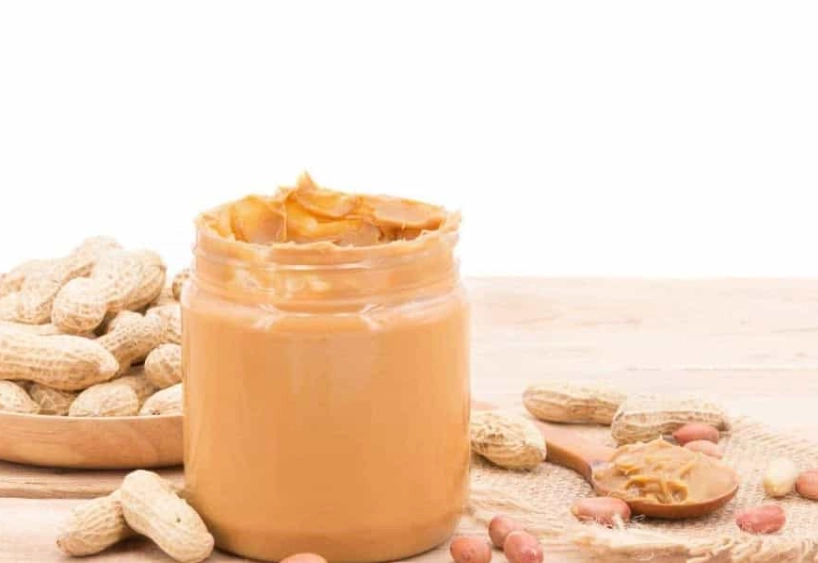
The flavor is robust and nutty, not overly sweet or bland. It makes other peanut butters taste processed in comparison. The only minor downside is that you must refrigerate it after stirring to prevent the oil from separating too quickly again, which can make it firmer than some like for spreading. But that’s a trade-off I'll take for purity.
A Word on "No-Stir" Natural Brands
Some brands like Justin's offer "Classic" versions that are palm oil free (ingredients: peanuts, palm oil, sugar, salt – avoid) versus their "Natural" line (ingredients: dry roasted peanuts – choose this). Always check. Similarly, SKIPPY Natural and JIF Natural both contain palm oil as a stabilizer. They are designed to mimic the texture of conventional peanut butter, and that texture comes at a cost.
If you absolutely need a no-stir option, look for brands that use other natural stabilizers, though they are rare. Some use a small amount of fully hydrogenated oils (which don't contain trans fats) or cocoa butter. Read the label even more critically.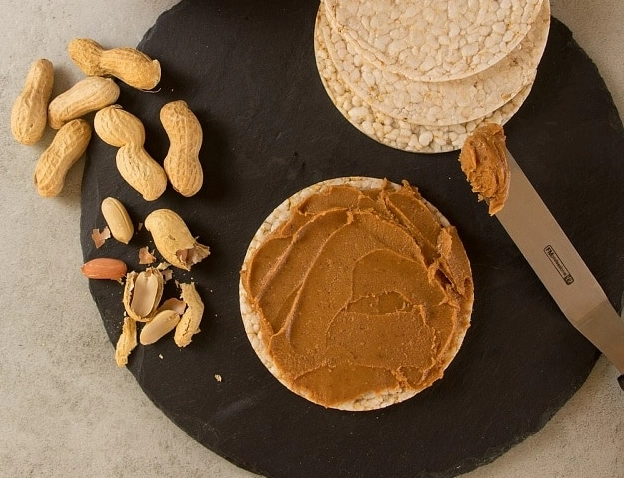
Your Palm Oil Free Peanut Butter Questions, Answered
What is the main benefit of choosing palm oil free peanut butter?
You're getting a fat profile that comes naturally from peanuts, which are rich in heart-healthy monounsaturated and polyunsaturated fats, instead of adding a significant source of processed saturated fat (palm oil). It's a cleaner choice for your body and a vote against the deforestation linked to palm oil production.
Does palm oil free peanut butter taste different?
Usually, it tastes more like actual peanuts. Palm oil can impart a faintly waxy, neutral taste that smooths out the flavor. Natural peanut butter has a stronger, roasted nut flavor. The texture is also different—less uniformly creamy and sometimes a bit gritty, which many people prefer.
Is it okay to eat the oily layer on top?
Absolutely. That's just the natural peanut oil that has risen to the top. It's the same healthy oil that's in the paste below. Don't pour it off! You need to stir it back in for the right consistency and to get all the healthy fats. Pouring it out leaves you with a dry, crumbly paste.
How do I stop my natural peanut butter from getting hard in the fridge?
This is the biggest hassle. Store it upside down for a day or two before first use—this helps distribute the oils. After stirring, you can try storing it upside down in the fridge. Or, take what you need for the week and keep it in a smaller container at room temperature, refrigerating the main jar. The room-temperature portion will stay spreadable for days.
Can I use palm oil free peanut butter in baking?
Yes, but it may behave differently. Because the oil can separate, your batter might be oilier if you don't stir the jar thoroughly right before measuring. For consistent results in baking, ensure the peanut butter is fully homogenized at room temperature before you scoop it. The flavor in baked goods will be superior.
The switch to palm oil free peanut butter is one of those small, simple changes with a disproportionate impact. You get a healthier spread, you support more transparent food companies, and you make an ethical choice for the environment. Just remember: turn the jar over, read the list, and look for that oil layer. Your body and the planet will thank you for that extra 10 seconds of effort.
Reader Comments